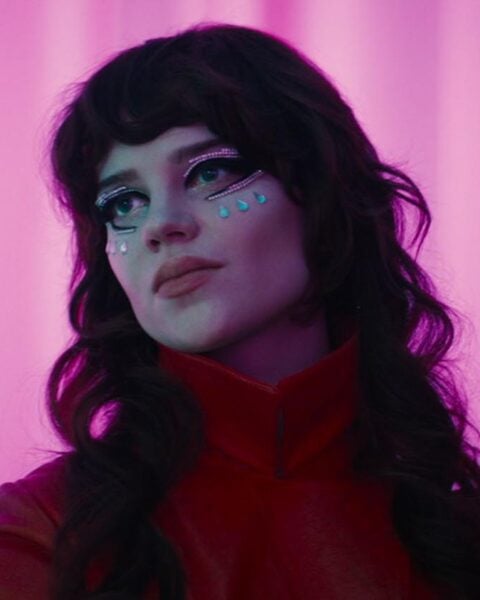
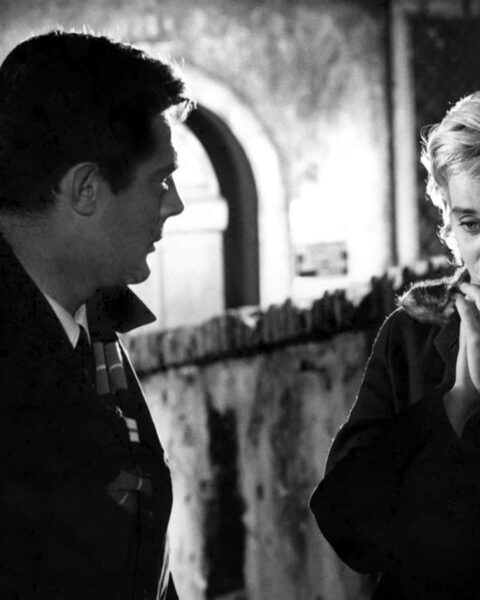
Refn discusses his love of fairy tales, falling through the rabbit hole of streaming, and more.


Refn discusses his love of fairy tales, falling through the rabbit hole of streaming, and more.

A challenge inherent to a parable of this sort is that evil, being so seductive, can make good seem dull or prissy by comparison.

Radha Blank’s film contemplates a woman’s 40th year as a no-woman’s land.

The film looks for an emotional payoff by continually upping the stakes of its main character’s self-destructive short-term thinking.

Writer-director Jim Cummings reinvigorates an oft-told tale with personal, thorny preoccupations.
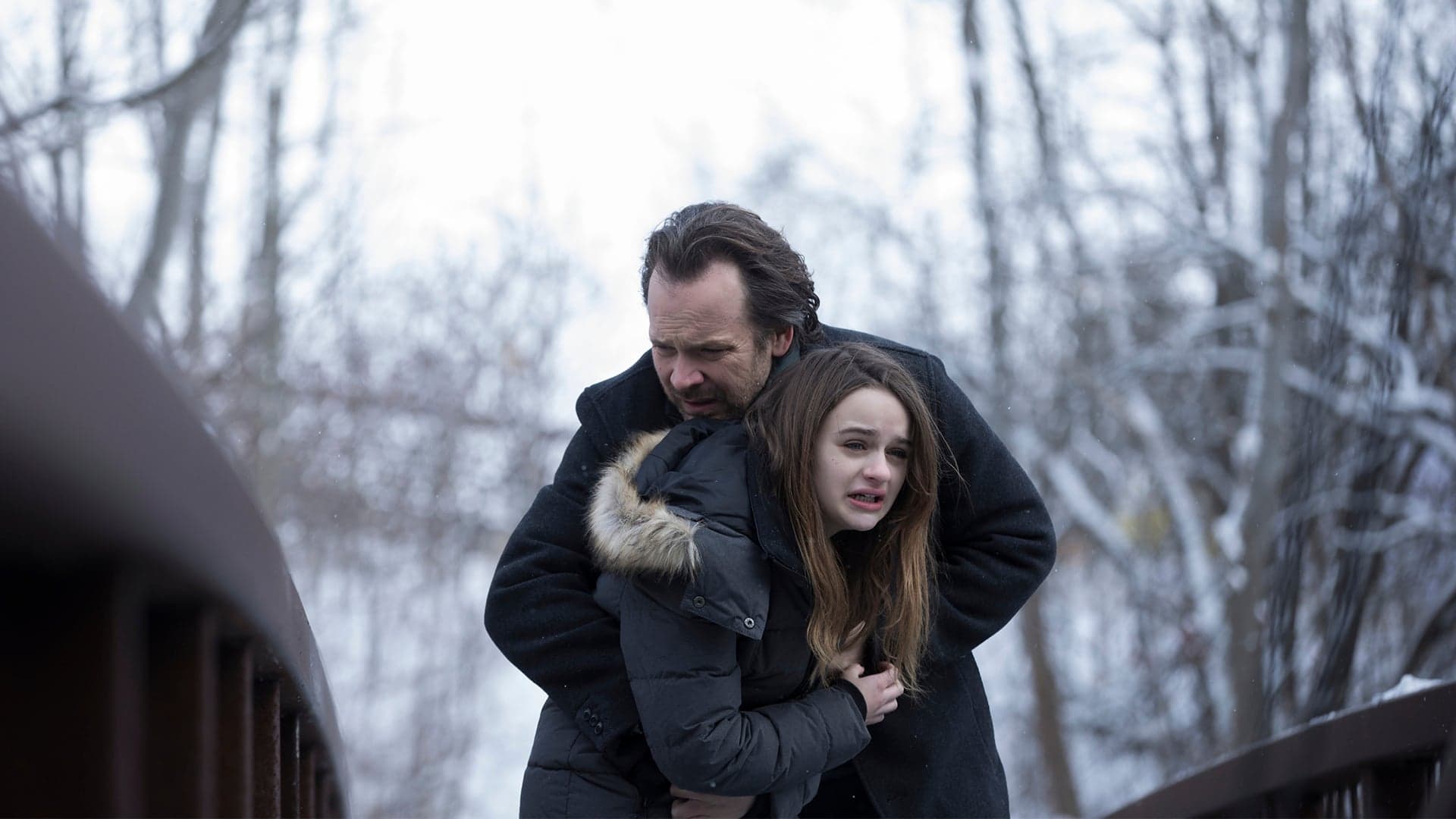
At the heart of Veena Sud’s film is the raw material for a potentially ingenious satirical domestic thriller.

The film ruminates on how virtuality infiltrates the deepest regions of our subconscious to reprogram the inner workings of the self.
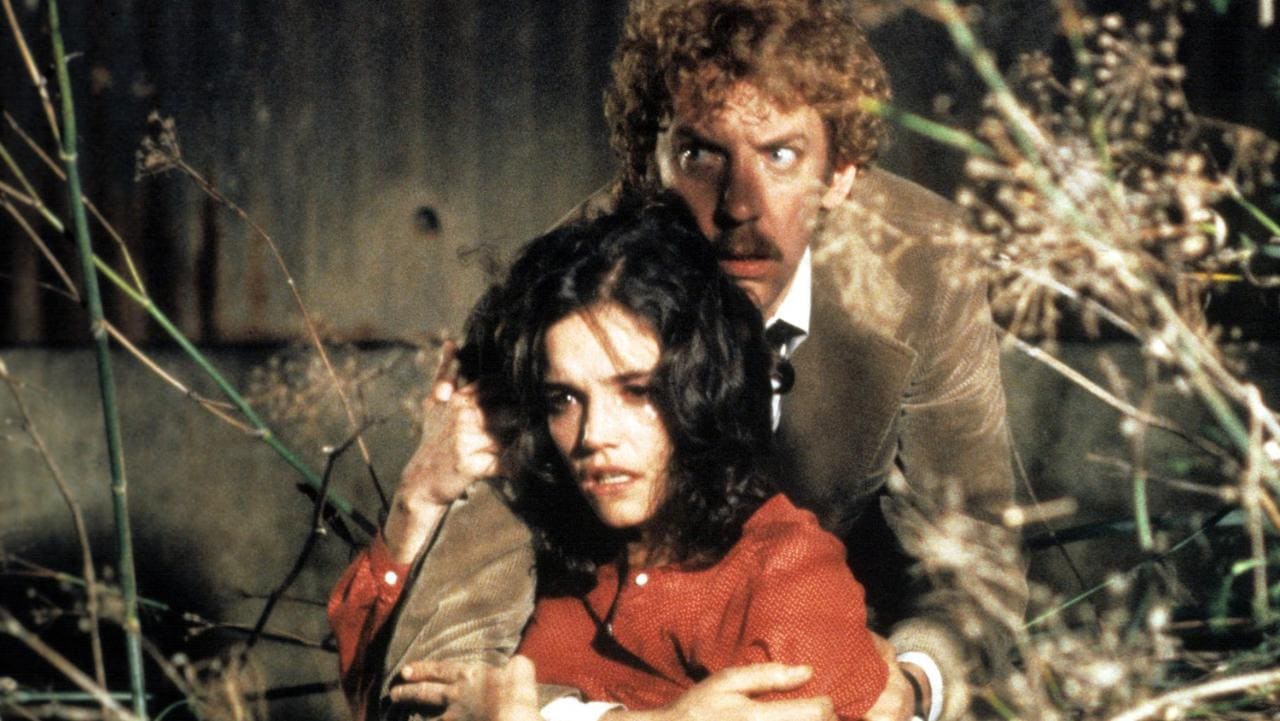
In the ’70s, a new wave of horror film presented terror as a messy, brutally honest implosion from within.

Johnson discusses how the omnipresence of cameras is adjusting our relationship to the concept of memory.

Heidi Ewing’s tale of immigration and deportation afflicting the lives of a Mexican gay couple flashes its reason for being at every turn.

Orson Welles and Dennis Hopper both understand that cinema’s inherent fakeness is the wellspring of its importance and its danger.

This double helix of a biopic offers a twisty chronology and a slate of perspective-shifting surprises.

Because its focus is so split, the film lacks the pervasive sense of danger one expects from a spy thriller.
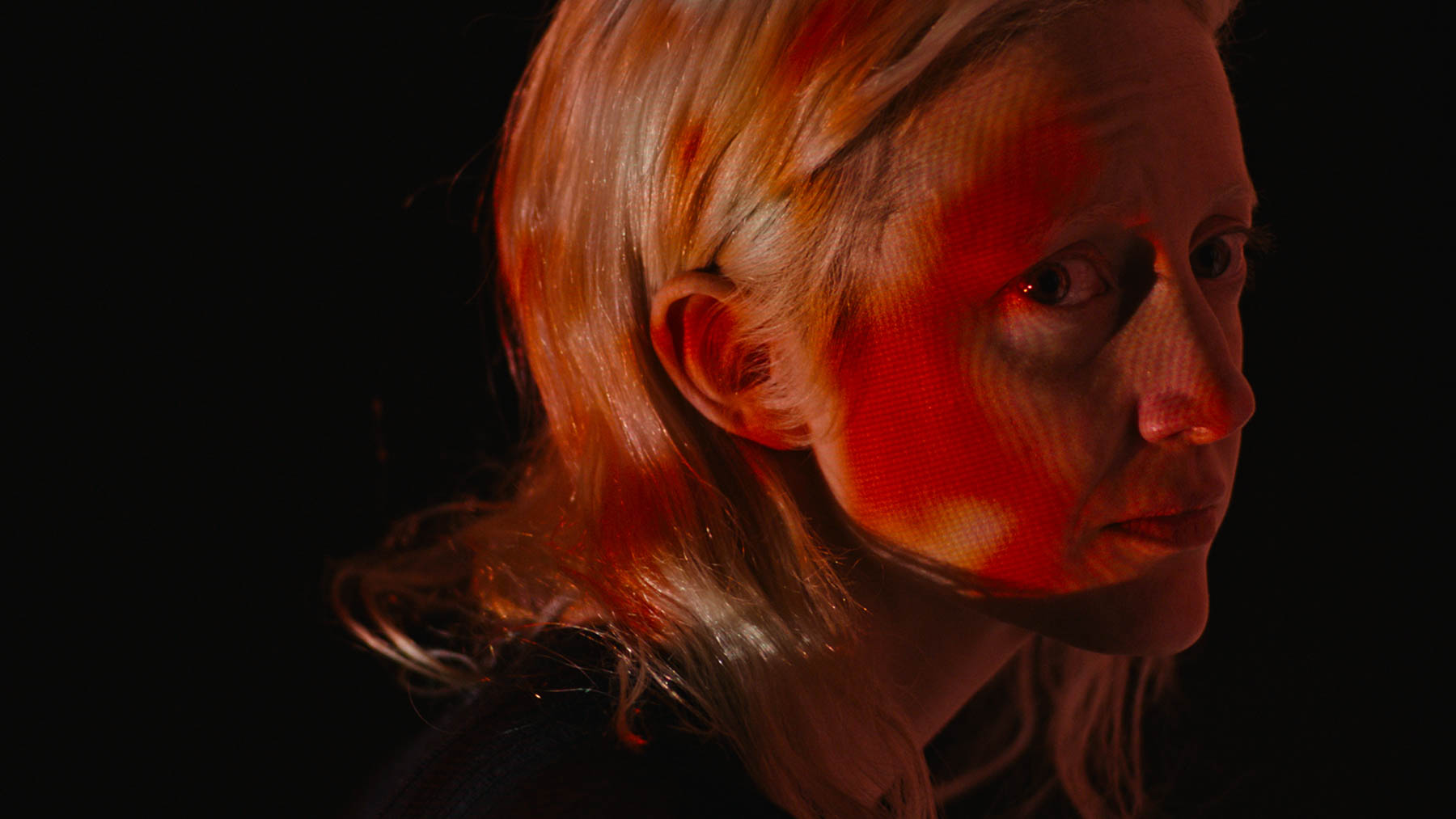
Brandon Cronenberg’s film is obsessed with tensions between mind and body and old and new technologies.

Dick Johnson Is Dead isn’t a biography of Kirsten Johnson’s father, but rather a reflective self-portrait of the filmmaker herself.

The film fails to use its millennial characters to investigate contemporary attitudes about the possibility of world annihilation.

Sebastian Junger and Nick Quested’s prismatic look at a devastating new chapter in the War on Drugs lacks for cohesiveness.
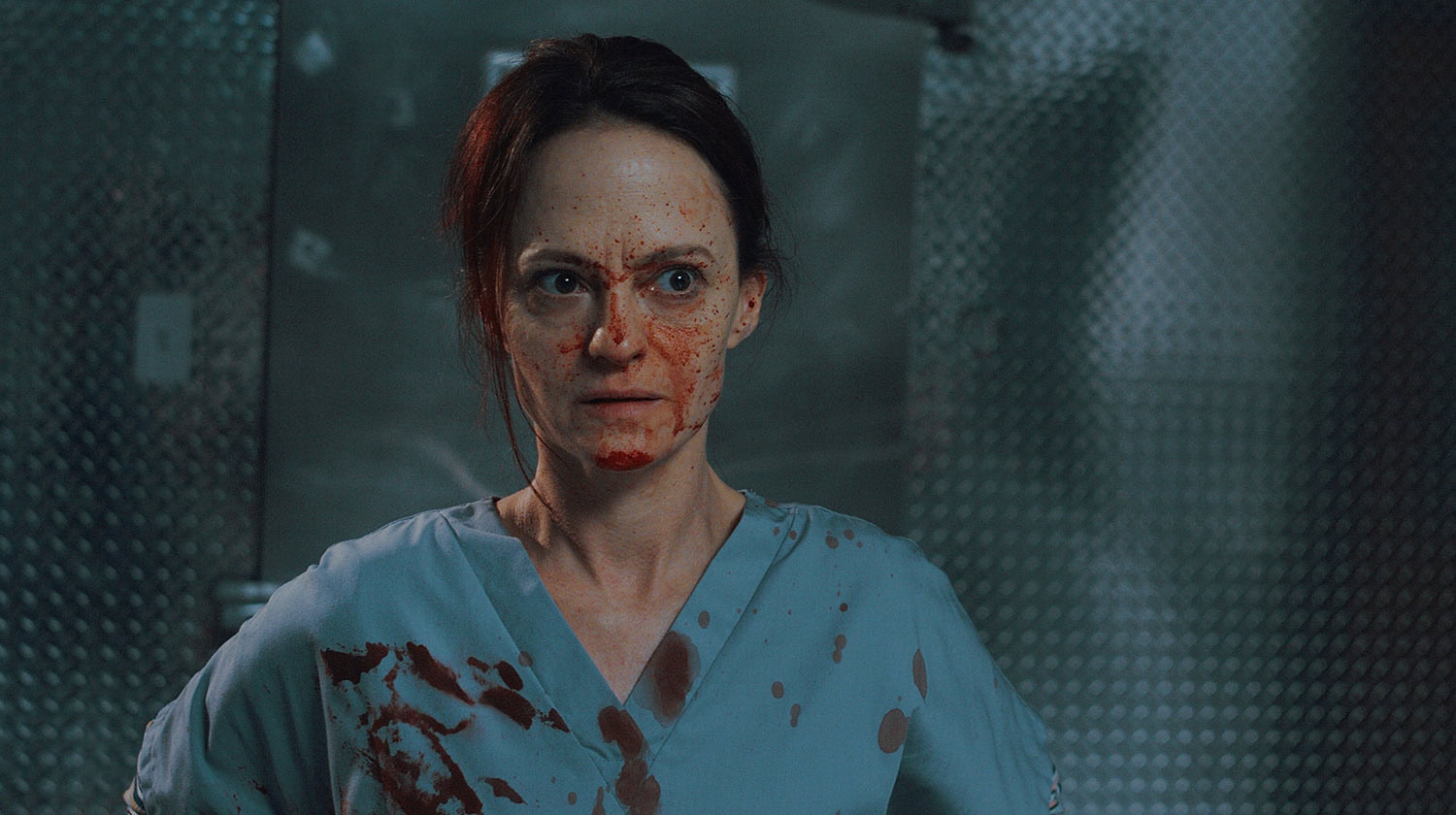
Its revolving-door atmosphere papers over some iffy acting, baggy dialogue, and more than a few minutes of wasted real estate.

This new Boys in the Band is a Matryoshka doll of period piecery, a flashback of a flashback of a flashback.

It pulses with relevancy in a time when debates over authoritarianism, protests, and the necessity of radicalism are convulsing America.
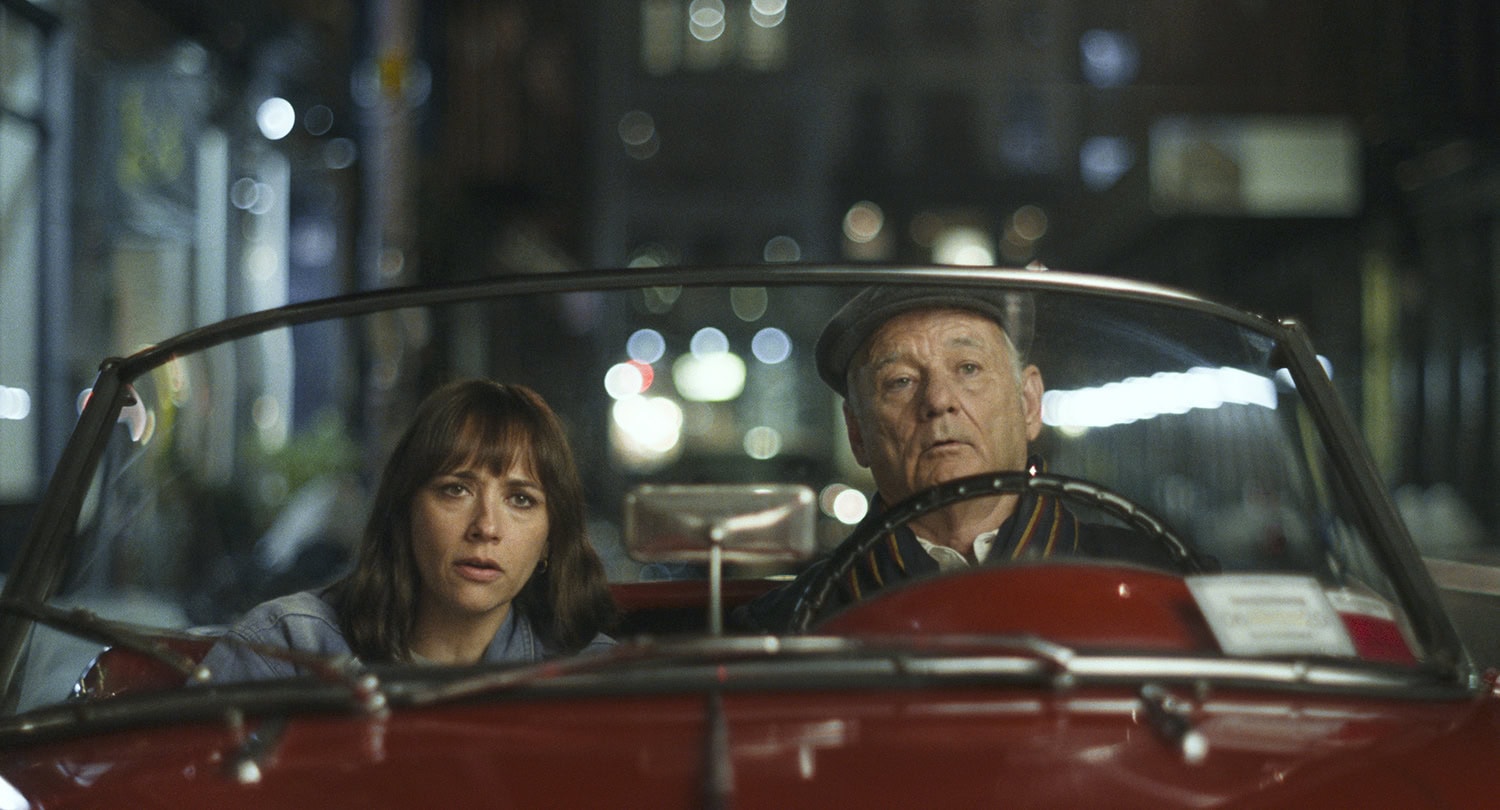
Sofia Coppola captures how our idealized, movie-fed ideas of “night life” reflect our longing for adventure as well as our loneliness.