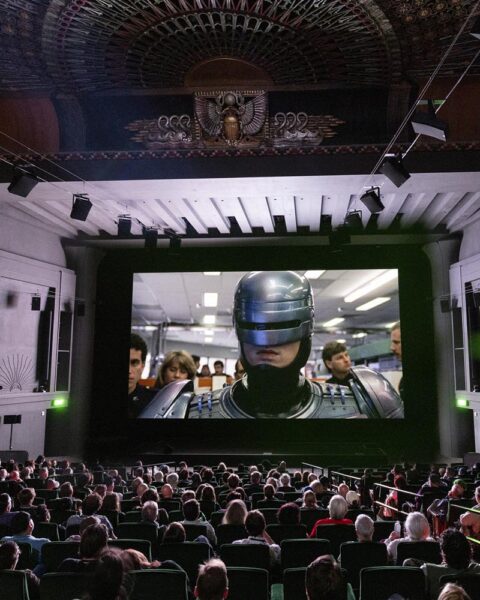
This year brought 18 features and seven shorts, all presented with live musical accompaniment.
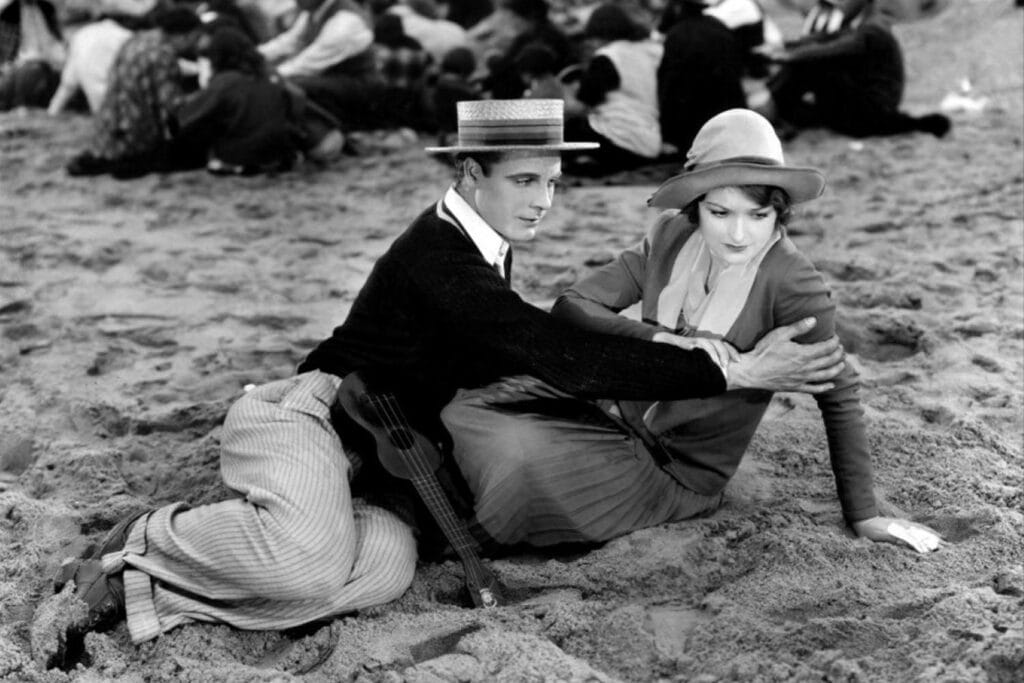

This year brought 18 features and seven shorts, all presented with live musical accompaniment.
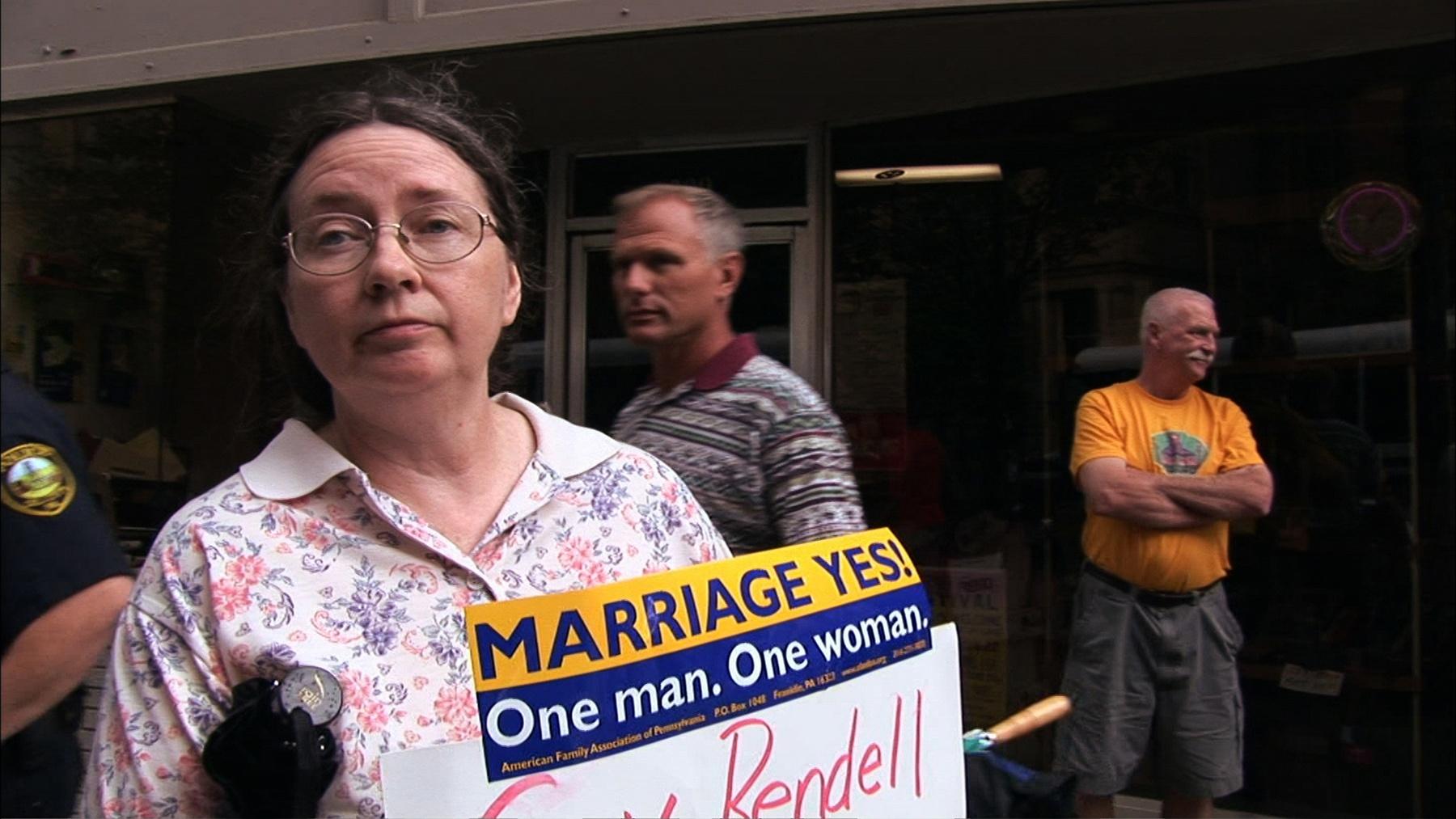
The film is a report from the middle-American front of the battle for LGBT citizens to lead uncloseted lives.
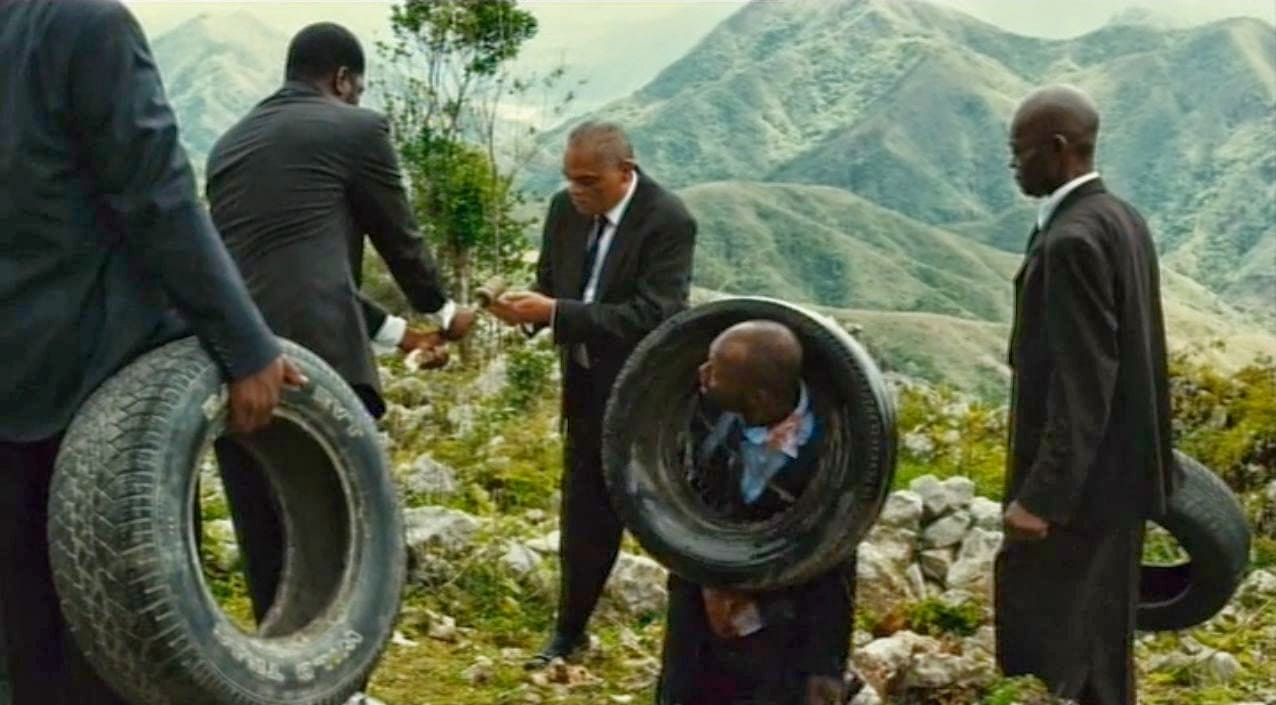
By a certain point, Raoul Peck’s Shakespearean grandeur turns to shrugging ludicrousness.

It feels obnoxiously privileged to mock a movie haunted by the ghosts of so many real people.

Long after the film’s smart, case-specific rallying cries dissipate, we may find that its structure subtly raises perennial questions about justice.

The film is a portrait of the core of a nation in possibly permanent exile.
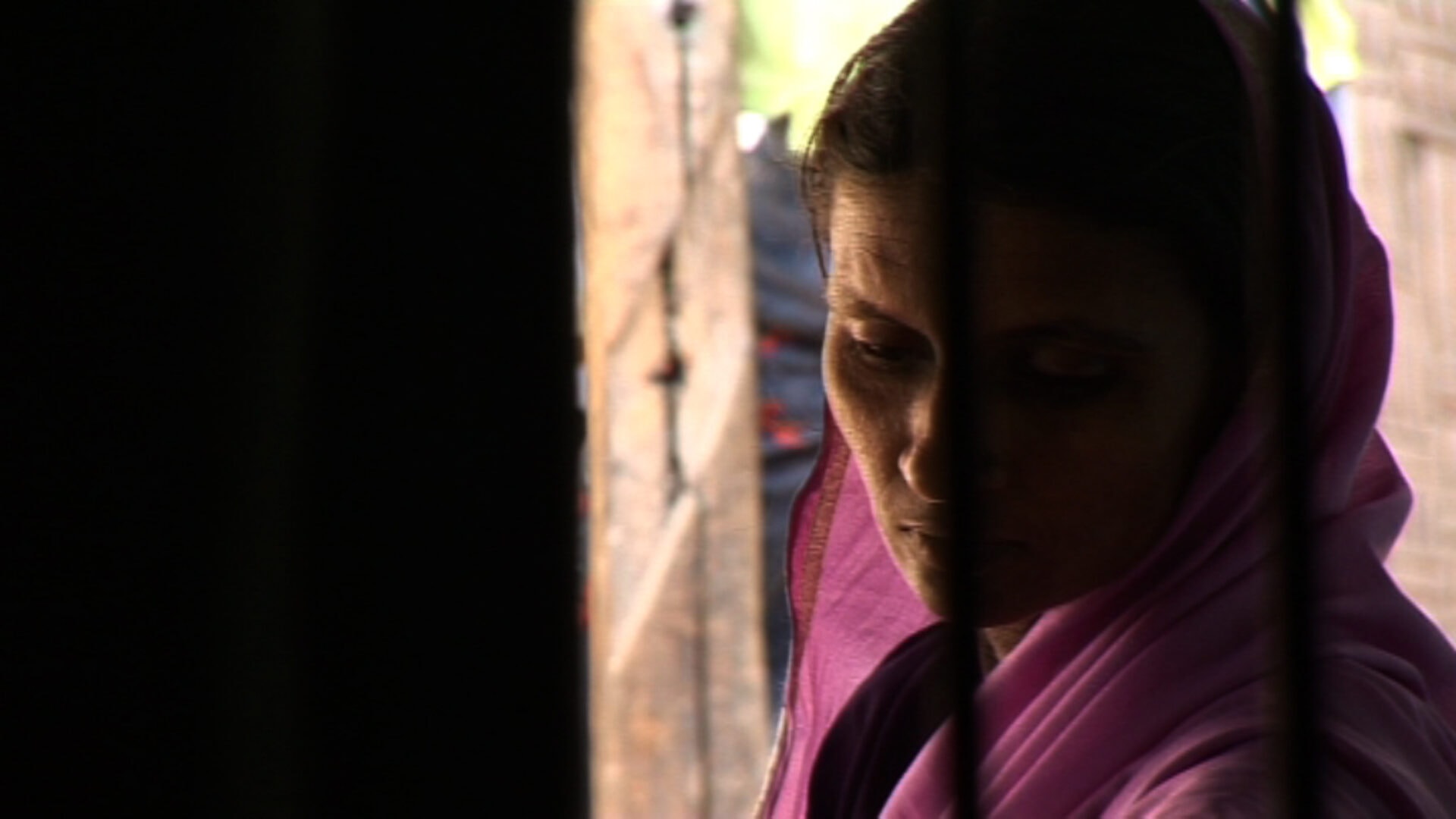
The film is a sharp, damning cry against societal indifference to the increasingly dire circumstances of India’s farmers.

Carol Dysinger’s documentary is clear-eyed and ultimately mournful.

How does a nation cope when a civil war? How does it heal?
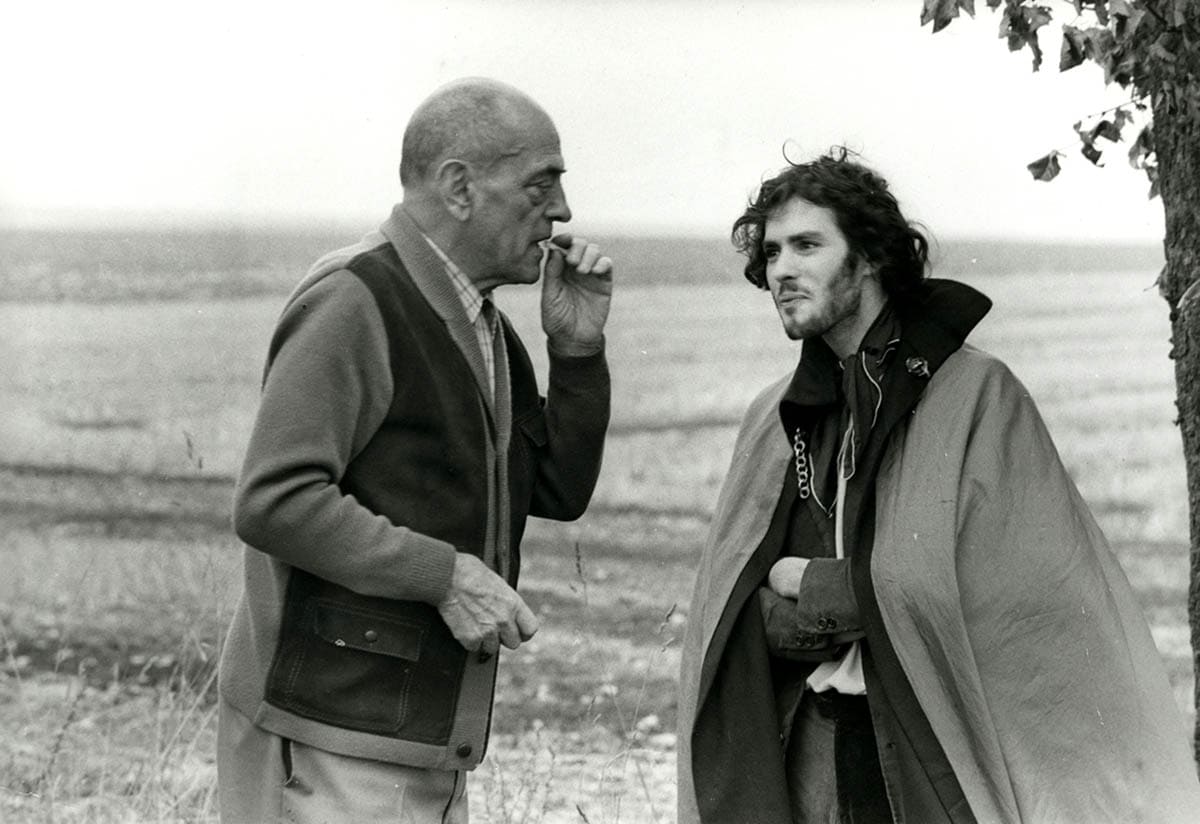
Clémenti’s cinema resists easy comprehension in much the same way its maker resisted society.

Mostly we just listen, to people on both sides of the divide and to women who are caught in the middle.
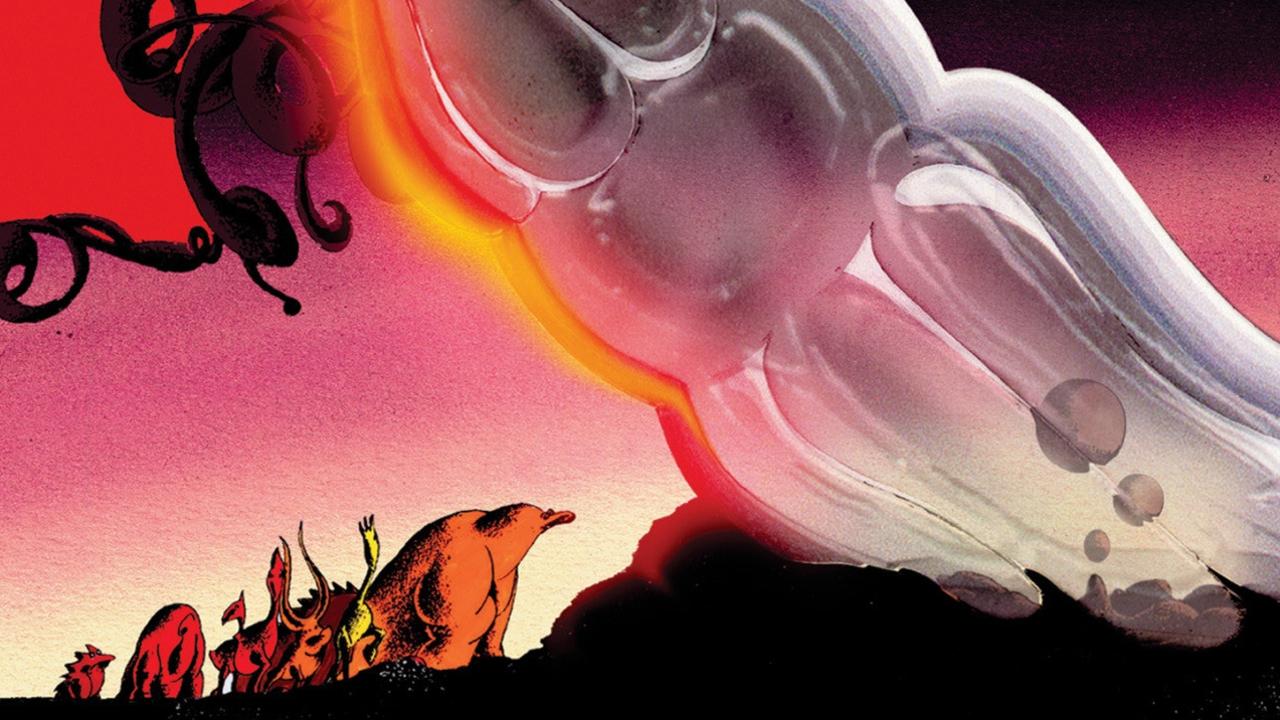
Bozzetto’s primary idiom is the animated short, and his métier is physical comedy.

Margherita Buy gives Francesca Comencini’s film its beating yet sunken heart.

Ten Winters captures a beautifully painful, reflective push and pull between two souls.

The film begins as a story of ramifications for wrongdoings but ends as a near-celebration in the name of doing whatever the heck you want.

One Life, Maybe Two presents the multiple paths a life takes based on the results of one diverging event.

Papaleo needn’t have diluted his musicians’ buoyant masculinity.

Gabriele Salvatores’s film lacks complexity and any real sense for reality.
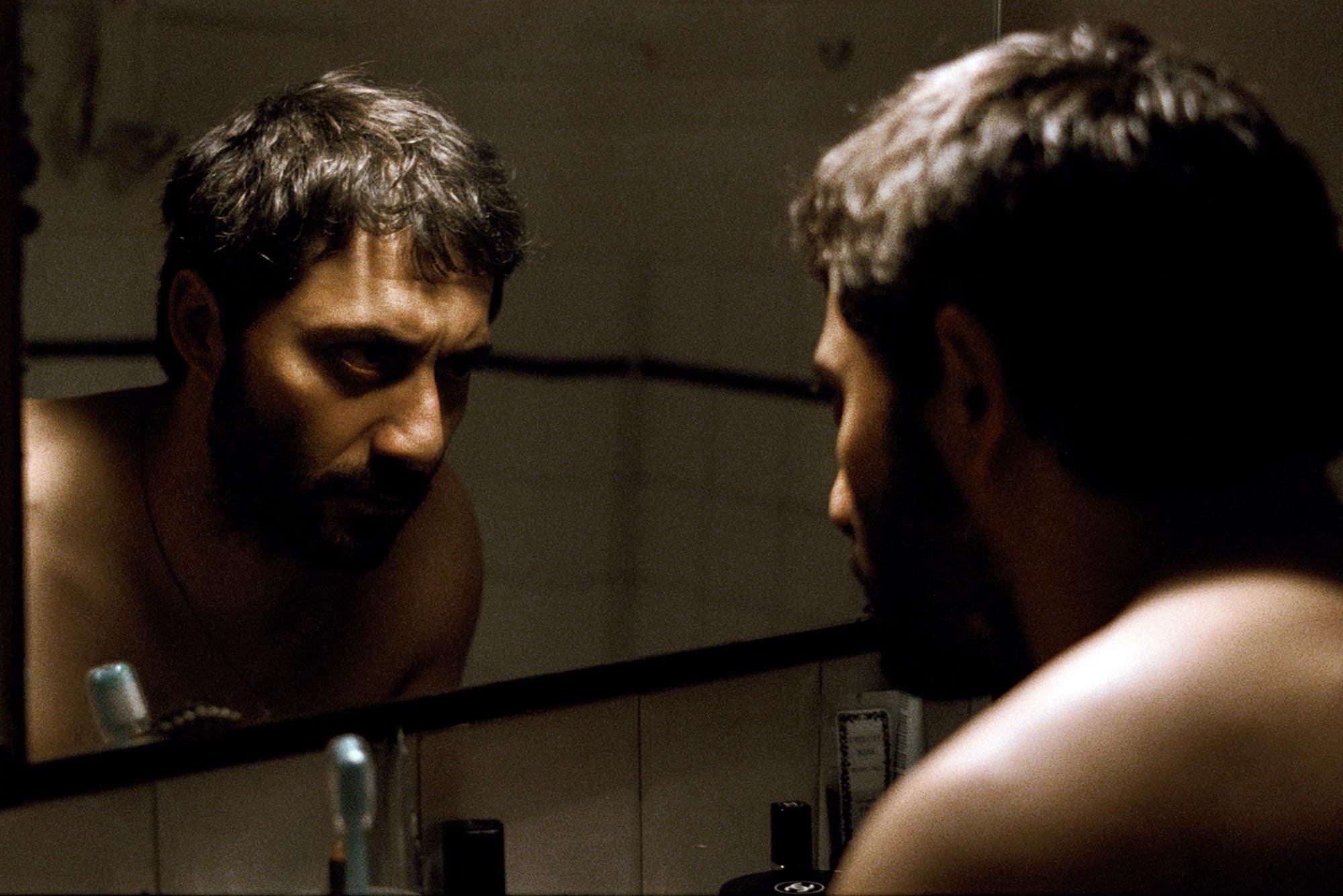
The Double Hour seems determined to vacuum every last empathetic crumb from its cheap surprises.
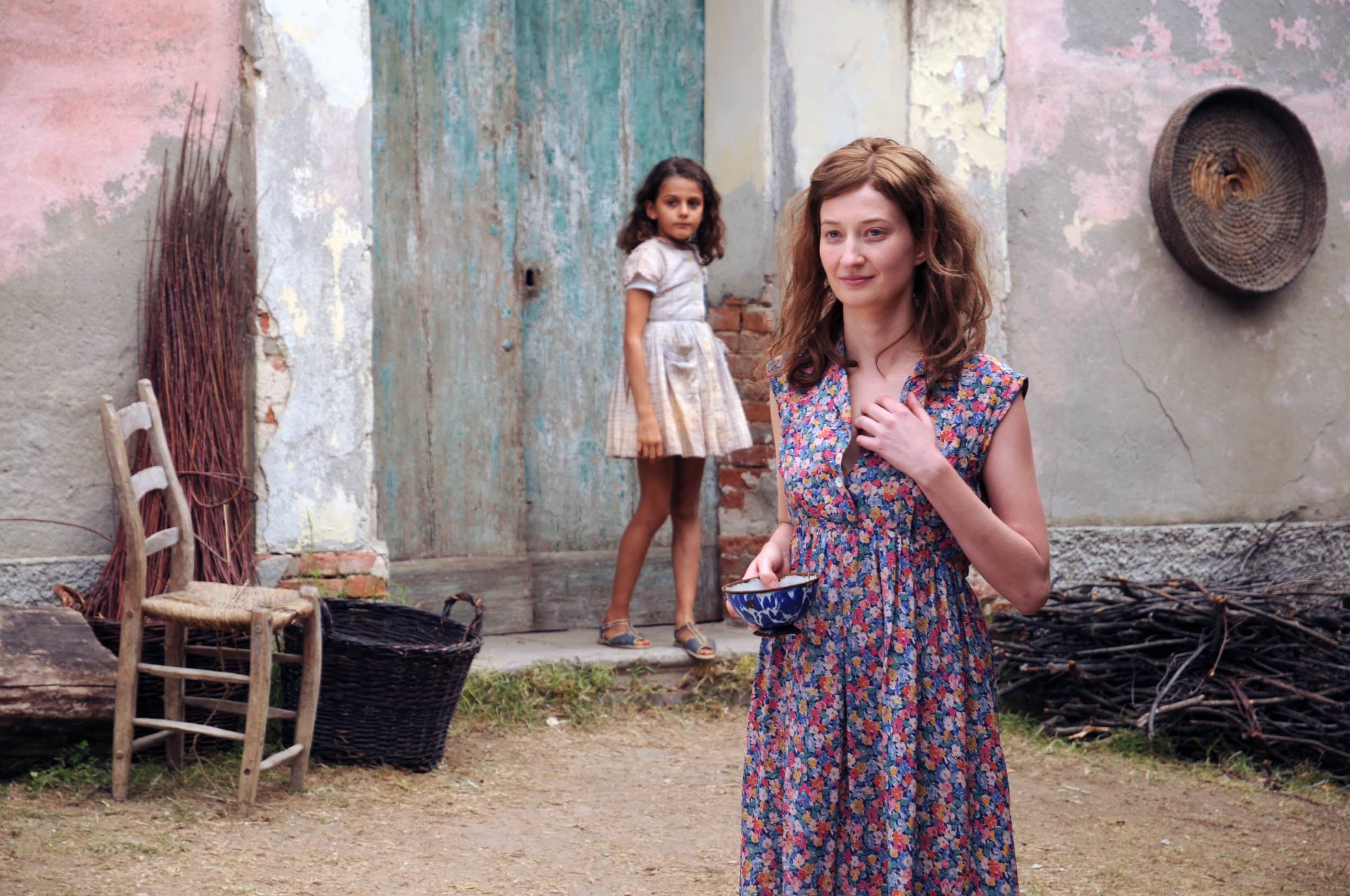
The film contemplates the gulf between a child’s dawn-fresh perception of the world and the horrors descended upon it by war.

If baseball is America’s pastime, then soccer is the world’s.