This album’s brief 10 tracks prove that Beck’s almost always more interesting when he’s not having fun.



Paul Schrodt is a freelance writer and editor living in Los Angeles and covering entertainment. He’s contributed to Esquire, GQ, Men’s Health, The Wall Street Journal, The Hollywood Reporter, Los Angeles magazine, and others.
This album’s brief 10 tracks prove that Beck’s almost always more interesting when he’s not having fun.

As a writer, Mike Myers still hasn’t figured out how to make characters who aren’t just funny variations of himself.

It’s not too long, though, before new-age Alanis kicks in again, with about four too many ballads.

Surfwise tries to separate itself from the fray of political documentaries by not taking itself too seriously.

As a celebration of Israel, Laura Bialis’s documentary about Russian Jews is bittersweet at best.
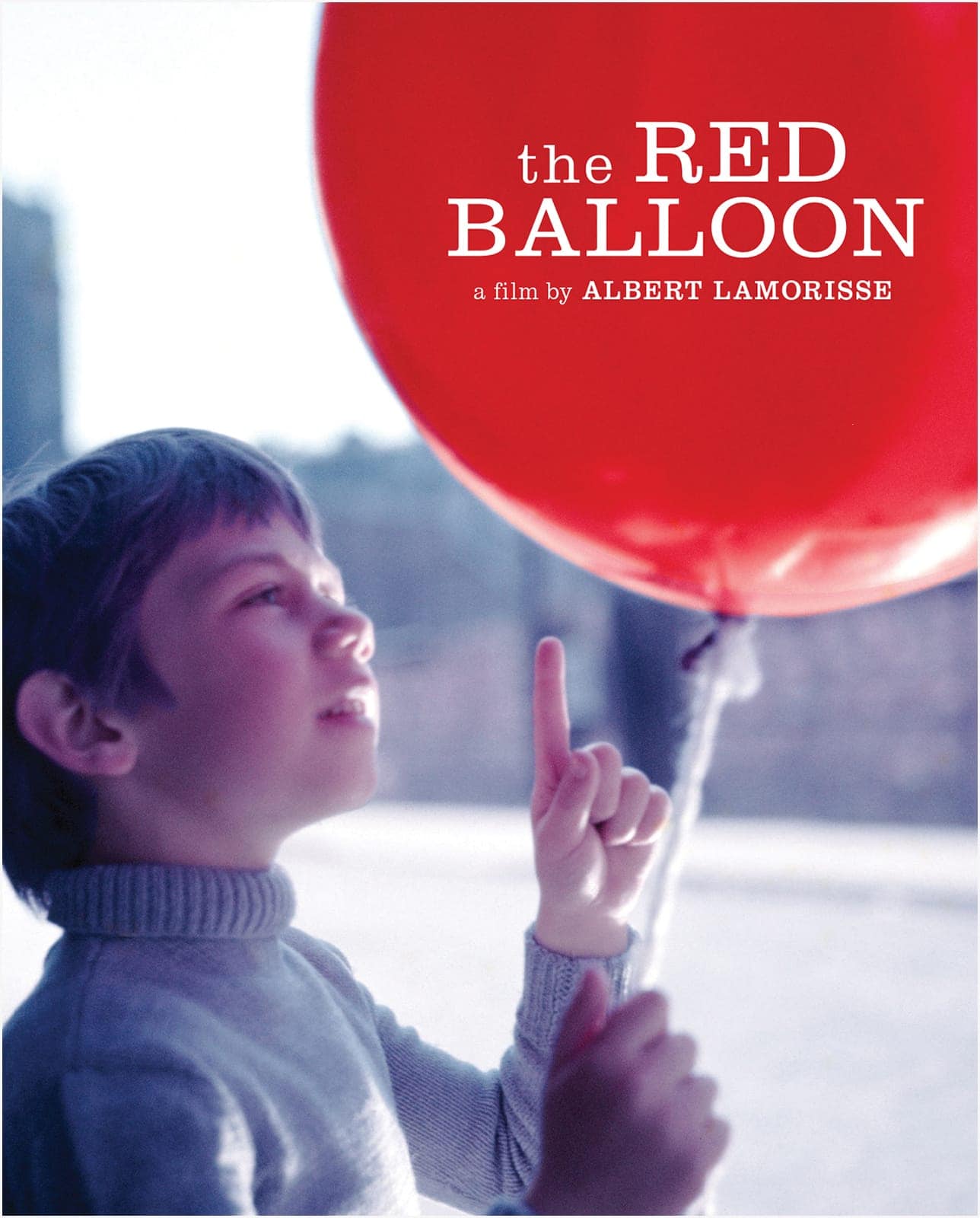
For a few more dollars, couldn’t Janus have packaged them together and clinched the deal for penny-saving soccer moms?

For Albert Lamorisse, the pleasures of childhood are as fleeting as they are ecstatic.

Even if Moon Safari isn’t exactly a challenging listen, it’s an endlessly gorgeous one.

The songs here may not have the skeezy authenticity of the Velvet Underground’s 7-minute opus “Heroin,” but they’re still unsettling.

Though they agitated authority, Public Enemy’s universal beats spoke to anyone and everyone with simple honesty.

Jellyfish won the Camera d’Or at last year’s Cannes Film Festival, and it’s not hard to see why.

“Mr. Jones” worked because you didn’t have to listen to Adam Duritz pretend to “rock out” for 56 minutes.

At a time when the indie world is furiously reviving ’60s pop, here’s a mainstream act trying to stay ahead of the game.

It’s at the intersection of social roles that Fighting for Life becomes most insightful.

Even though it reaches for the mythical, the surprisingly drab-looking Bab’Aziz can’t help but feel earthbound.

Build a Ship, Sail to Sadness is a film every bit as cumbersome and trying as its title.

Like Charles Burnett’s Watts working men and women, Ilya Chaiken’s characters seem doomed by a future that’s at once personal and political.

Imaginary Witness is the most dispassionate account of the Holocaust in the last 20 years.

One look at Aaron Stanford’s chain-smoking, long-haired musician in a Hanes T-shirt and you know Flakes wants so badly to be hip.

To call Van Sant’s seminal film trashy or backward—or simply a “time capsule”—is to ignore the insights into gay life it still holds today.