The film is ostensibly about the war for the soul of a house, but it couldn’t feel less lived in.



Keith Watson is the proprietor of the Arkadin Cinema and Bar in St. Louis, Missouri.
The film is ostensibly about the war for the soul of a house, but it couldn’t feel less lived in.

This disc continues Criterion’s exceptional track record of reviving Harold Lloyd’s silent masterpieces.

Kino Lorber’s release marks the long-overdue arrival of Todd Haynes’s ravishing melodrama on Blu-ray.
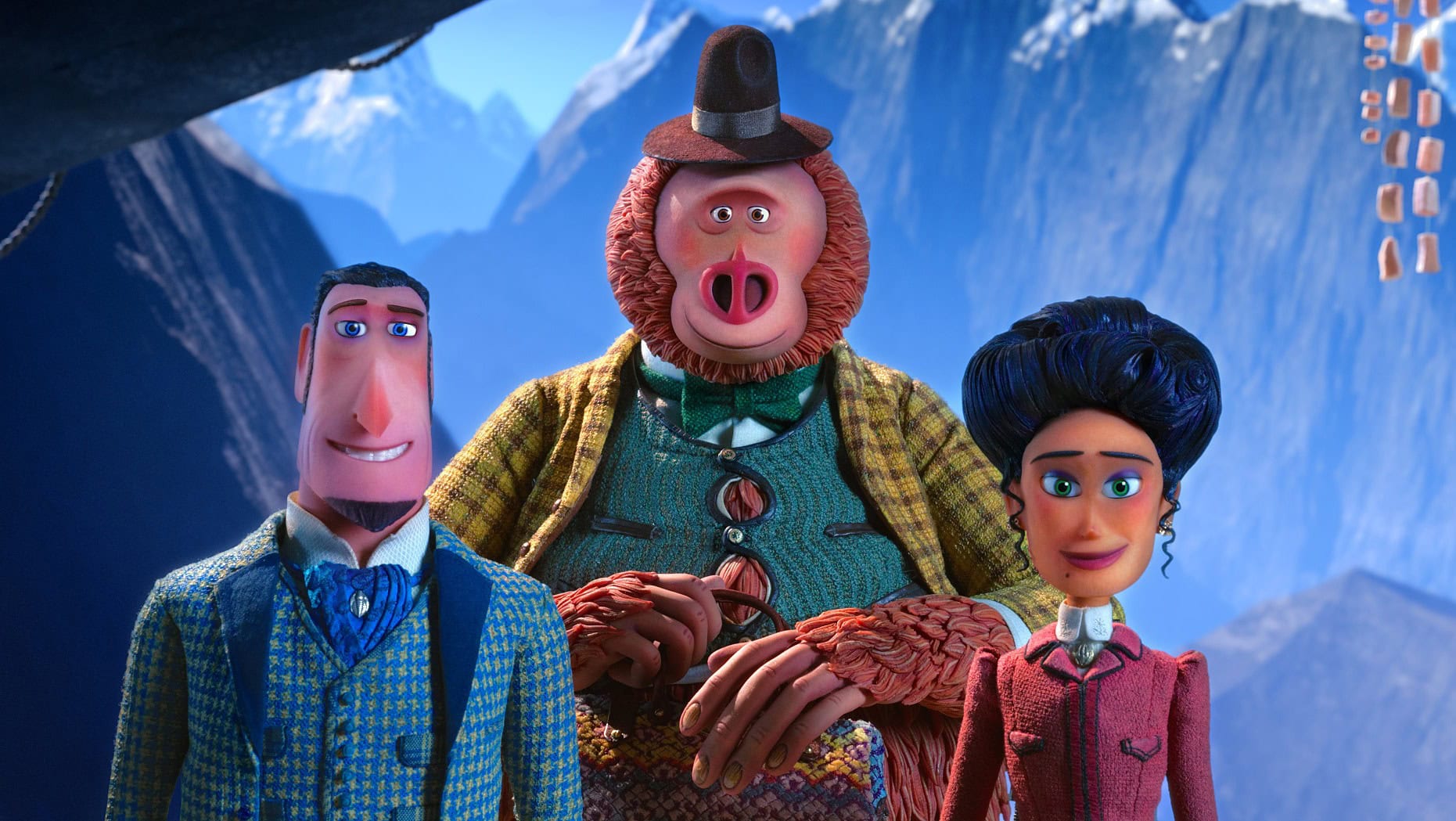
The humor in the film is more wry than gut-busting, but Chris Butler has developed some truly inventive comic characters.
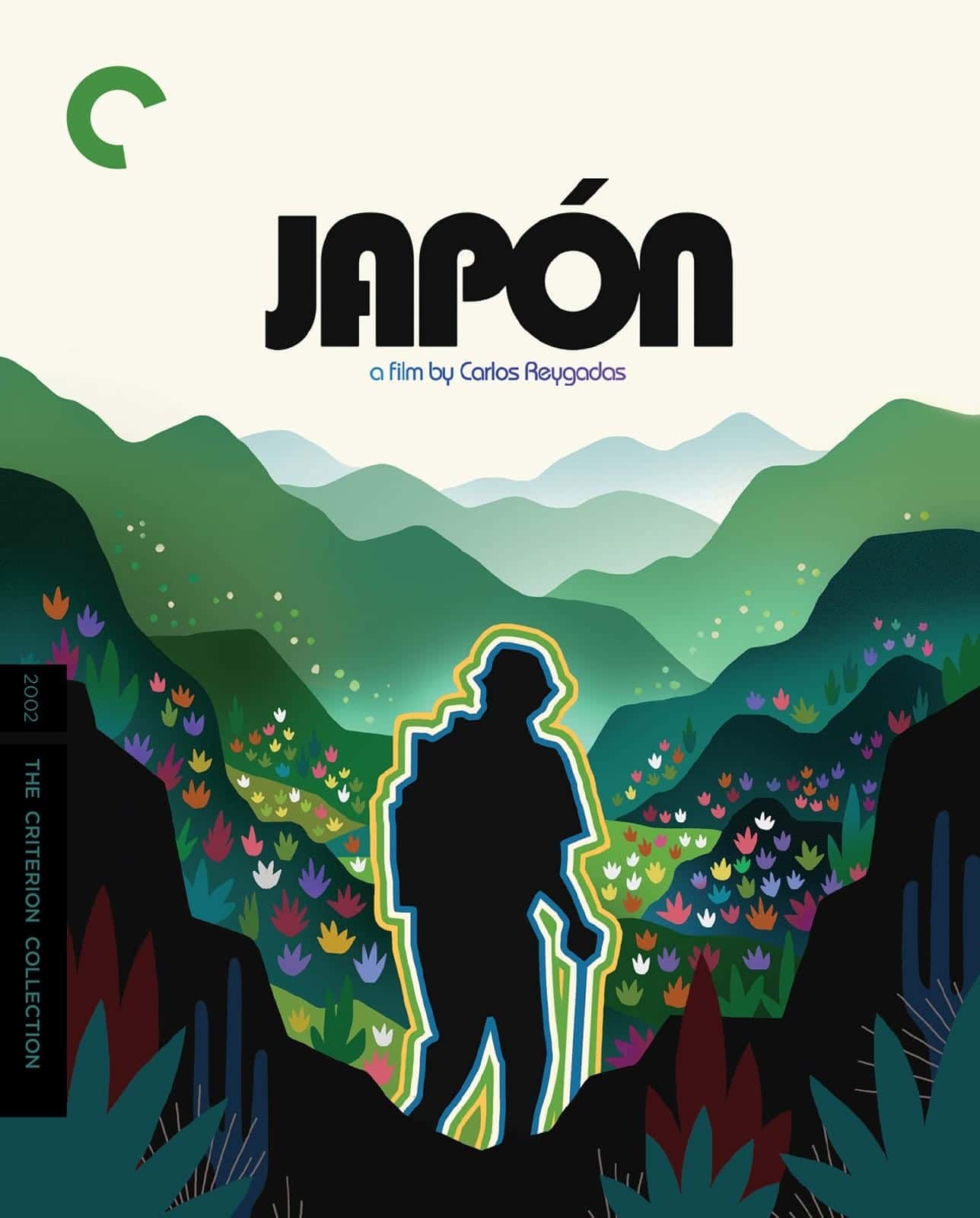
Criterion has graced us with an intoxicatingly beautiful release of a strange and challenging film.

The film packs as many tortured subplots and pre-chewed sociological insights as can possibly fit into a two-hour runtime.

Ljubomir Stefanov and Tamara Kotevska’s film reminds us that there’s indeed a better way to interact with our planet.

Tim Burton manages to put his stamp on this clunky behemoth of a film, but in the end, the Mouse always wins.

Carol Morley’s film wants to blow our minds, but it succeeds only at rousing our boredom.

The film genuinely grapples with the question of how to live one’s life when death is always potentially just around the corner.

Its scenes wildly escalate to a fever pitch at the drop of a hat, before then ending, more often than not, with abrupt violence.
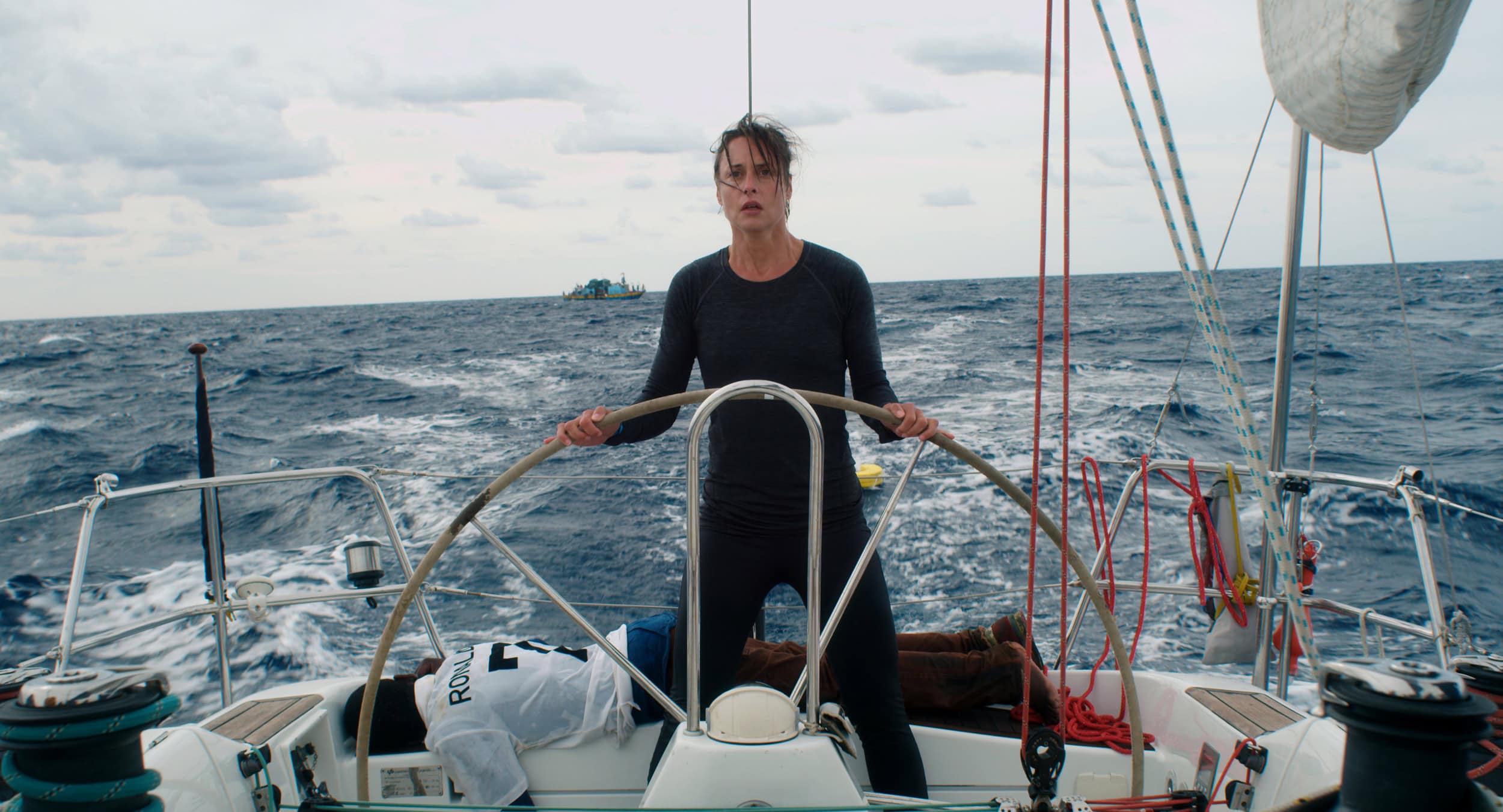
The film is a penetrating an indictment of the bureaucratic obstacles placed in front of refugees.

This edition boasts a strong collection of extras, but that can’t make up for the 4K scan’s imperfections.

If, in the end, the film’s narrative fails to cohere, the journey getting there is at least enjoyably swift-paced.

Sergei Bondarchuk often seems to be attempting to synthesize the entire history of epic historical filmmaking into a single work.

If the music is beside the point, why are we supposed to care about the people who made it?

Stephen McCallum’s relentlessly grim drama is completely lacking in wit and genre thrills.

If the film ultimately seems to question Carol’s courage, there’s at least no doubt about Ida Lupino’s own.

Only in the bittersweet final passages does Franz Osten achieve a few moments of genuinely moving melodrama.

As a filmmaker, Landais is trying to run before he’s even figured out how to walk.