Ryan Ross’s Wheeler is at its strongest as a showcase for Stephen Dorff’s husky, lived-in performance.



Keith Watson is the proprietor of the Arkadin Cinema and Bar in St. Louis, Missouri.
Ryan Ross’s Wheeler is at its strongest as a showcase for Stephen Dorff’s husky, lived-in performance.

Lasse Hallström’s gooey film exists only to offer comforting reassurances about dogs’ natural servility.

The film may be too preposterous to take seriously, but at least Aram Rappaport trains his sights on the right enemies.

The film attempts a tone of tragic understatement that registers instead as flat, plodding, and underfelt.

This is cinema’s most comprehensive look at the gruesome business of necropsy since The Act of Seeing with One’s Own Eyes.

While it offers ample opportunity to admire Benson’s body of work, it provides few aesthetic delights of its own.

The screenplay quickly loses this moral clarity as the plot twists pile up and the power balances shift.
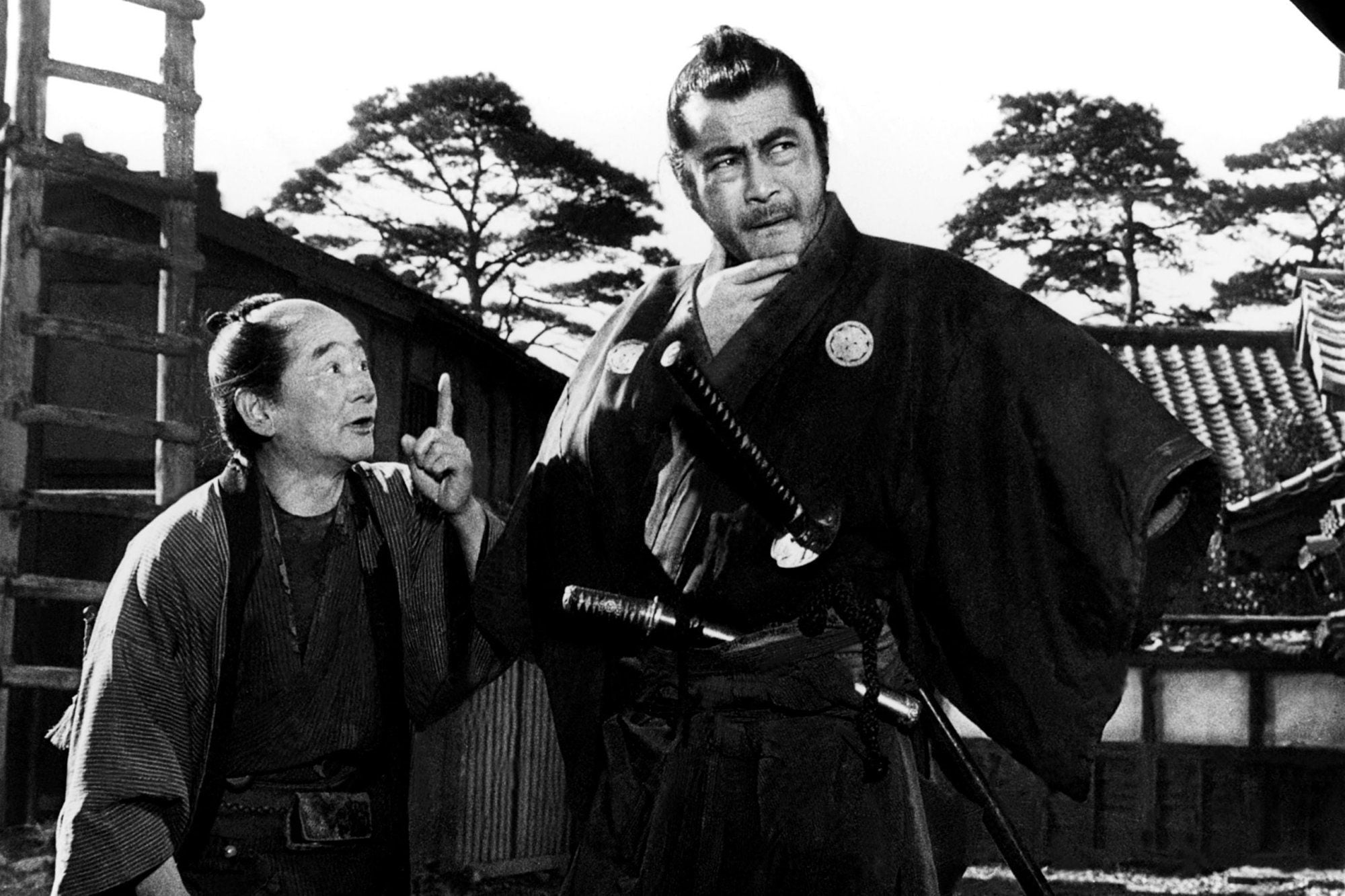
In many ways, Toshirô Mifune the man remains just as mysterious after watching the film as he was before.

For a film about such a singular profession, it offers surprisingly little insight into linemen’s day-to-day labor.

For a film so interested in the public’s malleability, The Take isn’t particularly good at controlling its own audience.

David E. Talbert’s film is most affecting in its simpler moments, particularly those revolving around food.

Slacker that it is, the film never seems willing to put in the necessary work to live up to its potential.

It’s a flashy, pre-fab product, but the animators are given enough space to create moments of genuine artistry.

It feels like Sheldon Wilson tossed a bunch of third-hand scares in a blender and set it to puree, resulting in a gray, flavorless sludge.
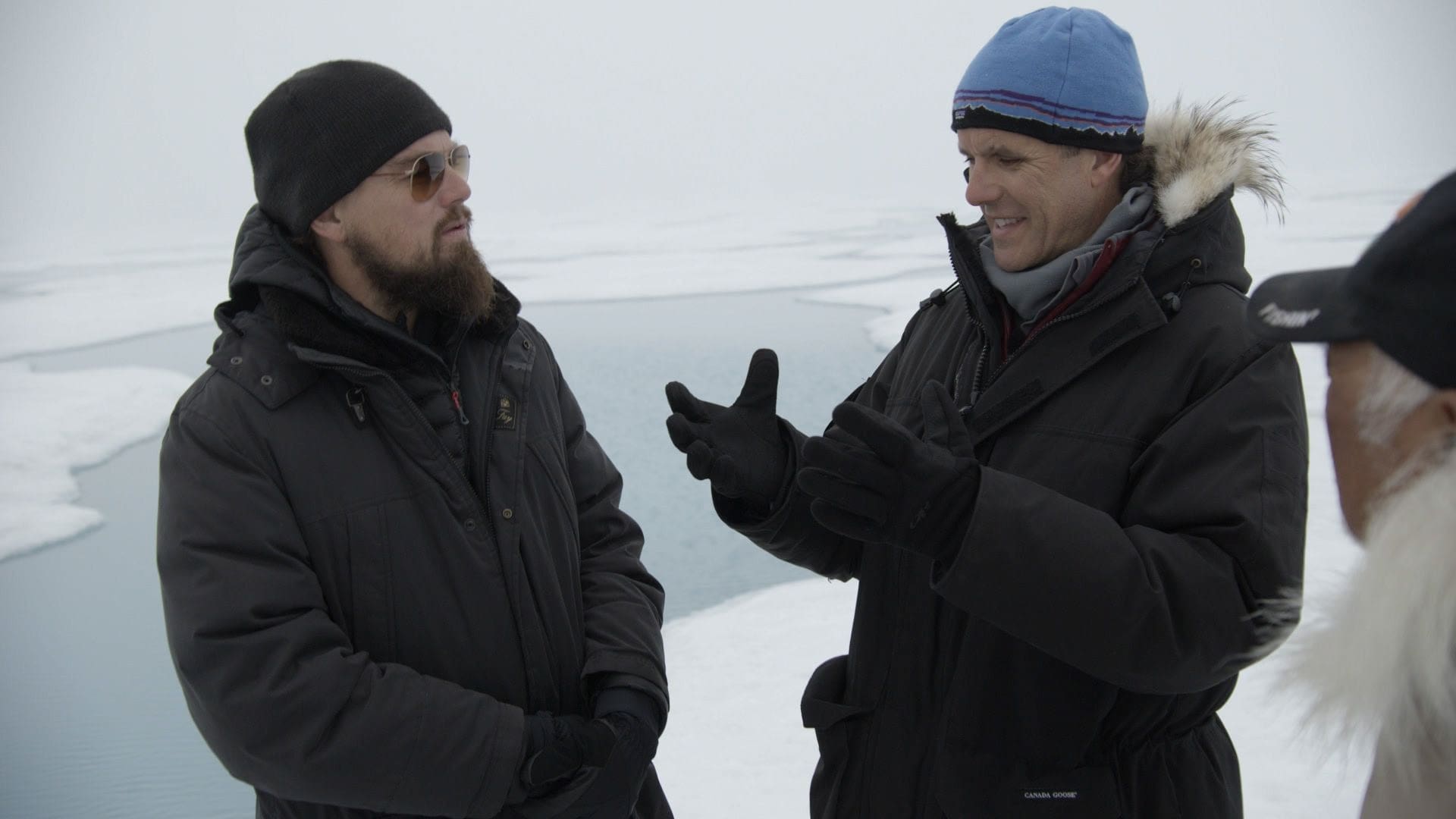
The film’s focus on elite solutionism effectively erases the role of popular agitation in formulating social change.

The film veers almost at random from ghost story to family drama to erotic thriller to black comedy.

Unimaginatively directed and indifferently shot, the film never establishes a distinctive voice for itself.

The film evinces a clear-eyed sense of the limits that a capitalistic society places on its working class.

Even if Long Way North’s narrative makes for a bland frame, there’s no denying the beauty of the picture it holds.

It’s emotionally manipulative, but its leads find a core of humanity even in the most calculating plot machinations.