It’s not the past’s ugliness that terrifies us in Cimino’s film, but its far more intimidating immensity.



Joseph Jon Lanthier is the director of What Should I Put in My Coffee? His writing has also appeared in Bright Lights Film Journal.
It’s not the past’s ugliness that terrifies us in Cimino’s film, but its far more intimidating immensity.
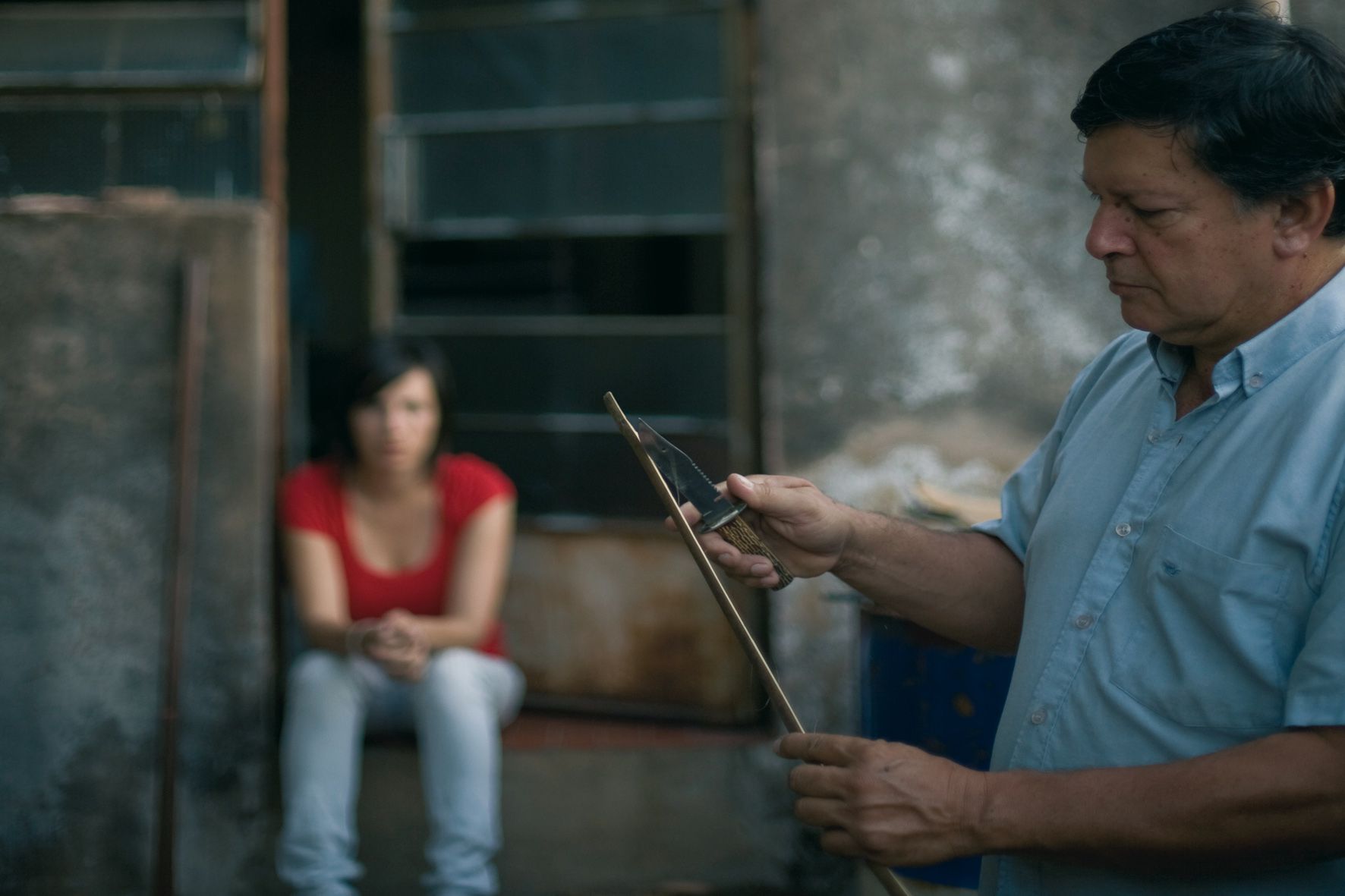
108 gradually simplifies into an elaborate seesaw between general, journalistic scoopery and unabashedly personal confrontation.

Maybe the best non-Ealing Brit comedy ever made, the film has unfortunately received a Blu-ray treatment of which the serious cinephile can’t quite approve.

Criterion’s Ministry of Fear Blu-ray takes the cake—then blows it up, then goes hunting for its sweetly iced fragments.
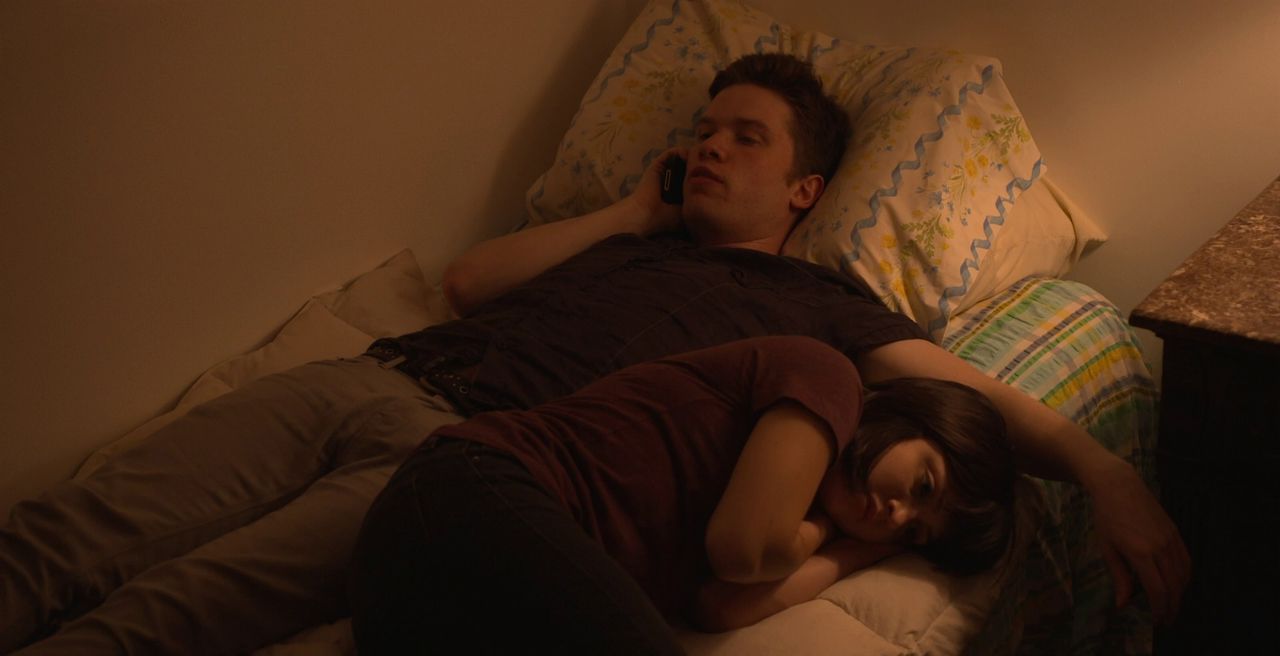
Dan Sallitt’s fourth feature moves with confident boldness from the incestuous gauntlet its prologue impishly hurls down.
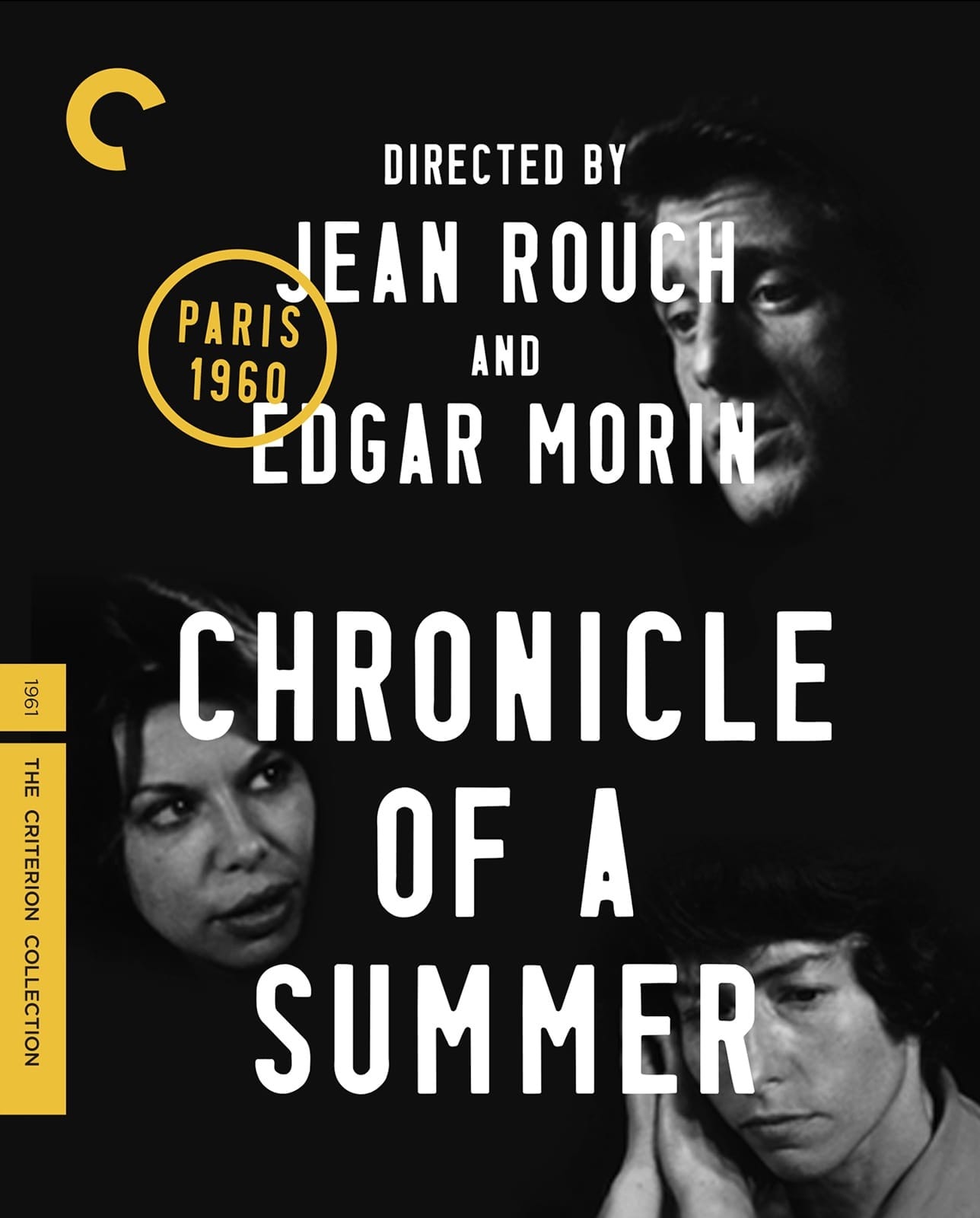
That we feel the camera’s presence so resolutely gives the film an intermittently academic tone.
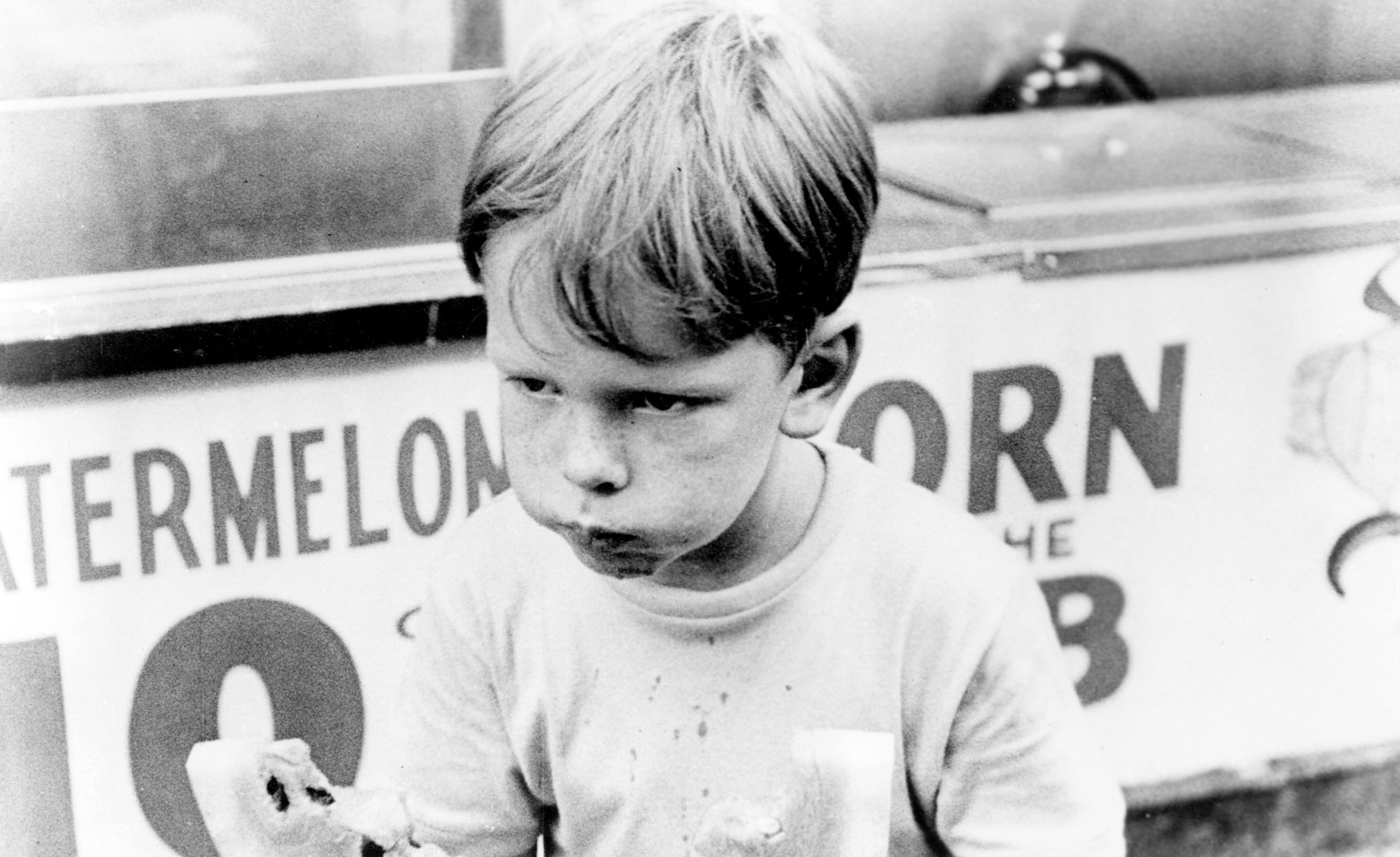
The not-to-be-underestimated singularity of Little Fugitive is such that its legacy nearly contradicts its nature.

The mimetic ambiguities upon which Massadian’s film teeters are grossly evident in its sure-to-irk opening sequence.

It’s in the Bag! hilariously proves that Fred Allen likely held film in similar esteem as TV.

In high-definition, Hitch’s original The Man Who Knew Too Much is the epitome of film class in both senses.

The characters’ aimless, gear-head addictions define the joyless but dutiful—almost Catholic—tone throughout.

Black Narcissus impishly keeps watch over the Archers’ canon with a sunken, rabidly prismatic eye.

The film’s pictorial tone is one of asphalt-crunching, dawn-breaking, icicle-defrosting meditativeness.

Sinatra has the force of a president-killing adverb in Suddenly, a philosophical thriller made all the tighter by this high-def transfer.

Chris Sullivan’s film is an immersive and artfully repulsive study in what might be called “Appalachian gothic.”
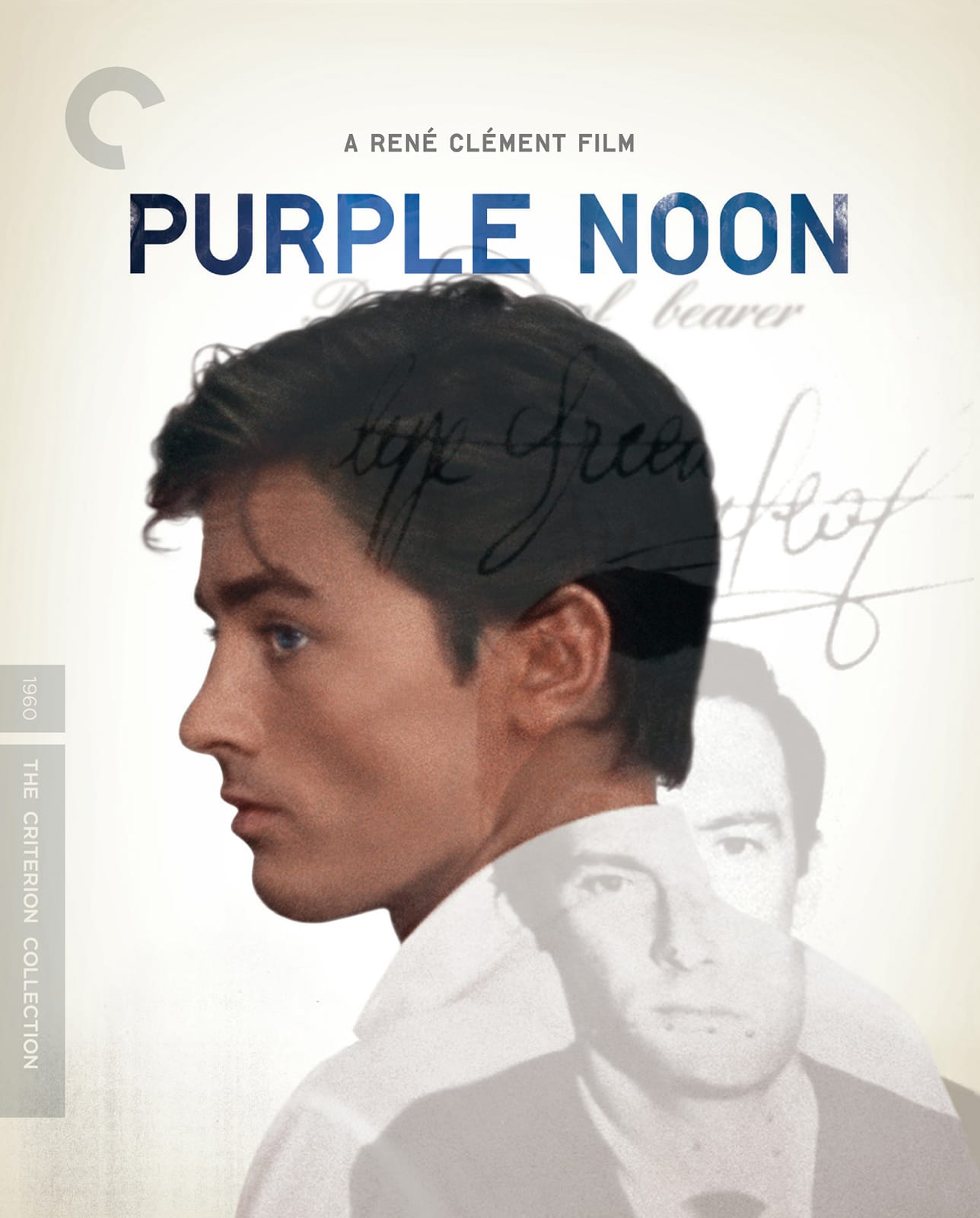
Purple Noon is a French macaroon full of arsenic, and all the more tempting in Criterion’s 1080p transfer.

Even when Wagner & Me seems uneven as an art historical study, it’s fairly successful as a travelogue.

With Criterion’s Blu-ray release of Heaven’s Gate, late New Hollywood’s most famous hot mess gets a little bit hotter.

An uncommon example of purely allegorical cinema, Paul Fraser’s My Brothers foregoes plot almost entirely in favor of thematic resonance.

Pasolini’s trilogy still provides a great way to both look smart and look at naked bodies.