Del Toro’s most thematically ambitious fantasy looks better than ever on Criterion’s Blu-ray.



Jake Cole’s work has appeared in Little White Lies, IndieWire, and elsewhere. He’s a member of the Atlanta Film Critics Circle and the Online Film Critics Society.
Del Toro’s most thematically ambitious fantasy looks better than ever on Criterion’s Blu-ray.

With Never Go Back, the Jack Reacher franchise is beginning to suggest NCIS remade on the big screen.

Ewan McGregor’s inert adaption smooths out the Philip Roth novel’s eruptions of self-loathing and doubt.

The Accountant unevenly juggles a “follow the money” procedural with a corporate espionage thriller.

Petra Epperlein’s personal ties to the subject matter provides the documentary with a necessary anchor point.

Olive kicks off its Signature line in style with an essential update of one of their early Blu-rays.
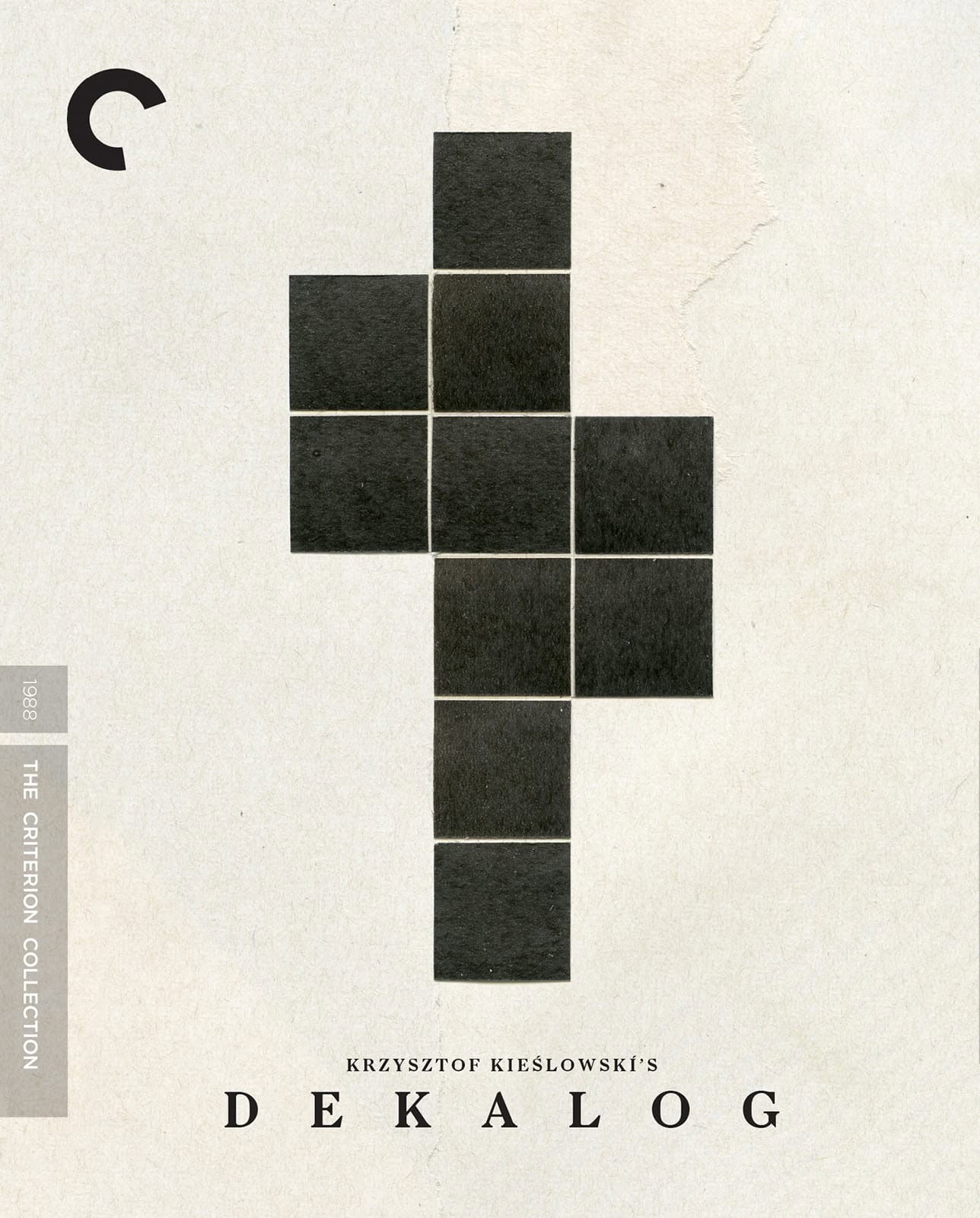
The 4K-mastered set of Kieślowski’s metaphysically oriented miniseries is Criterion’s release of the year.

Paterson’s sunny aesthetic and disposition marks a stylistic departure for Jim Jarmusch.

The film explores the extent to which Olivier Assayas’s characters have always found, and lost, their identities.

It pulls back from the effectiveness of its macro view of hell on earth to focus narrowly on Mike Williams’s heroism.
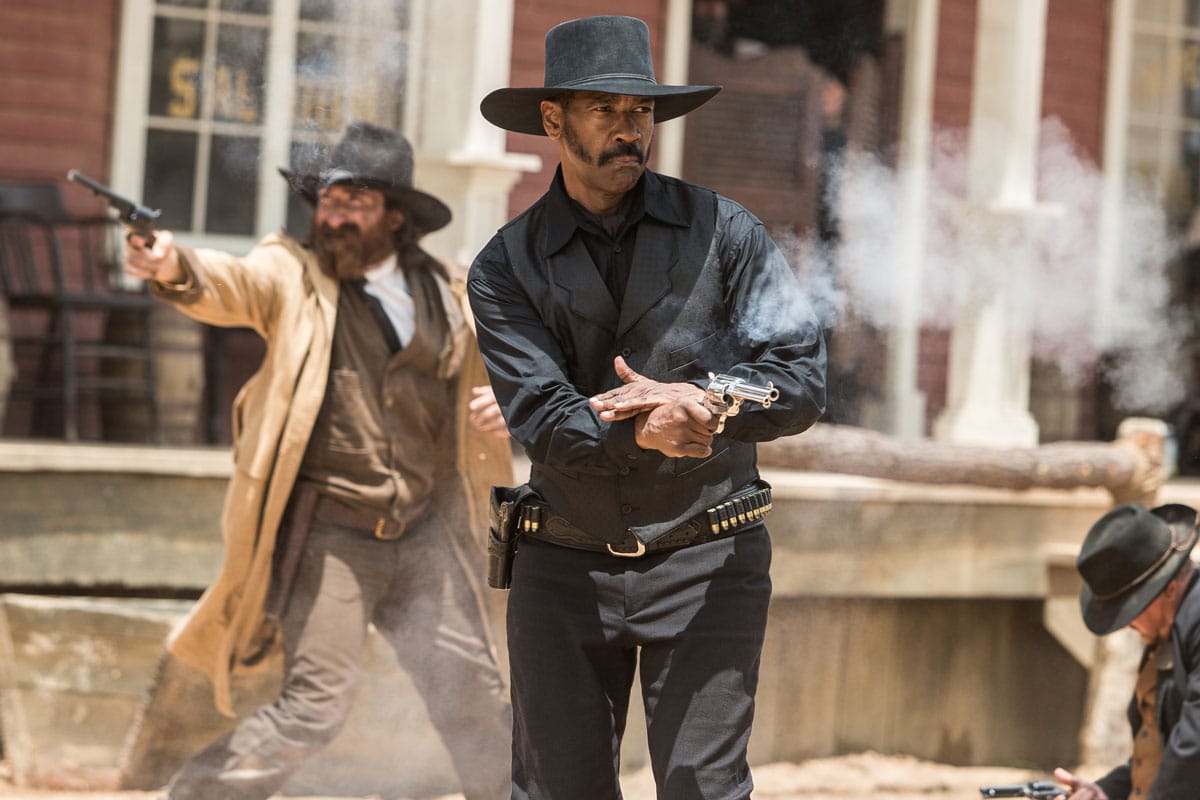
The film never surrenders to the abandon of its action, and as such never feels like it shifts out of first gear.

With Arrival, Villeneuve communicates the wonder of a Steven Spielberg alien movie within a decidedly hard sci-fi milieu.

The acting in Moonlight elevates the clichés of Barry Jenkins’s script into something approaching lived truth.

This is a left-footed and clumsily insistent work, exposing the worst aspects inherent to the Dardennes’ style.
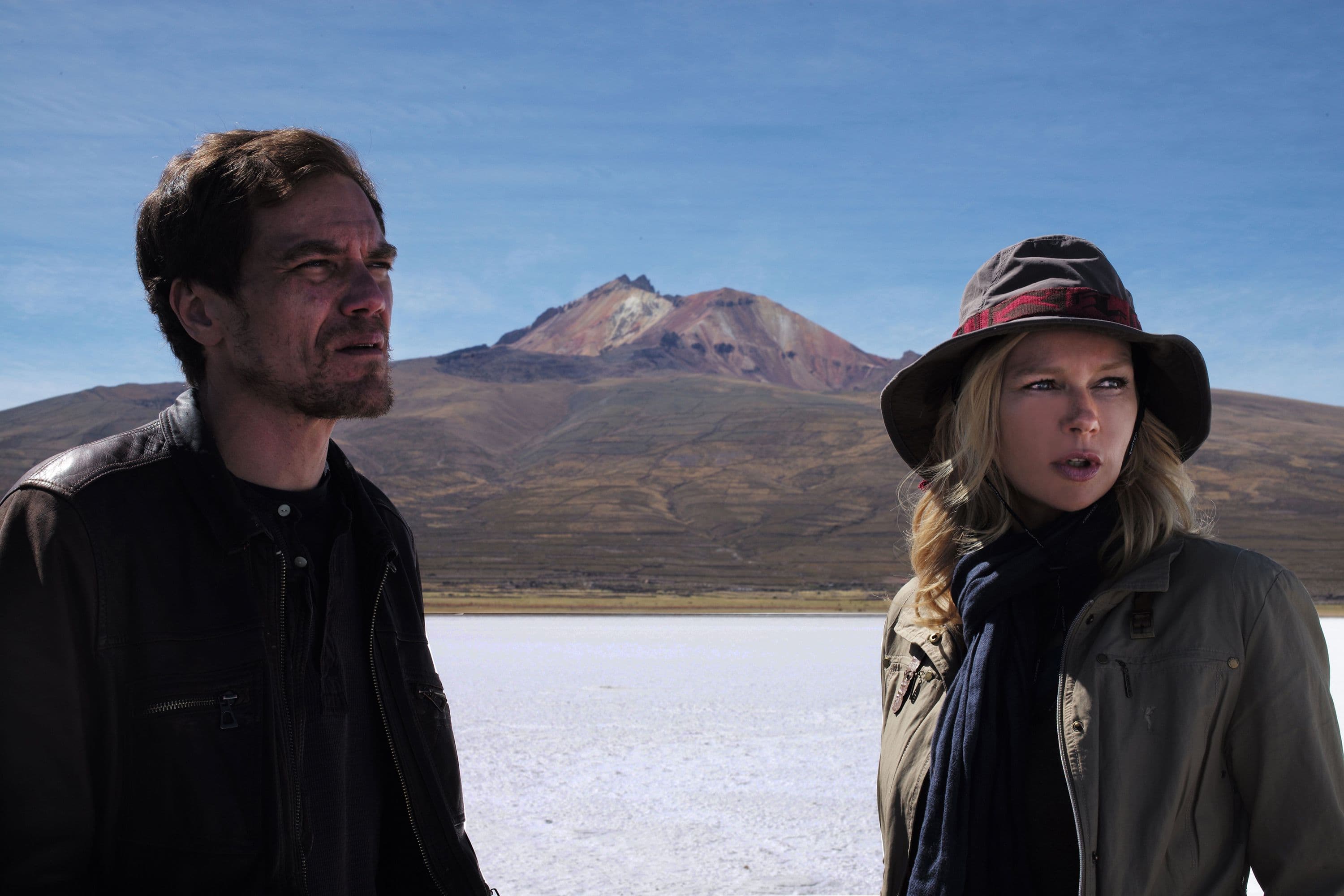
Salt and Fire’s final act is one of the strongest sustained sequences of cinema Werner Herzog has crafted in some time.
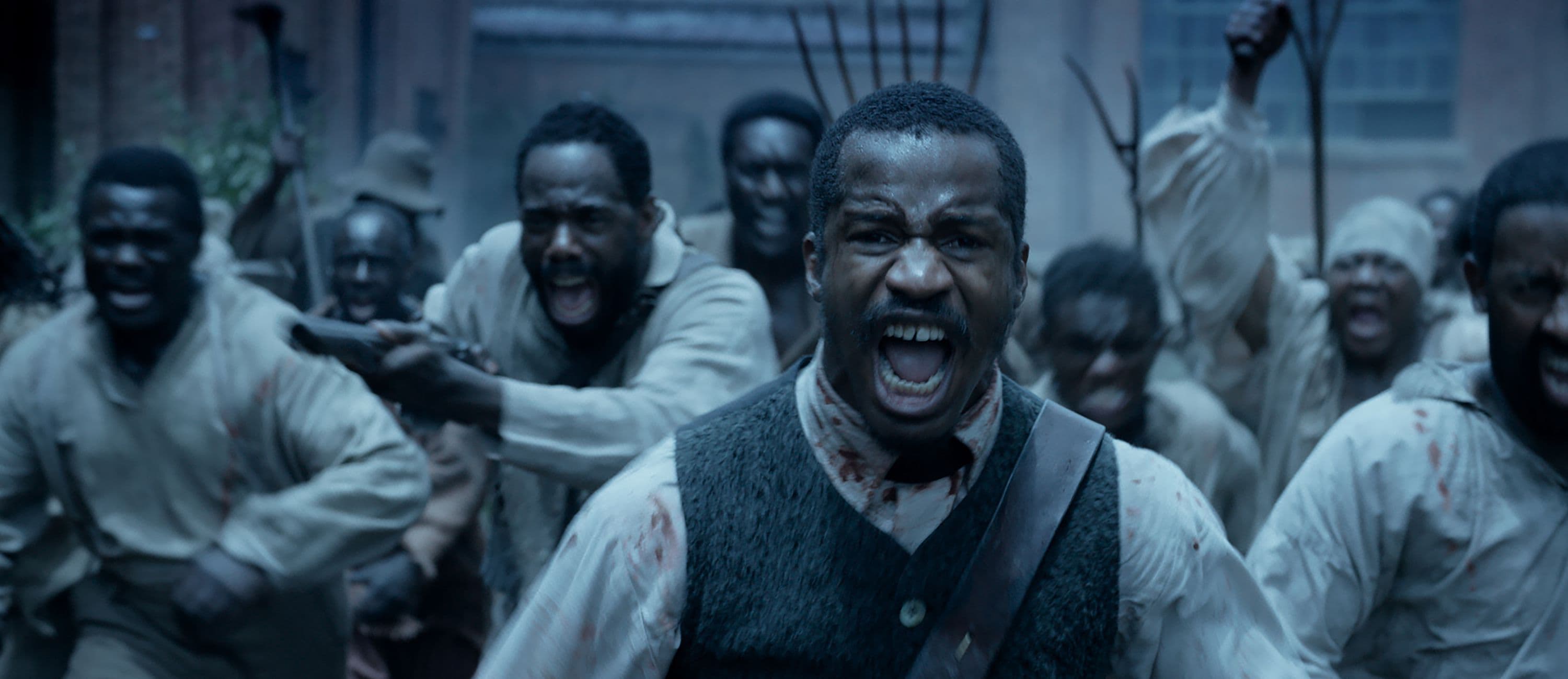
The narrowed scope of Parker’s film recalls that of Mel Gibson’s Braveheart.

McGregor smooths out American Pastoral’s eruptions of self-loathing and doubt.
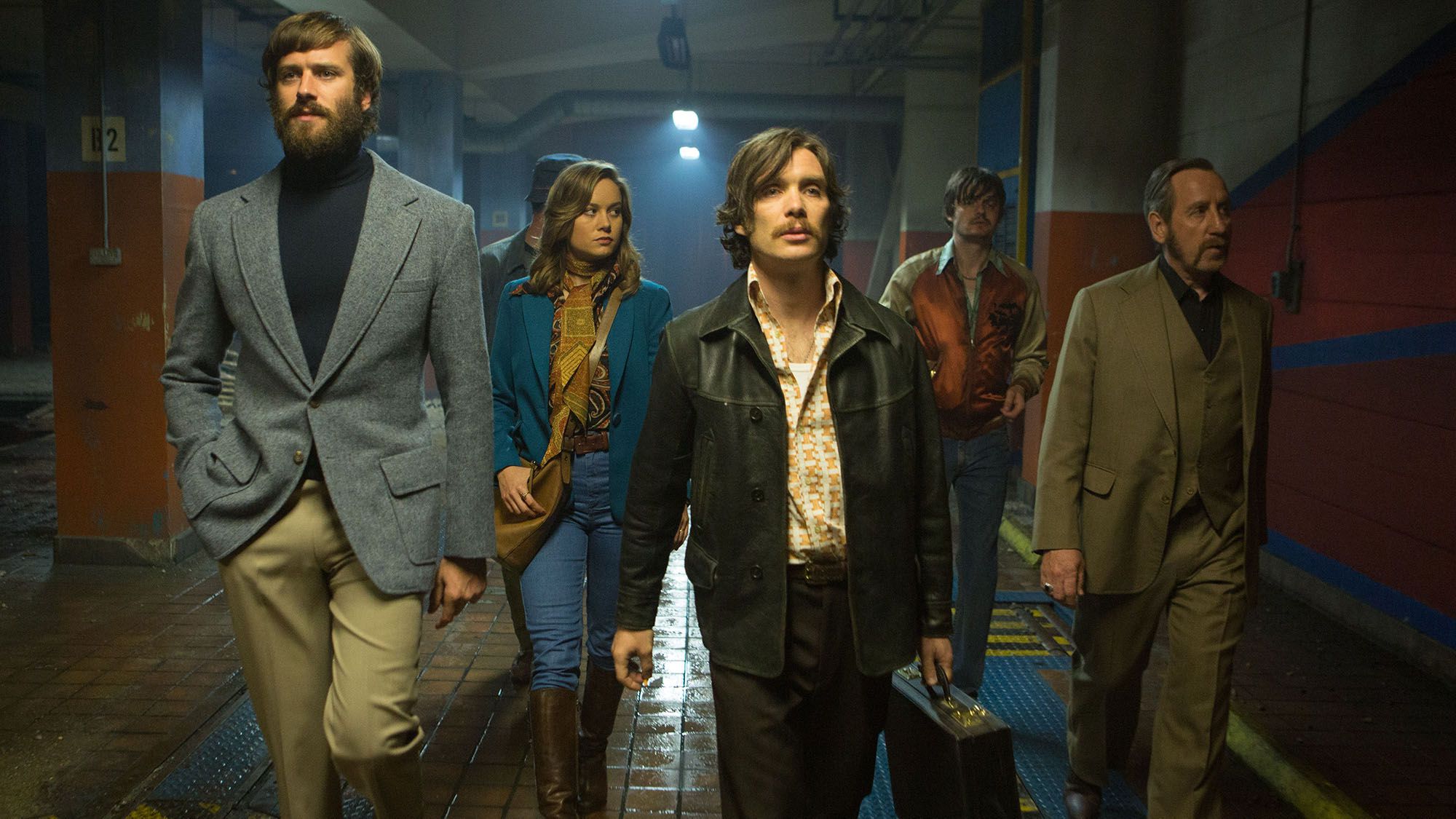
Its self-consciously witty dialogue is meant to paper over gratuitous violence with a veneer of nonchalance.

Voyage of Time is arguably the fullest expression of the cosmic themes that filmmaker Terrence Malick has explored for the last decade.

In the brutal response of authority, Bertrand Bonello offers a mirror image of the young radicals’ own actions.