Hansel & Gretel’s idea of a gut-busting punchline is to pepper unusually flippant dialogue with the word “fuck.”



Calum Marsh is a critic, reporter, and essayist who specializes in art and culture. His writing has appeared in The New York Times, The New Yorker, The Guardian, The Atlantic, Playboy, The New Republic, Pitchfork, and other publications.
Hansel & Gretel’s idea of a gut-busting punchline is to pepper unusually flippant dialogue with the word “fuck.”

The Pirogue is sunk by its unfortunate reliance on stock types and dramatic cliché.

Essentially Lost Highway for a post-UFC world, the film is an intriguing but ultimately rather empty experience.

Kim Jee-woon makes savvy use of Schwarzenegger as both a newly world-weary figure and, more frequently, the ever-reluctant hero.
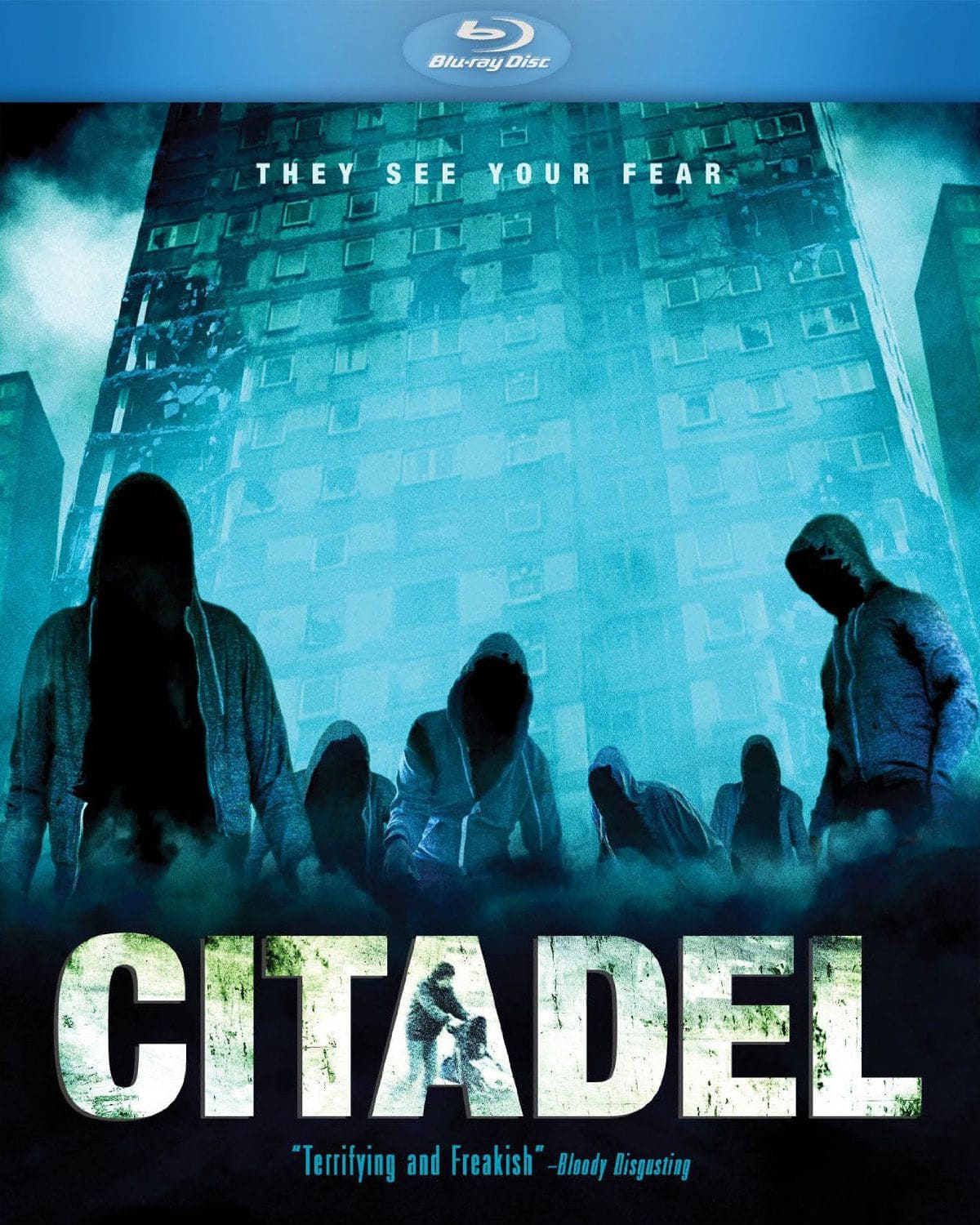
You can’t make a British horror film these days without straining to articulate class anxieties, and Citadel is no exception.
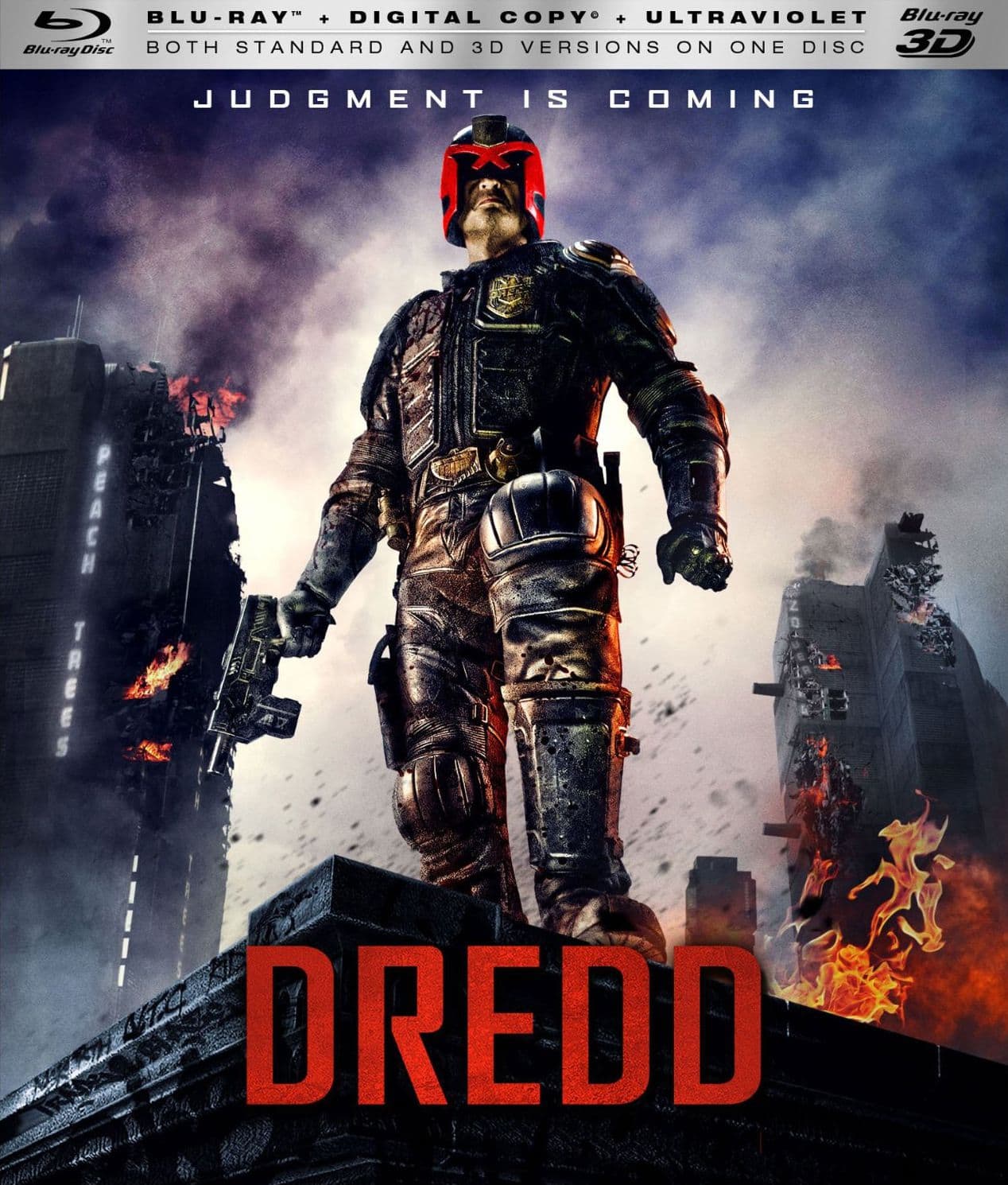
Whether by design or otherwise, Dredd seems better-suited to a 2D home video presentation than to the 3D silver screen.

HBO has stacked the deck in this show’s favor by delivering a decidedly obsessive-friendly package.

Everything in the film, songs included, is cranked to 11, the melodrama of it all soaring.

Despite the likeable cast’s best efforts, the film never manages to transcend its sitcom-premise roots.

A paltry offering of bad-looking archival interviews is, sadly, all Echo Bridge shelled out for.

The year’s silliest and most stubbornly self-serious blockbuster,arrives on Blu-ray with a flawed A/V transfer.

Jean-Luc Godard’s still-revelatory film returns to North American home video as one of the best Blu-rays of the year.
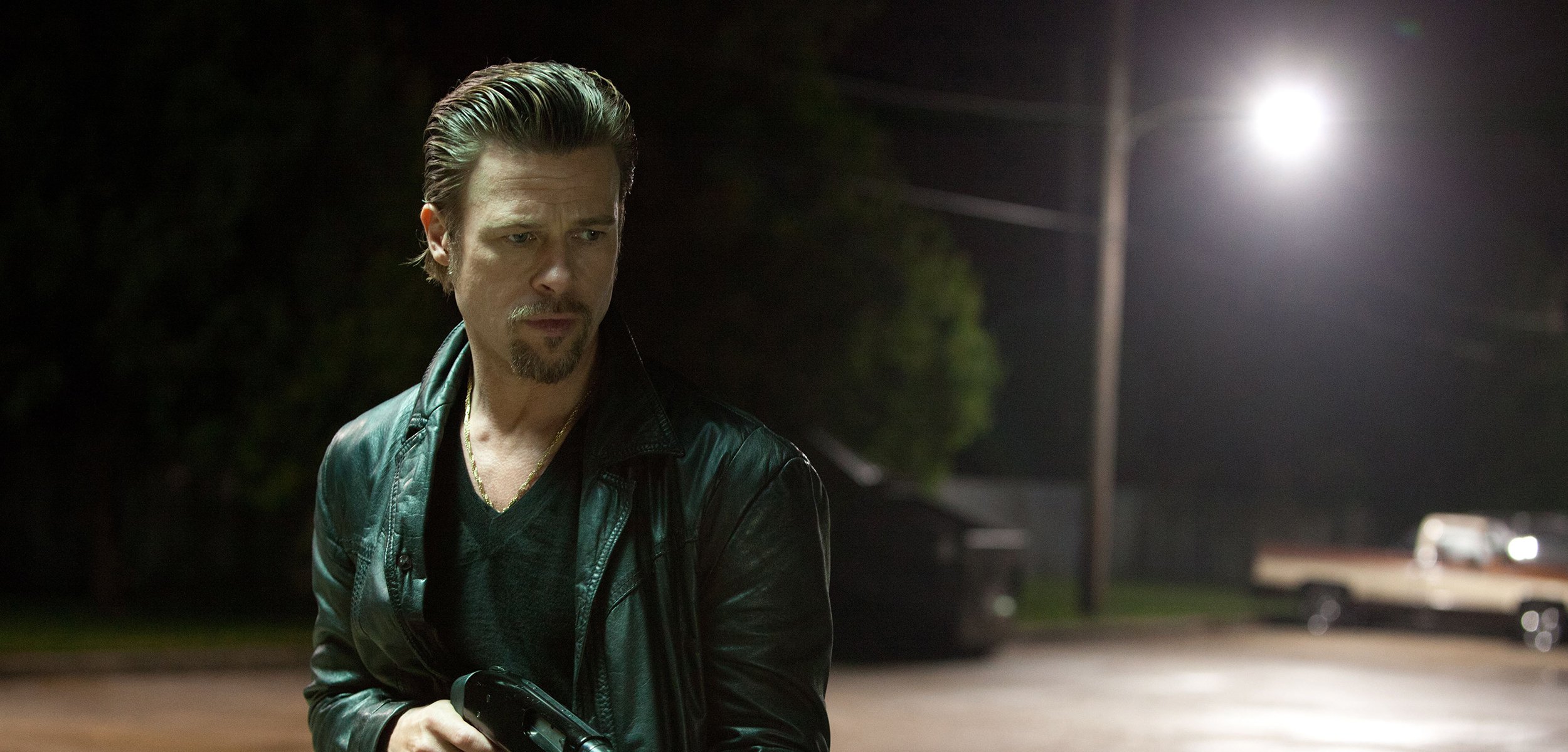
The film is simply the latest entry in an endless line of crime thrillers too concerned with looking cool.

The pieces brought into play here, of course, are enormously seductive, and it’s not hard to see why so many have been taken in by the film’s wide-eyed charm.

Hur Jin-ho’s approach is to observe the raunchy proceedings from a slightly amused distance.

There’s only one thing to say about Carpenter’s sharp-witted, enormously entertaining masterpiece: BUY.

A smoldering love story unlike any other, Wong Kar-wai’s In the Mood for Love remains one of the very best films of the 2000s.
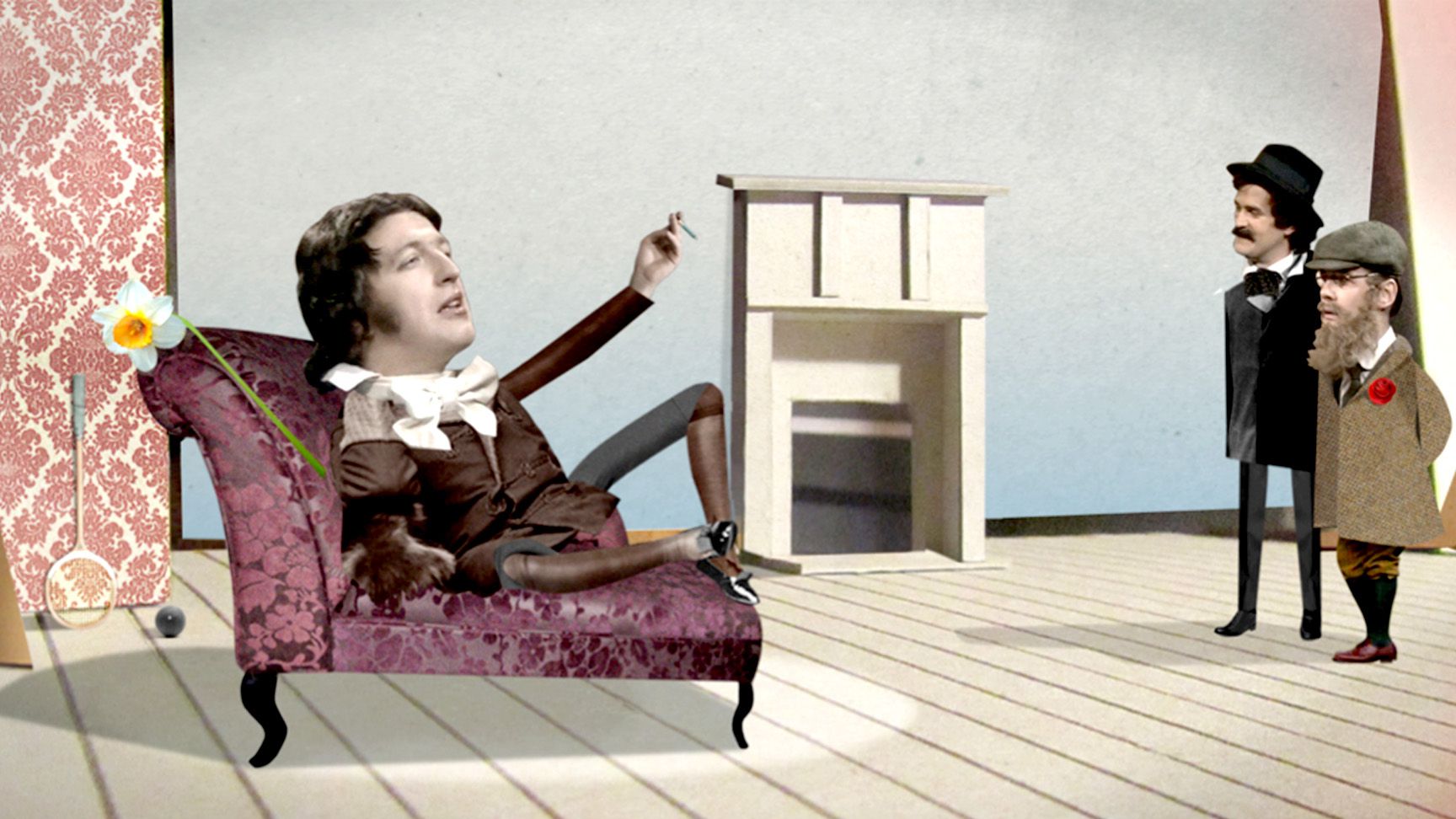
The film is a tedious, aggressively unfunny pseudo-biopic about the life of the long-deceased Python.
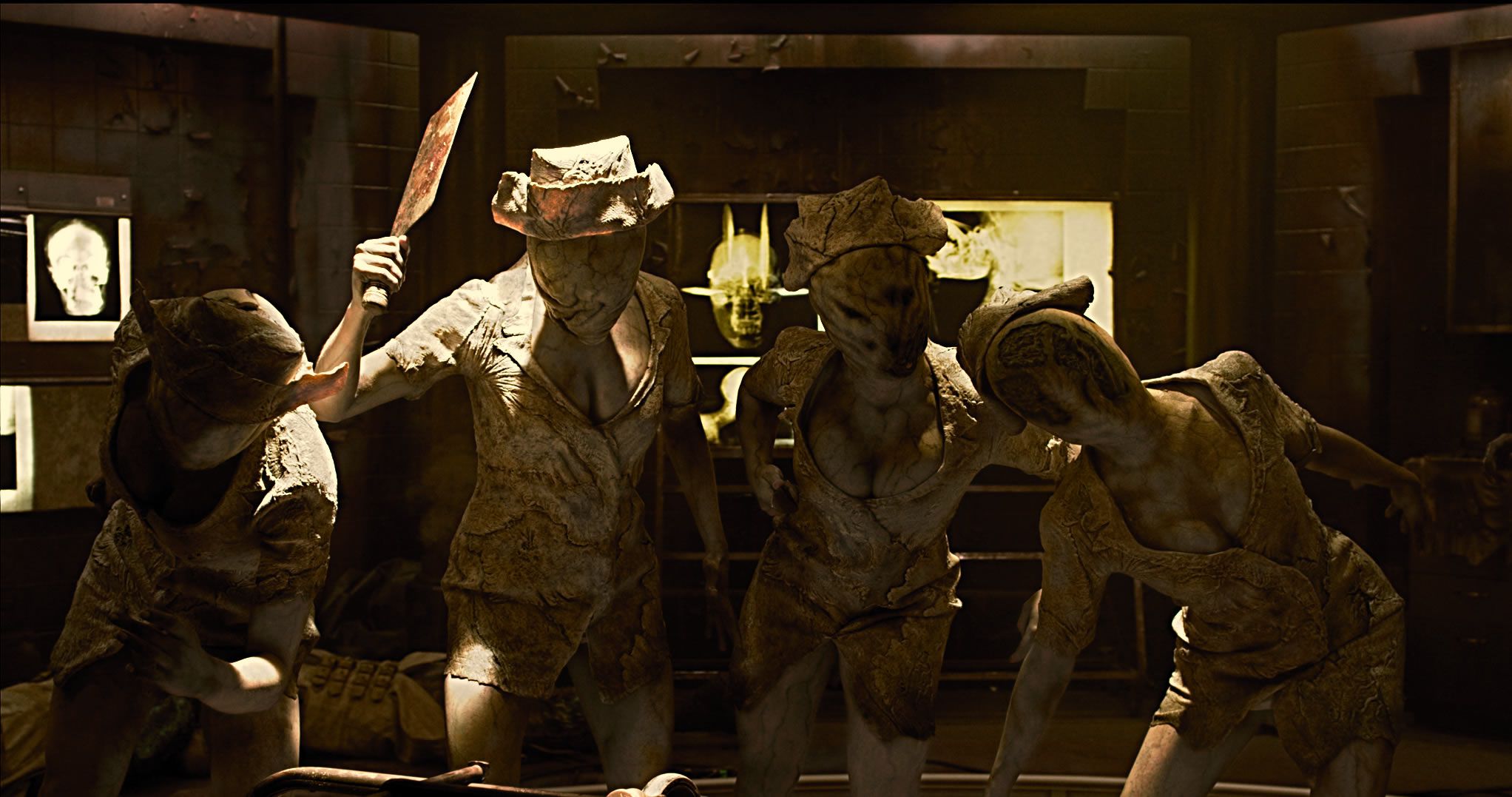
Revelation won’t shut the fuck up about the history of its titular town.

The Black Tulip relies on broad strokes and clichés to articulate a nation’s very real suffering.