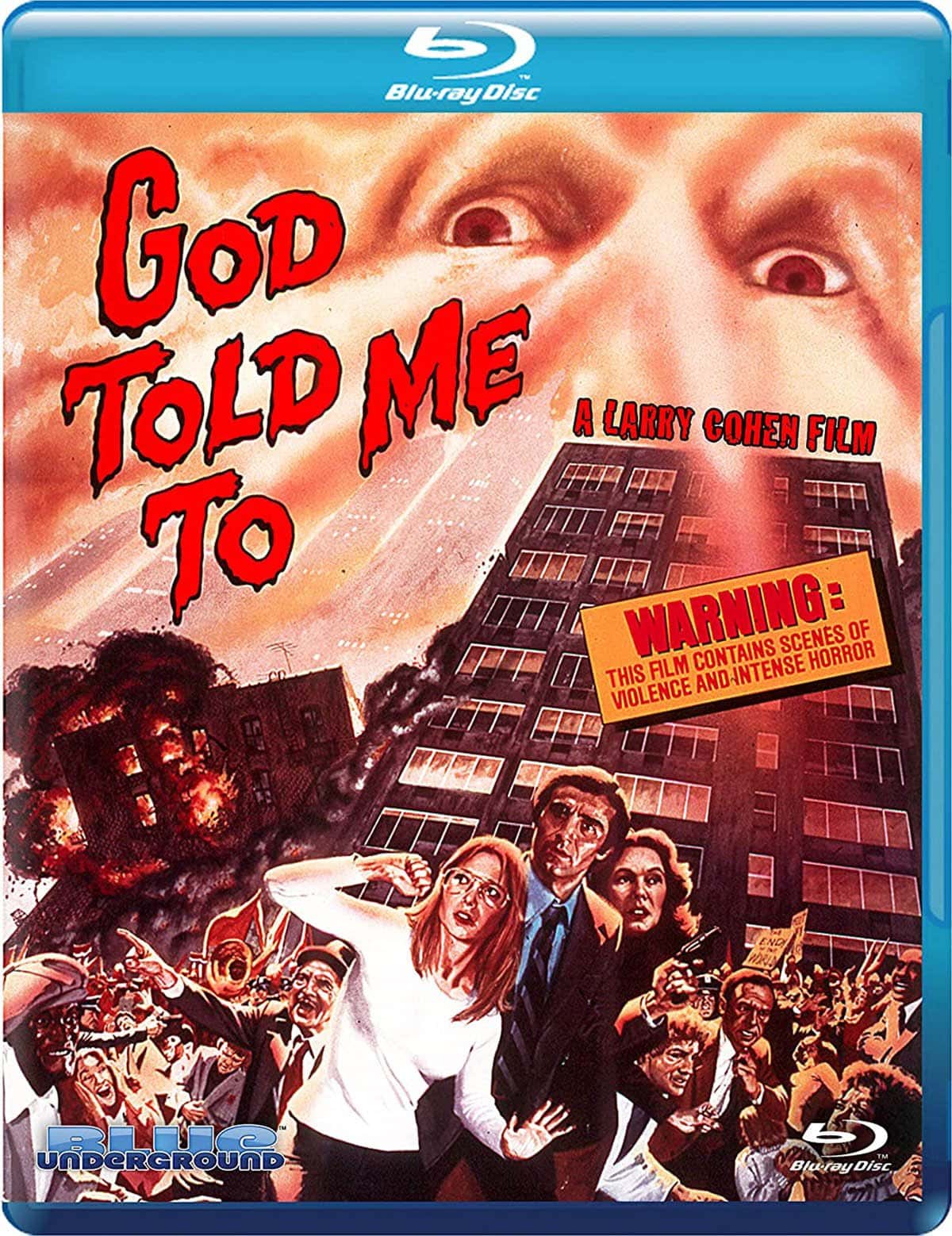
Larry Cohen’s most subversive exploration of insidiously regressive social mores receives a beautiful upgrade courtesy of Blue Underground.


Chuck Bowen's writing has appeared in The Guardian, The Atlantic, The AV Club, Style Weekly, and other publications.
Larry Cohen’s most subversive exploration of insidiously regressive social mores receives a beautiful upgrade courtesy of Blue Underground.

Frankenheimer’s 1986 crime film is enlivened by a surprisingly astute understanding of the social varieties of caste power.

The agelessness of David Cronenberg’s films springs from an uncommon authorial focus.
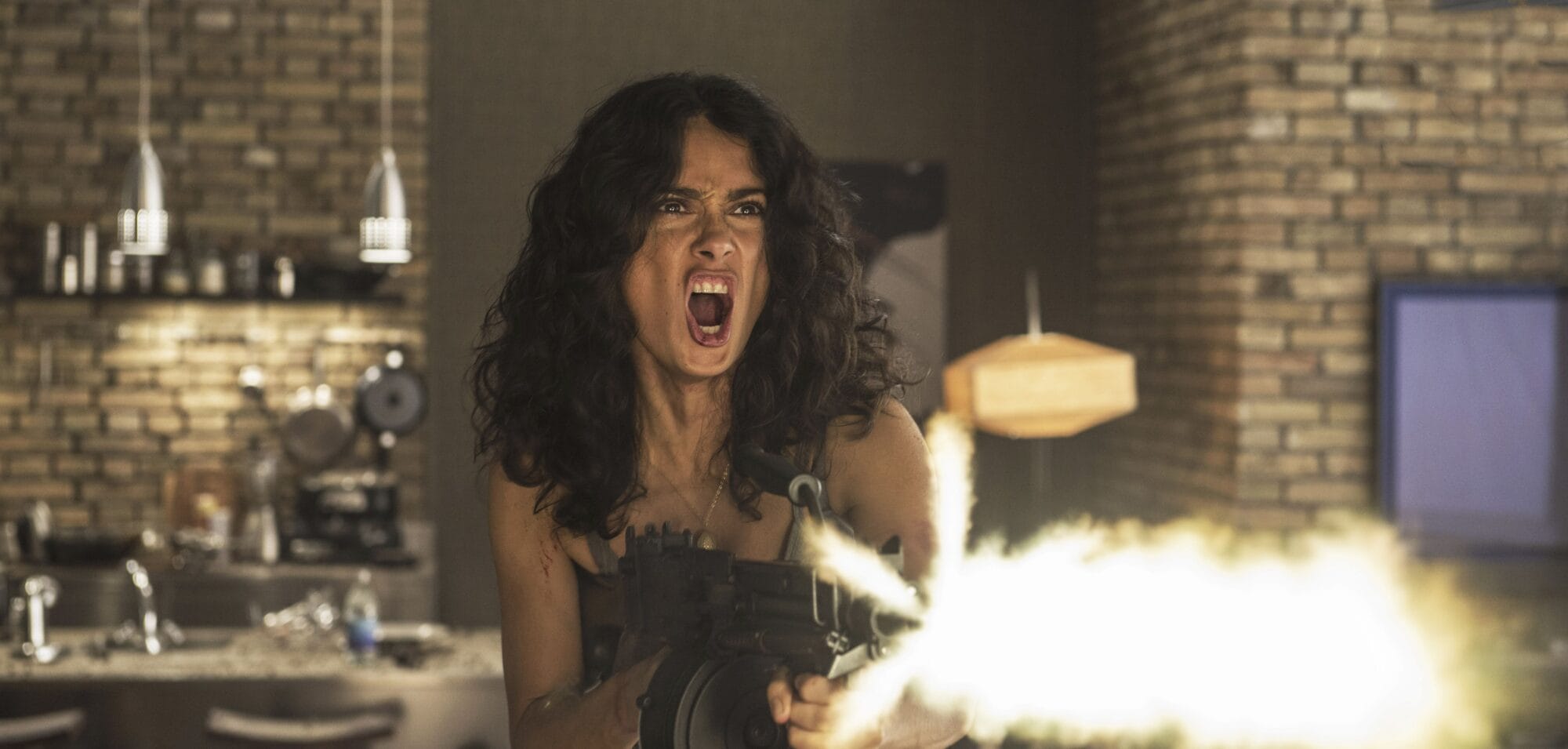
Yet another boring ode to heavy breathing that’s offered under the hypocritical pretense of celebrating female empowerment.

Schlock films tend to have a certain sort of free-associative, on-the-fly intensity, even if they’re ultimately unwatchable.
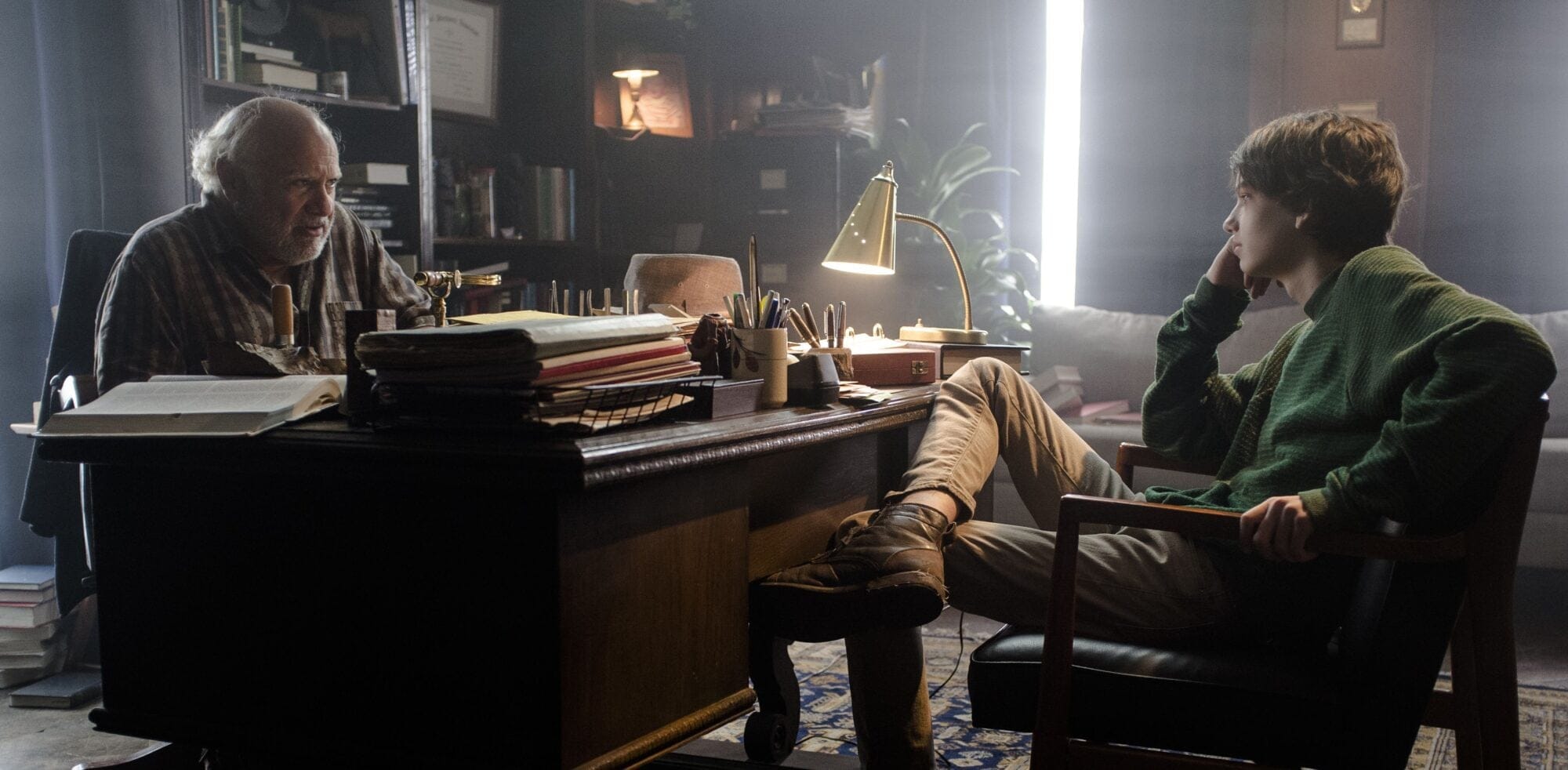
The images gorgeously embody both the fear and the beauty of James’s exploratory experiments with socialization.
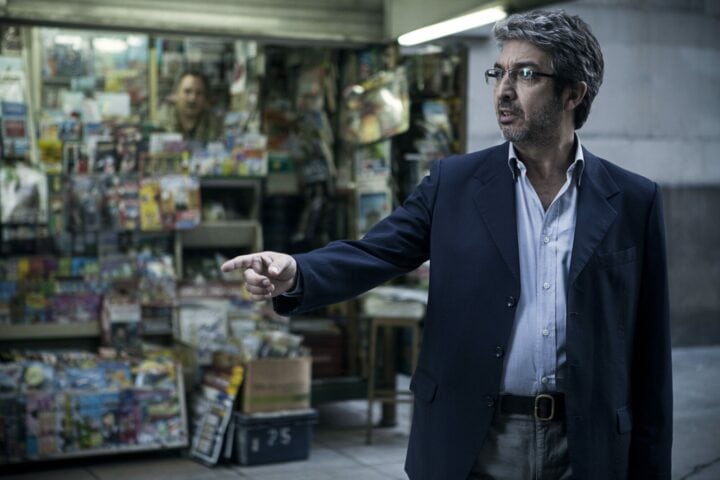
These vignettes concern the methods of calculated mass dehumanization that are (barely) hidden beneath the practices of social institutions.
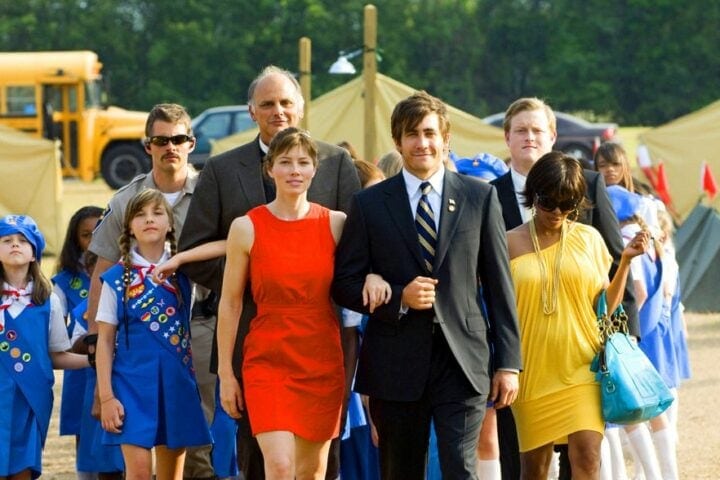
So flimsily constructed that it resembles a middle-school play that’s been hastily filmed on an antique camcorder.
One of the greatest and most devastating of all romantic mysteries arrives just in time for Valentine’s Day.
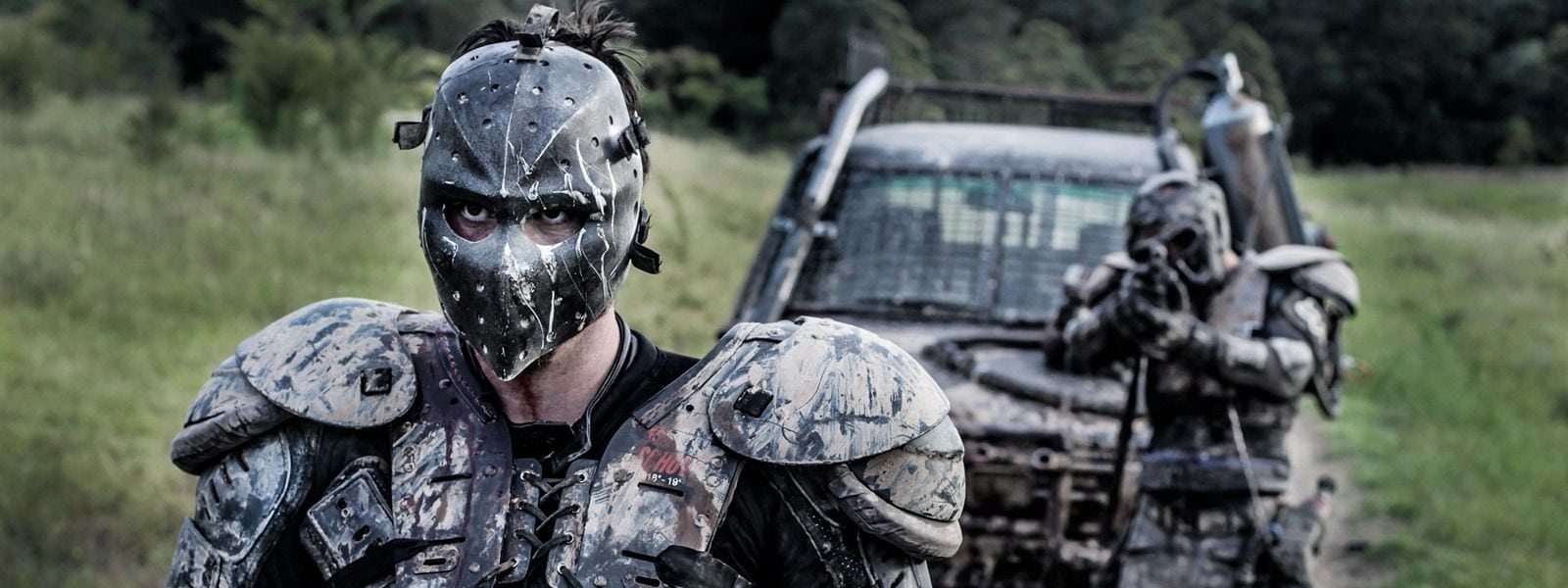
the skillfulness of Kiah Roache-Turner’s film renders its eventual slide into the routine all the more irritating.

A dizzying hall-of-mirrors stunt, a horror remake as autobiographical X-ray, and a fantasy that serves as a cleansing creative exorcism.
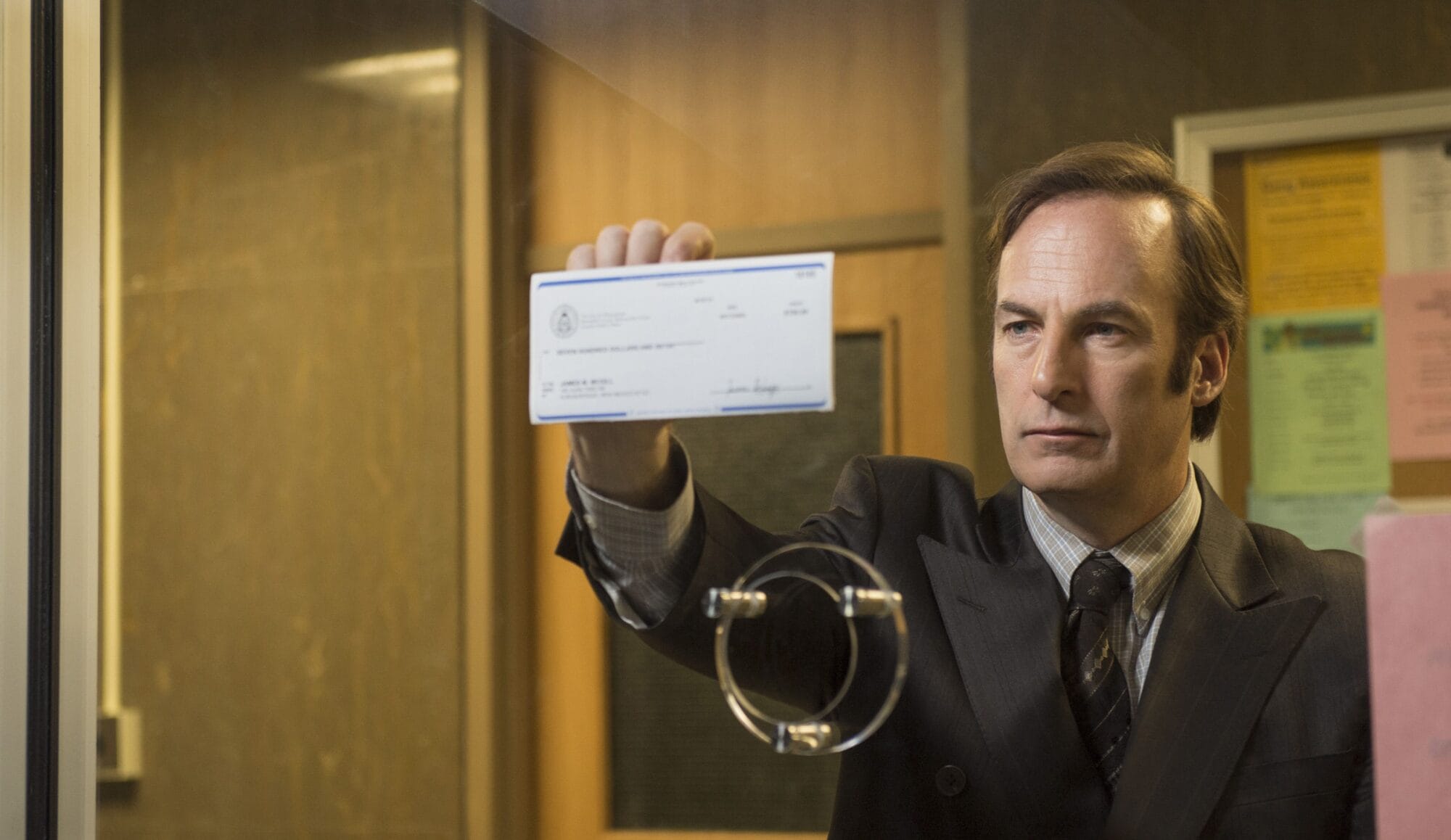
The series rests on Bob Odenkirk, a gifted comedian and character actor who’s never before had the opportunity to occupy the center ring.

To be fair to Ryan Reynolds, there’s probably no surviving The Voices.
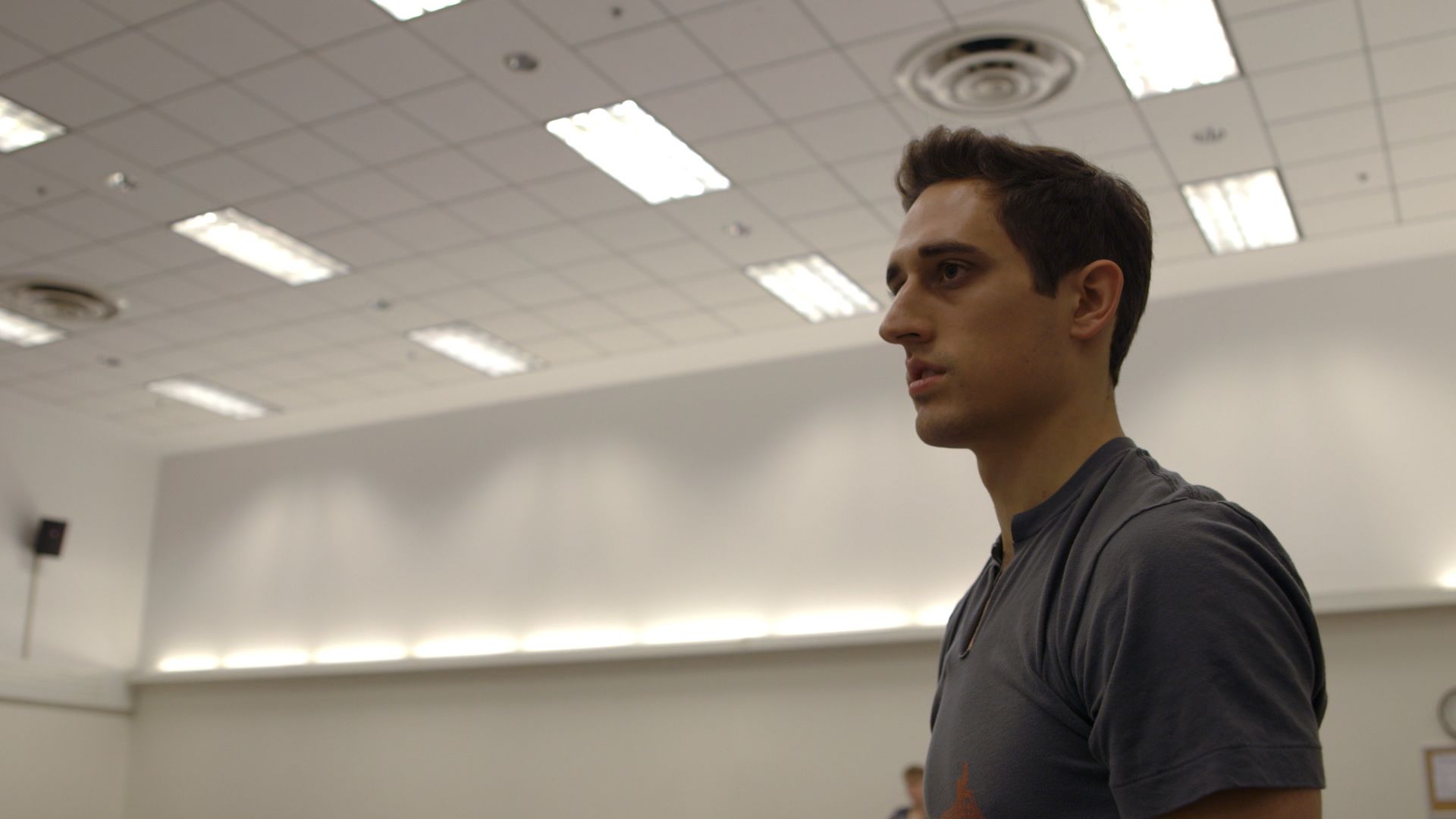
Jody Lee Lipes shapes the footage into an intimate symphony of poetically shaped bodies that contrast poignantly with uncertain faces.

This time, Anderson comes to play from the outset, with a sense of openness, and of shared intimacy with Seitz, that might be somewhat misleading, but is nevertheless revealing.
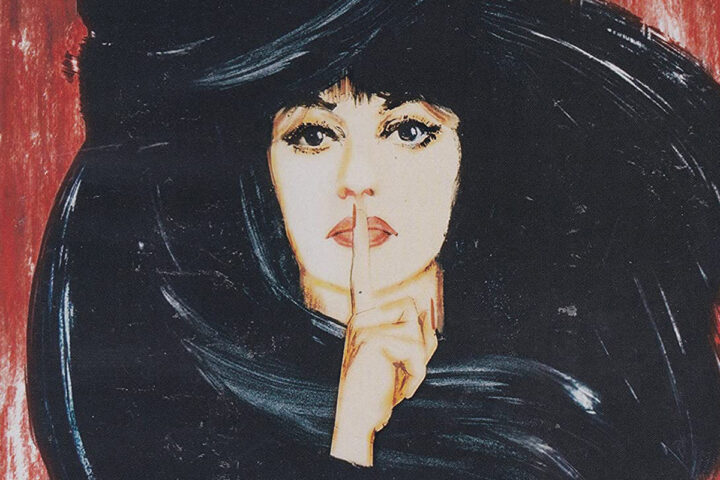
As a snapshot of a dialogue between two iconic filmmakers, The Bride Wore Black is fascinating.

The episode ends American Horror Story: Freak Show on an unsurprisingly dour and haphazard note.
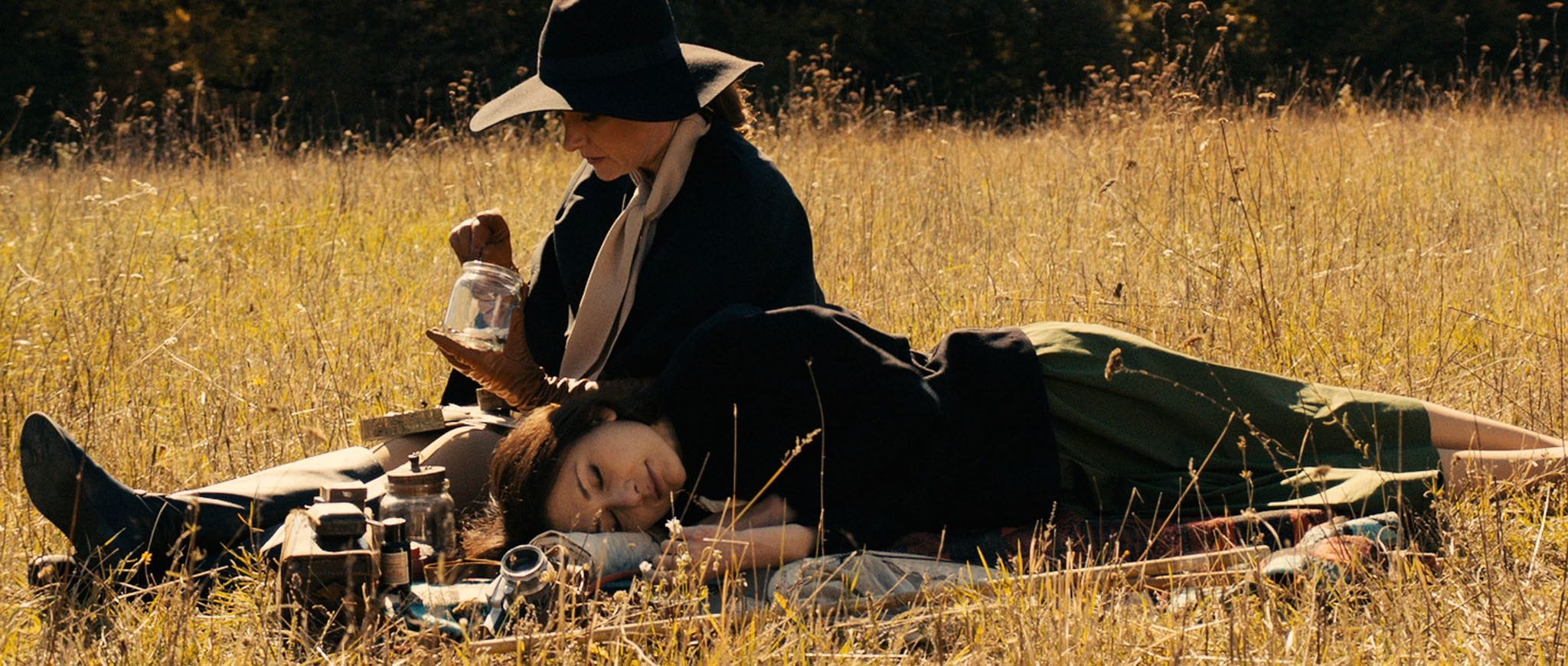
Peter Strickland charges full-tilt into the objectifying whims of his fantasies in order to somehow reach the other end of perception.

Freak Show helps to confirm an unofficial rule about the series at large: The more a season actively utilizes its chosen setting, the better it is.

One of the great things about this noir-western hybrid is its interest in updating more than just the superficial tropes of those genres.