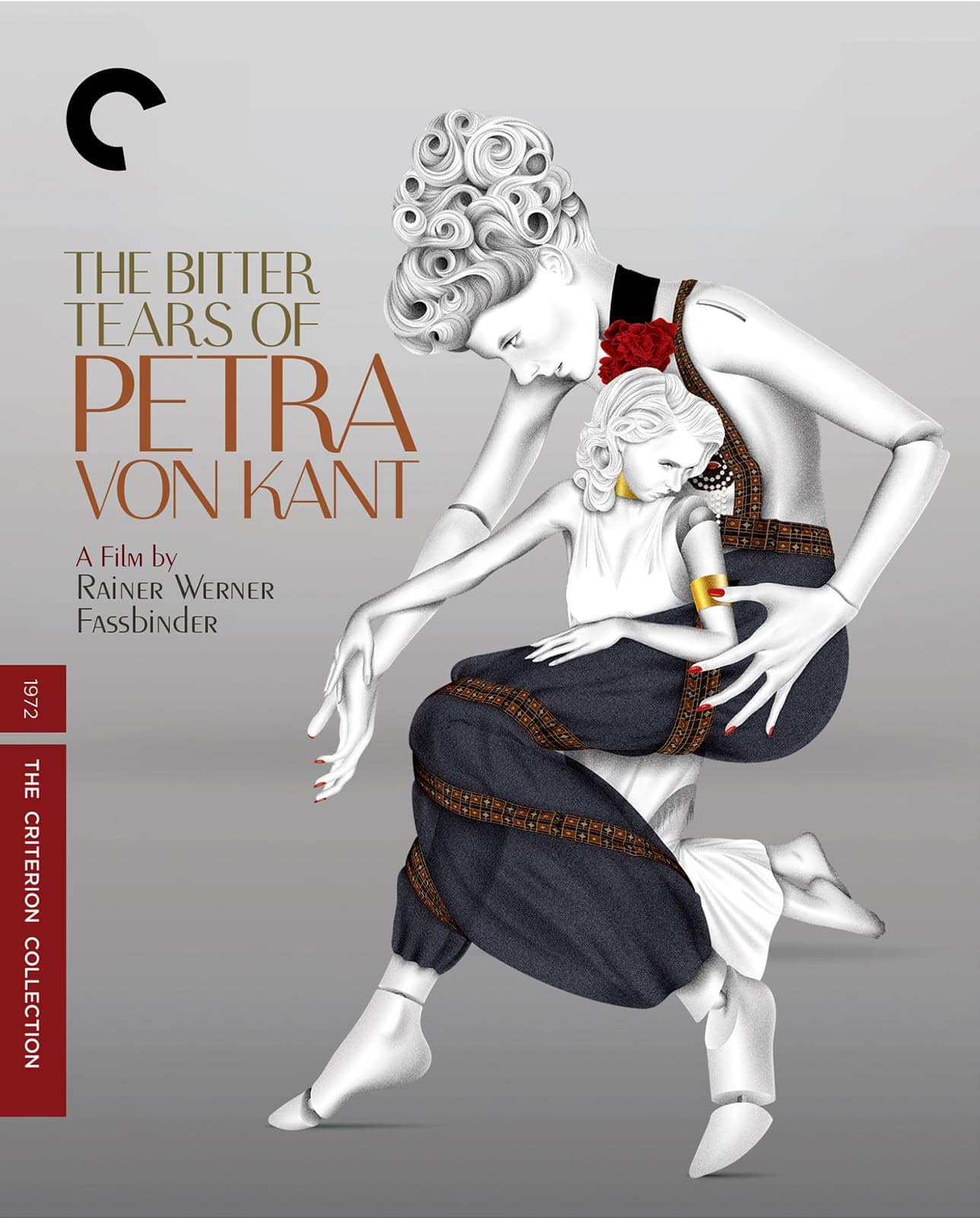
A gorgeous Fassbinder debauch that would prove to be a key work in his evolution as a purveyor of boldly symbolic class-conscious tragedies.


Chuck Bowen's writing has appeared in The Guardian, The Atlantic, The AV Club, Style Weekly, and other publications.
A gorgeous Fassbinder debauch that would prove to be a key work in his evolution as a purveyor of boldly symbolic class-conscious tragedies.

Adam Rapp’s Loitering with Intent is a comedy concerned with myopia that doesn’t succumb to the self-obsessed pitfalls of that subject.
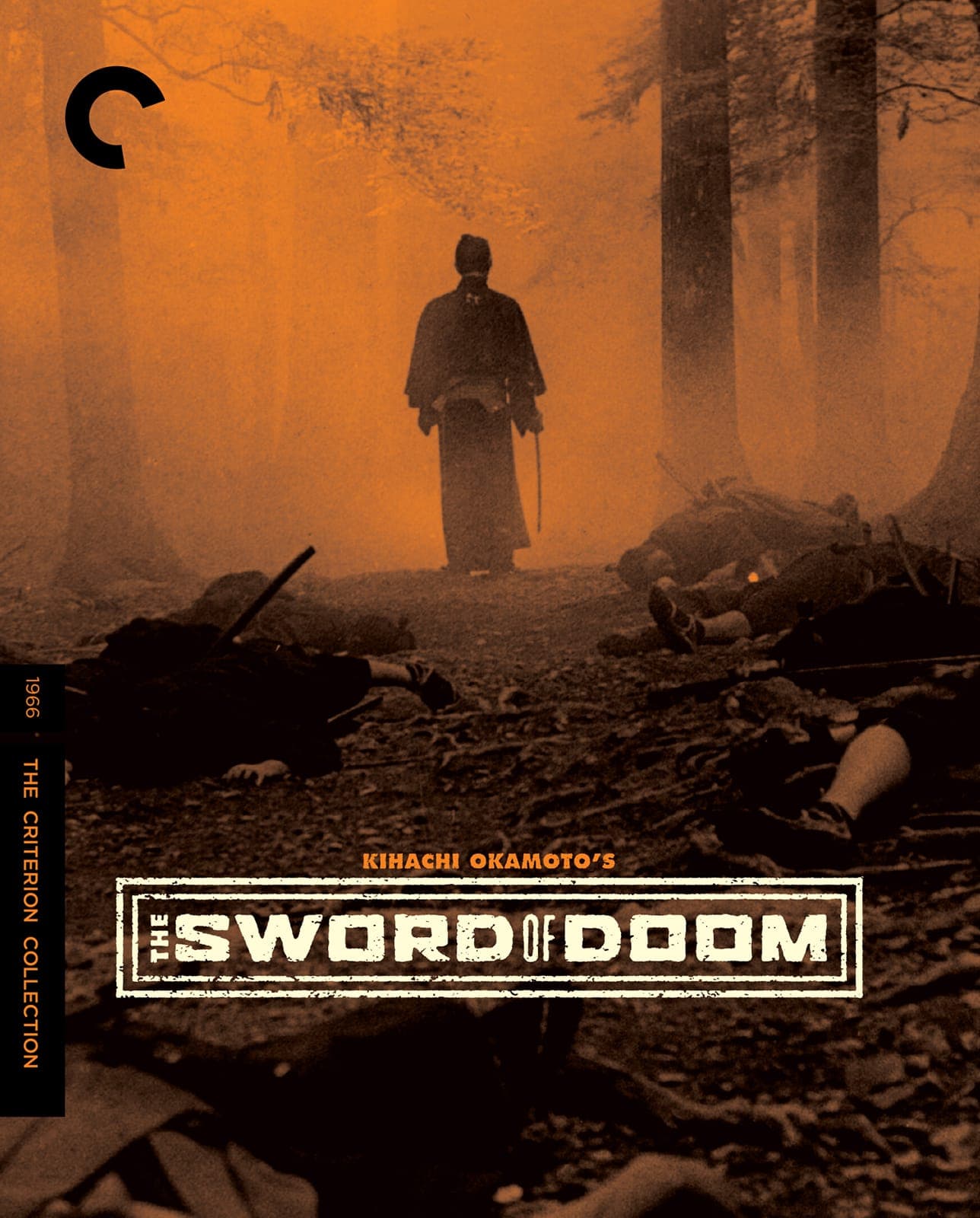
The wonderful new audio commentary nearly serves to distract from the image transfer, which is sporadically gorgeous, but inconsistent.

Another enterprise that uses the notion of time travel as an excuse to alternate chase scenes with prolonged bursts of expository blathering.

“Magical Thinking” finds the series resorting to its usual bag of boring, hyperbolically over-plotted tricks.
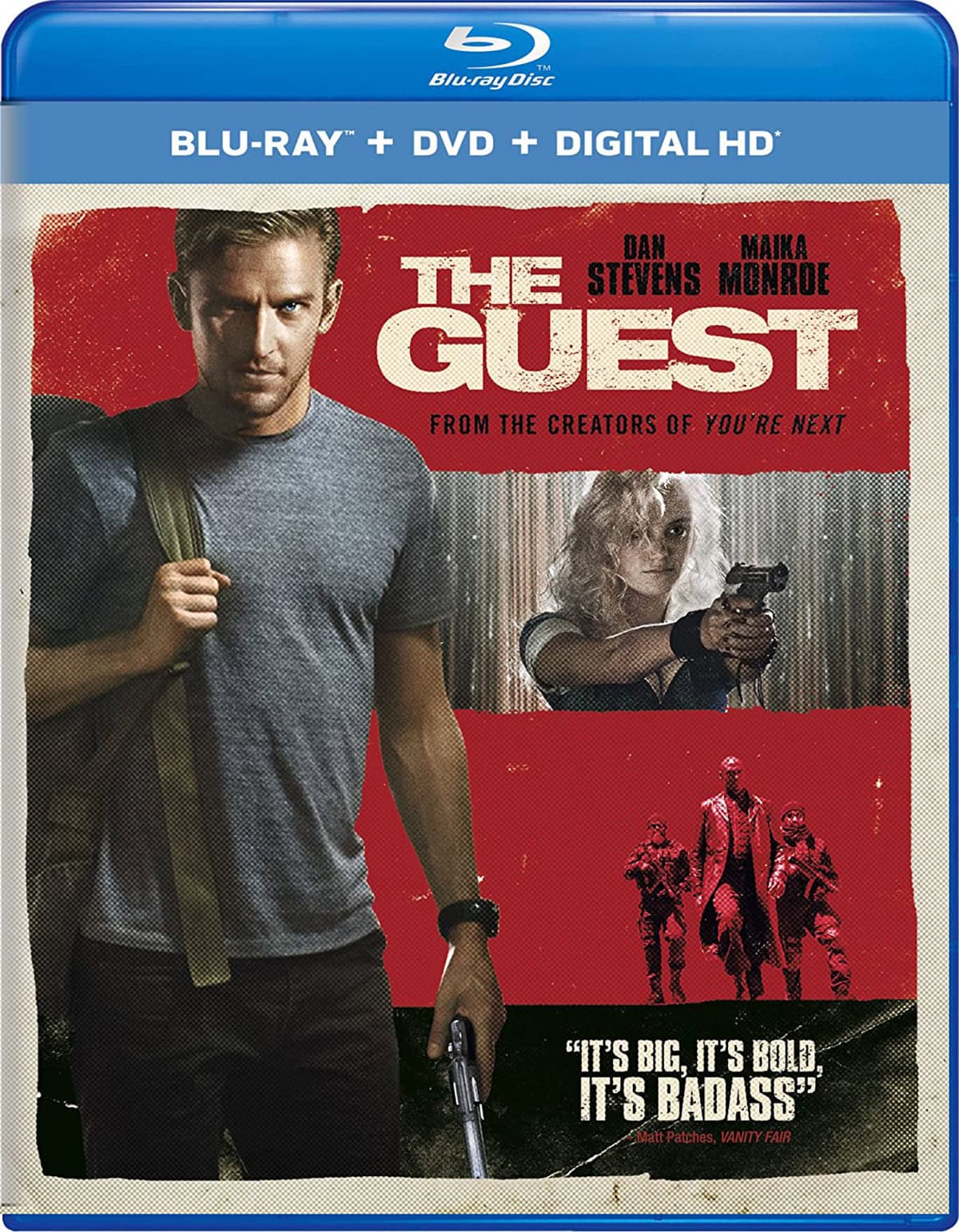
It connects 1980s horror-movie nostalgia cleverly and implicitly to the real fears that haunt contemporary American life.

The possible irony of the film’s happy ending barely comes through considering the sexist distancing that reliably pervades the film.

The film effectively underlines the one undertaking that time-travel fantasies can never truly allow: escape from ourselves.
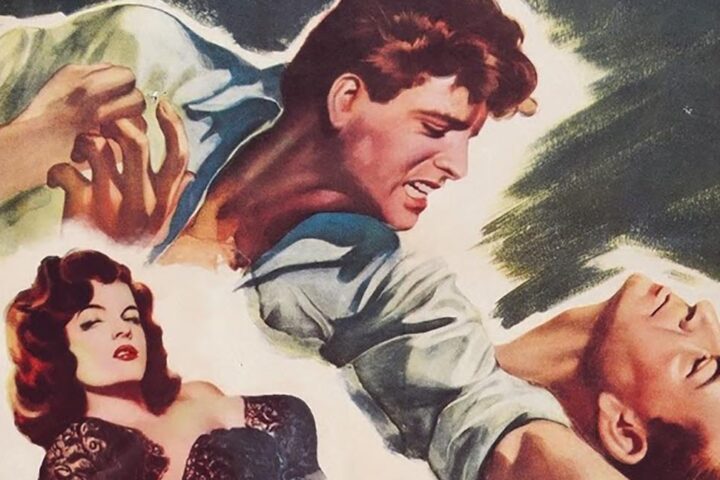
William Dieterle’s forgettable, generically stylish attempt at cashing in on the success of Casablanca nets a good transfer.
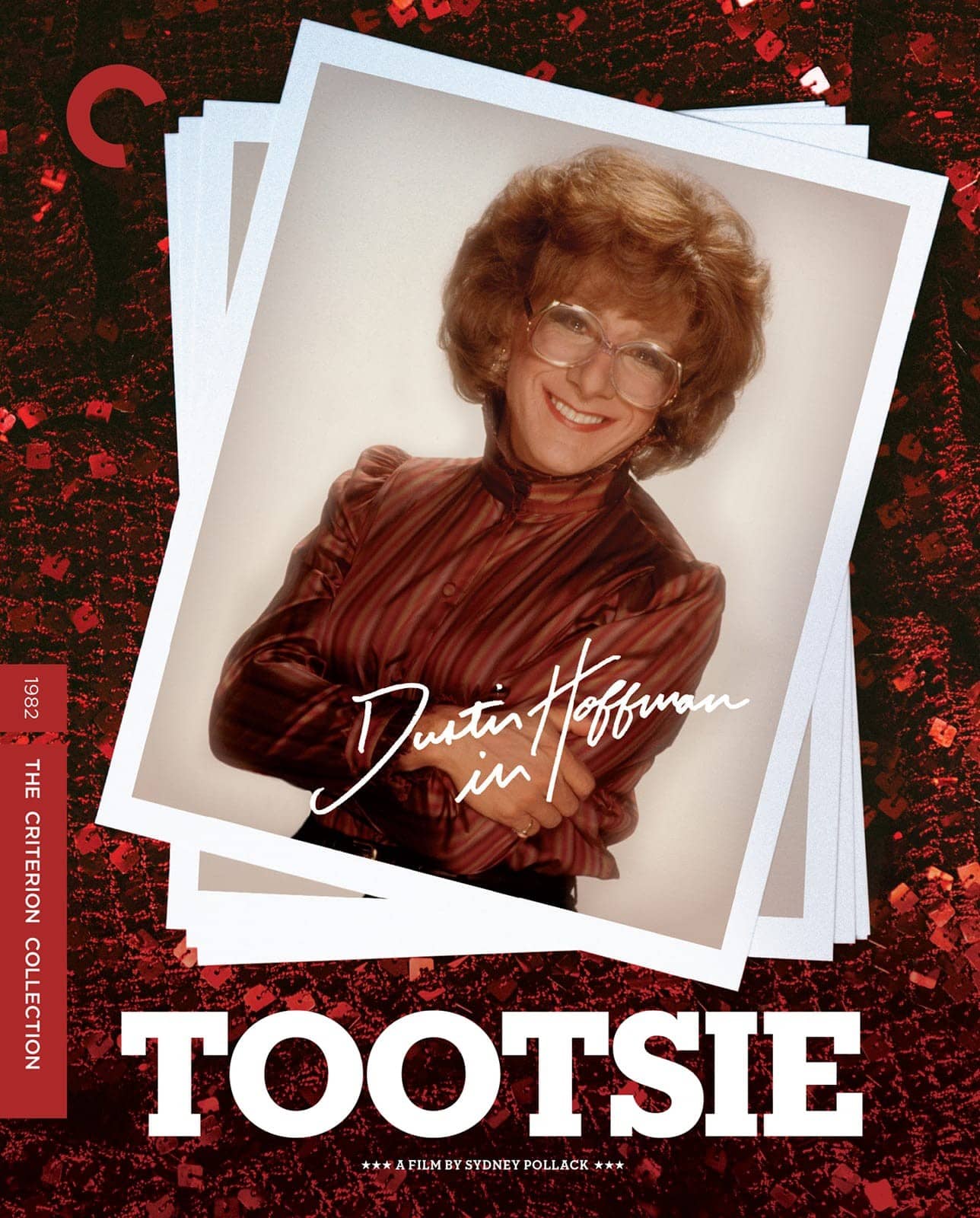
It serves as one of the definitive American explorations of the weird and precarious relationship that exists between actor and director.
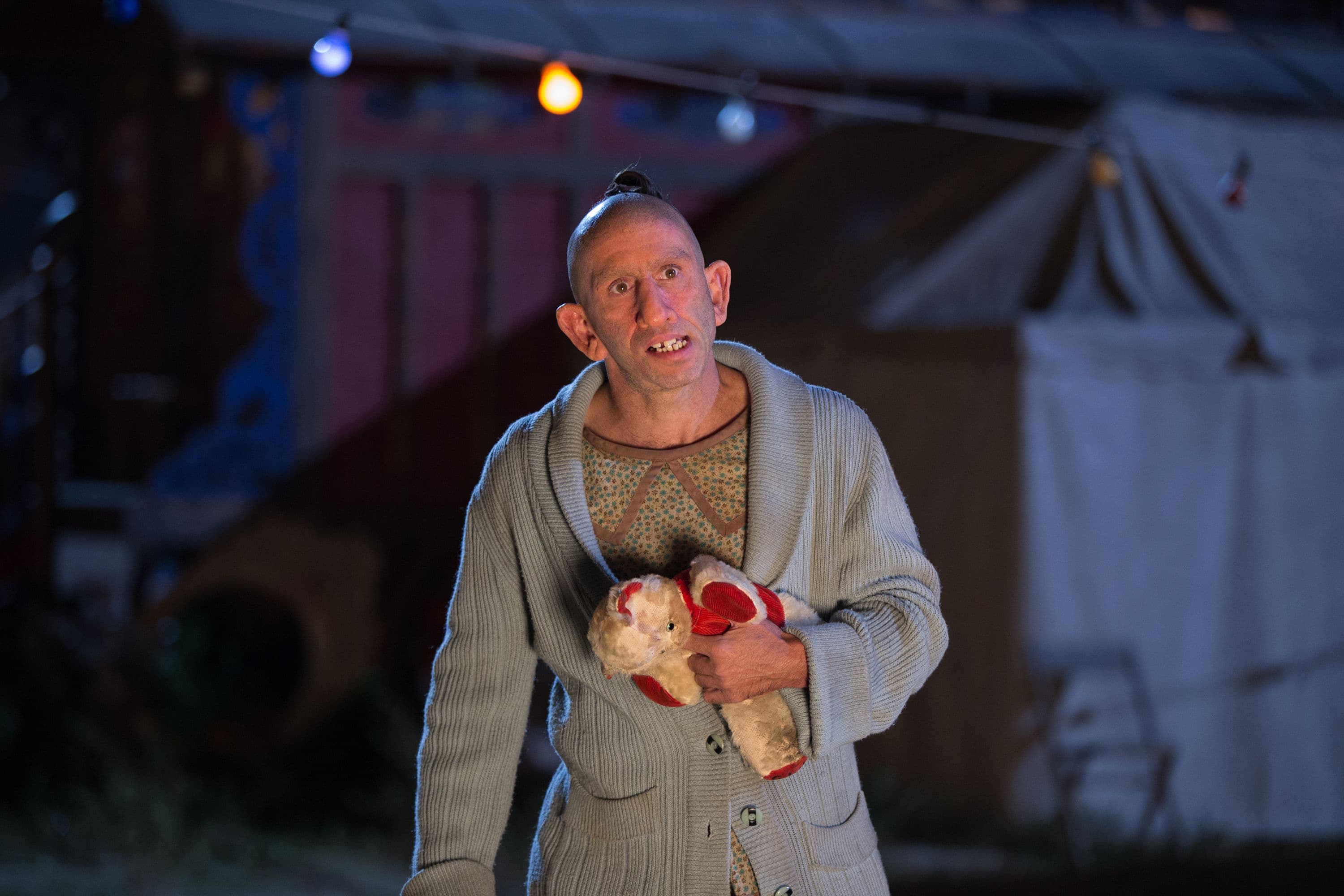
“Orphans” finds Freak Show taking a surprisingly earnest detour from its usual preachy, ultra-violently “relevant” shenanigans.

The actors play off one another beautifully, but Sophie Fillières’s If You Don’t, I Will bottoms out just as it’s getting warmed up.

You may be inclined to wonder throughout the typically atypical murder sequences and arbitrary character epiphanies how this series is written.

The humans are allowed to display improvisatory behavior that deepens the majesty of the rigorously orchestrated tableaus.
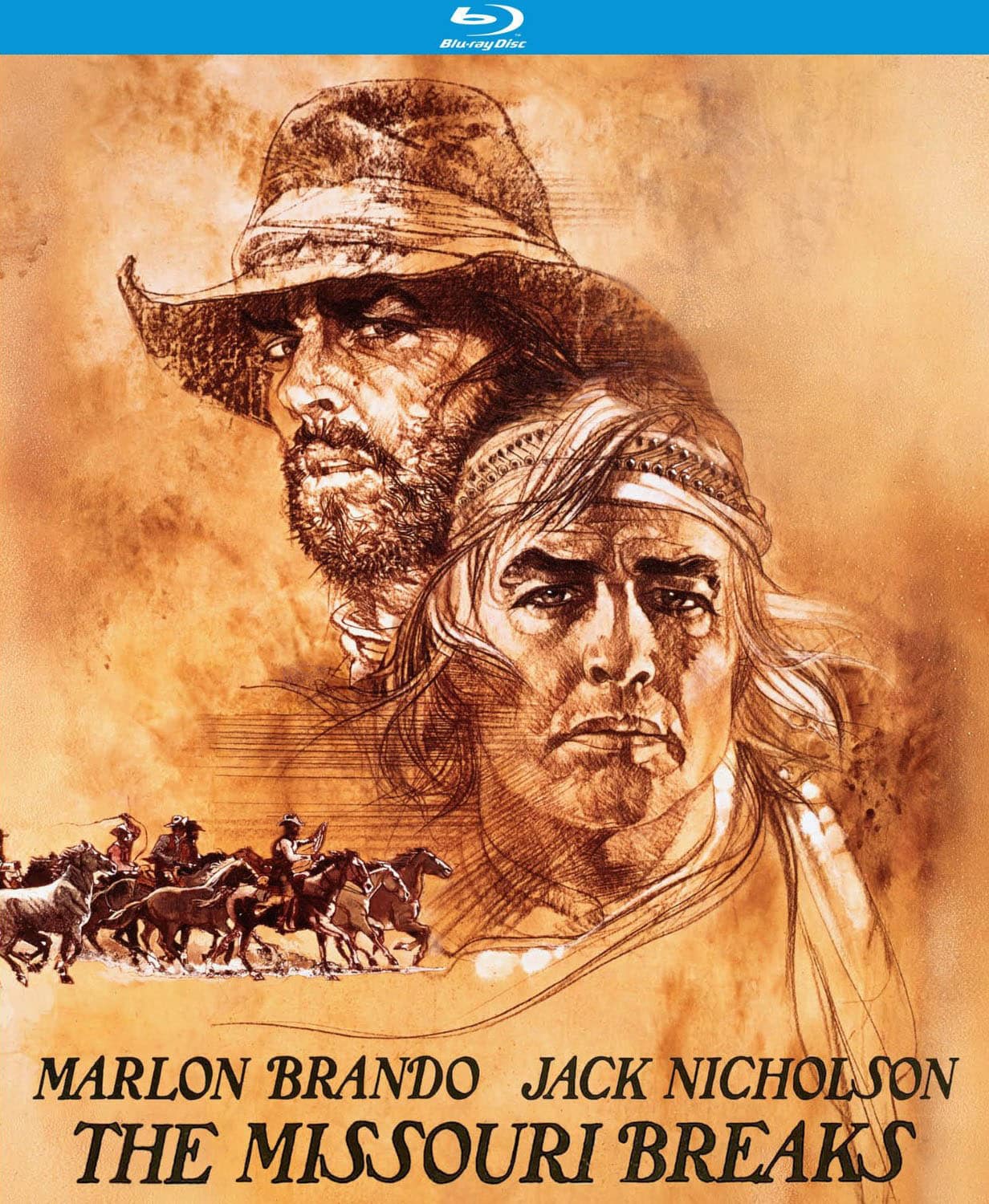
Kino impressively beautifies a cult western that’s somehow equally hindered and empowered by its self-conscious eccentricity.
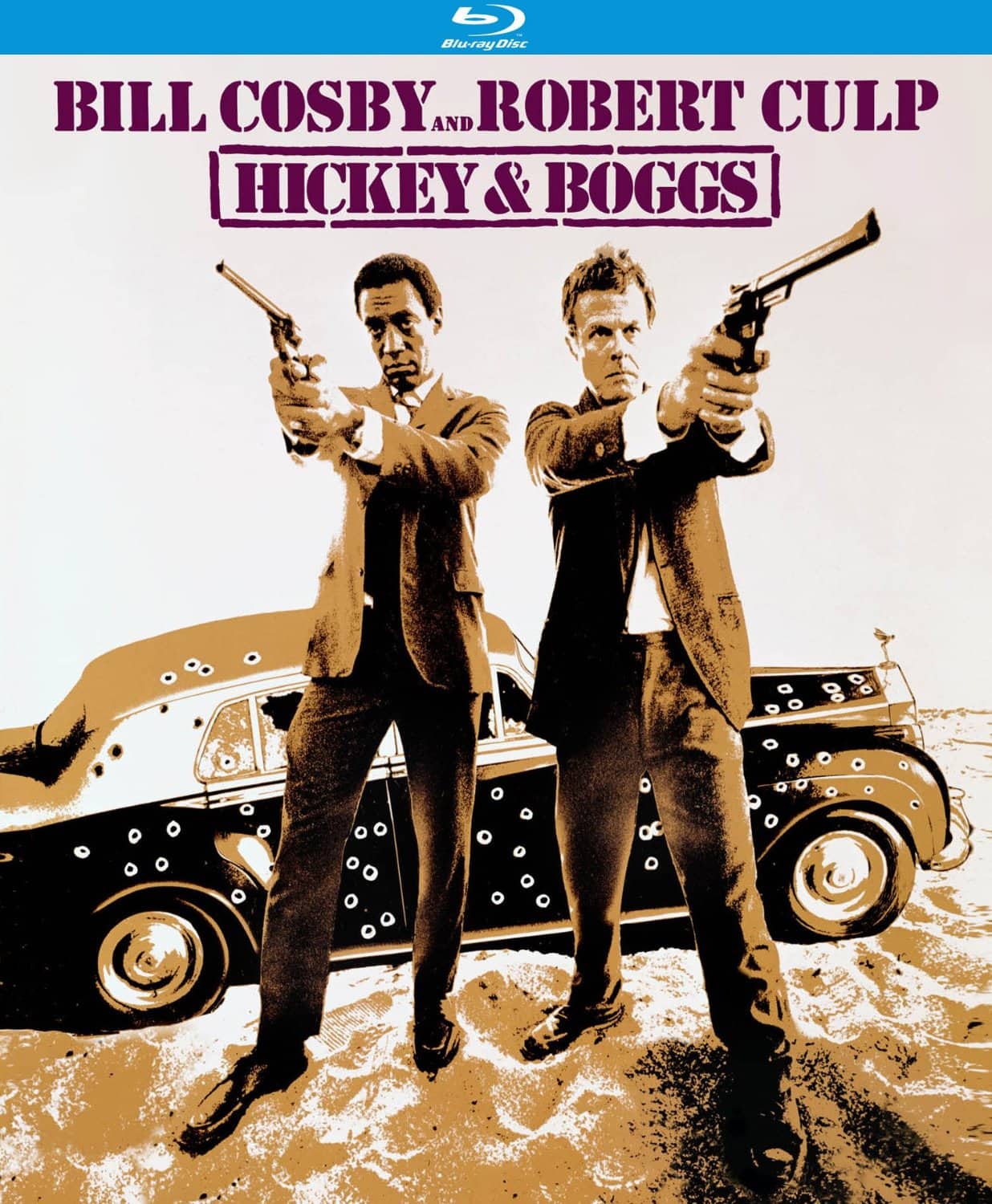
Though it’s as bare as barebones can be, this disc offers a surprisingly substantial transfer of a not-quite genre gem.

The film has the plot of an intensely lurid thriller, but Atom Egoyan can’t bring himself to face that and actively tend to the story.

Chuck Workman simply compiles Orson Welles’s greatest moments, offering little in the way of an authorial point of view.

The film grips us with its sense of hypnotic silence, which carries suggestions of what might be termed politically apolitical pragmatism.

Carax’s intoxicating examination of movie love nearly nets the beautiful transfer it deserves.