This is still a sturdy and attractive packaging of a profound and ever-relevantly self-reflexive Welles masterpiece.



Chuck Bowen's writing has appeared in The Guardian, The Atlantic, The AV Club, Style Weekly, and other publications.
This is still a sturdy and attractive packaging of a profound and ever-relevantly self-reflexive Welles masterpiece.
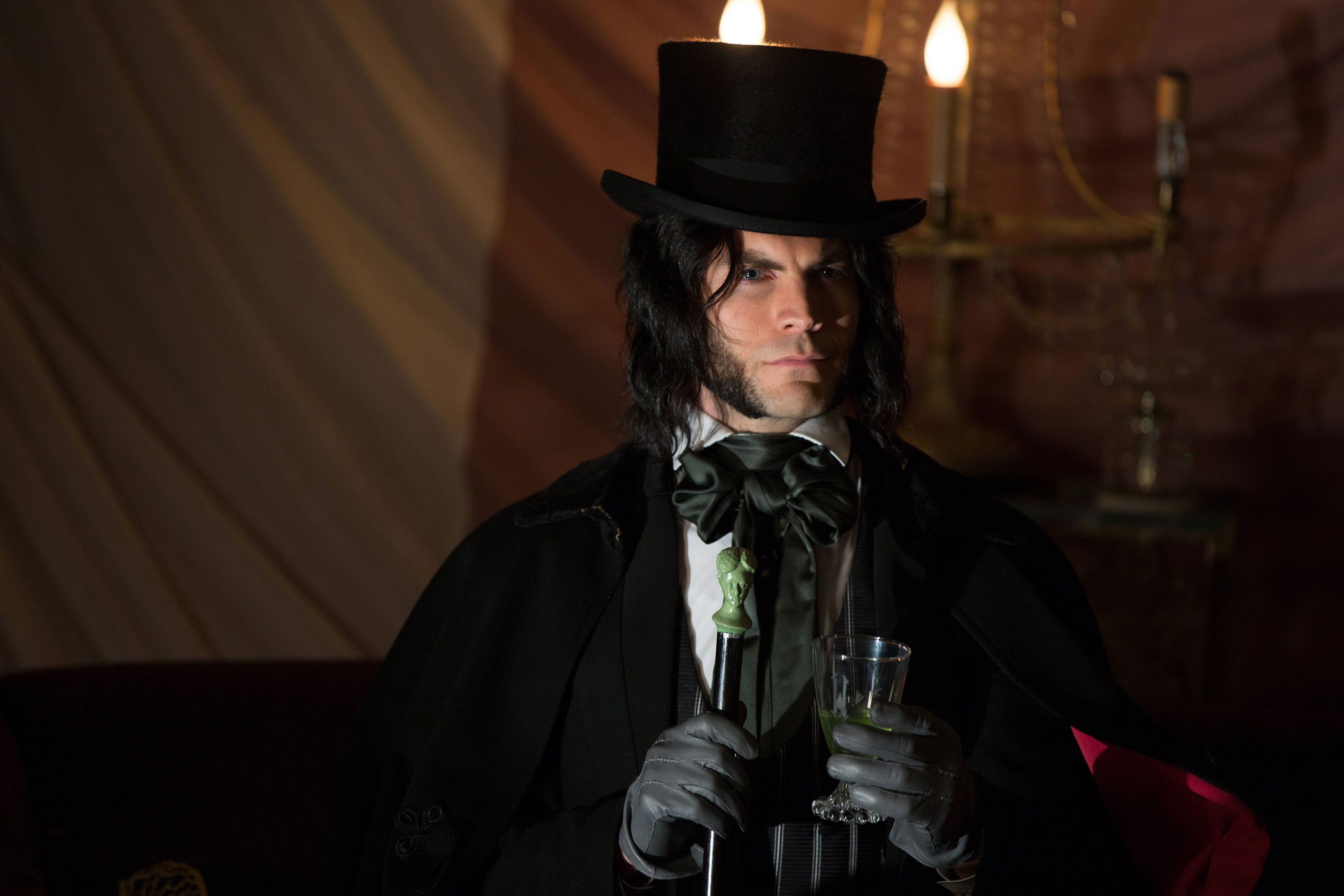
With “Edward Mordrake (Part 1),” Freak Show plays to its strengths, sounding its themes through action rather than talk.
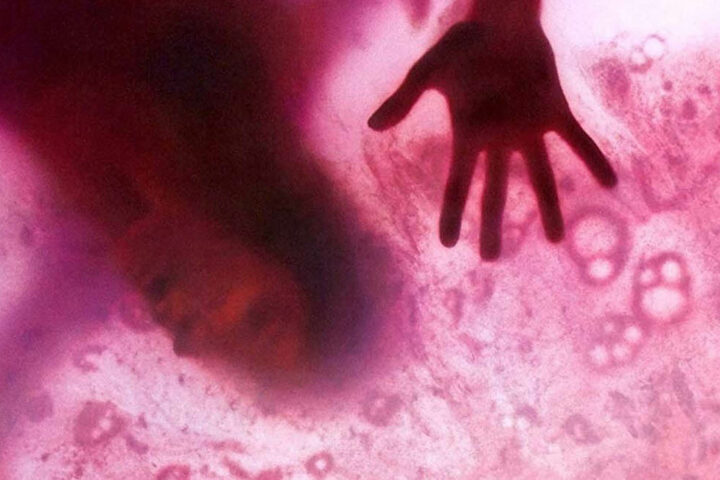
It improves on the original with inventive, gracefully repulsive special effects and an agreeable post-Watergate anti-authoritarian message.
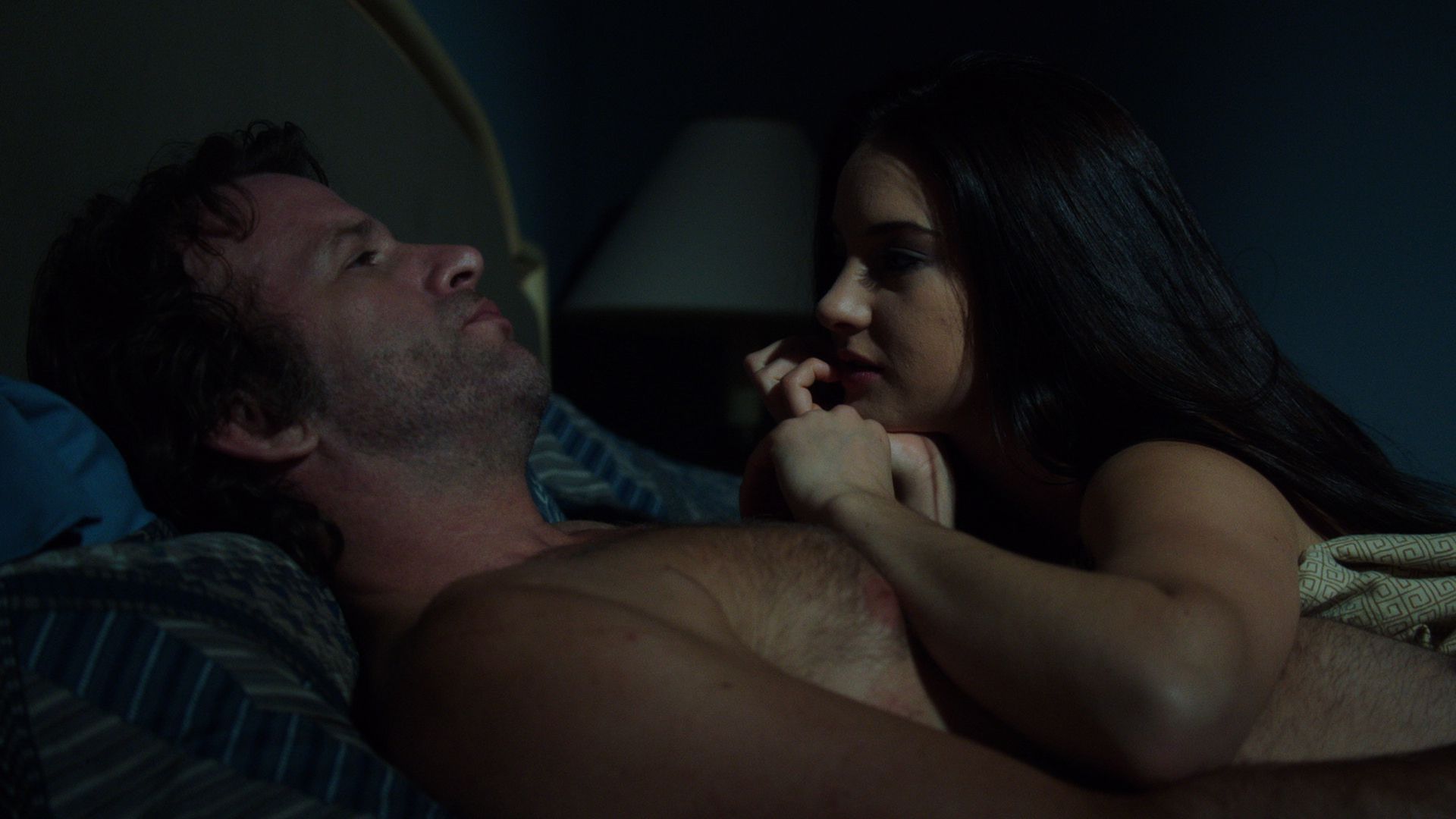
Gregg Araki’s film suggests a hothouse melodrama that’s been drained of the hothouse, the melodrama, and any other discernably dramatic stakes.
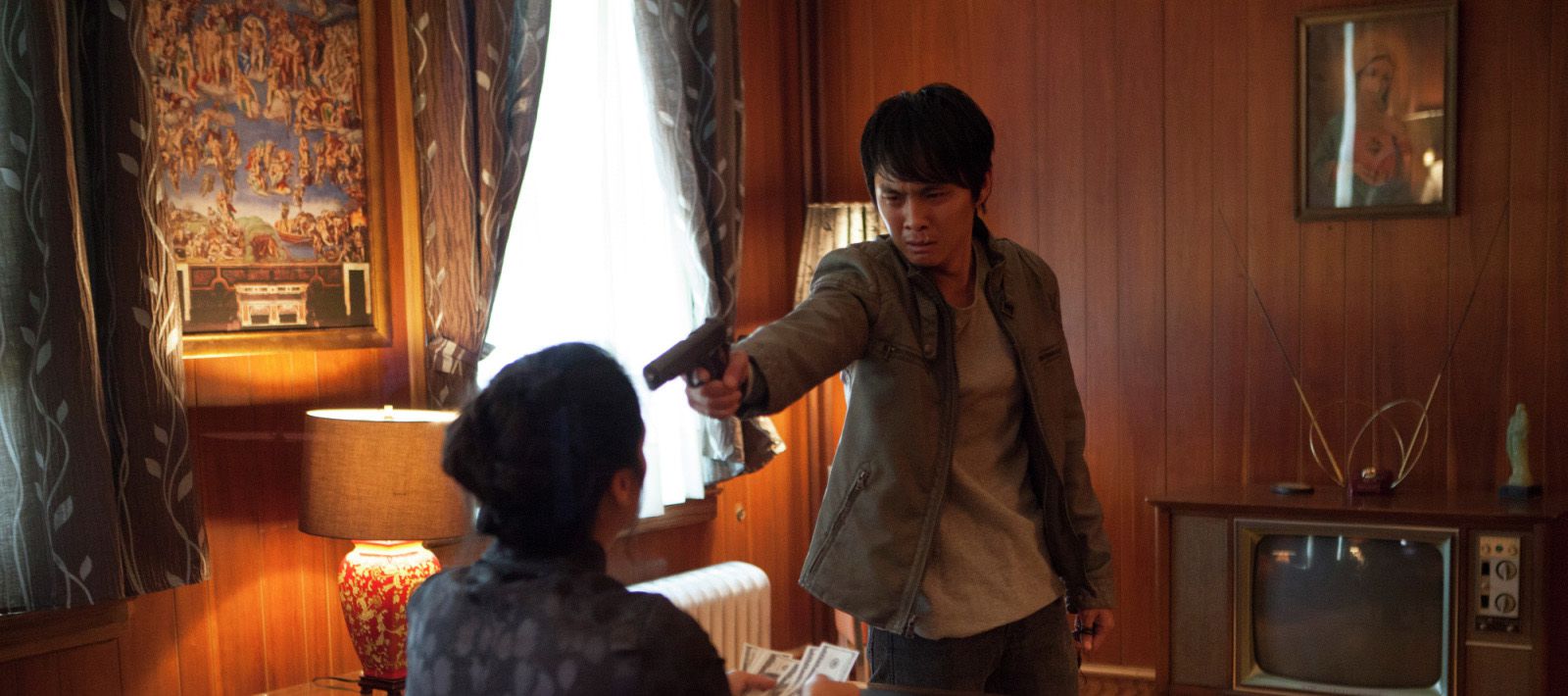
It tries to cut cool-movie poses under the pretense of providing an alternative racial viewpoint to typical genre tropes.

It allows us to leisurely soak in the considerable atmospherics of Elsa’s financially imperiled Cabinet of Curiosities.
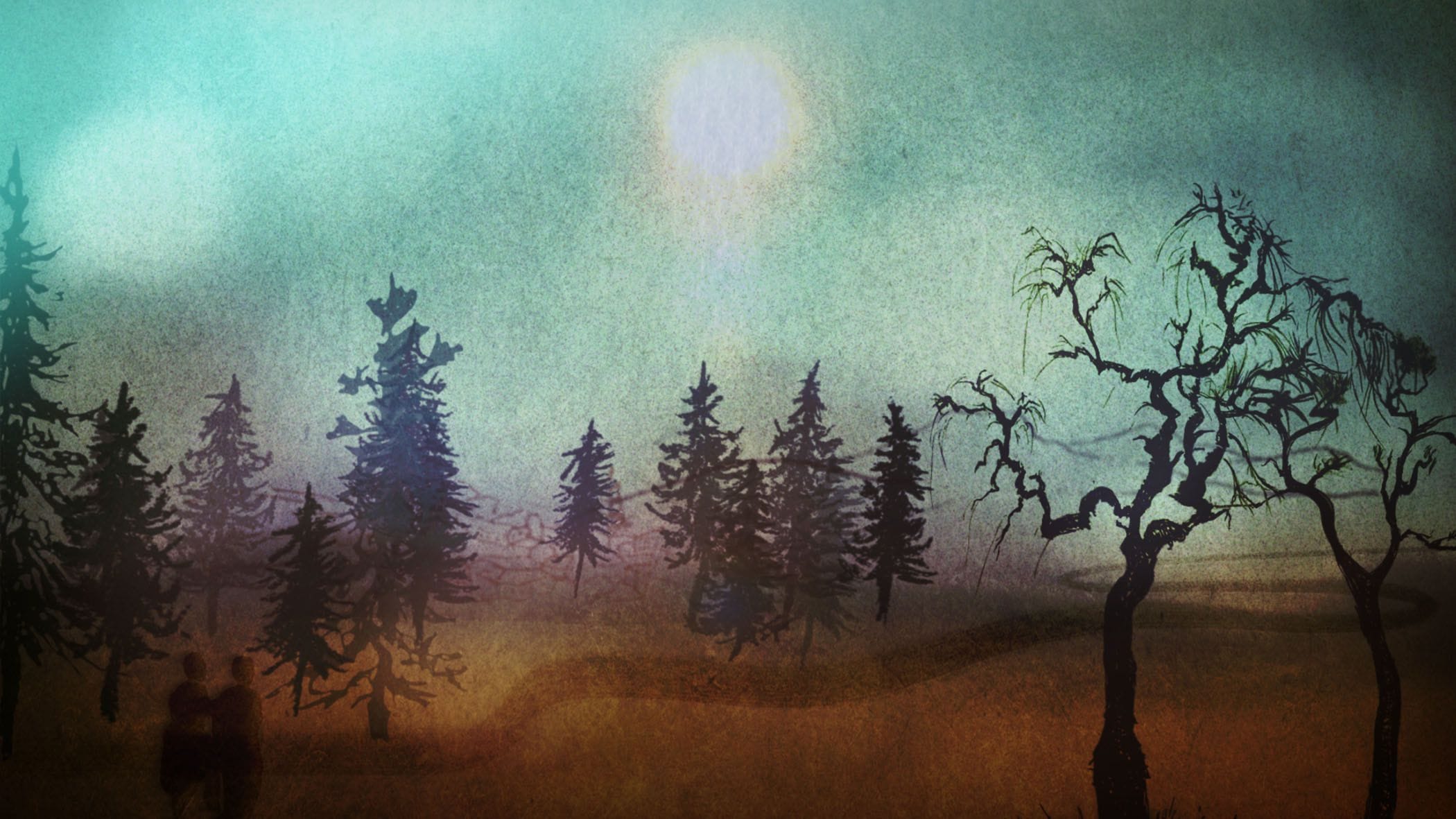
This is, to put it mildly, a lot of information for one documentary, which inevitably devolves to resemble not so much an anthology as a slideshow of genocide’s greatest hits.
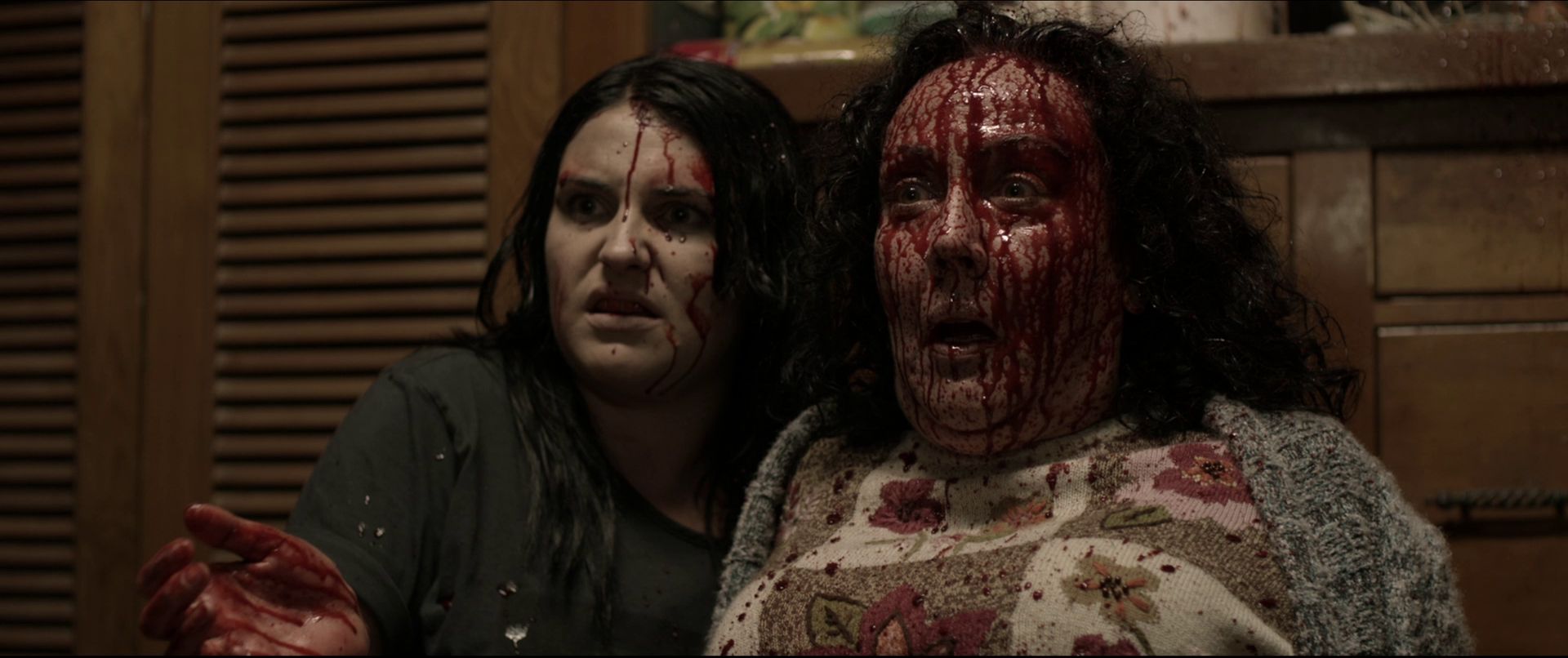
You grow to feel as if you’re arbitrarily changing the channel back and forth from a diverting horror film to a promising odd-couple comedy.
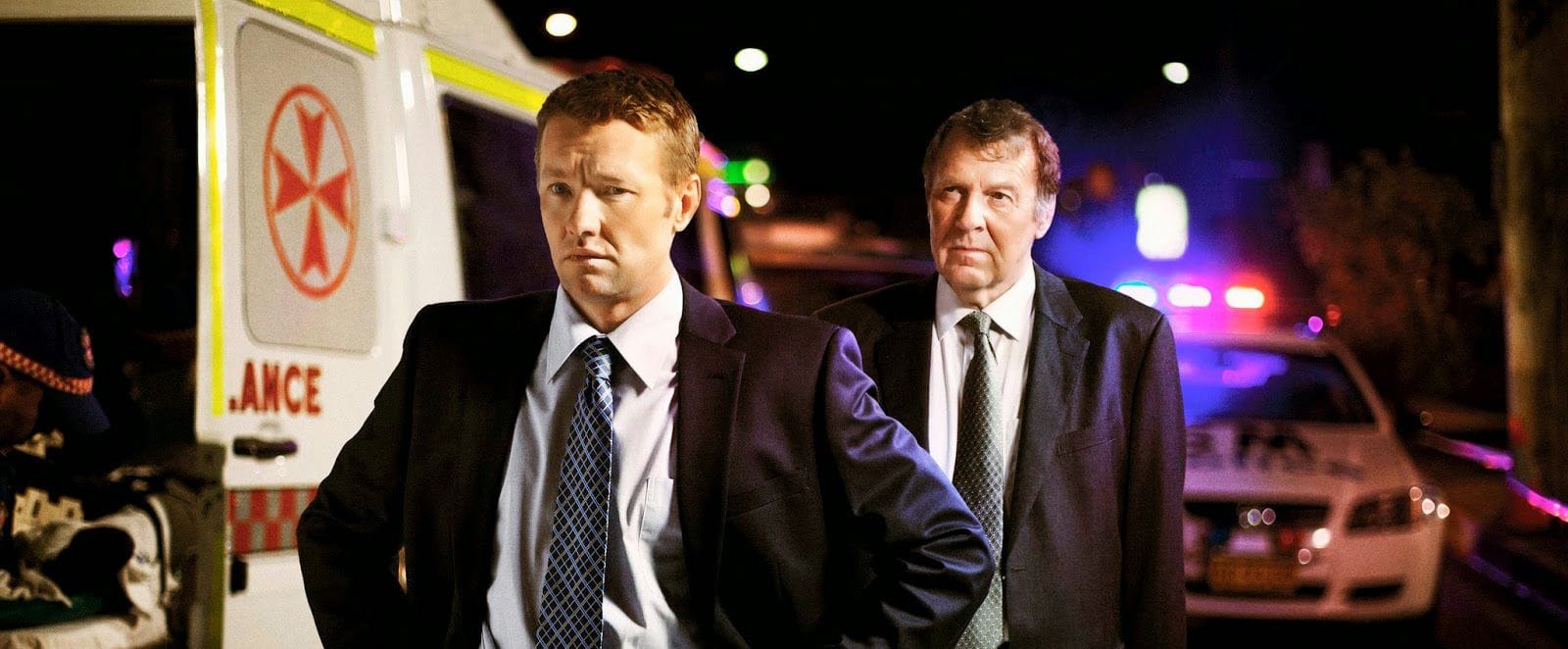
Felony reveals itself to be a profoundly cynical movie posing as a work of idealism.

It’s clear that creators Ryan Murphy and Brad Falchuk have returned ready to play.

Camilla Luddington refuses to predictably foreground her character’s escalating fear, allowing us instead to see that fear as being at war with her inquisitive intelligence.
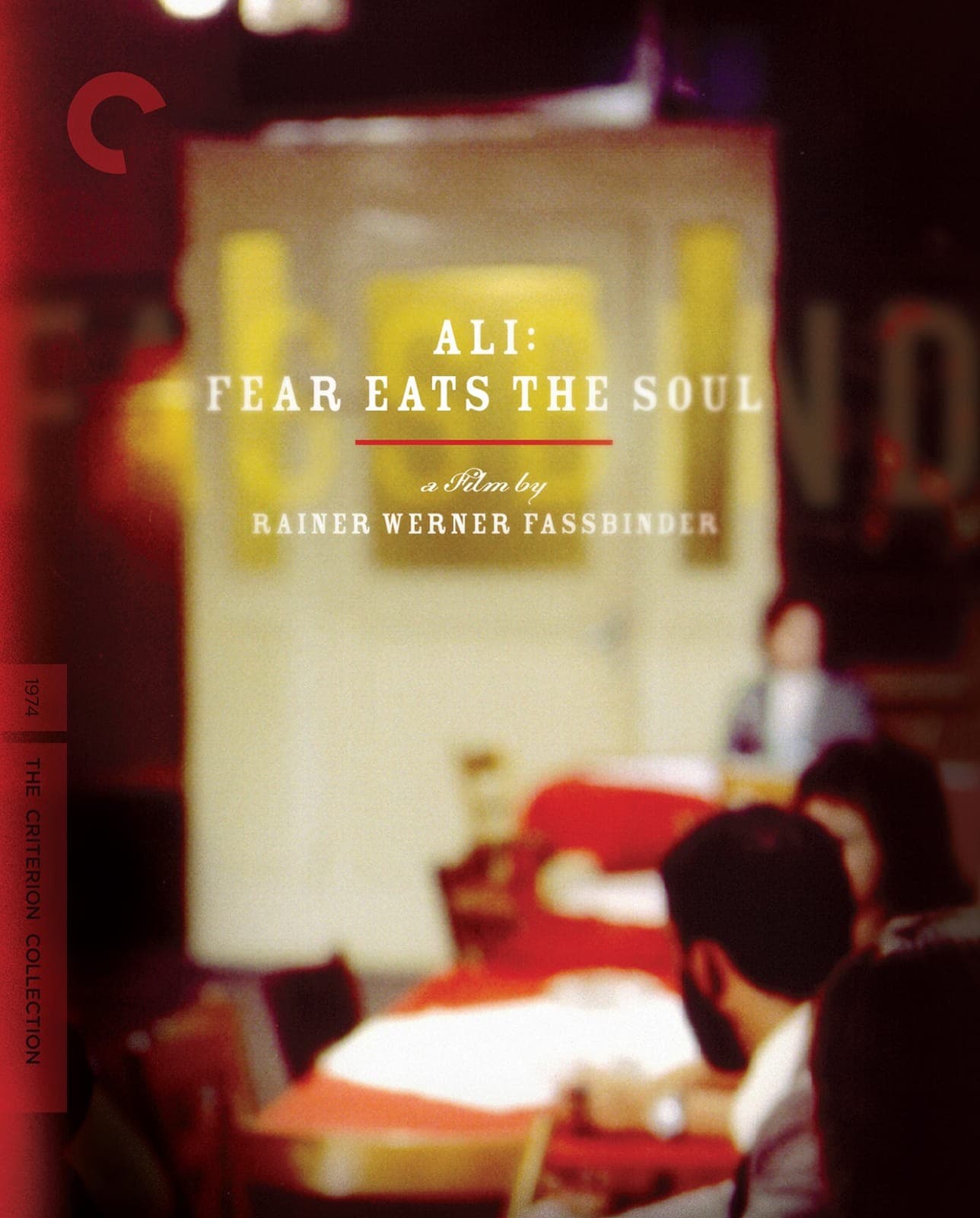
This is on of Fassbinder’s most penetrating examinations of the social challenges of extending and receiving true, uncompromised empathy.
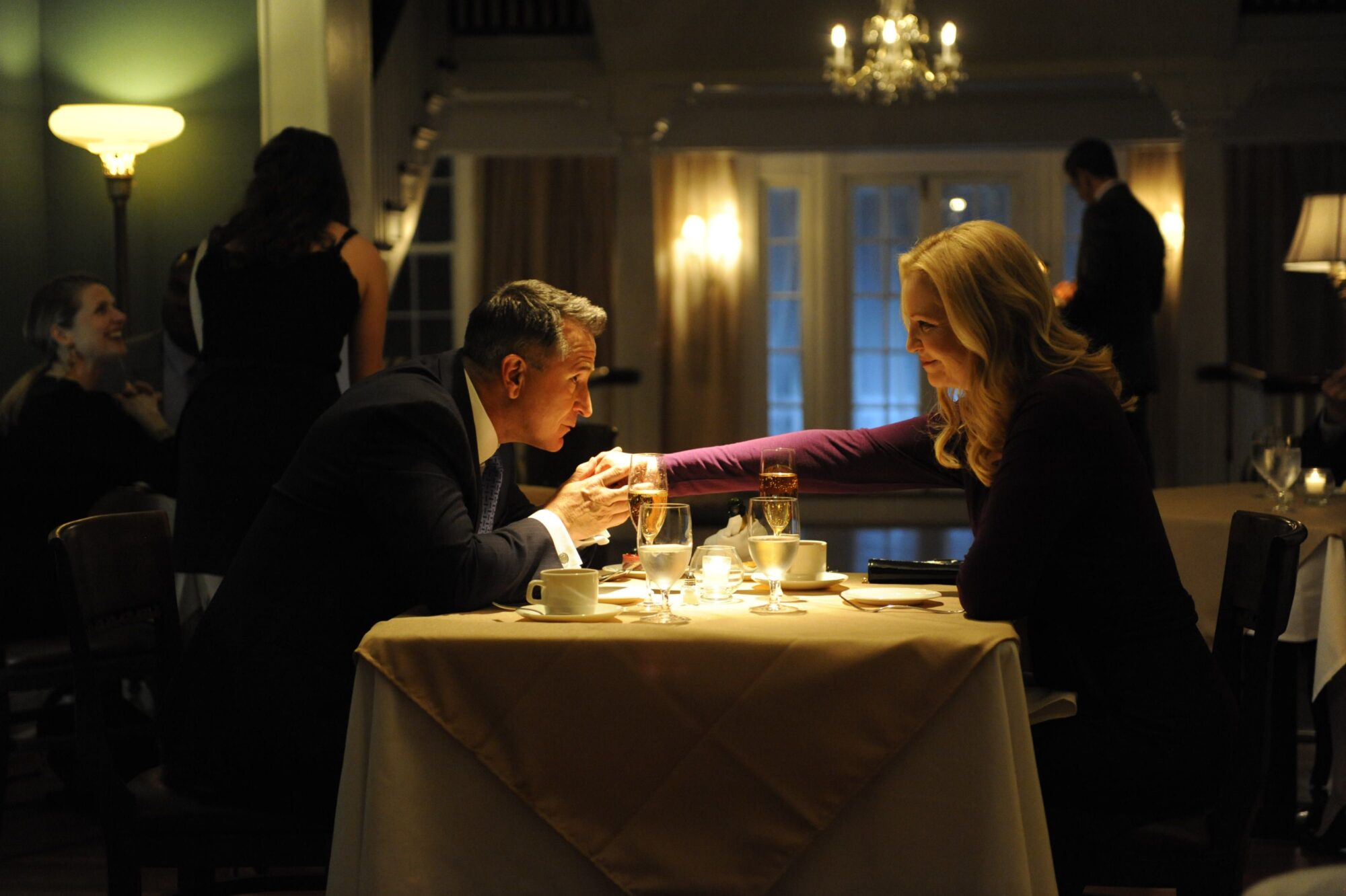
It could have used far more of King’s mordant humor, which might have imbued the metaphorical autumnal proceedings with a much-needed jolt of pop anarchy, or even pathos.

Drive Hard is the action-film equivalent of one of those folks who relentlessly speak of having it tough all over as they plan their third yearly vacation.

The series is primarily occupied with providing the viewer with a collection of future super-villain Easter eggs.
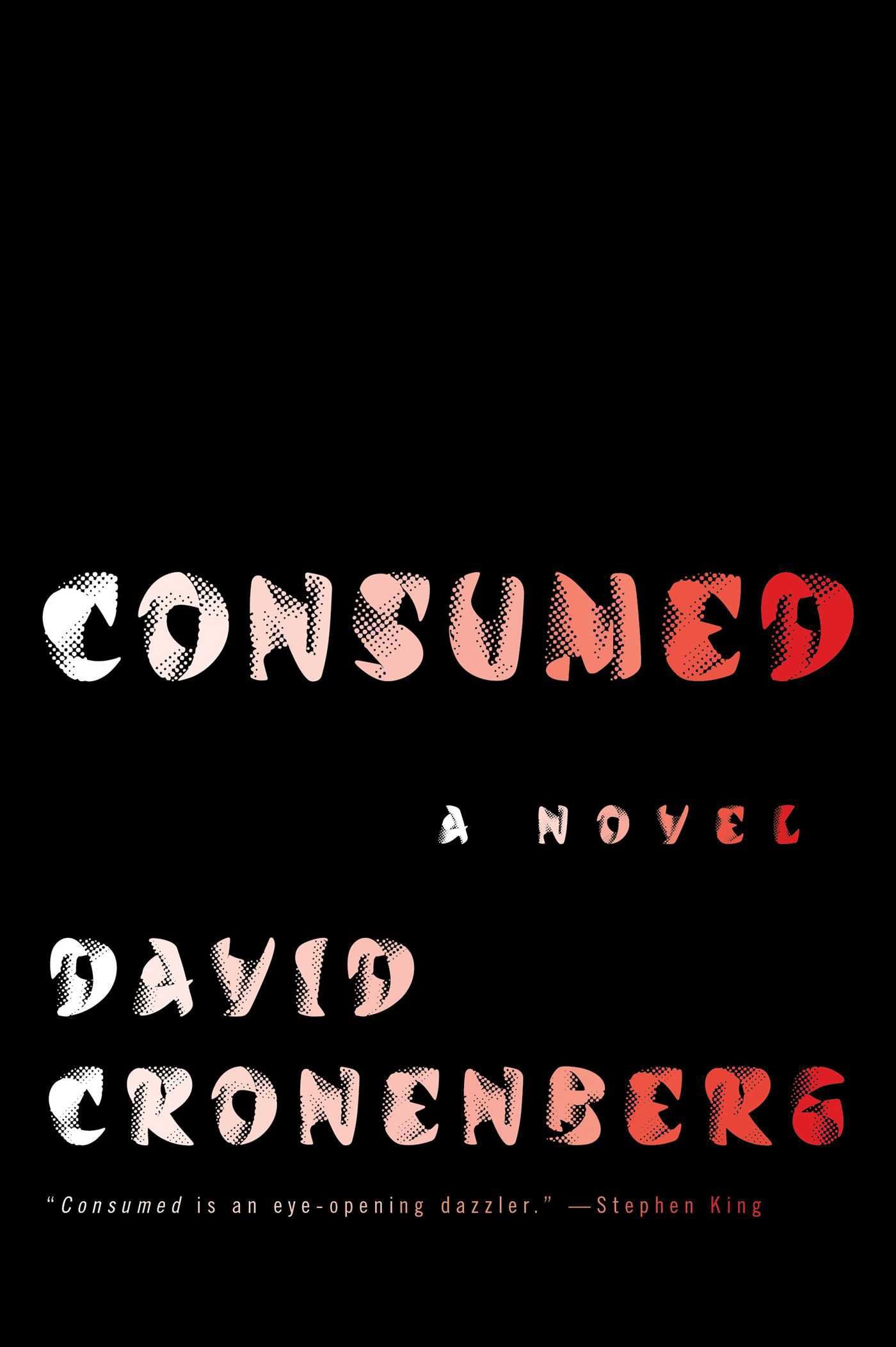
The novel suggests a print fusion of the filmmaker’s early, grungy, bluntly metaphorical work with the subtler, formally refined, classical elder-statesman films of his most recent period.

It speaks of the chaotic exhilaration of fostering discourse that might initiate real social engagement.

Lilting doesn’t have any momentum or any sense of ambiguity, once the setup has been established.

The film receives a dense and gorgeous Criterion transfer that allows its amazing aesthetic complexity to reach full ghostly bloom.

Time has revealed Hangmen Also Die to be one of Fritz Lang’s sharpest, bleakest, and most dizzyingly inventive thrillers.