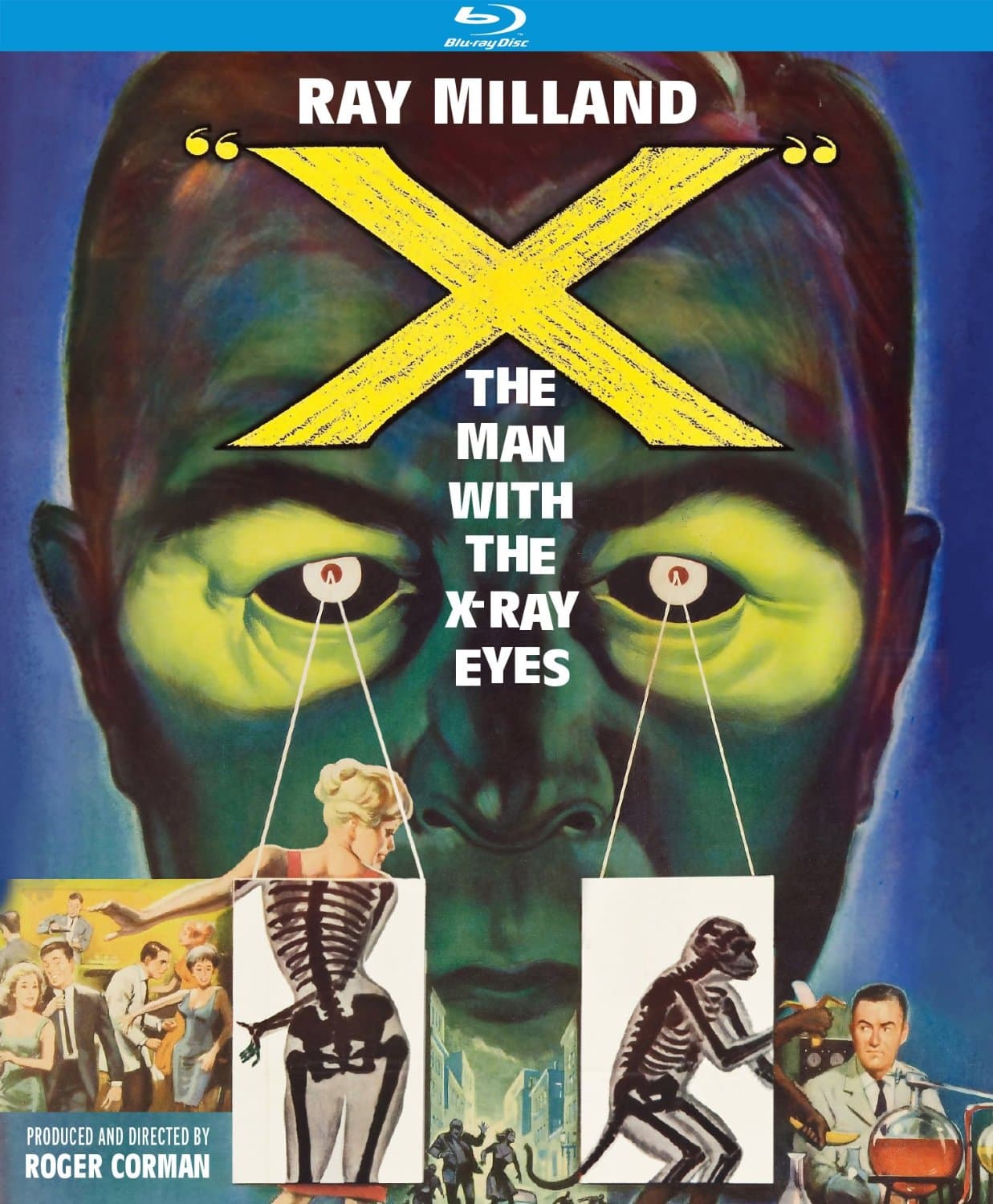
One of Roger Corman’s leanest, meanest, most disturbing, and ambitious films receives primo Blu-ray treatment courtesy of Kino.


Chuck Bowen's writing has appeared in The Guardian, The Atlantic, The AV Club, Style Weekly, and other publications.
One of Roger Corman’s leanest, meanest, most disturbing, and ambitious films receives primo Blu-ray treatment courtesy of Kino.

The first couple of episodes of season three of Maron are slight to the point of near nonexistence.

The film attempts to acknowledge the pain of warfare within the framework of a story that lends it patronizing closure.

There’s no beauty to this film, little rhythm, none of the physical grace that action-film fans crave even if they don’t know they do.

The transcendence it offers isn’t to be taken lightly considering the near impossibility of living professionally as an artist.

Like J.K. Rowling’s Harry Potter books, The Casual Vacancy is informed with a Dickensian outrage with class inequality.

The red-headed stepchild of Sam Peckinpah’s career is accorded an uneven A/V clean-up by Kino Lorber.
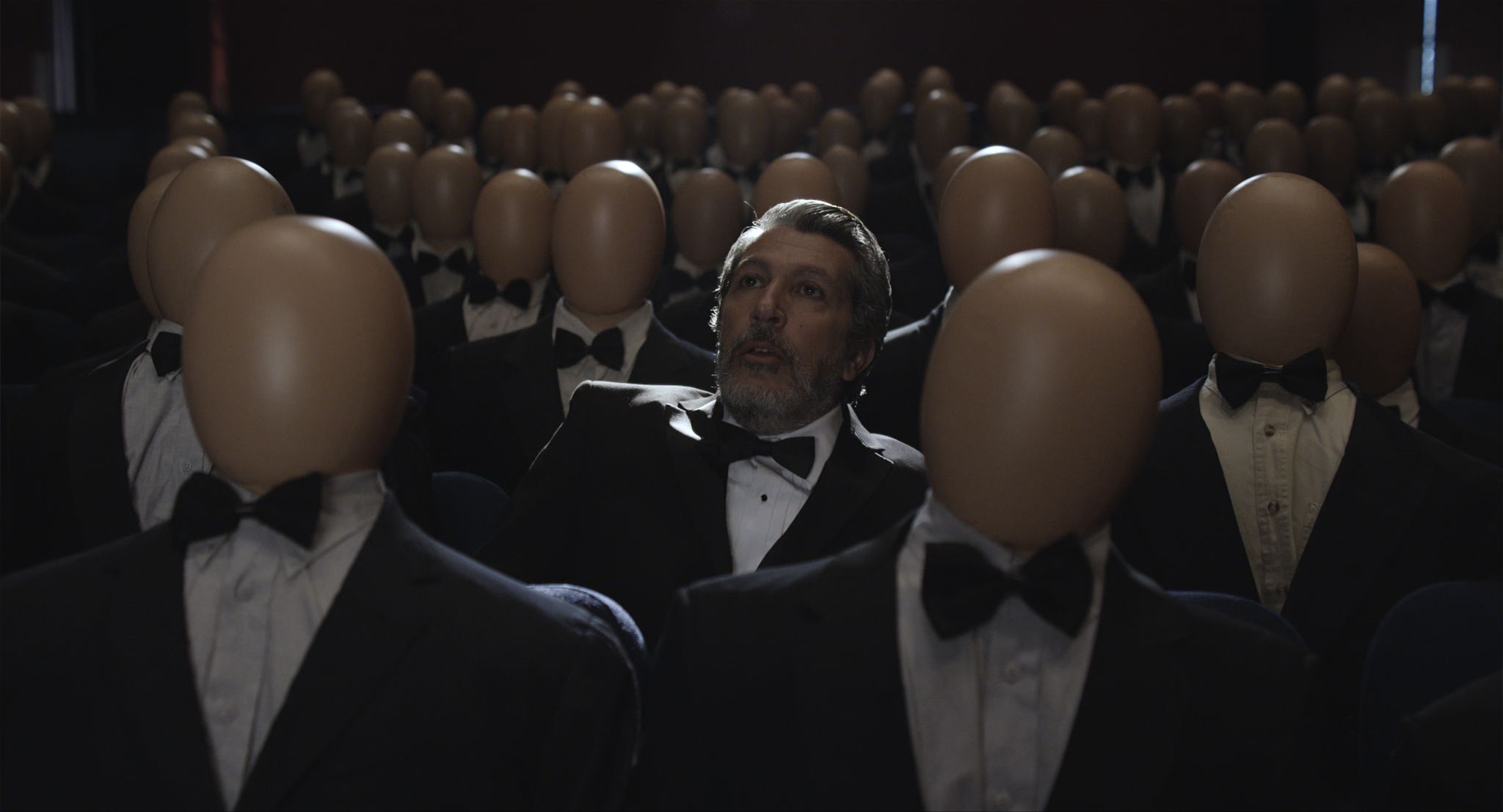
Quentin Dupieux renders otherworldly concepts banal in ways that reflects the stymied desires of his characters.

It often suggests a less defiant cover of The Defiant Ones, yet it’s a must-see for Mortensen’s characteristically wonderful performance.

Albert Maysles’s portrait of Iris Apfel gradually emerges with cathartic clarity without compromising her inherent mystery.

Niccol has awkwardly shoehorned in broad talking points from various sides of the drone controversy.

Happyish is the TV equivalent of a rich, materialistic smartass who’s obnoxiously insisting that they’re sensitive inside.

A sluggish fusion of a disease-of-the-week tearjerker with a comedic family crime romp that abounds in Boston-crime-movie details.
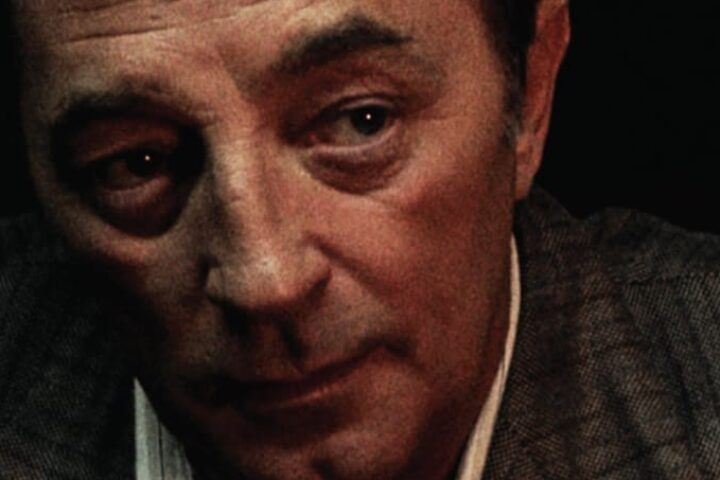
The film is a great, beautifully acted American crime drama that chillingly refutes the heightened macho swagger that often dominates the genre.

Chris Messina is a little too indifferent to the machinations of the plot, but the film is a romantic daydream that casts a lovely spell.

The film is overrated by its cult, but has its charms, which are well represented by this attractive and reverent package.
A harrowing tale of a mother-son haunting that manages to uncomfortably detonate several theoretically reassuring parental platitudes.

Director John McNaughton, once an agile orchestrator of seemingly incompatible tones, has retained his talent for teasing insinuation.

The film is so unusually moving and penetrating because it refuses to cloud its emotions in distancing irony, anger, or nihilism.

Asghar Farhadi’s sensibility embodies a combination of empathy and paranoia that’s striking considering that the latter is normally driven by self-absorption.