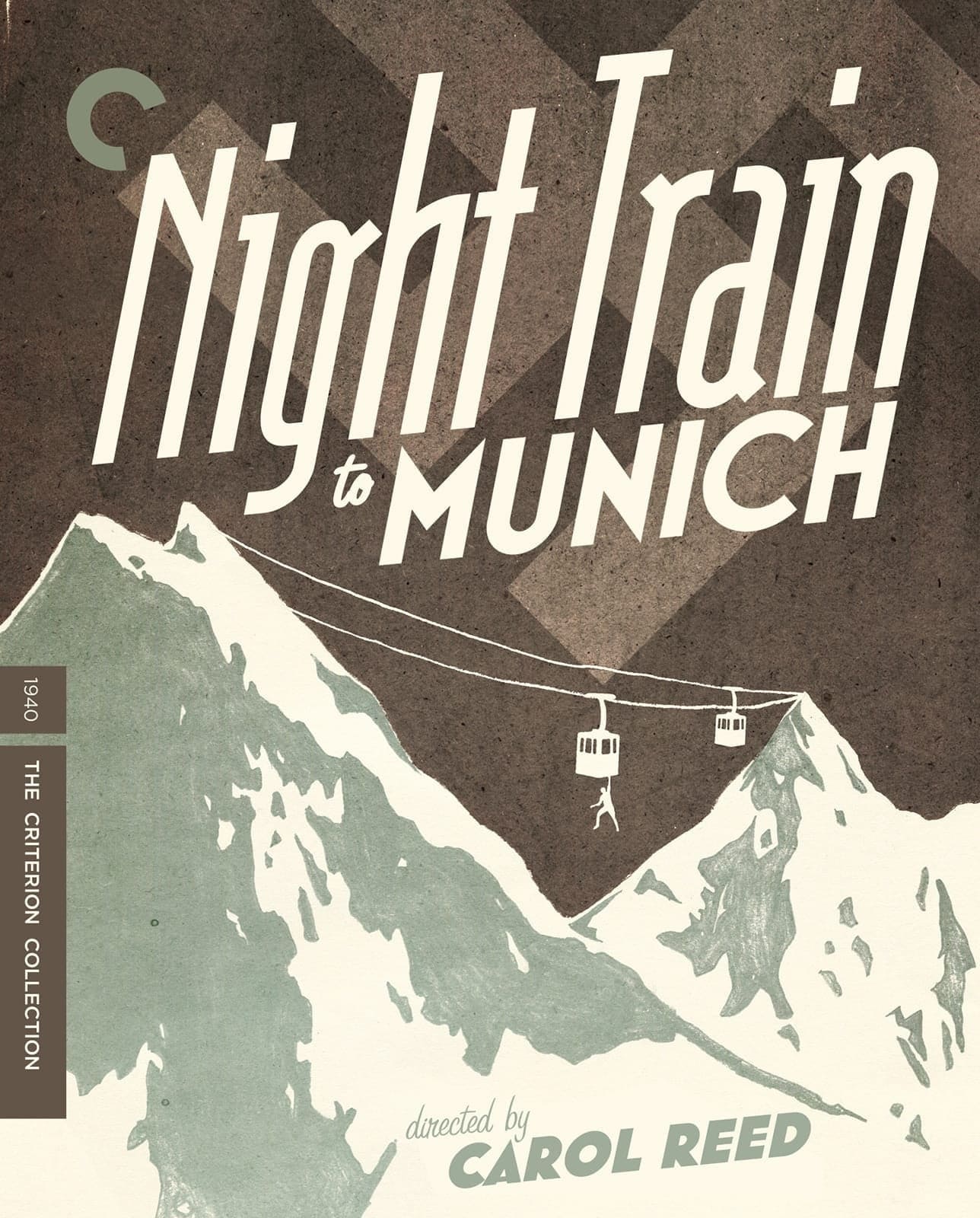
This Criterion transfer of Reed’s crackerjack war-time genre-bender is serviceable rather than extraordinary.


Chuck Bowen's writing has appeared in The Guardian, The Atlantic, The AV Club, Style Weekly, and other publications.
This Criterion transfer of Reed’s crackerjack war-time genre-bender is serviceable rather than extraordinary.

It receives a robust transfer and only a few cursory extras, though that shouldn’t keep one from adding this disarmingly sensual film to their libraries.
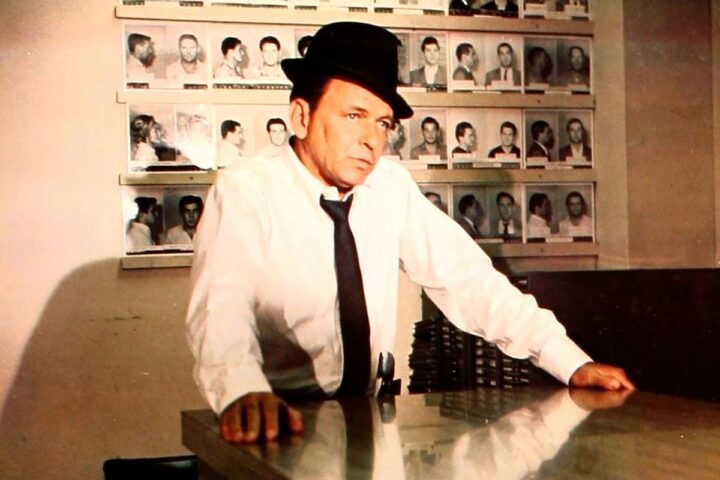
The political resonance of Frank Sinatra’s sleepwalking through these two films is unsubtly reactionary.

Cinemax’s Quarry suffers from a sense of prescribed and stiflingly tangible heaviness.

Leyla Bouzid successfully dramatizes how young people eroticize peril and risk due to a lack of experience.
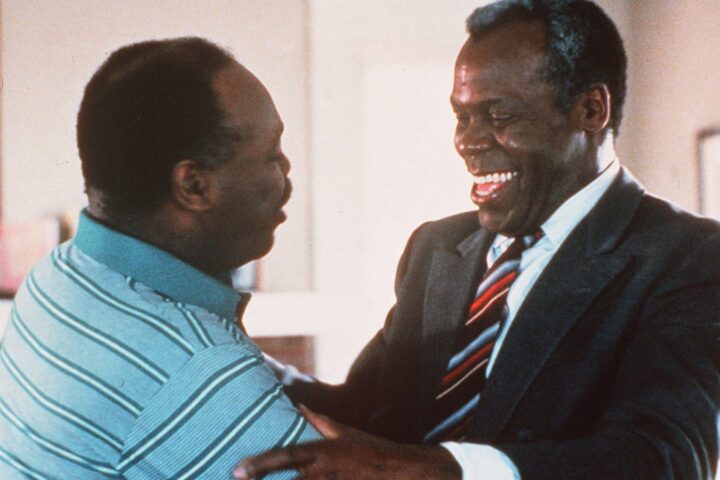
Charles Burnett bridges theatrical dialogue, portentous omens, and presentational acting with masterful grace.

Atlanta exhilaratingly explores the complicated intersections between pop culture, capitalism, and crime.

It relies less on in-camera stunts than editing that renders vague gibberish of the altercations.
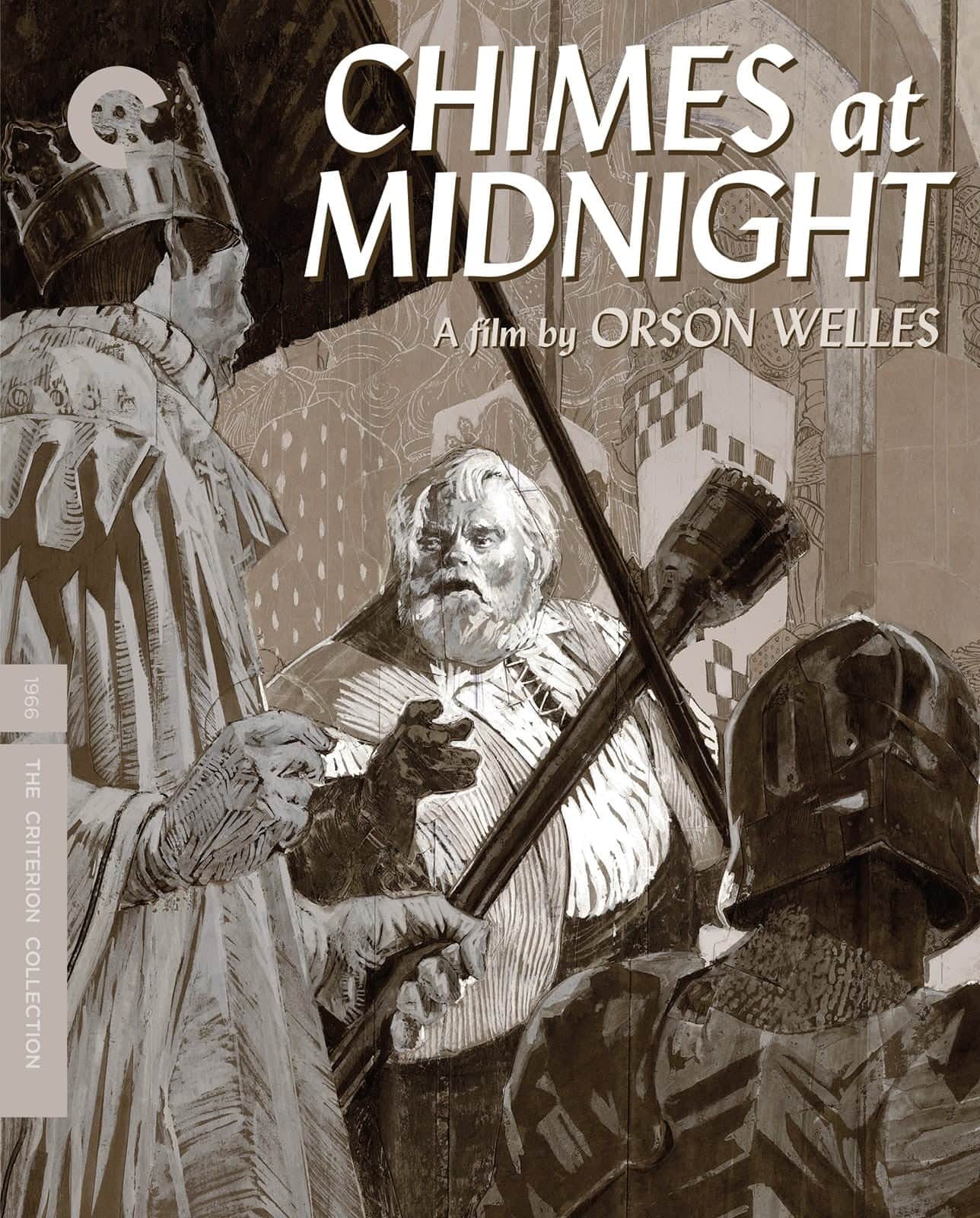
This revelatory restoration of Welles’s masterpiece could play a significant role in the film’s subsequent place in cinema’s history.

The film occasionally and promisingly suggests an obsessive and free-associative paean to regret.
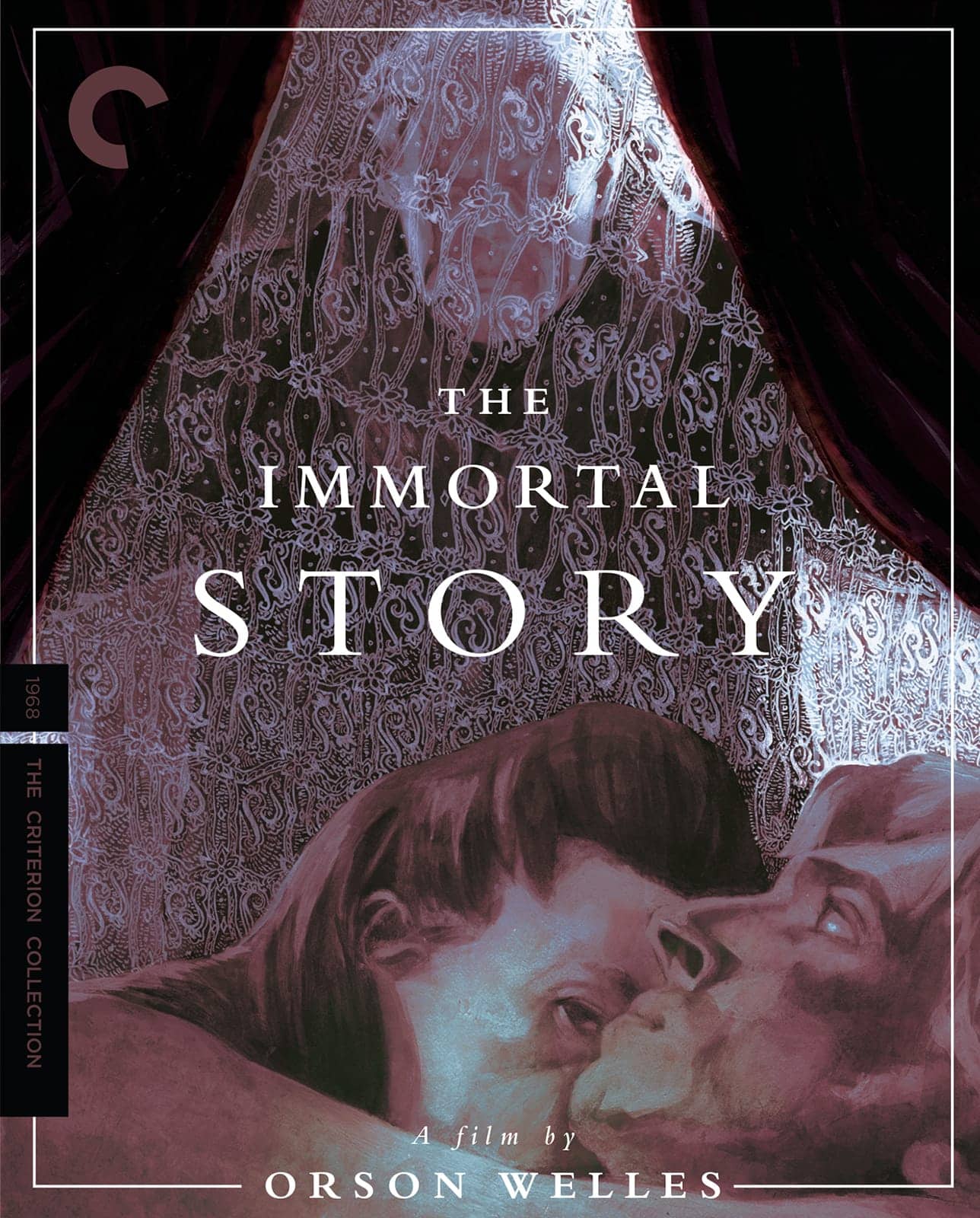
Criterion has performed an invaluable service to cinephilia by refurbishing another of Orson Welles’s obscure late-career masterworks.

Underneath the impersonal formal beauty and good acting is a familiar moral about self-imposed limitations.
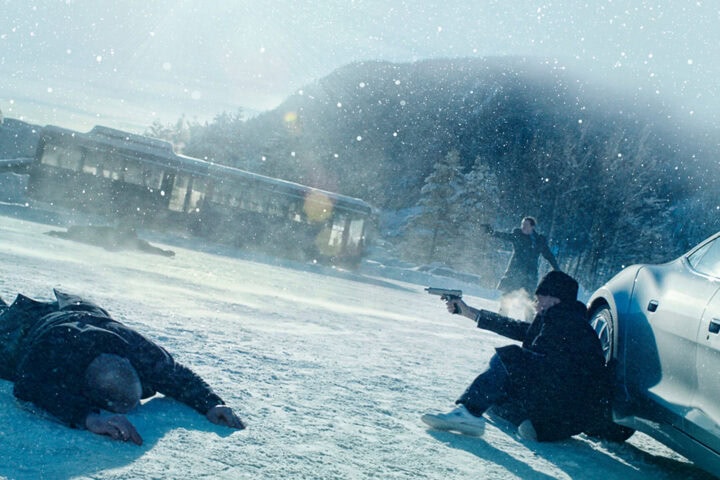
The film has been executed with a sense of formally stylish and thematically symmetric panache.
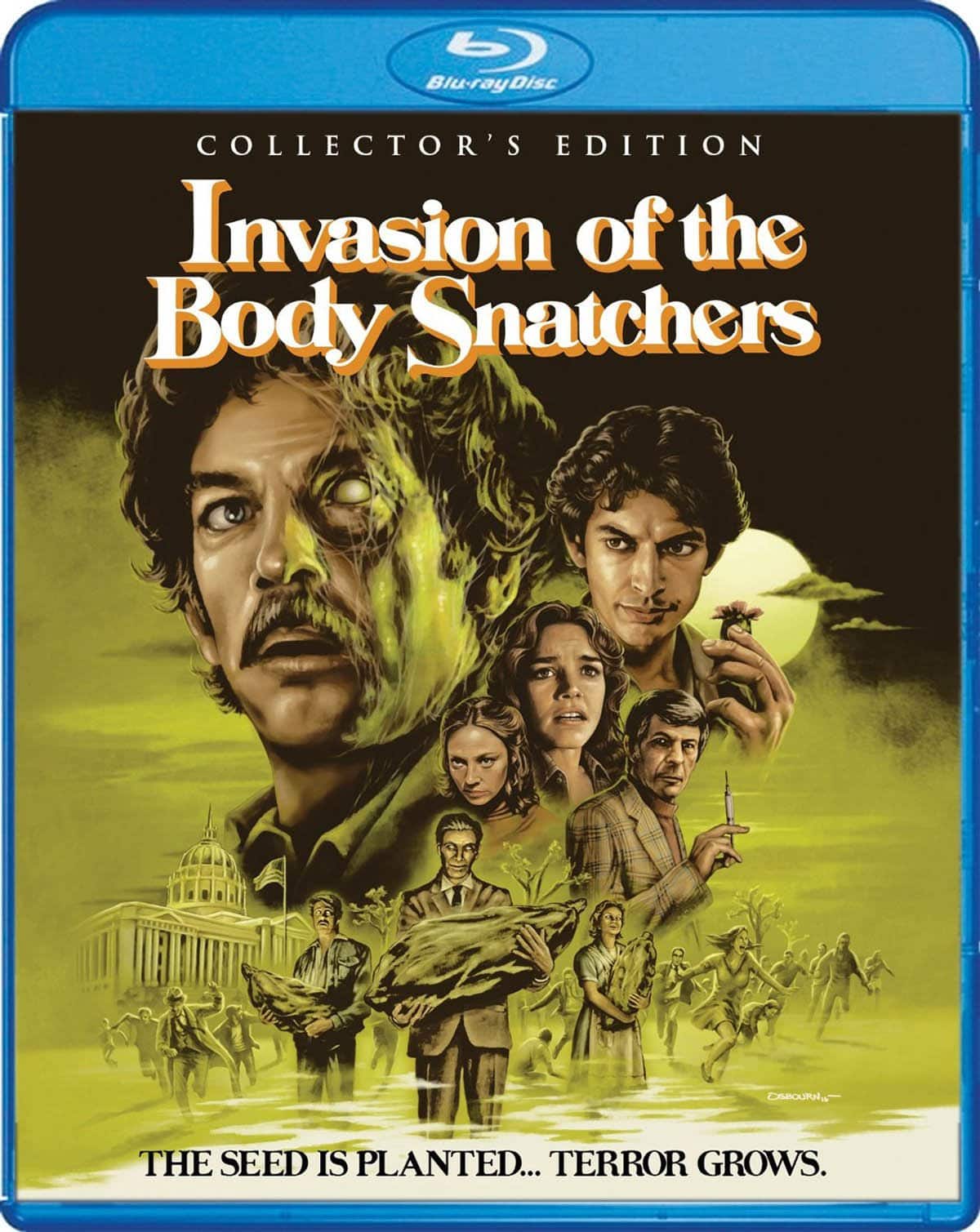
Shout! Factory’s disc is an attractive restoration of a funny and terrifyingly sensual portrait of conformity.

It movingly posits acting as a metaphor for the search for connection, through visceral texture rather than platitude.

It routinely alternates between episodes that contrast exhilaration with exploitation and damnation.

Jean-François Richet’s film shrewdly capitalizes on Mel Gibson’s off-screen embarrassments and controversies.

The film’s images have a loose, rough, textured liveliness that honors the spirit of Chinatown Fair.
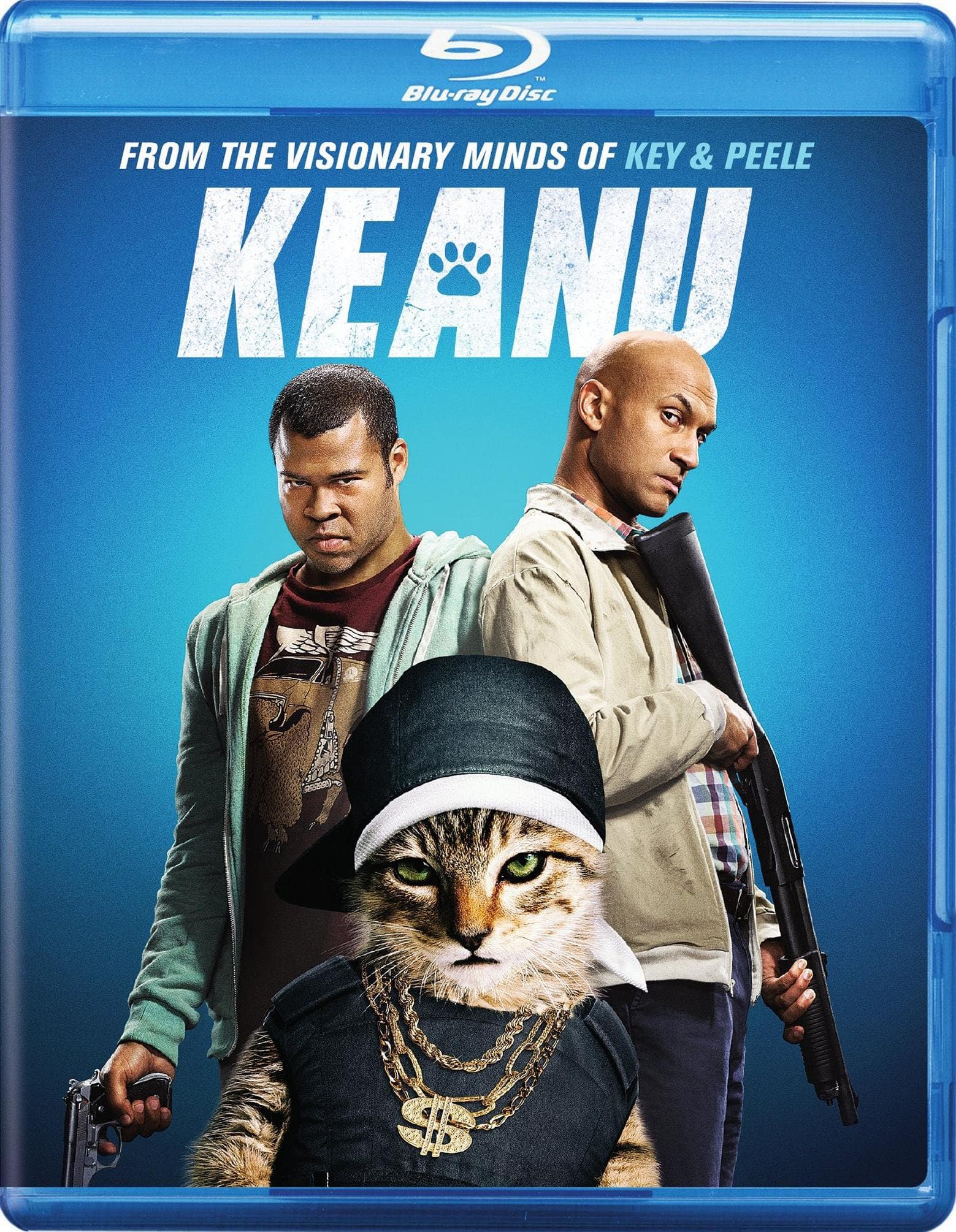
The film receives a fine transfer and a nearly nonexistent supplements package.

A concern of stereotypes, and multimedia’s exploitation thereof, runs through this haunting collection.