Raymond De Felitta’s film offers a sampler course of formulas, which creates a strangely unfulfilling tension.



Chuck Bowen's writing has appeared in The Guardian, The Atlantic, The AV Club, Style Weekly, and other publications.
Raymond De Felitta’s film offers a sampler course of formulas, which creates a strangely unfulfilling tension.

It masterfully sustains a sense of “wrongness” that will be felt even by those unfamiliar with Argentina’s history.

Criterion offers what should prove to be a definitive transfer of a pivotal and still overwhelmingly intimate David Lynch film.

Marc Maron’s commanding aura of regret gives the film, despite its missed opportunities, an emotional center.

Mamet’s first, best, and most influential film receives a sturdy transfer that could nevertheless use a bit more refurbishing.

The film is a brutal examination of social isolation and malaise.

This project continues to expand our grasp of the horror genre as well as of American independent cinema at large.
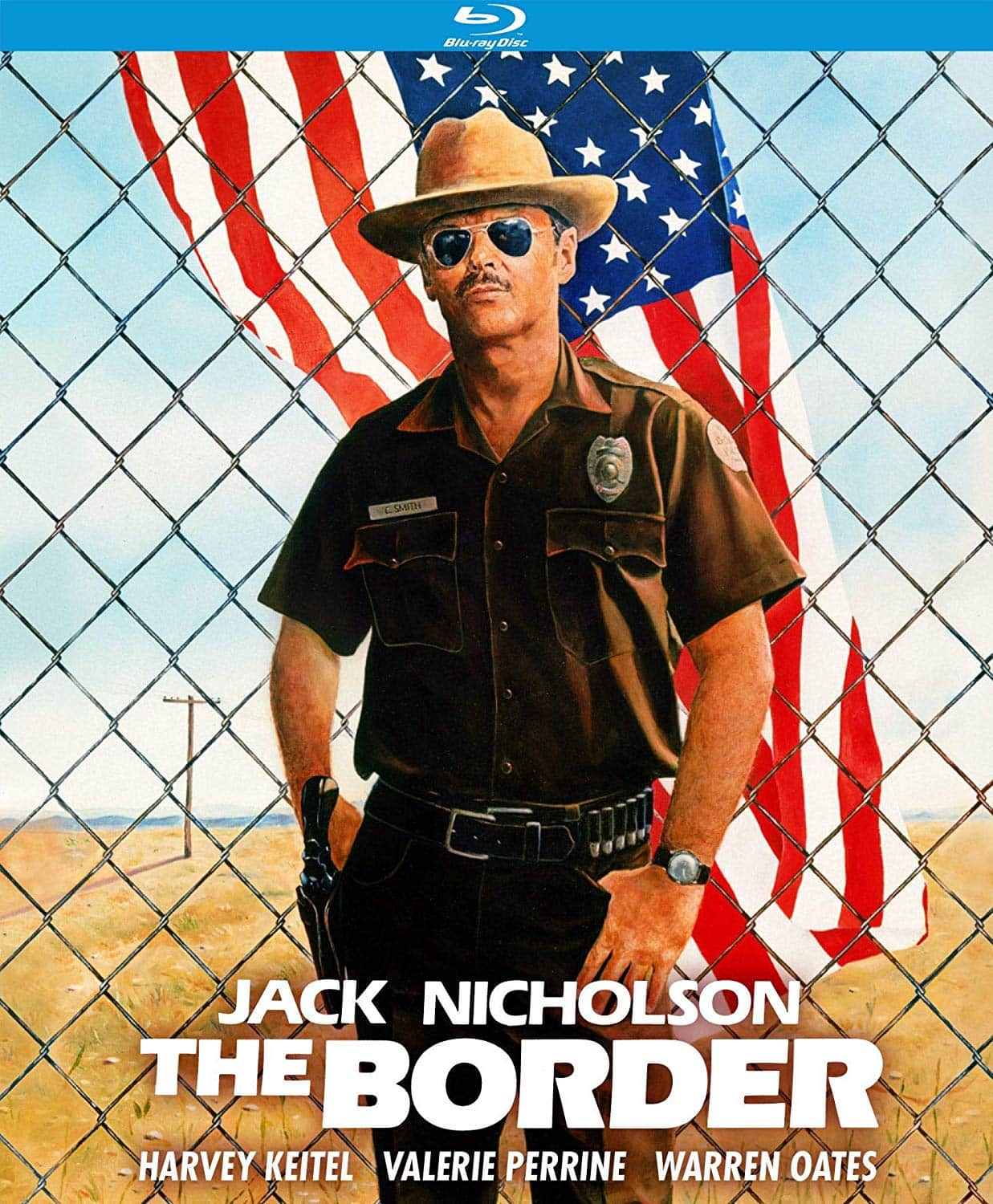
Kino offers a beautifully lurid transfer of a greatly underrated Jack Nicholson thriller.

The film ably plumbs the fears of a well-meaning man who tries his best to play by the rules of middle-aged courtship.

Universal outfits Peele’s neurotic, fatally self-conscious film with a luxurious transfer that should please fans.

The anthology justifies Mick Garris’s passion for horror, though he ironically proves to be one of his project’s liabilities.

In the end, the film feels like a sketch that’s been offered in place of a portrait.

The true shock of Rolling Thunder Revue is in how good, how alive, Dylan is on stage.
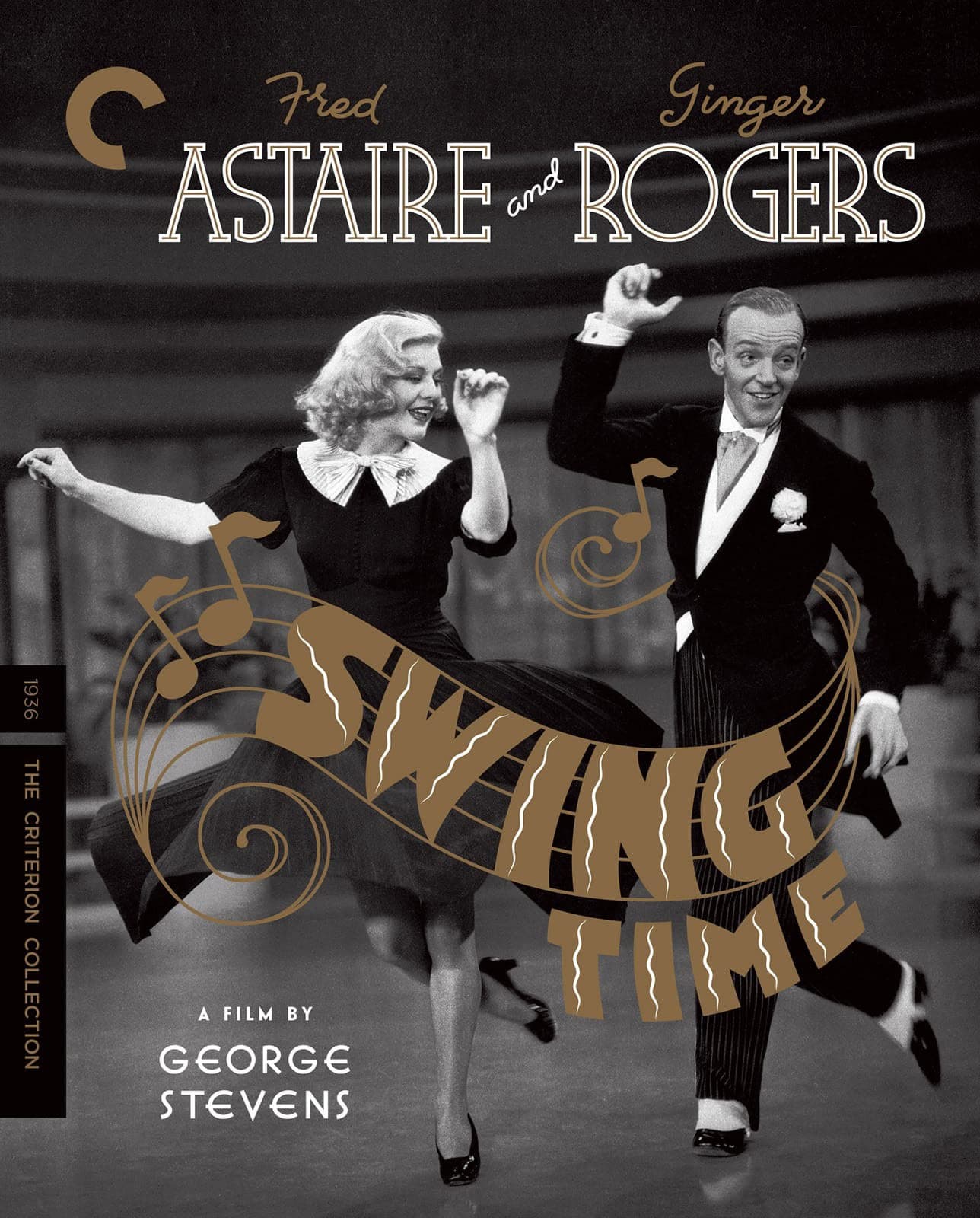
Criterion offers a lovely transfer of one of Fred Astaire and Ginger Rogers’s most enduring films.
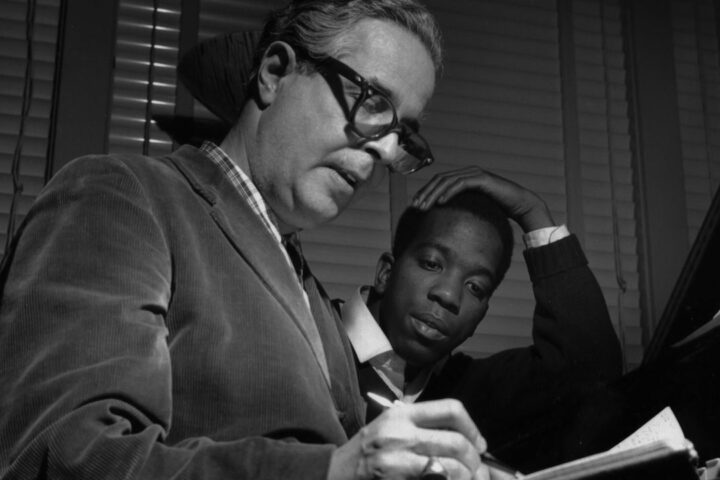
The documentary proves that the history and mythology of American jazz is as intoxicating as the music itself.

Despite a few undeniably intense and lurid moments, the film lacks the pulsating fury of a significant genre work.

Beautiful loneliness, as the film suggestively reveals, is a texture that Frank knows all too well.

If the movie has the ring of a high school or college reunion, that’s because that’s pretty much what it’s like.

The crazier Richard Shepard’s film gets, the more routine and mechanical it comes to feel.
Kino offers a sturdy transfer of Ashby’s overlooked and still quite volatile feature film debut.