The film is affectingly poignant in its frequently uncomfortable presentation of MacGowan’s physical ruination.



Chris Barsanti has written for the Chicago Tribune, Minneapolis Star-Tribune, Publishers Weekly, and other publications. He is a member of the National Book Critics Circle and Online Film Critics Society.
The film is affectingly poignant in its frequently uncomfortable presentation of MacGowan’s physical ruination.

Hillbilly Elegy feels like a bland feel-good story rather than one part of a longer tragedy with no clear end.
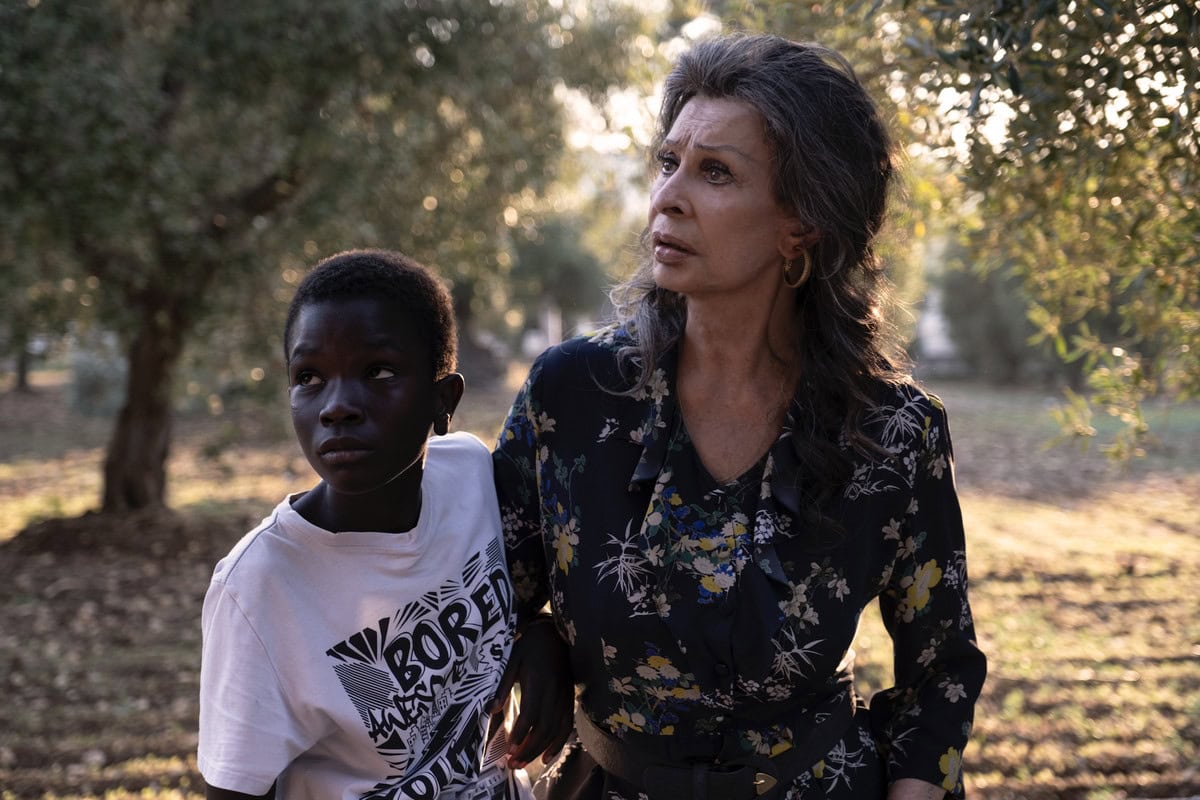
The film doesn’t deliver much in the way of surprises, but it’s more honest than it might initially seem.

The documentary is determined not to be a typical rock-god story with predictable rise-and-fall arcs.

This is a sleeker-looking vehicle that’s eager to be scary but not comfortable being ugly.

The film is a pretty bauble of a thing that ticks off the story’s shock revelations in an efficient, if not particularly surprising, fashion.

The film looks for an emotional payoff by continually upping the stakes of its main character’s self-destructive short-term thinking.

It pulses with relevancy in a time when debates over authoritarianism, protests, and the necessity of radicalism are convulsing America.

The film refrains from any dubious moral calculations by giving King’s personal deceptions the same weight as his public morality.

The final product feels like it would have been most appropriate as a video presentation for the Democratic National Convention.

Throughout, Chloé Zhao generates a gradually swelling tension underneath her film’s somewhat placid surface.
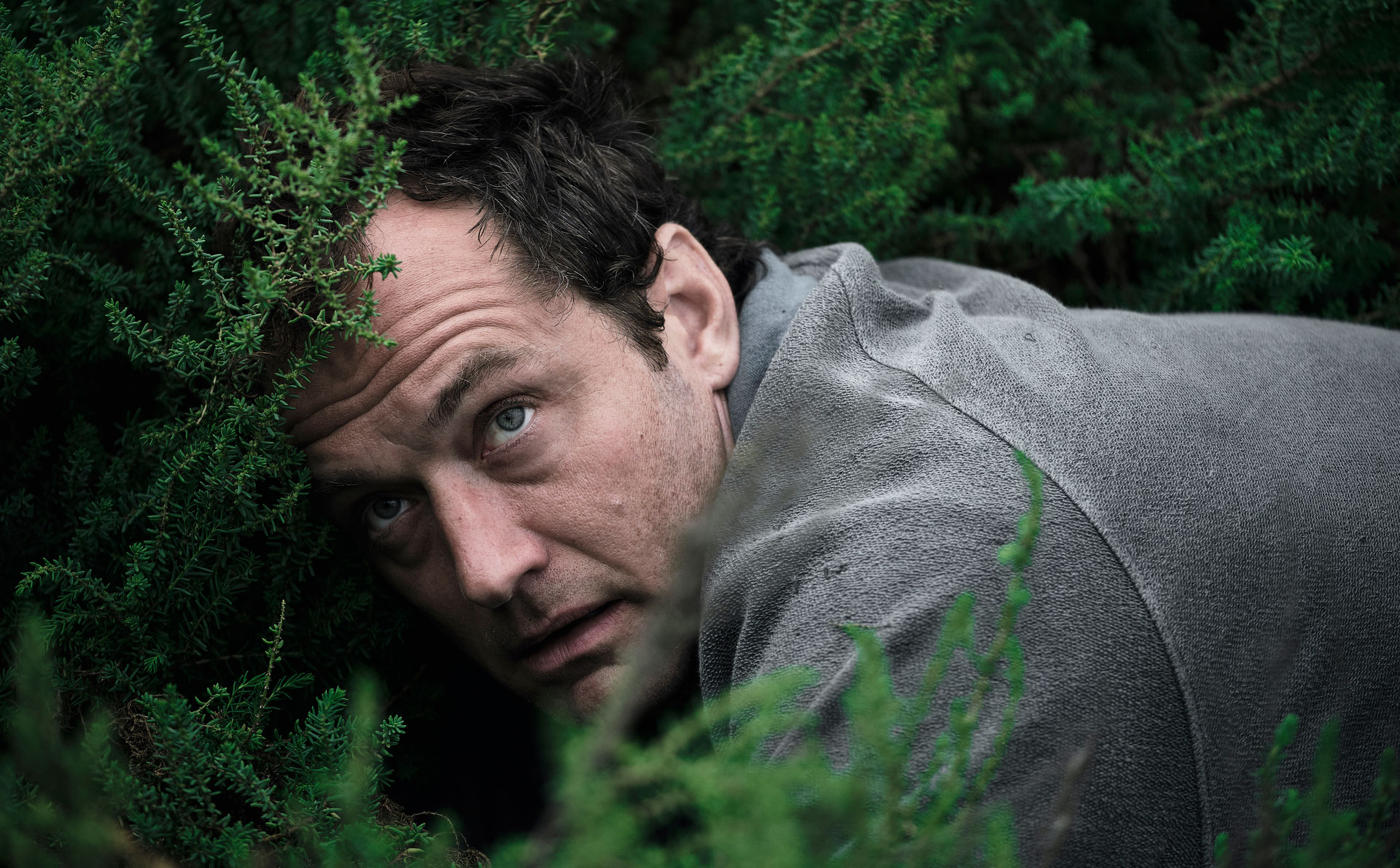
Much of the show’s drama pivots around how successful it will be at slowly pulling back the curtain.

Jia Zhang-ke’s film is a quietly reflective, intermittently rambling rumination on an explosively momentous period in Chinese history.

It alternates political ponderings with a loose and discursive subtext in which Hubert Sauper explores the idea of Cuba as an island paradise.
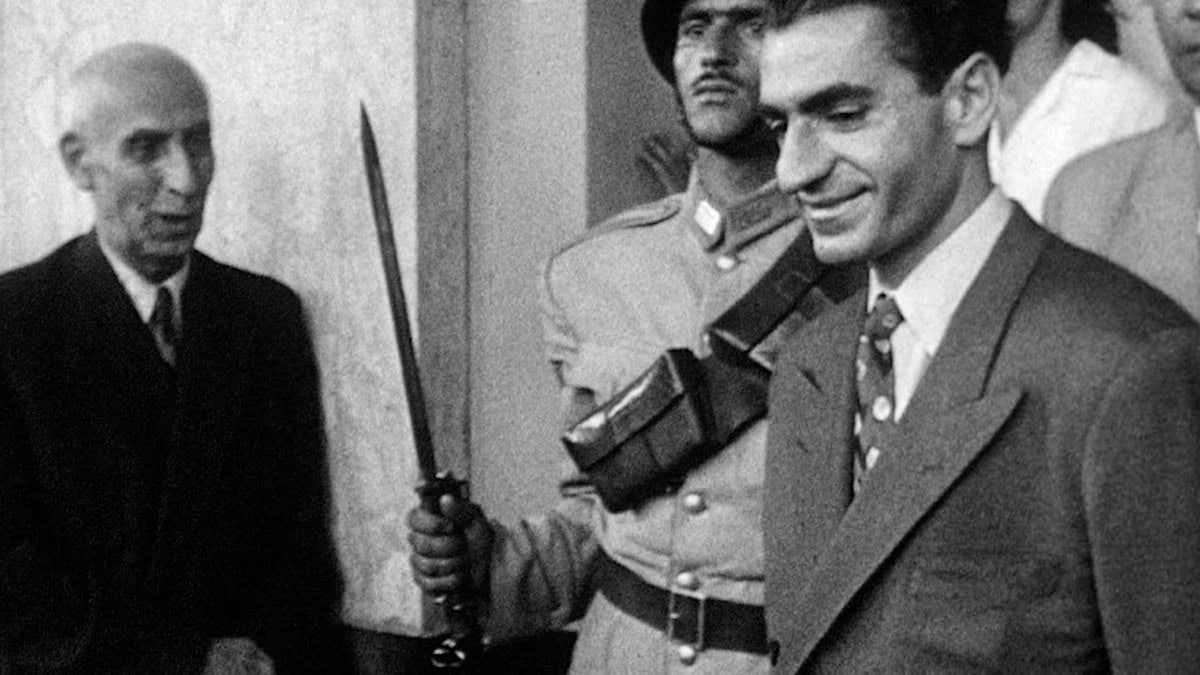
When something is an open secret, does confirmation matter?

The film uses endangered press freedom in the Philippines to illustrate the threat posed to liberal democracy by weaponized social media.

Marjane Satrapi’s film could have benefited from the tangy humor and cynicism of her graphic novels.

Smartly prioritizing the bond of relationships over action, the film is in the end only somewhat convincing on both counts.

The film smuggles some surprisingly bleak existential questioning inside a brightly comedic vehicle.

Jon Stewart’s amiable satire tries to show that you can make light political comedy in the Trump era.