Even basic exploration quickly becomes more trouble than it’s worth, thanks to a scarcity of waypoints, overly lengthy transitions between areas, and the lack of an overall map.



Aaron has been playing games since the late ’80s and writing about them since the early ’00s. He also writes about crossword clues at The Crossword Scholar.
Even basic exploration quickly becomes more trouble than it’s worth, thanks to a scarcity of waypoints, overly lengthy transitions between areas, and the lack of an overall map.

The more that The Red Road focuses on its unique aspects and fractious setting, the more intriguing the series gets.

As befits a game funded through Kickstarter, The Banner Saga doubles down on risk/reward mechanics throughout its rather lengthy journey.

If it does away with verb-based actions, it’s in the hopes of emphasizing the joys of exploring these two worlds rather than the frustrations of a pixel hunt.

The game treats its themes with such absurdity and reductive PSA qualities that there might as well be a planet named Glee.

One’s enjoyment of “The Star” and, really, the entire third season of Homeland boils down to whether one is a fan of redemption stories.
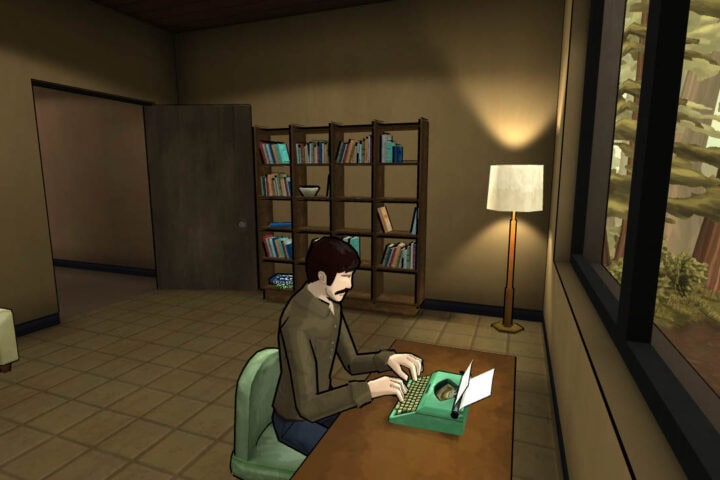
These mechanics aren’t broken so much as literally insane, in the sense that each chapter requires you to do the exact same things, somehow expecting different results.

The reason for the lack of fanfare is because the devious designers know that avid puzzlers will supply their own delighted applause as they reach one “aha” moment after another.

It feels odd and slightly insulting to be given the option to rate missions, as it implies that the designers still don’t know what works or, worse, that they want to better pander to gamers.
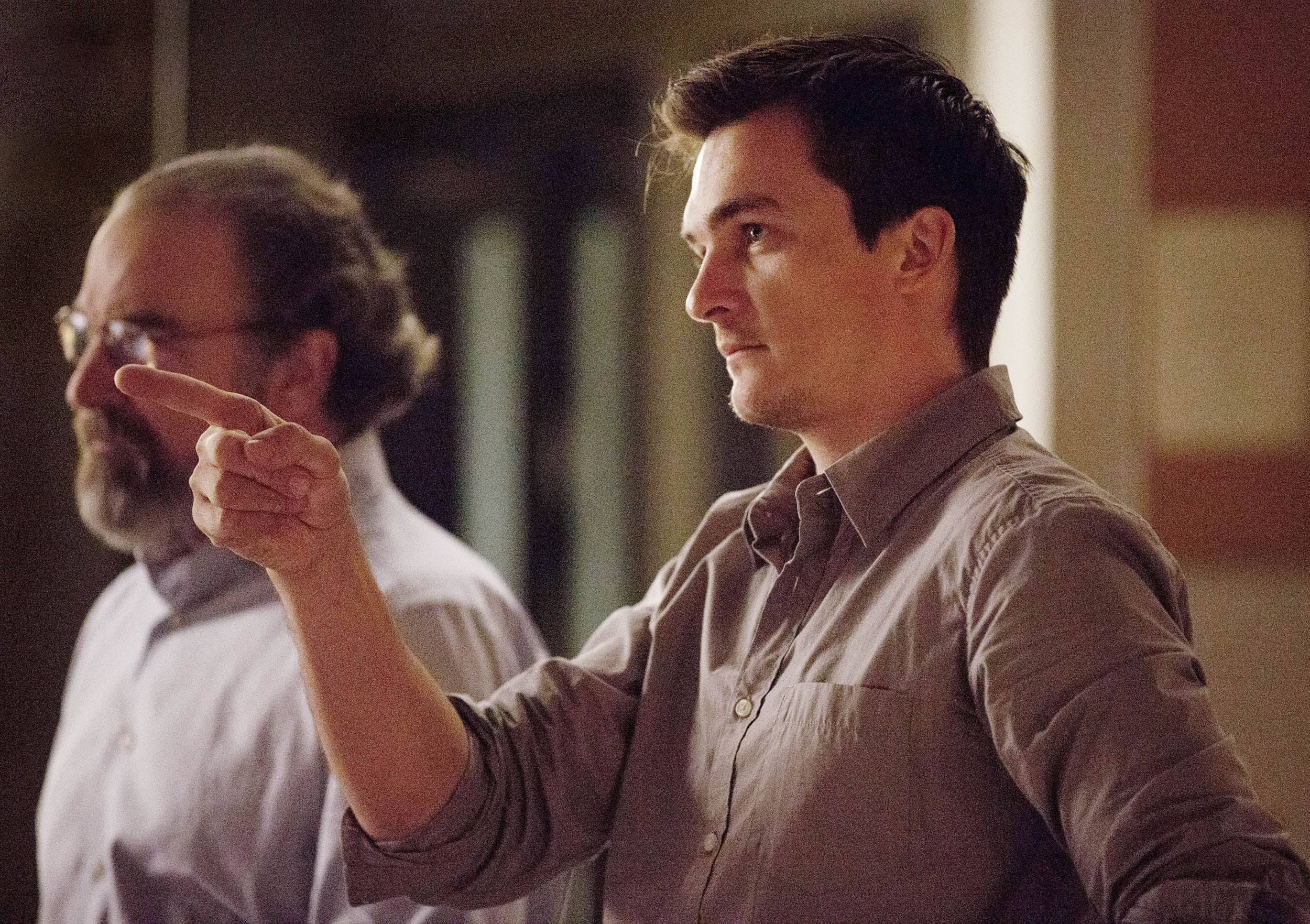
For three seasons, Homeland has been having it both ways with the exceedingly charismatic Damian Lewis.

Ultimately, it isn’t luck or faith that Homeland is interested in, but humanity.

More a matter of what Homeland needs to move forward than what viewers might actually want, but it’s a necessary evil.

Carrie’s actions may be morally correct, but they work against the greater needs of the country, and so she’s not permitted to act on her own.

“Gerontion” could succeed as nothing more than a forum for discussing the pros and cons of the “ends justify the means” idiom.

Desite its title, the show feels trapped in the past, a slave to the conventions of the ’70s British series on which it’s based.

Based on the title of this week’s episode of Homeland, the question seems to be how much anyone can actually know, or be “positive” about.

“The Yoga Play,” both the episode and the spy tactic that Carrie uses within it, is little more than a distraction.
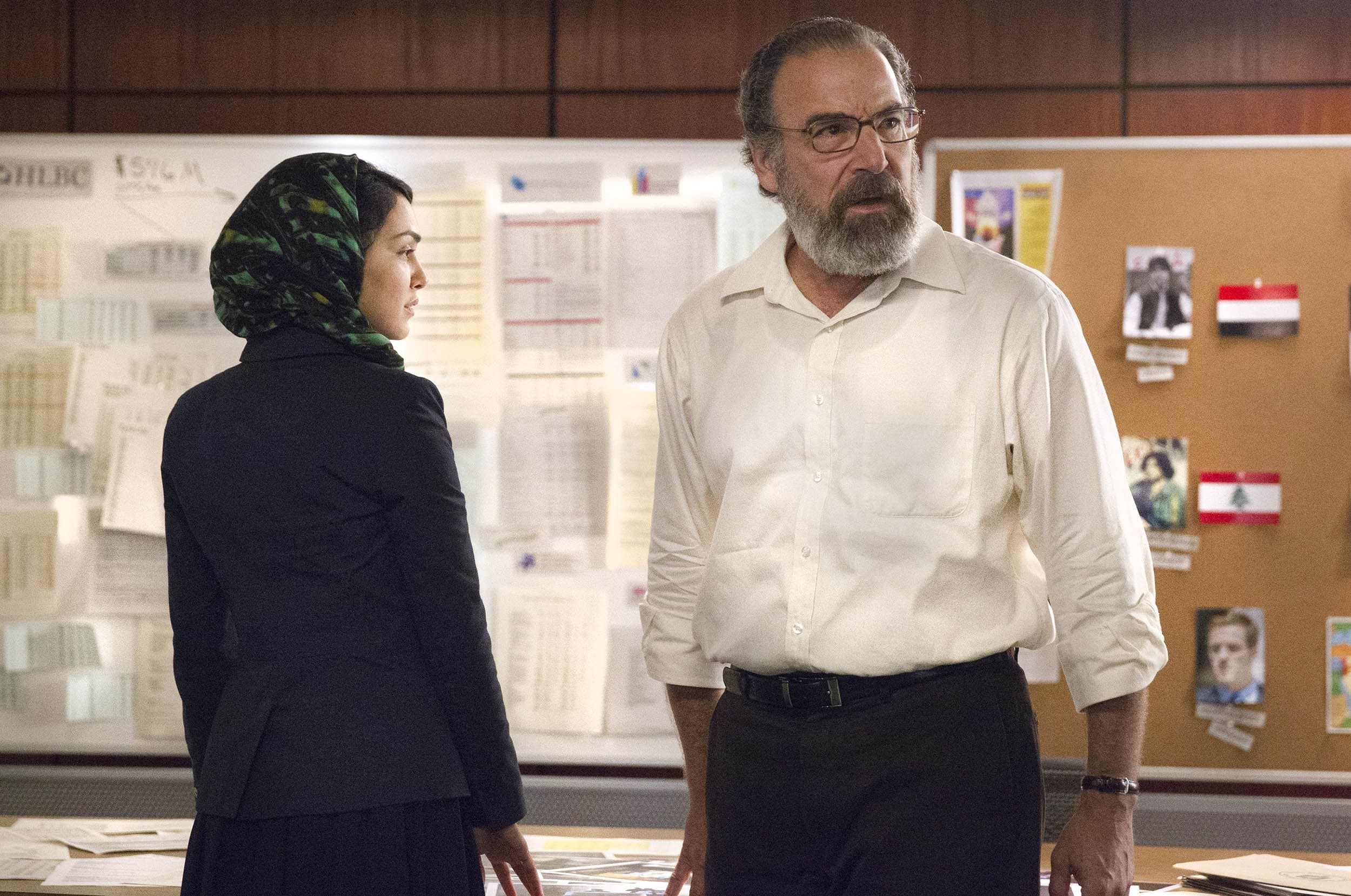
Every sacrifice the series has made up to this point now feels redeemed.

It’s doubled down on its intrigue to hastily evolve from a bland procedural with a nifty visual aesthetic into a solid action-thriller.
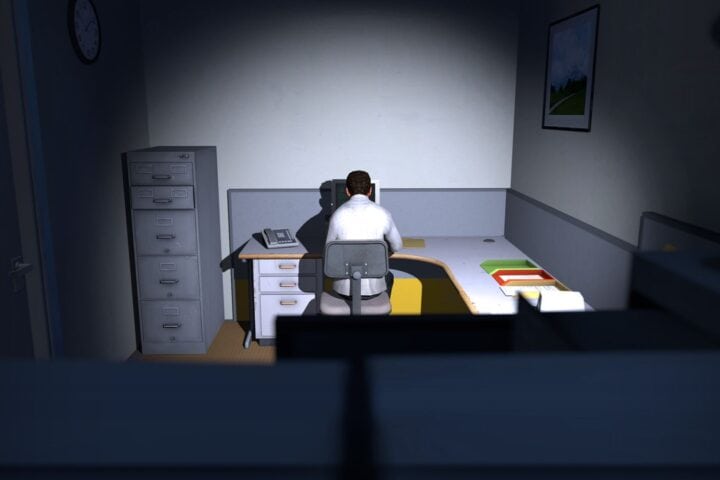
It’s easy but pointless to criticize The Stanley Parable for not being more of a “game” when it bills itself (correctly) as a parable.