The show’s best moments have always been quiet scenes with characters coping with their own fears when no one else is around.


The show’s best moments have always been quiet scenes with characters coping with their own fears when no one else is around.

Fabletown’s sense of loss and dread is far more palpable the more we learn about episode one’s second victim.

Its emotional payoff materializes before the shower of gunfire and explosions that pervade the final act of the episode.

This time, the portrait of the Governor’s inner torment and unrest is more nuanced.

“Live Bait” develops into one of The Walking Dead’s most quietly refreshing entries.
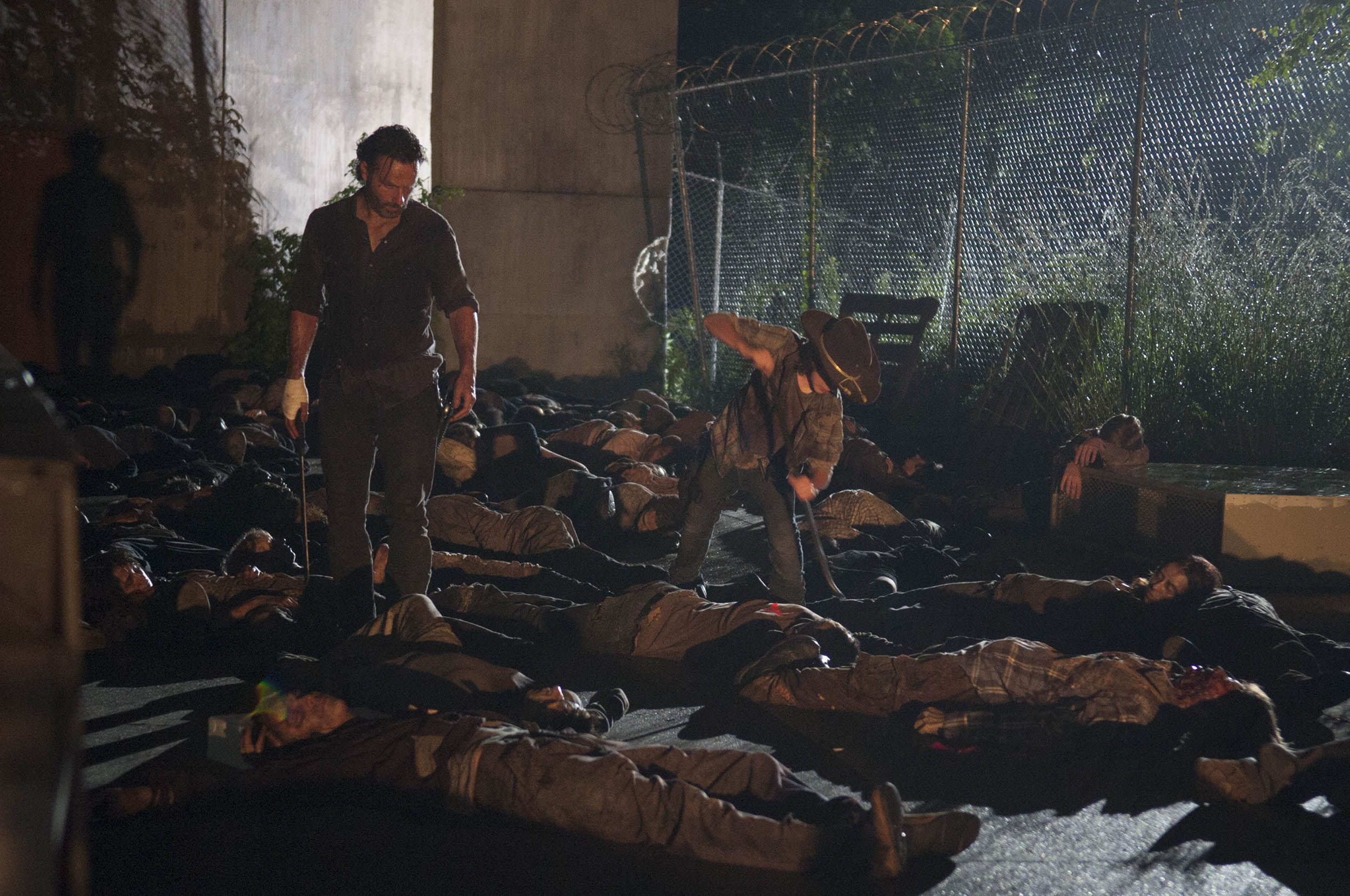
“Internment” reintroduces the familiar, overt philosophical musings of its earlier seasons.
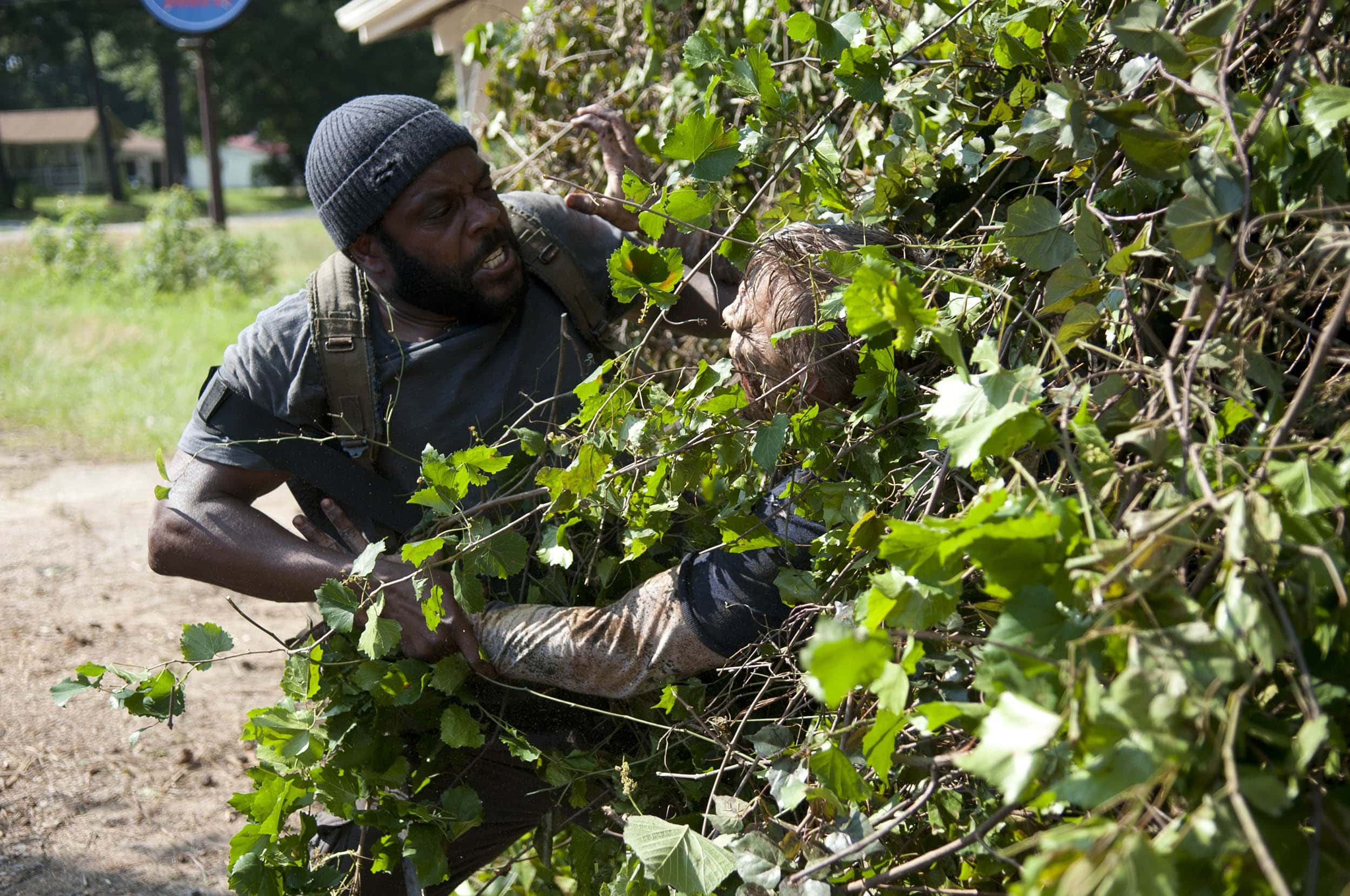
The dilemma of letting go of the past versus holding on to it has slowly emerged as the central conflict in the fourth season.

One of the more noteworthy elements of “Isolation” is that it’s not nearly as Rick-centric as most episodes.
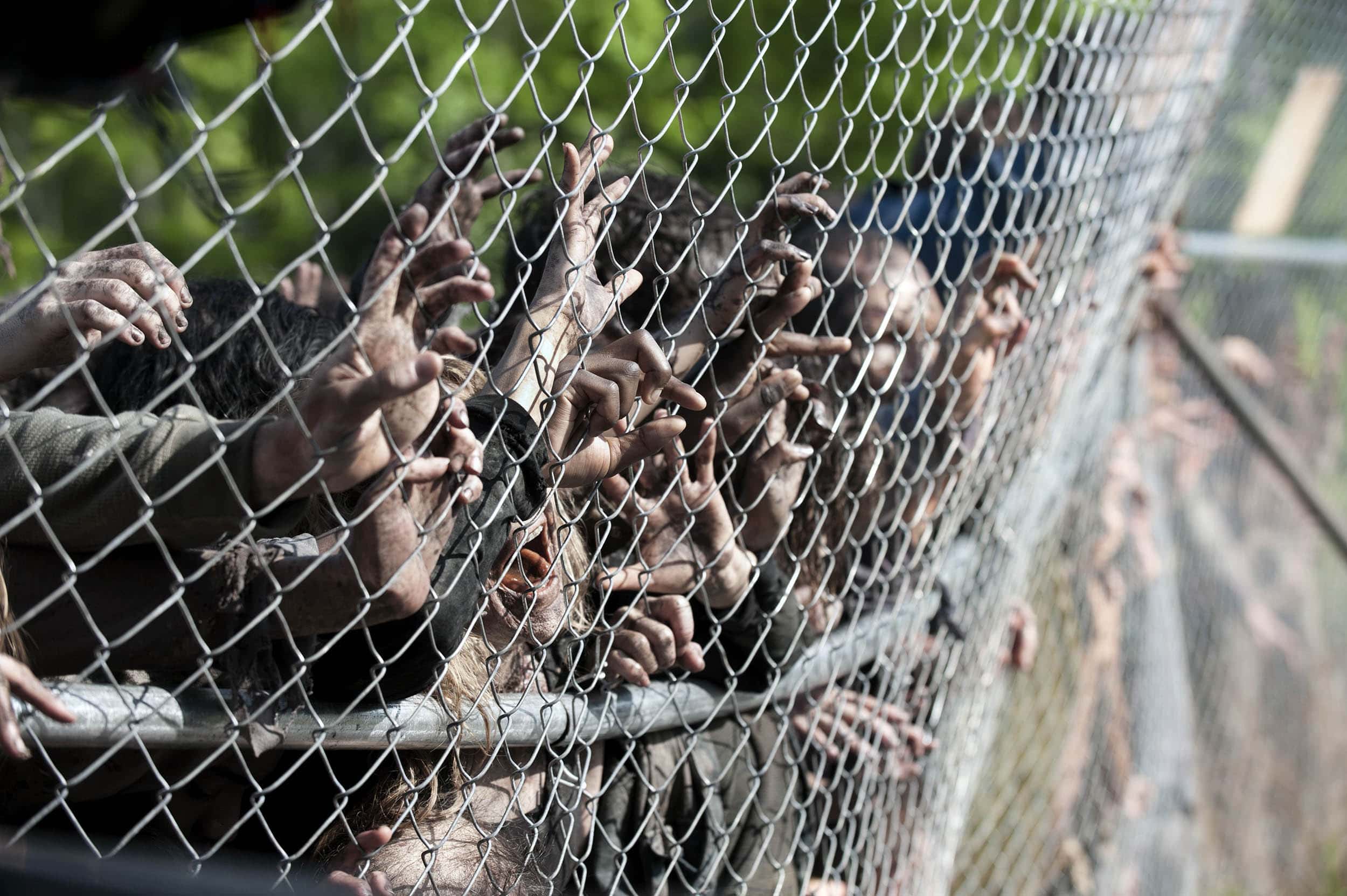
After last week’s quiet game of setup, the action starts fast and strong in the second episode of The Walking Dead’s fourth season.

It specifically reinforces that character depth and exposition are not among the show’s strong suits.

It looks toward John Ford’s “print the legend” quote, as the series is less interested in how the apocalypse happened than what happens next.

Golubic sees similarities between the live music space and the work of synching sound to image.

For all the anticipation and careful setup over the last several episodes, the show’s mid-season finale was somewhat anticlimactic.

The episode’s strongest moments are toward the end, when Rick takes a small team and heads off to Woodbury under Michonne’s lead.
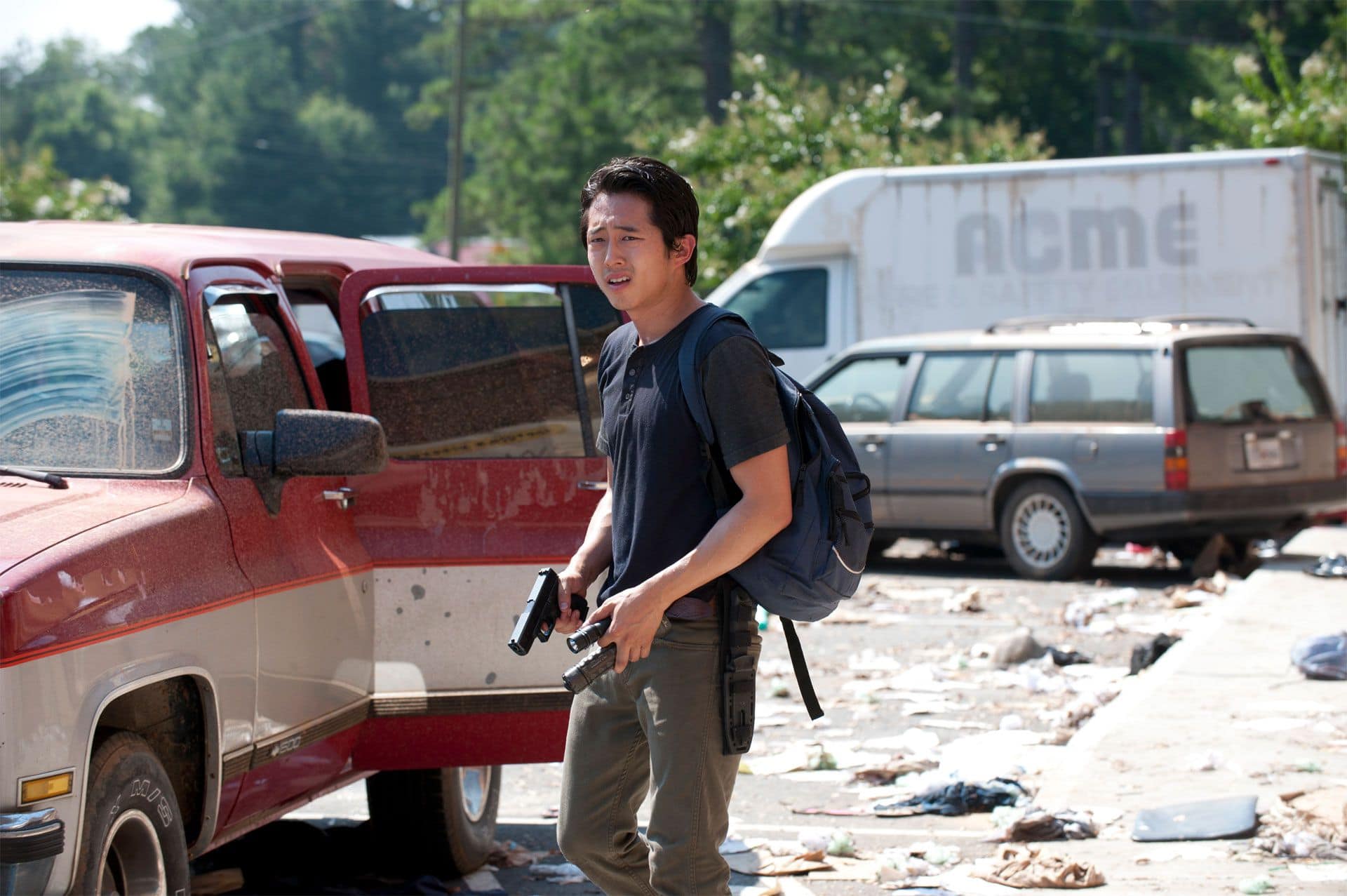
Rick’s storyline is one of several in which characters strike up or rekindle a connection.

It makes better use of its quieter interludes than similar episodes and also offers a handful of isolated standout moments.

Ihe pre-credit sequence lends insight into how the episode amounts to a particularly poignant, if also problematic, entry in the show’s run.
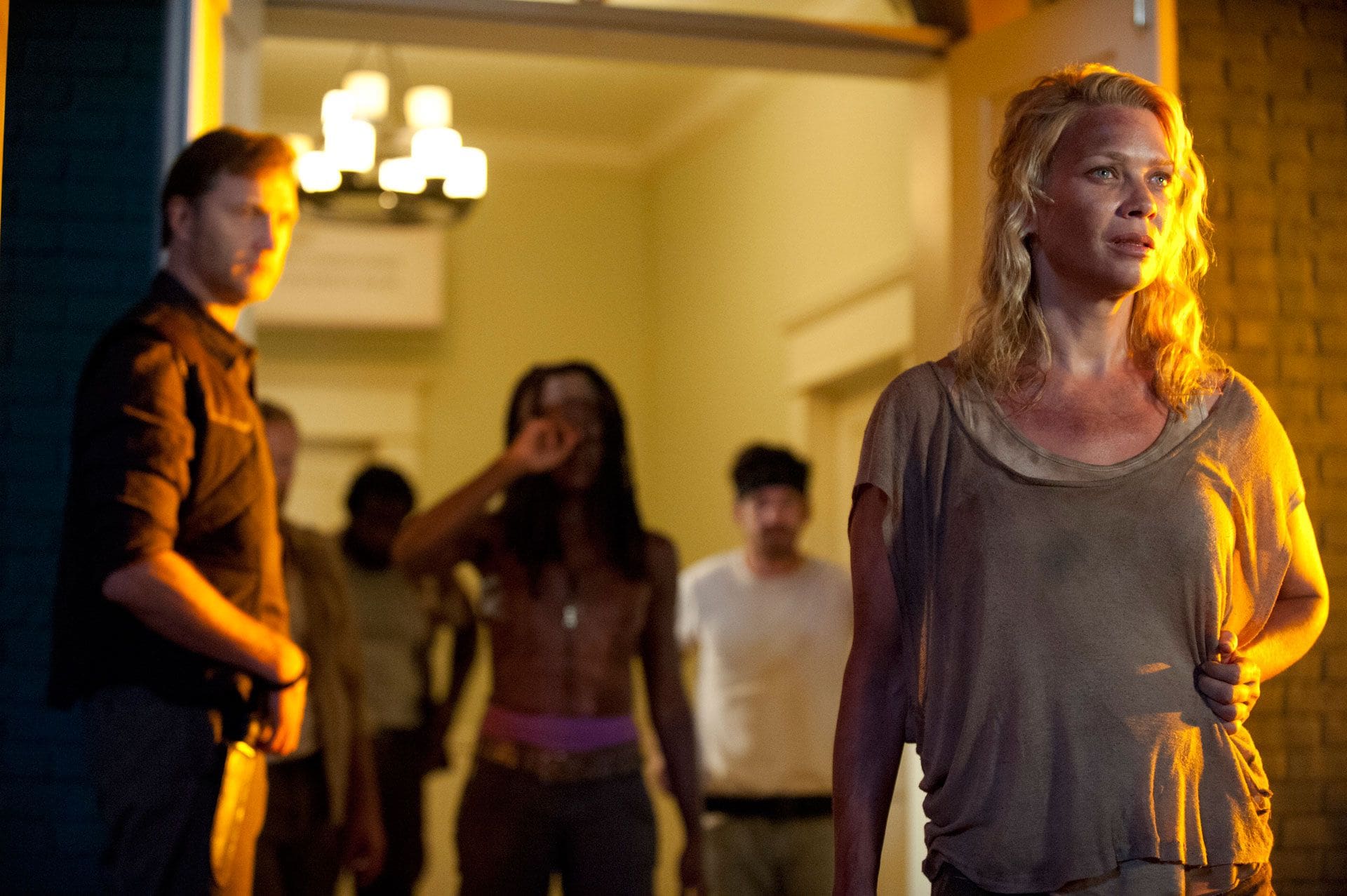
The writers’ decision to limit this episode to Andrea and the Governor heightens the contrast between the two divergent plots.

This week’s episode pivots forward into more fruitful dramatic terrain than last week’s season premiere.

It suggests that the writing team has listened to everyone’s gripes about season two’s frequent and labored pontificating.