The Beastie Boys’s “Don’t Play No Game That I Can’t Win” gets the Major Lazer treatment.


The Beastie Boys’s “Don’t Play No Game That I Can’t Win” gets the Major Lazer treatment.

Our first of order of business—can you find the moment where I flubbed the original recording and had to do a hard audio edit?

We spoke with Perry about his film, then asked him to make a list of some of his most memorable moviegoing experiences.

We’re back with episode 3, and are joined at Grassroots Tavern by Alex Ross Perry.

Life, Above All feels more like a lecture about a problem than a window into a world.
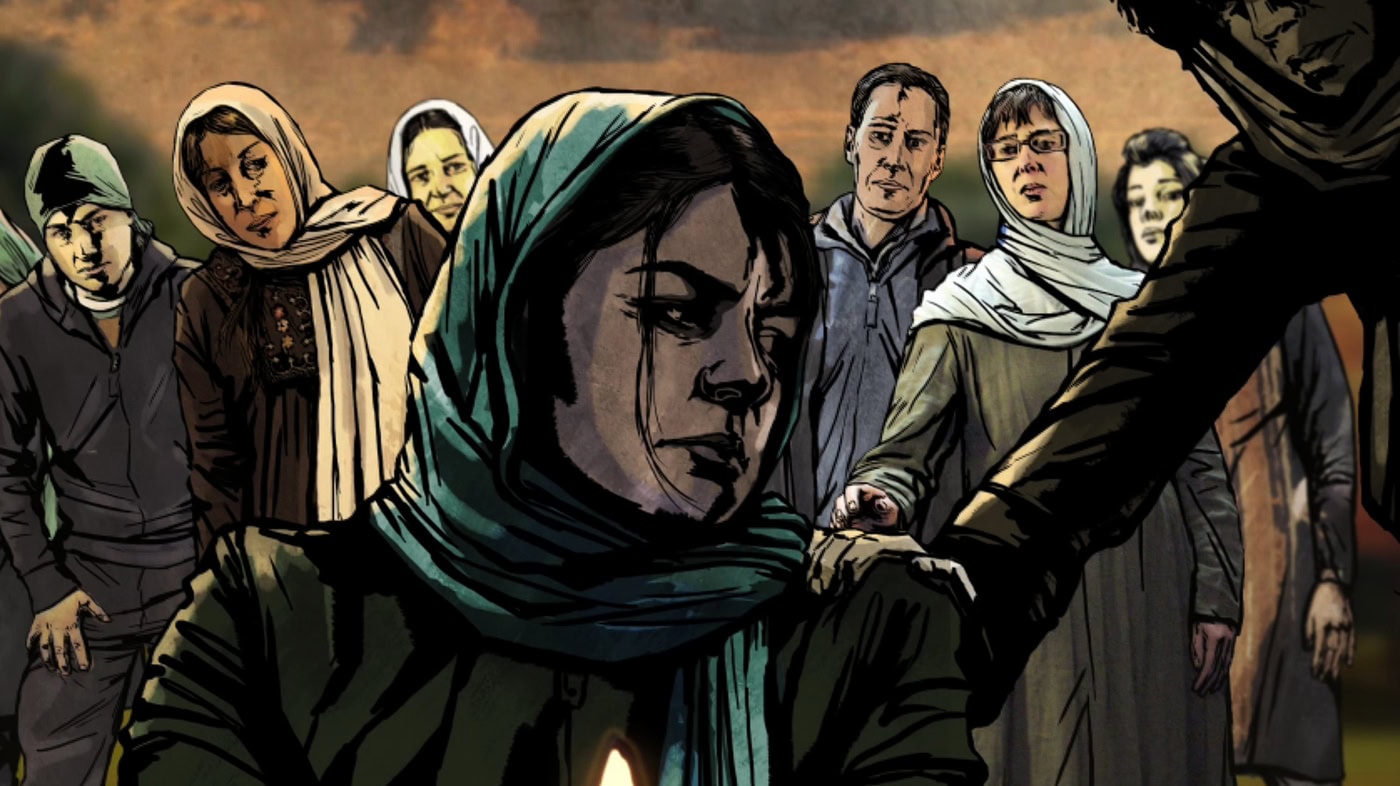
While it illuminates the importance of citizen journos, the film also unintentionally highlights their limits.

Three nonfiction features at this year’s festival take 21st-century incarceration, and accompanying judicial abuses, as their focus.

If only “Capsize” was indicative of U.K. hip-hop at large.
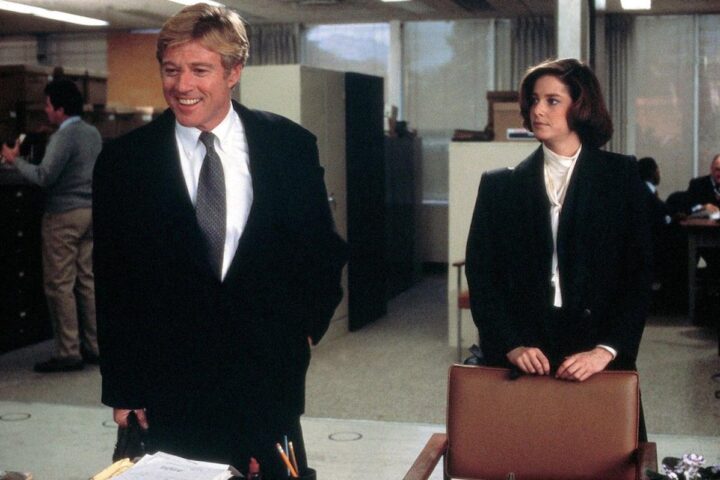
Legal Eagles is a comedy, if you believe its ad campaign, but it’s funny in all the wrong places.

What happened when the Soviet Union’s greatest composer and its greatest filmmaker came together to produce two screen masterpieces?
This is the sixth (!) season premiere of our glorious little time at my beloved bar that we’re all very sure you’re excited about.

Johnny Depp is an ungrateful miscreant.

Before this split season began, showrunner Steven Moffat promised that the first half would end with a “game-changing” cliffhanger.

Norwegian Wood is a film suffused in melancholia and disconnection.
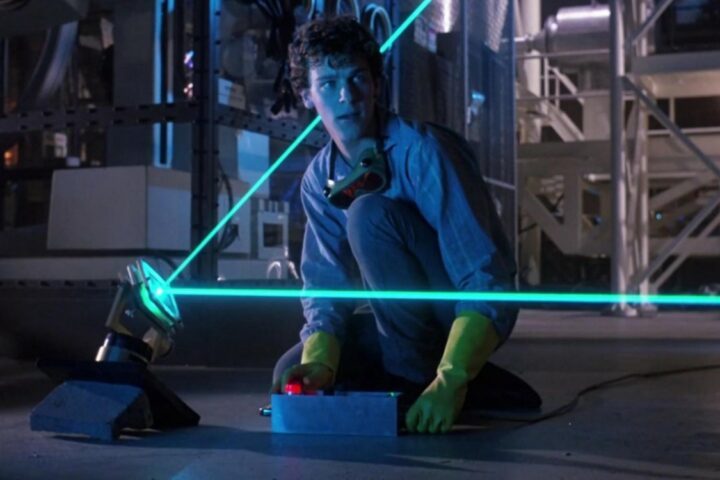
No 1980s flick is really complete without a music montage, and The Manhattan Project boasts one of the most bizarre of them all.

This is not a film that has been close to universally seen, which makes its appearance here all the more notable.

The great Tennessee Williams, unsurpassed poet of the theater and incisive chronicler of the human soul, was born 100 years ago this March.

Part of the pleasure of Na’s film is that it never actually feels plotted as it unfolds.

Mohammad Rasoulof anticipated his own fate.

Montezuma’s true platform was Werner Schroeter’s non-linear, elegiac films where her sculptural face conveyed a kind of semiotic narrative.