The film resides between two default docu-perspectives and it’s all the better for it.


The film resides between two default docu-perspectives and it’s all the better for it.

So what did frighten me as a kid?

Trouble Every Day is quite possibly Claire Denis’s most challenging and unsettling film, both utterly typical of her approach and yet also a true outlier in her career.
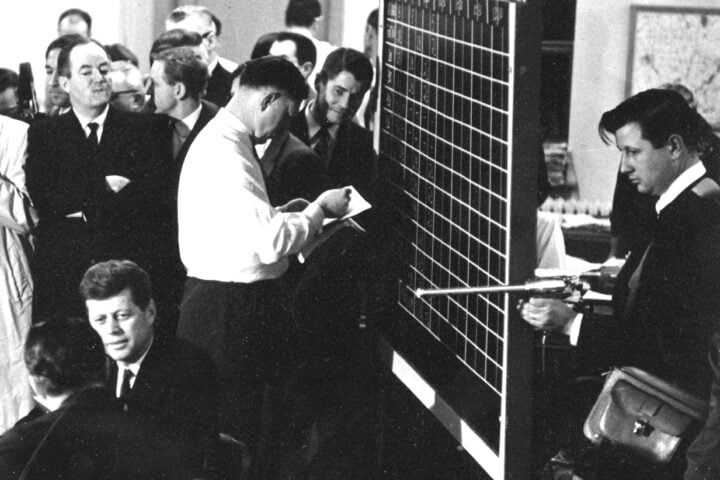
Even with the Bush and Iraq documentaries, I still try to end on an upbeat note.

All five movies give their young characters complete ownership of their respective worlds.

Not one of the Mistress’s finest, but amusing.

Spoilers ahead, this is going to get ugly.

Like Werner Herzog, Denmark’s premiere provocateur knows not to be afraid to laugh at the absurdity of chaos.

By Mad Men standards, this week’s episode gives viewers a couple surprisingly major plot developments.
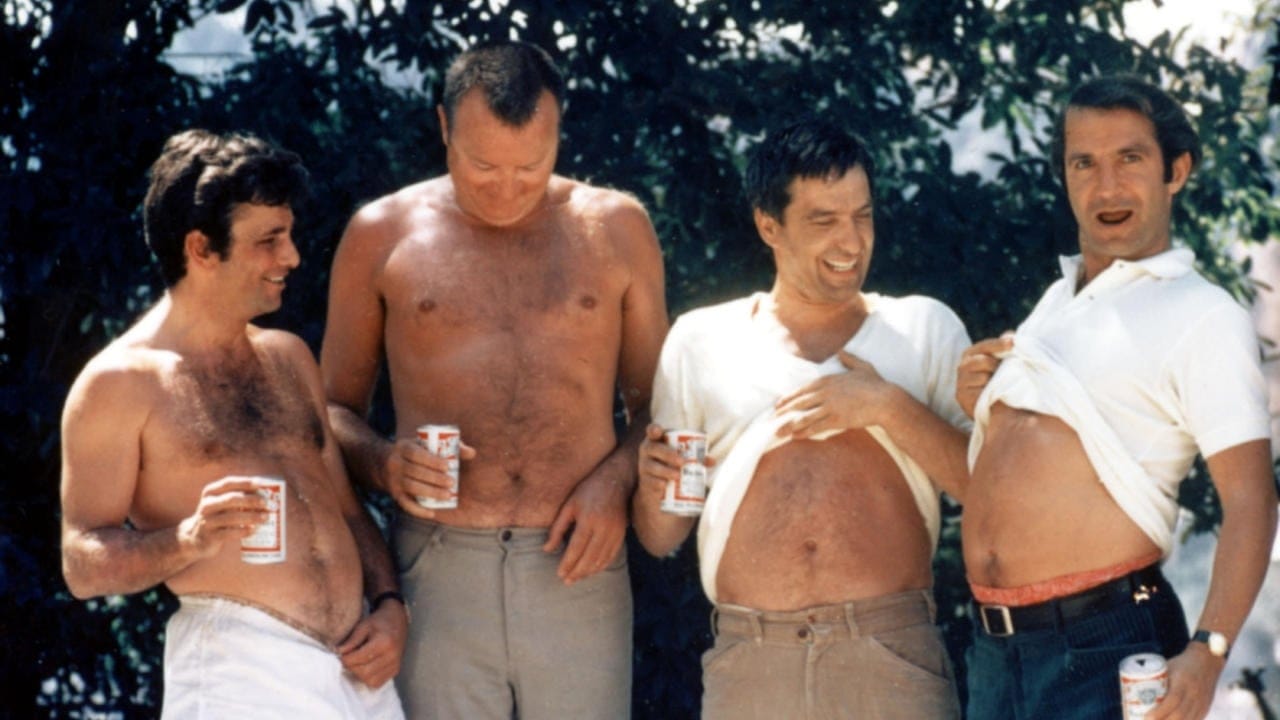
To be worth a damn, the material must avoid insincerity.
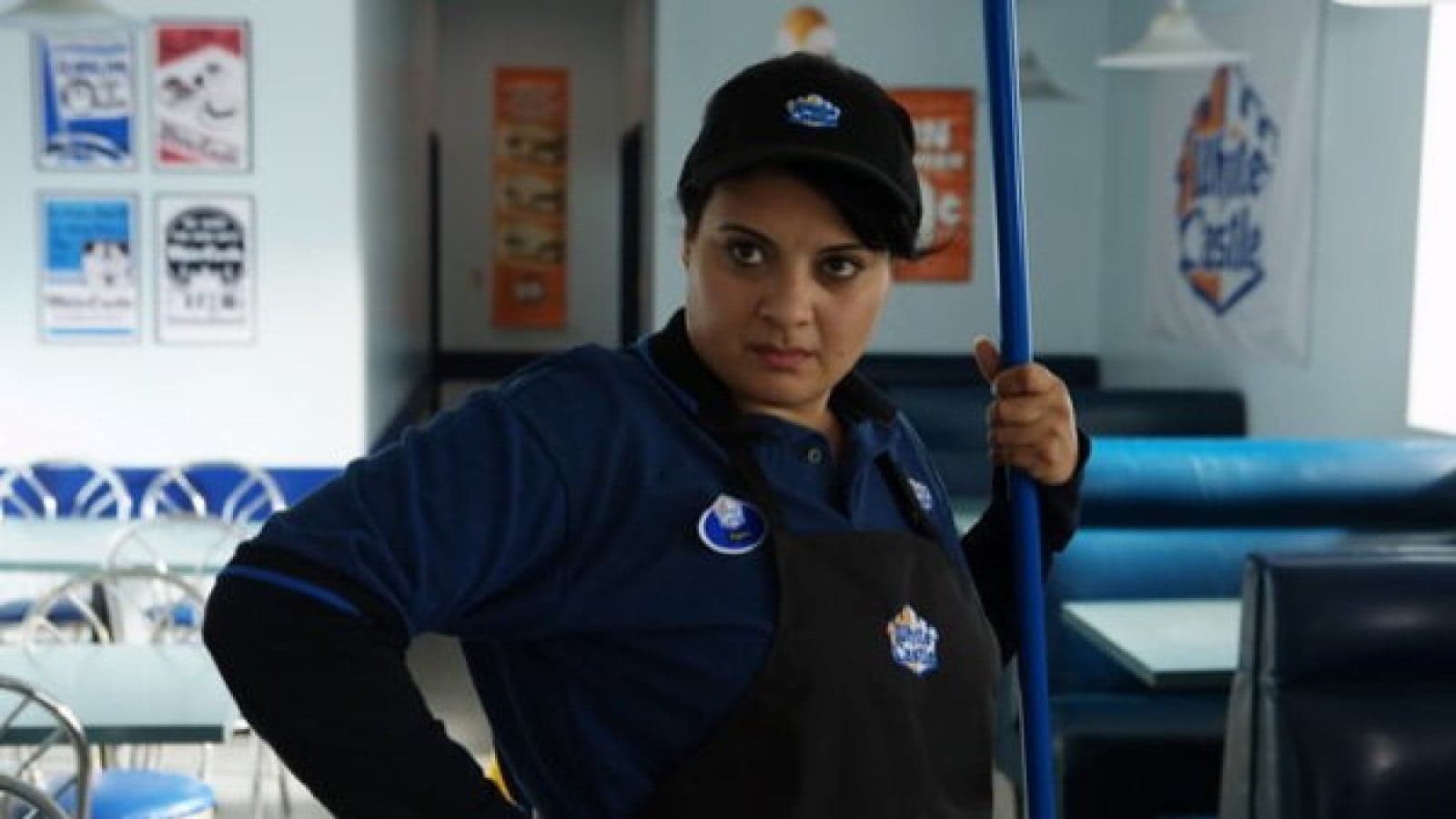
While the West Bank material is new and fresh, the American material is flat and obvious.

Robert Kenner discusses how he hopes his film will make you think twice before taking another bite out of that hamburger.

Wild Grass was the zippy standard bearer for the spirit of “there’s nothing you can’t do.”

Nicolas Winding Refn’s washed-out tableaux are a noteworthy example of form meeting function.
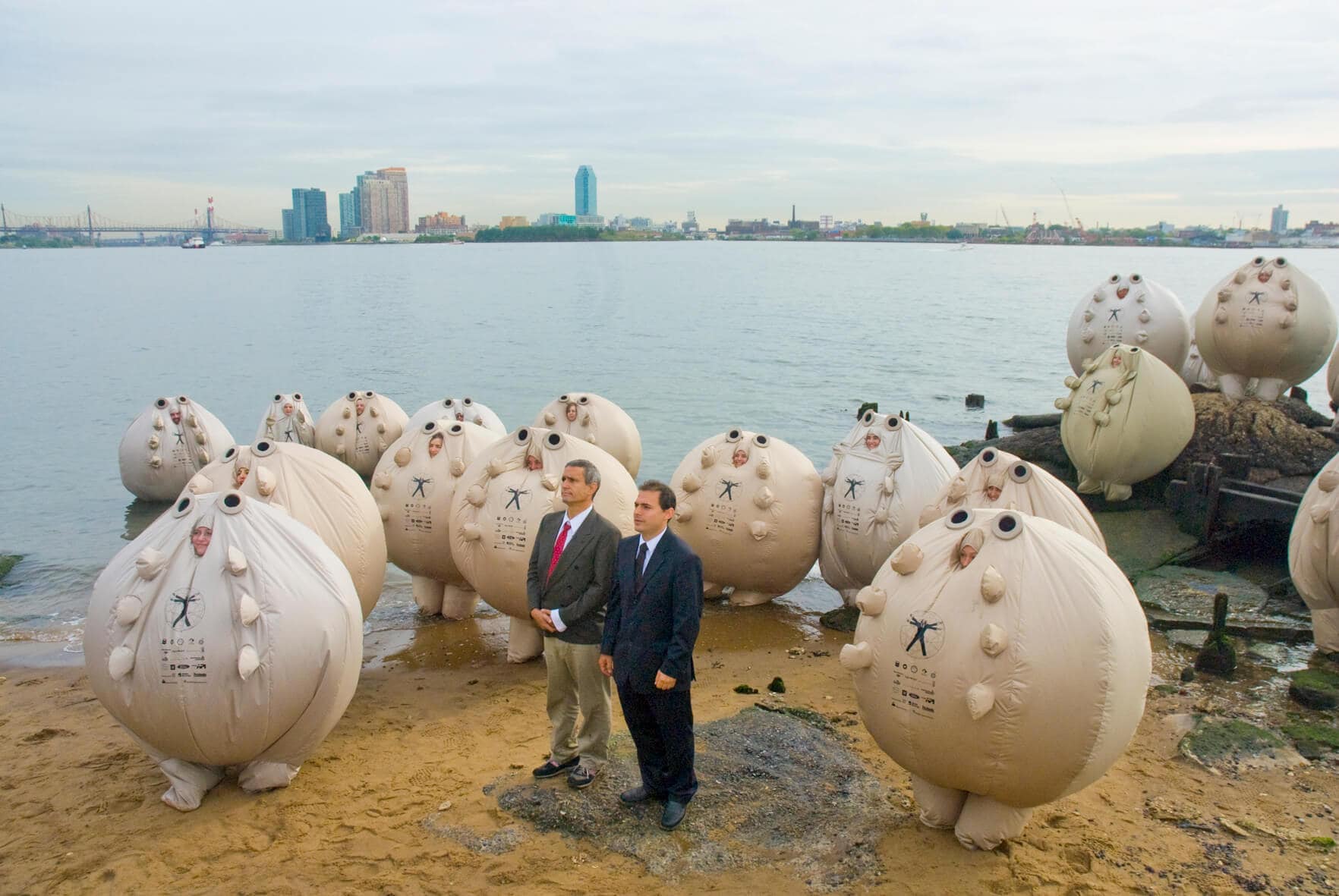
Fixing the world won’t happen from easy confrontation via bullhorn, but by sparking the collective public consciousness with substantive alternative ideas.
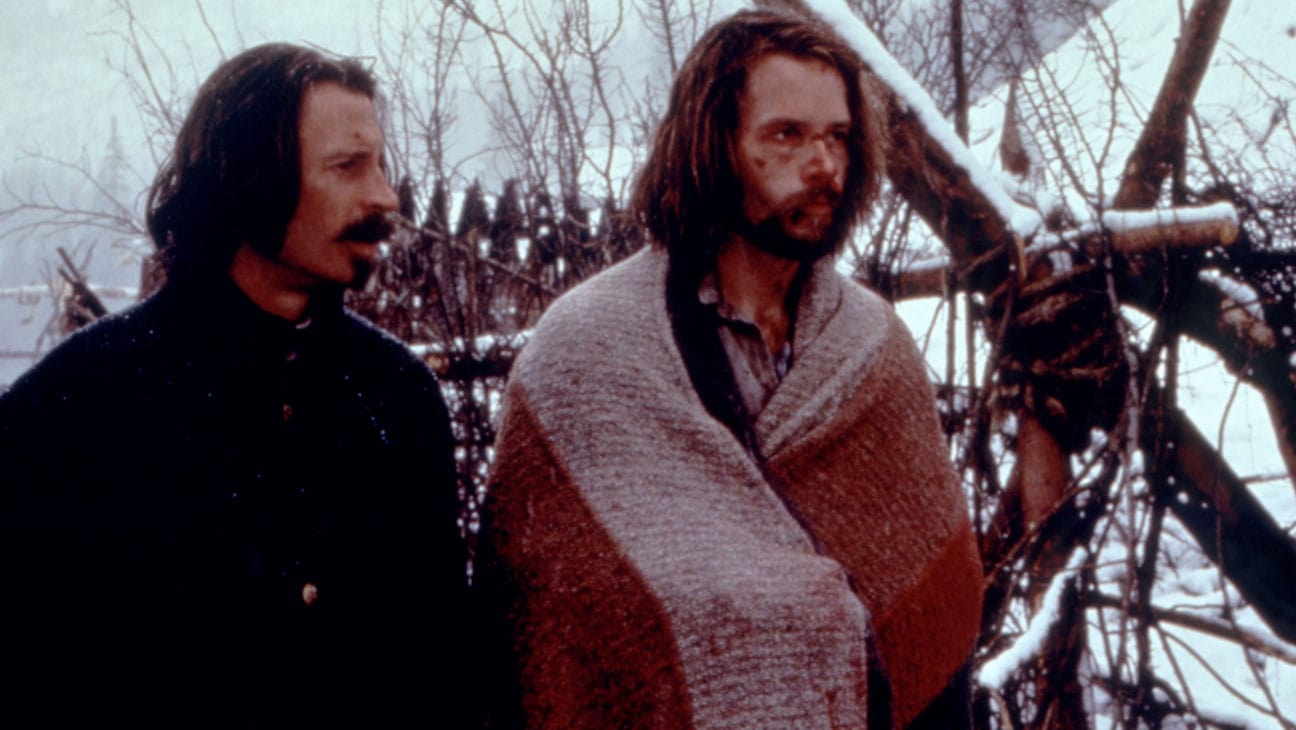
Antonia Bird’s Ravenous is an exciting, new kind of gothic horror film.

Adria Petty’s video for “Sweet Dreams” one-ups the minimalism of the instantly iconic internet meme.

The film doesn’t add anything new to the coming-of-age genre, but it wraps you in its earnestness and warmth.
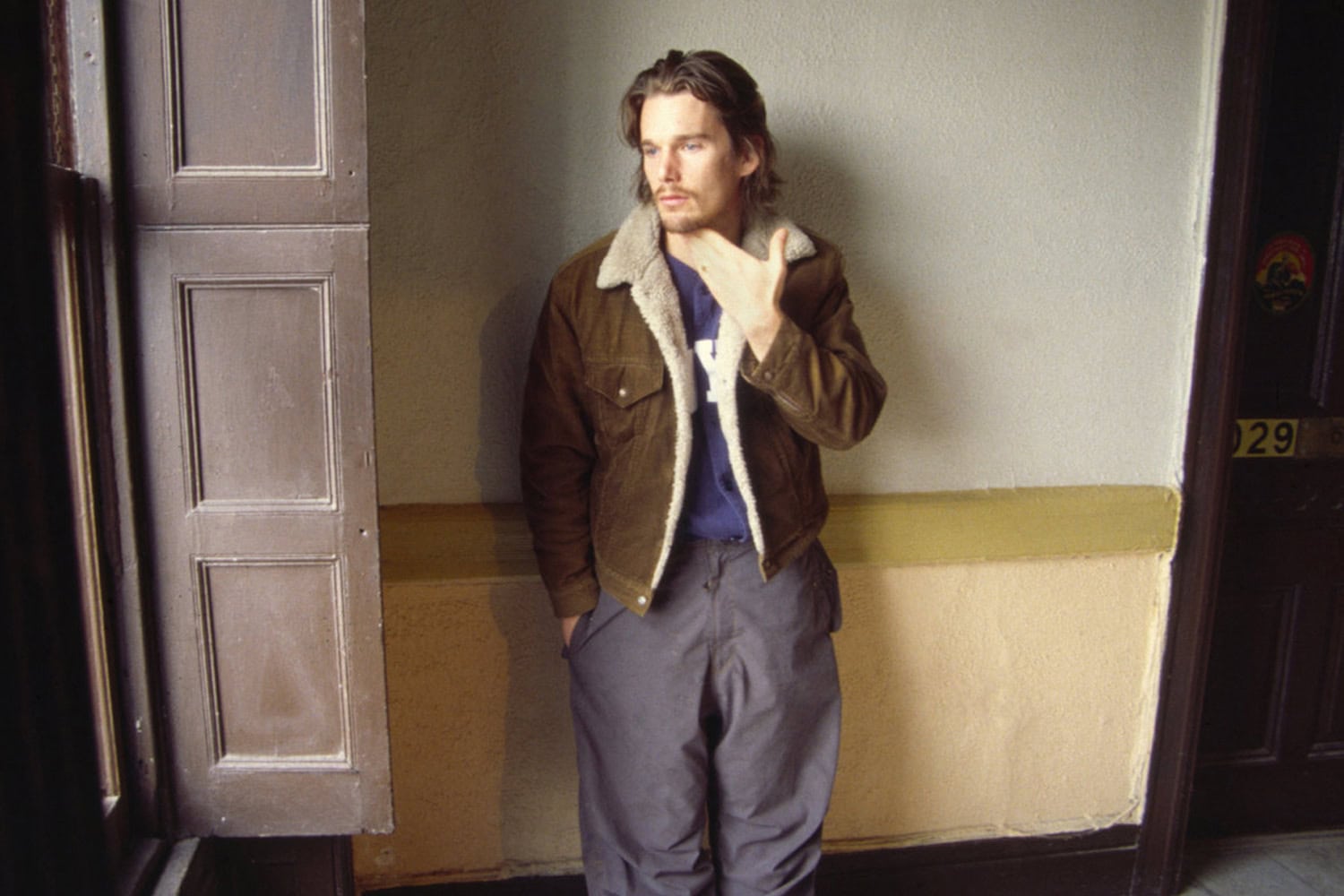
Abel Ferrara’s heart is in the right place, but his mind is somewhere else.

My grandfather always said that nothing good happens after midnight.