Kippers for breakfast, Aunt Helga? Is it St. Swithin’s Day already? No, it ain’t, dear. ‘Tis Downtown Abbey Day.


Kippers for breakfast, Aunt Helga? Is it St. Swithin’s Day already? No, it ain’t, dear. ‘Tis Downtown Abbey Day.

For a series dedicated to supposed historical realism, it wraps up its network run with a bow of pure fantasy.

Though the new season is livelier than the fourth, it displays a seriousness of purpose to which Downton Abbey has always been ill-suited.

Glancing over this year’s Emmy nominations is to marvel again at just how much the television landscape has changed in 20 years.

Dan Stevens has apparently taken to heart the “comments on Twitter about how fat Matthew was looking.”

It’s the more mundane, increasingly transient plotlines that come to define the latest installment of Downton Abbey.

The peril of prescription drug use is only one red herring that Scott Z. Burns throws out.

It’s funny how people use mundane tasks to mark time.

According to reports from Sundance, In Fear drew a lot of inspiration from The Blair Witch Project.

Reportedly, people have been living at the Highclere site for roughly 1,300 years.

Boasting enough fine performances to at least fill a 10-wide field, supporting actress is this year’s most riches-packed race.

There’s an economy of language that feels authentic, particularly with dialogue that ostensibly captures the period decorum of aristocrats.
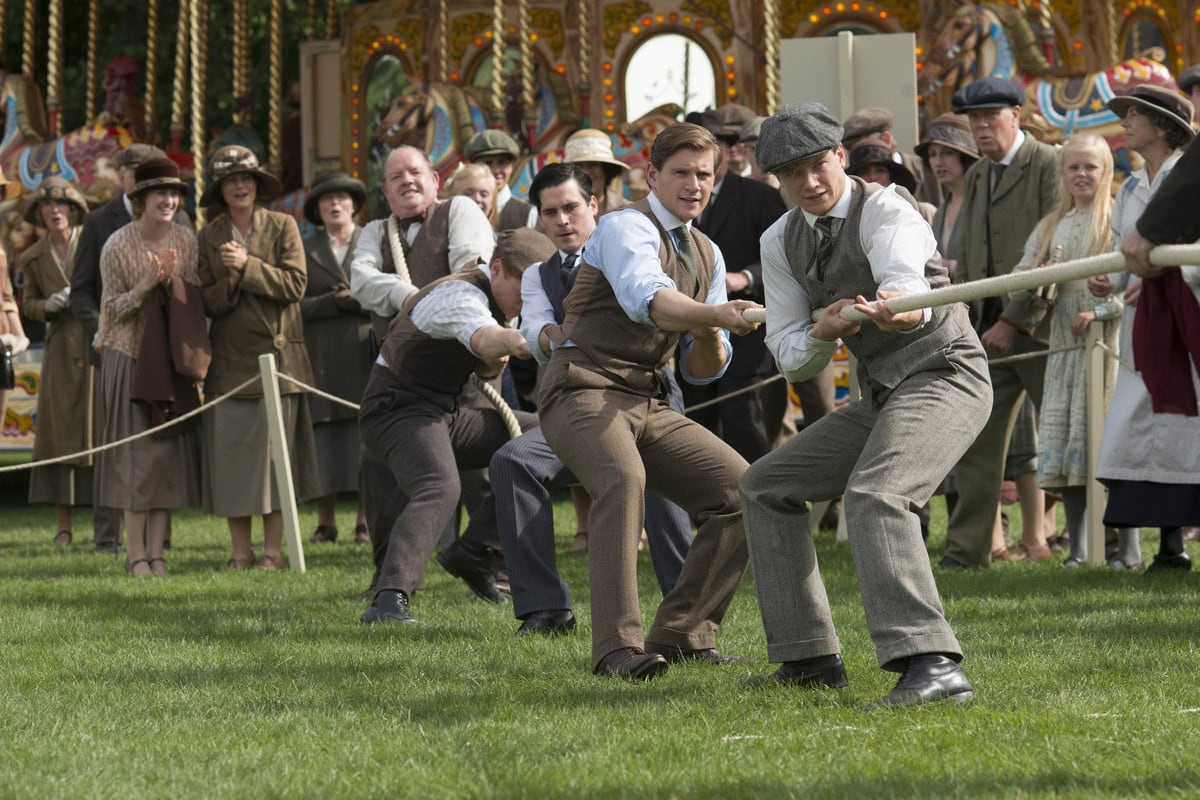
Ahh, it came back and nearly all was right with the world.
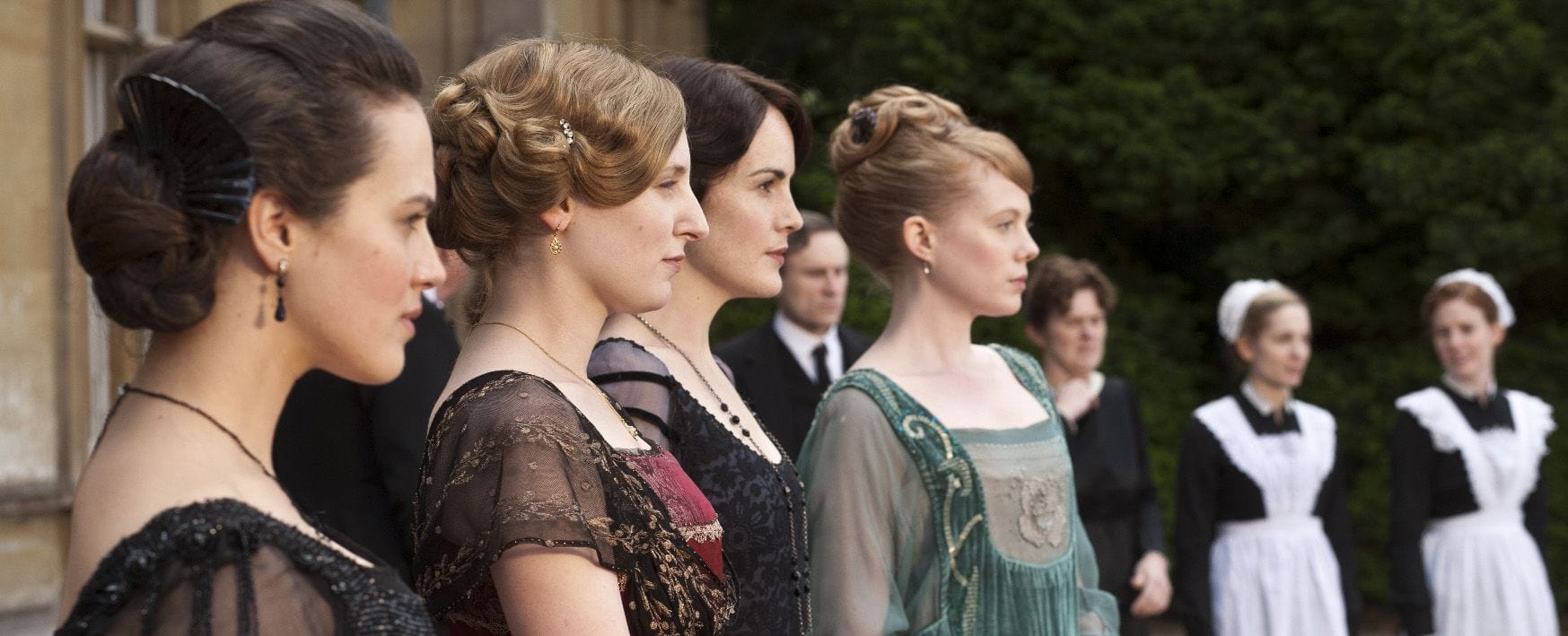
It seems a good time to ask what exactly is so fabulous about Downton Abbey that makes it so compulsively, confoundedly watchable?

If you followed some of the Links of the Day about The Illusionist, you may be familiar with the controversy over it.

Downton Abbey isn’t only the best soap opera currently on television, but also one of the most relevant.