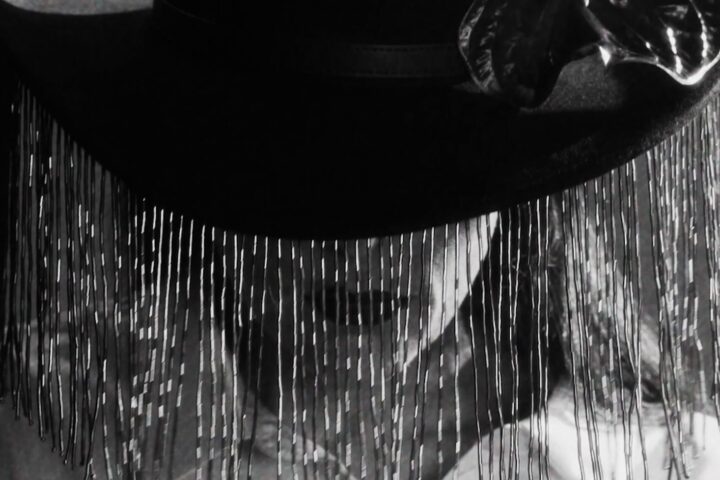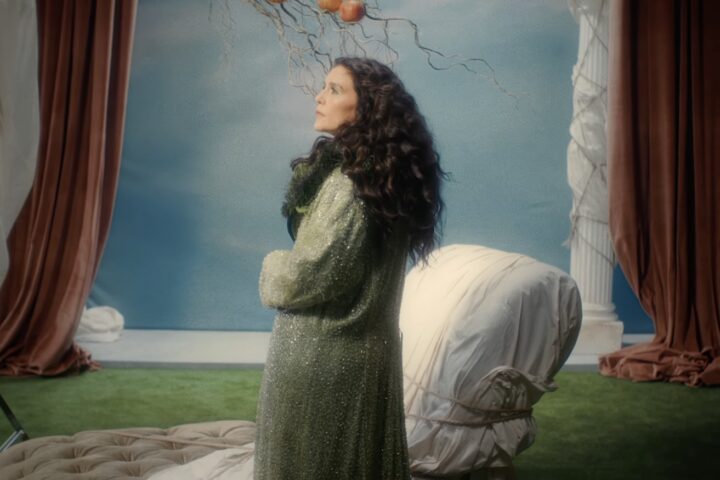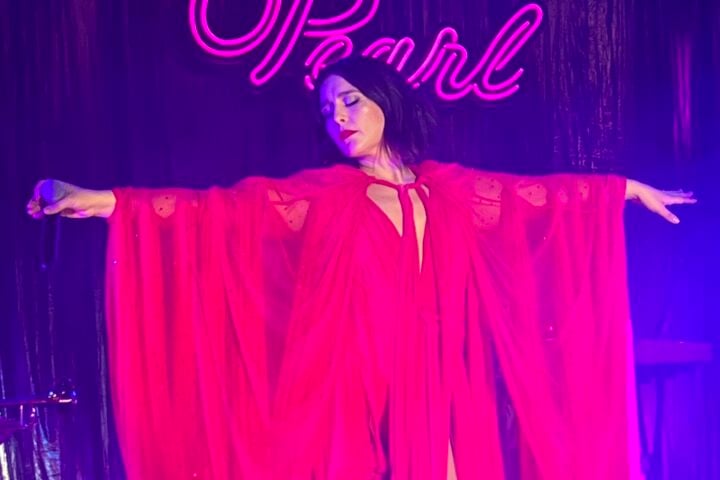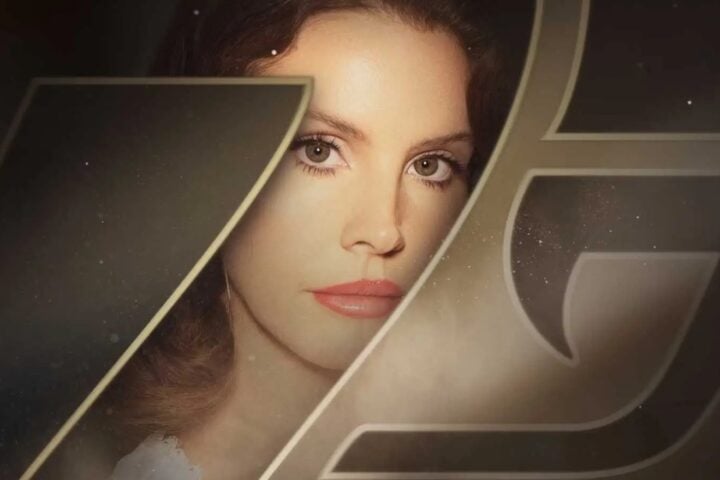
Having endured many a winter in the pleasure-pulverizing tundra of Chicago, I can say with certainty that there’s no greater feeling than that first beam of sunshine on the first warm day of the year. Jessie Ware surely agrees, since—despite living an ocean away—she manages to channel that specific sense of spring euphoria into the aptly titled Superbloom.
At first, the album may seem like a faithful continuation of the British singer’s triumphant mid-career shift from smoldering soulstress into prelapsarian disco-pop diva. But while the transcendent Superbloom trades in the scintillating synth patterns and funky basslines of 2020’s What’s Your Pleasure? and 2023’s That! Feels Good!, it also showcases a stronger, more pronounced level of technical mastery and artistic confidence.
Key to this, of course, is Ware’s voice, a multidimensional instrument that can envelop you like petals of a flower in one moment and crack through you like lightning the next. This is most evident on “I Could Get Used to This,” a lush tone-setter that finds Ware wielding her voice’s summery verve to beckon our asses to her dance floor of earthly delights, and later on cheeky closer “Mon Amour,” where her lower register flirts with smooth, winking abandon.
Between these rich, sultry tunes are equally tactile disco tracks that evoke the kitschy bacchanalia of powders on mirrored surfaces as much as they do a searingly earnest optimism. “Love You For” is a smoldering ode to Ware’s children, and “Automatic,” with a spoken-word assist from Colman Domingo, is the sexiest song about monogamy since Beyoncé’s “Cuff It.”
Still, Ware isn’t satisfied with merely recreating a bygone era: She widens her aperture by inviting new genre-melding textures into her self-contained world—and has plenty of fun in the process. On “Ride,” the singer travels West of Eden for a shimmering, campy banger that interpolates Ennio Morricone’s iconic theme from The Good, The Bad, and the Ugly to surprisingly seductive effect. And the steamy innuendos come just as hard as the robotic synths on the retro-futuristic “Sauna,” while the delightfully unhinged “Mr Valentine” throws in some lasers atop a growling, lycanthropic bassline.
Throughout, Ware’s intentions are straightforward: She wants us to groove, to smile, to make love, to feel alive. Just when the omission of relative conflict starts to feel like a dearth of dramatic heft, then comes the bracing “16 Summers,” a tender piano ballad that finds Ware fretting over how her pop-star ambitions collide with her devotion to witnessing her children grow up: “I know what it means/If all my dreams are keeping me away from you.”
Pop music is built for fleeting escapism—into the nostalgic past, utopic future, or alternative present. But thanks to Ware’s effervescent vocals and era-agnostic production style, the escapism of Superbloom lingers so long that it starts to feel not so much like a fantasy at all but a promise of something brighter and more perennial.
Since 2001, we've brought you uncompromising, candid takes on the world of film, music, television, video games, theater, and more. Independently owned and operated publications like Slant have been hit hard in recent years, but we’re committed to keeping our content free and accessible—meaning no paywalls or fees.
If you like what we do, please consider subscribing to our Patreon or making a donation.