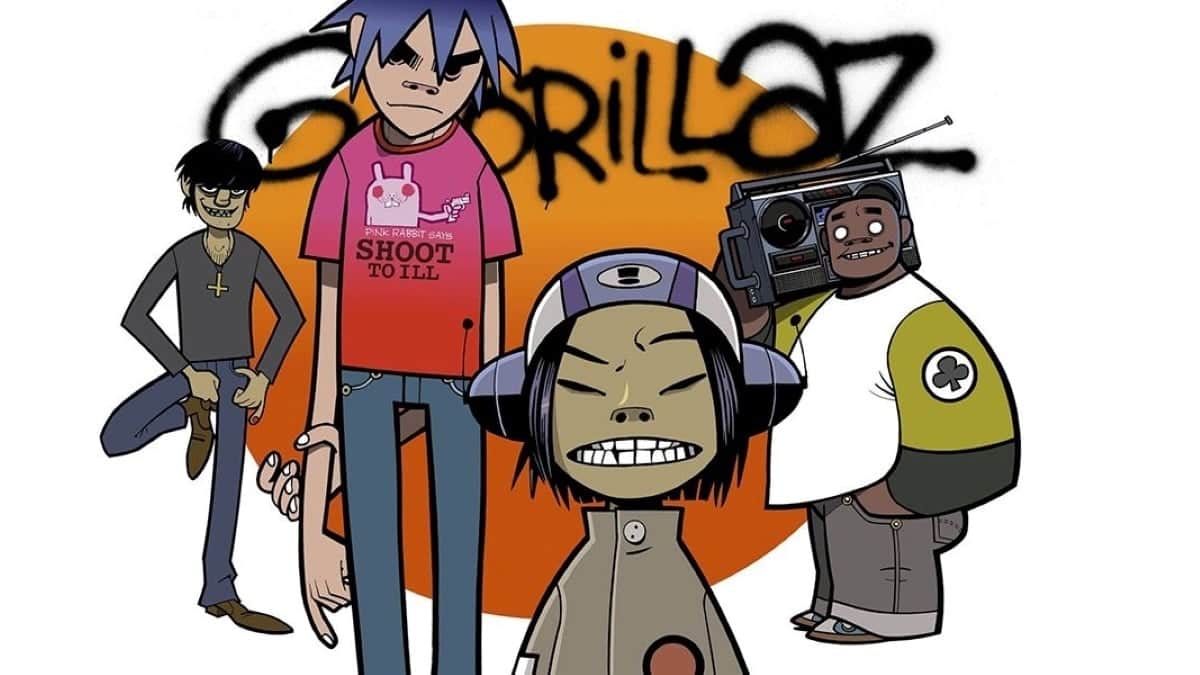
By the time Gorillaz made its debut in 2001, Blur had long shed its Britpop skin. In 1999, the band split from longtime producer Stephen Street and hired William Orbit to helm 13, which saw the band venturing further into art rock and electronica. Meanwhile, the sense of gravity within the band was shifting, with Damon Albarn’s interests gravitating toward hip-hop, dub, and world music. Rather than force these interests on Blur, Albarn invented a virtual band, unburdened by the preferences of flesh-and-blood bandmates.
The idea for Gorillaz came to Albarn and Jamie Hewlett, illustrator and co-creator of the Tank Girl comic, while watching MTV. Like Blur’s global hit “Song 2,” the band was born out of a parody of celebrity culture and media rot. Gorillaz critiques the artificially of pop stardom by leaning into it, blurring the lines between artist and persona.
The rise of virtual artists—whether through animated performers like KPop Demon Hunter’s Huntrix or deliberately obscured identities like Liverpool’s EsDeeKid—no longer feels strange at all. We live in a culture where our identities are constantly mediated through digital avatars, and we’ve grown used to second-guessing whether the things we see online are real. Back in 2001, we had no language for that, and that’s part of what made the rise of Gorillaz so exciting.
The group’s breakthrough single, “Clint Eastwood,” captured the moment perfectly: “I’m useless but not for long, the future is coming on,” sings 2-D, Albarn’s alter-ego. The lyric feels like a dispatch from a world increasingly shaped by technology, the internet, and digital identity. Gorillaz arrived with their self-titled debut as avatars of that shift, fictional characters delivering a sound that itself seemed to collapse musical boundaries and borders alike.
A collision of dub, hip-hop, trip-hop, and alt rock, the album’s sound feels of its moment, landing perfectly between decades as a kaleidoscope of the ’90s and a projection of what was to come. At its brightest are playful genre hybrids like opener “Re-Hash” and the wonky “19-2000.” At its darkest is the melancholic, dark, and dusty trip-hop of “Tomorrow Comes Today.”

Even on its more upbeat tracks, Gorillaz creates a striking sense of space, with simple, sometimes skeletal arrangements—far from the maximalism that Gorillaz would go on to flirt with. Co-produced by Dan the Automator, the album finds its footing in simple drum loops and a handful of signature textures: melodica, dubby echoes, and lo-fi vinyl crackles. Most of Albarn’s vocals match the unshowy vibe of the production. They’re rarely flashy—often croaked, barely uttered, or existing in a harsh, wispy falsetto.
The result is a dark, anxious, slightly stoned vibe, the kind of feeling you might have after rotting away in front of MTV for hours on end. While Gorillaz often feels disjointed, with strange vocal deliveries like on “Starshine,” odd time signatures like on “5/4,” and a patchwork of genres—from the dub of “Sound Check (Gravity)” and “Dracula” to the indie DIY aesthetics of “Punk” and “M1A1”—it achieves an unexpected coherence in its atmosphere.
At times, Gorillaz feels like a curated playlist. Arriving just before the internet came to replace pirate radio as a key medium for underground music discovery in the U.K., it served a similar purpose for millions of impressionable young listeners, warping their minds to the downtempos of trip-hop and dub through a cartoon Trojan horse. Tracks like “Latin Simone (Que Pasa Contigo)” and “Left Hand Suzuki Method”—featuring Ibrahim Ferrer and Haruka Kuroda, respectively—give the album a borderless feel years before global cross-pollination would become a defining feature of both Gorillaz’s discography and pop music more broadly.
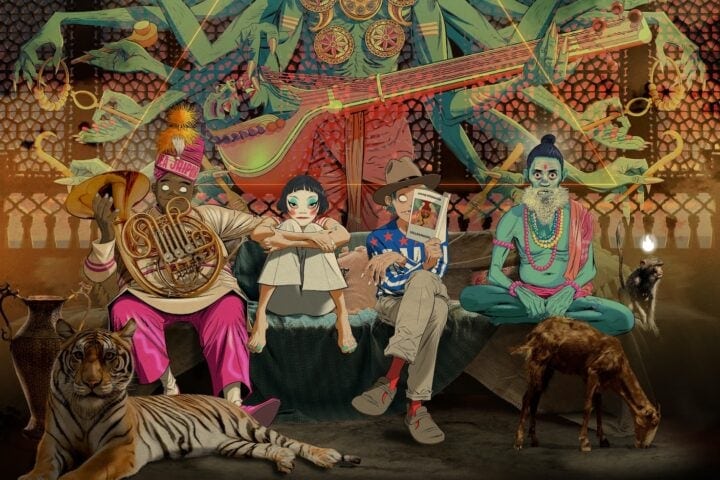
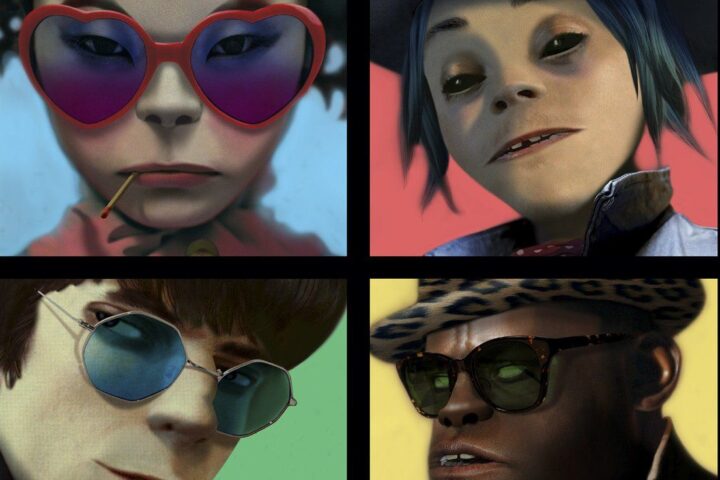
Gorillaz also anticipates a model that would become increasingly common in the streaming age. Albarn functions as circus ringleader, working closely with an architect producer to pull together different voices, styles, and moods without forcing them to resolve into a single identity. The album establishes a flexible foundation for the Gorillaz project—one that would allow the group to move freely in any direction they choose in the years ahead, from 2005’s bloghouse Demon Days to 2010’s conceptual Plastic Beach to 2026’s inward-looking The Mountain.
In hindsight, Gorillaz also offered something of a prototype for how music would function in the 21st century. The band thrived on interactivity: virtual tours, hidden Easter eggs, online lore, and an ever-expanding fictional universe. Beyond simply rebranding himself, Albarn created an entirely new world to accompany his musical metamorphosis. By inventing a fictional band led by an anonymous frontman, he freed himself from the fixed identity of the traditional rock star and reframing the terms on which pop music could be packaged, performed, and consumed.
Since 2001, we've brought you uncompromising, candid takes on the world of film, music, television, video games, theater, and more. Independently owned and operated publications like Slant have been hit hard in recent years, but we’re committed to keeping our content free and accessible—meaning no paywalls or fees.
If you like what we do, please consider subscribing to our Patreon or making a donation.