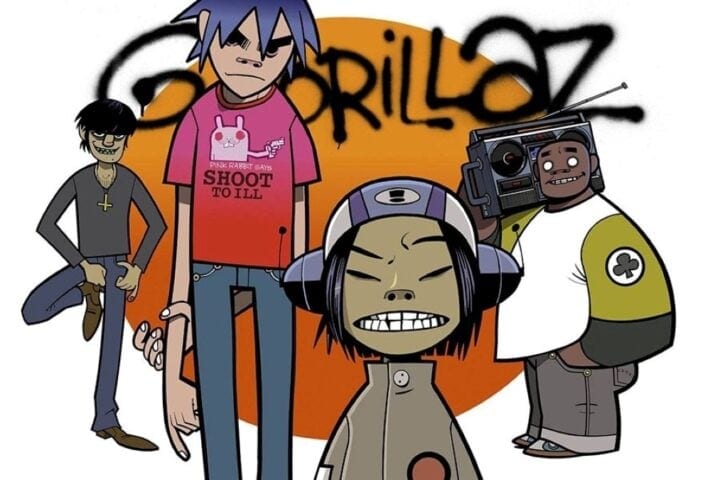
Much of Gorillaz’s output since they returned from an extended hiatus in 2017 has felt frustratingly slapdash, their recent albums resembling the sort of shapeless, auto-generated playlists of vaguely similar songs you find on streaming platforms. Happily, their ninth studio album, The Mountain, bucks that trend toward underdeveloped, disposable fodder, resulting in Gorillaz’s best work since 2010’s Plastic Beach.
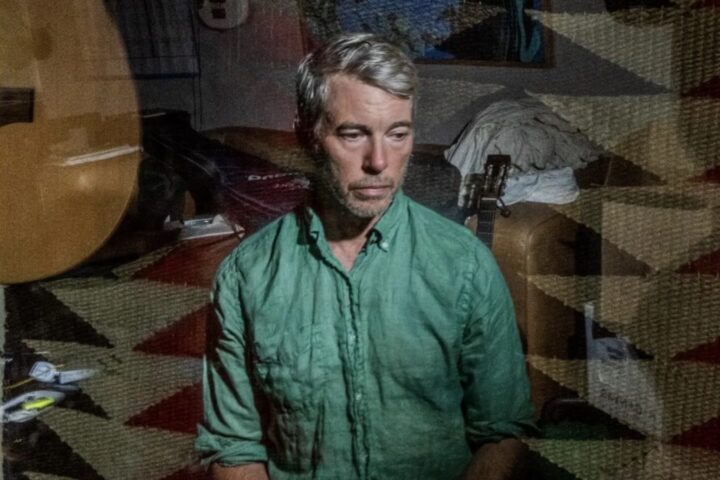
Frontman Damon Albarn has always approached Gorillaz with the uninhibited experimentalism of Paul McCartney’s self-titled albums, playing and singing every note himself, save for drums by Remi Kabaka Jr. and varied contributions from featured guests. But lately that parallel has been more in line with post-Band on the Run Wings than the quirky underdog spirit of McCartney and McCartney II. Albarn has, until now, appeared to be running on autopilot.
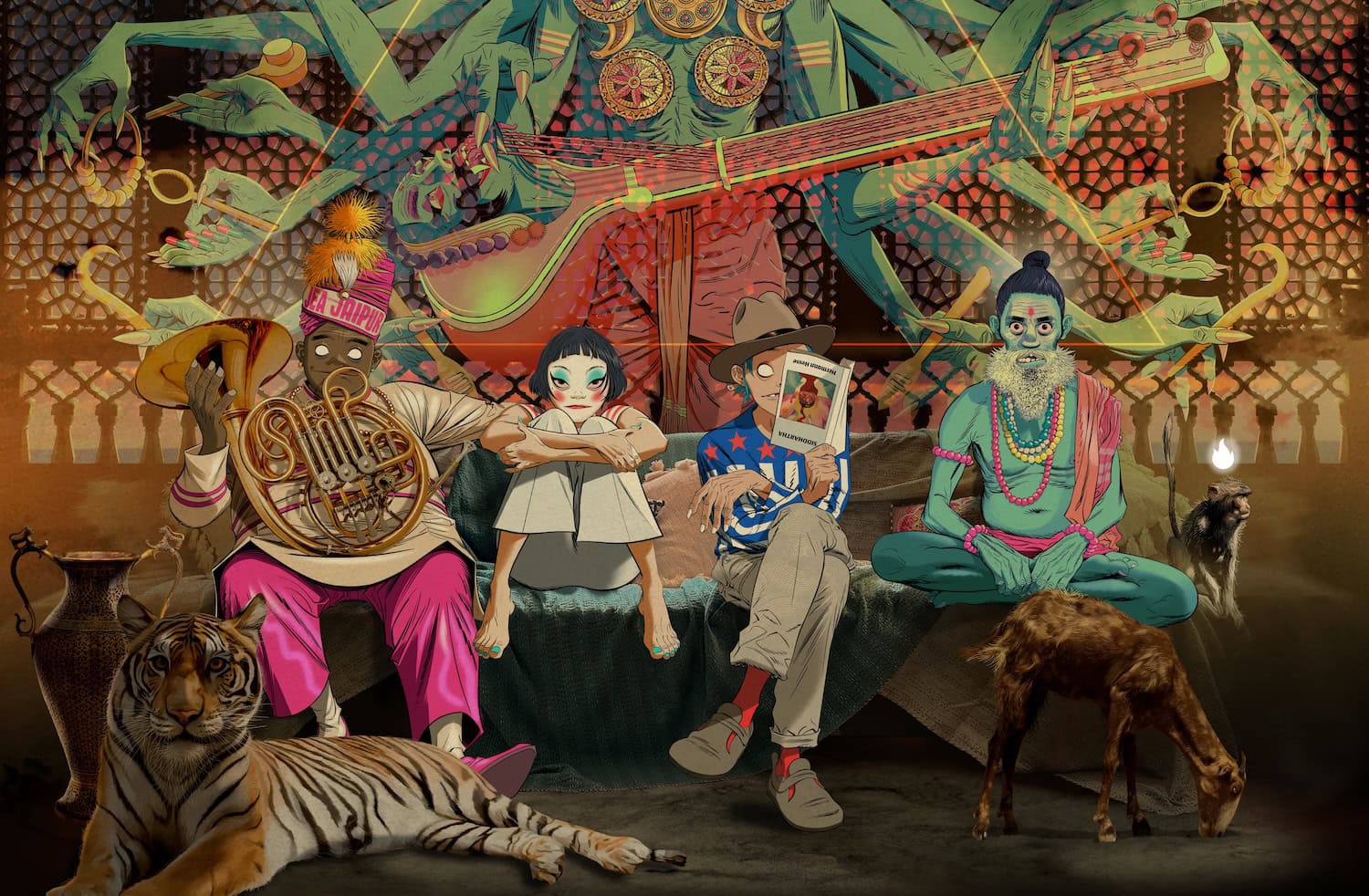
The Mountain finds him once again conjuring a colorful dreamworld, one that feels strangely coherent for all the different voices that float in and out of it. Like Demon Days, which deals with post-9/11 malaise, and the ecologically minded Plastic Beach, The Mountain is constructed around a strong conceptual framework whose themes of loss and the indefatigability of the human spirit extend to the disparate styles and varied performances within.
The album’s unity of purpose and effect is embodied by the recurring presence of sitar player and musician Anoushka Shankar. The music of Anouchka’s father, Ravi, was beloved by Albarn’s dad, and the beauty and warmth of her sitar playing, along with the other Indian classical instruments that accompany her (as well as the vocals of Bollywood legend Asha Bhosle on “The Shadowy Light”), gives voice to Albarn’s grief over the death of his father.
Albarn spread his father’s ashes in the Ganges, where he was exposed to the Hindu tradition of mourning, which is expressed openly and communally. After Jamie Hewlett, the cartoonist responsible for Gorillaz’s visual presentation, lost his father barely a week after Albarn’s, it was decided that Hindu and Buddhist philosophies around mortality would be the focal point of The Mountain, which is woven into the subtext of the music throughout.
A number of former collaborators make posthumous appearances on the album, including De La Soul’s David Jolicoeur, D12 rapper Proof, and singer-songwriter Mark E. Smith. With the exception of an awkward attempt at rendering some typically indiscernible ranting from Smith into a banger of a chorus on “Delirium,” these cameos from the beyond are thoughtfully executed and don’t detract from the album’s myriad moods, which range from the elegiac (“The Hardest Thing”) to the joyful (“The Moon Cave”).
The Mountain is exemplary of the ways in which art can be used to exorcise grief. That Albarn has managed to channel his feelings of loss into music that teems with warmth and empathy while continuing Gorillaz’s mission of providing a platform for a multitude of voices and cultural traditions positions The Mountain among his most accomplished albums.
Since 2001, we've brought you uncompromising, candid takes on the world of film, music, television, video games, theater, and more. Independently owned and operated publications like Slant have been hit hard in recent years, but we’re committed to keeping our content free and accessible—meaning no paywalls or fees.
If you like what we do, please consider subscribing to our Patreon or making a donation.