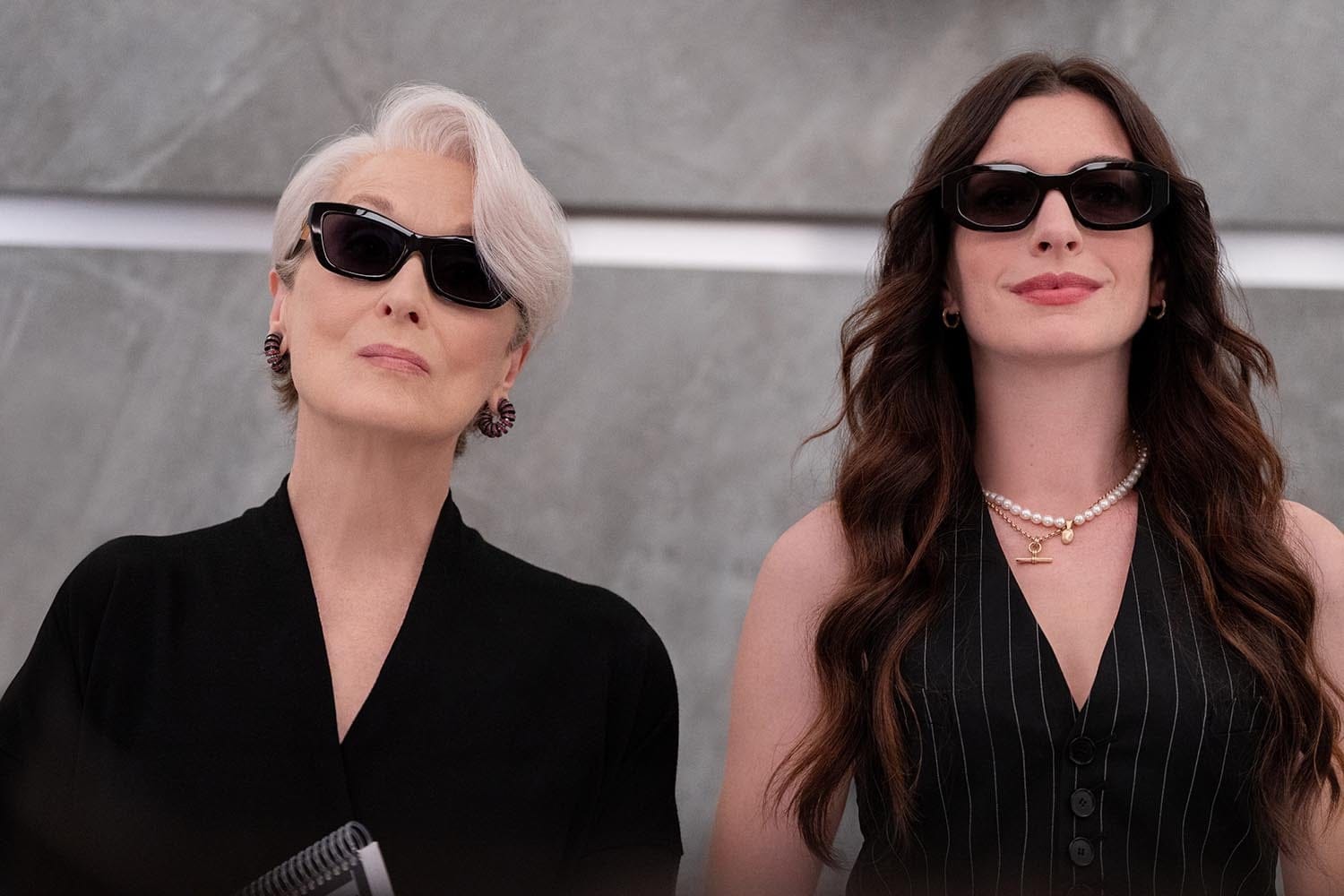
Following aspiring journalist Andy Sachs’s (Anne Hathaway) foray into the fashion fiefdom of Vogue stand-in Runway magazine, The Devil Wears Prada scarcely contained enough loose narrative threads to warrant a sequel. The much-belated The Devil Wears Prada 2 does, though, afford the chance to check in on the state of media and publishing in 2026.
The first film arrived at what was the final days of print media’s imperial era, just before the 2008 financial crisis and social media altered the industry. The sequel, also directed by David Frankel and written by Aline Brosh McKenna, begins with Andy learning that her employer has been liquidated to further line the pockets of private equity, and quickly finding herself back at Runway as features editor to manage a PR crisis involving editor-in-chief Miranda Priestly’s (Meryl Streep) inadvertent endorsement of sweatshop labor. When Andy arrives back at the office that launched her career, she finds the publication reduced to a shell of its former self, with consultants circling like sharks waiting to tear every morsel of flesh from its wounded body.
In this respect, The Devil Wears Prada 2 actually boasts a stronger, more coherent angle on its subject than its predecessor, which was marked by a contradictory attitude regarding the fashion industry, as it was both disgusted by and reverent toward it and the officiousness of its gatekeeper publications. In the new film, the word “content” is uttered like a curse from the old country, as if it takes conscious effort not to spit on the ground when saying it.
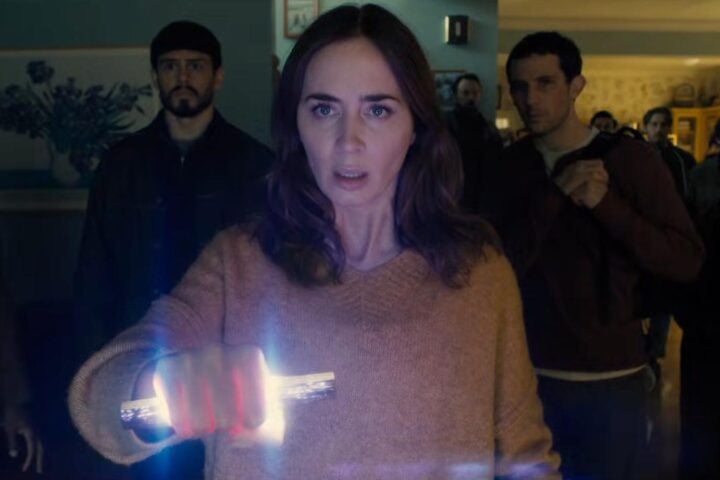
Most startling is the sight of Miranda, once so terrifying to everyone around her, nakedly supplicant to higher-ups and advertisers like Dior, now partially run by Andy’s old nemesis Emily (Emily Blunt). Emily takes particular delight in extracting free ad space and puff-piece copy from Runway because Miranda can’t afford to alienate its dwindling patrons.
Streep expertly balances Miranda’s attempt to maintain her regal poise against her cowed acquiescence. The 2006 film hinted at a softer side to the editor that rarely manifested, but here she emerges as genuinely sympathetic, the last of an old guard whose cruelty at least stemmed from a passionate devotion to their jobs, compared to the detached sociopathy of modern-day money men stripping the copper wiring out of every industry they get their hands on.
As cutting as Miranda’s humiliation can be, though, The Devil Wears Prada 2 largely lacks the acidic humor of the first film. The putdowns this time around feel more performative than withering, with only Emily retaining her caustic intensity. Sometimes, the sequel productively foregrounds this shift toward nicety, as in the recurring gag of HR trailing Miranda and tut-tutting like a Geiger counter every time she comes too close to saying something that could result in a formal complaint. Nonetheless, there are far too many stretches almost entirely without jokes, instead ceding ground to wistful remembrances to a better age of media.
Similarly, the personal conflicts at the heart of The Devil Wears Prada 2 are inert. Andy’s crusade to not only save Runway but journalism that actually matters can’t overcome the film’s absurd belief that glossy fashion spreads are the last bastion of “real” journalism, and a romance with an Australian property developer (Patrick Brammall) only adds extra runtime to a story otherwise laser-focused on Andy’s career aspirations. Befitting its image-conscious milieu, The Devil Wears Prada 2 has the aspartame fake-sweetness and zero-calorie comfort of its predecessor: It’s charming enough in the moment, but you’ll be hungry again half an hour later.
Since 2001, we've brought you uncompromising, candid takes on the world of film, music, television, video games, theater, and more. Independently owned and operated publications like Slant have been hit hard in recent years, but we’re committed to keeping our content free and accessible—meaning no paywalls or fees.
If you like what we do, please consider subscribing to our Patreon or making a donation.