Writer-director Mamadou Dia’s feature-length debut, Nafi’s Father, hinges on the contentious relationship between two brothers, each one devoted to an opposing version of Islam, and how their bid for primacy leads to rising tensions in the small Senegalese town they call home. For Tierno (Alassane Sy), who’s well on his way to becoming an imam, the religion is a justification for peace and self-reflection. And while his practices are largely traditional, he’s lenient about some of the more repressive rules that many other imams would blindly enforce. But for his greedy, duplicitous brother, Ousmane (Saïkou Lo), Islam is merely a stepping stone to achieving control over their town. As Tierno struggles to keep his followers on the path of righteousness, Ousmane repeatedly arrives on the scene with stacks of cash from a fundamentalist sheikh looking to draw supporters to his cause.
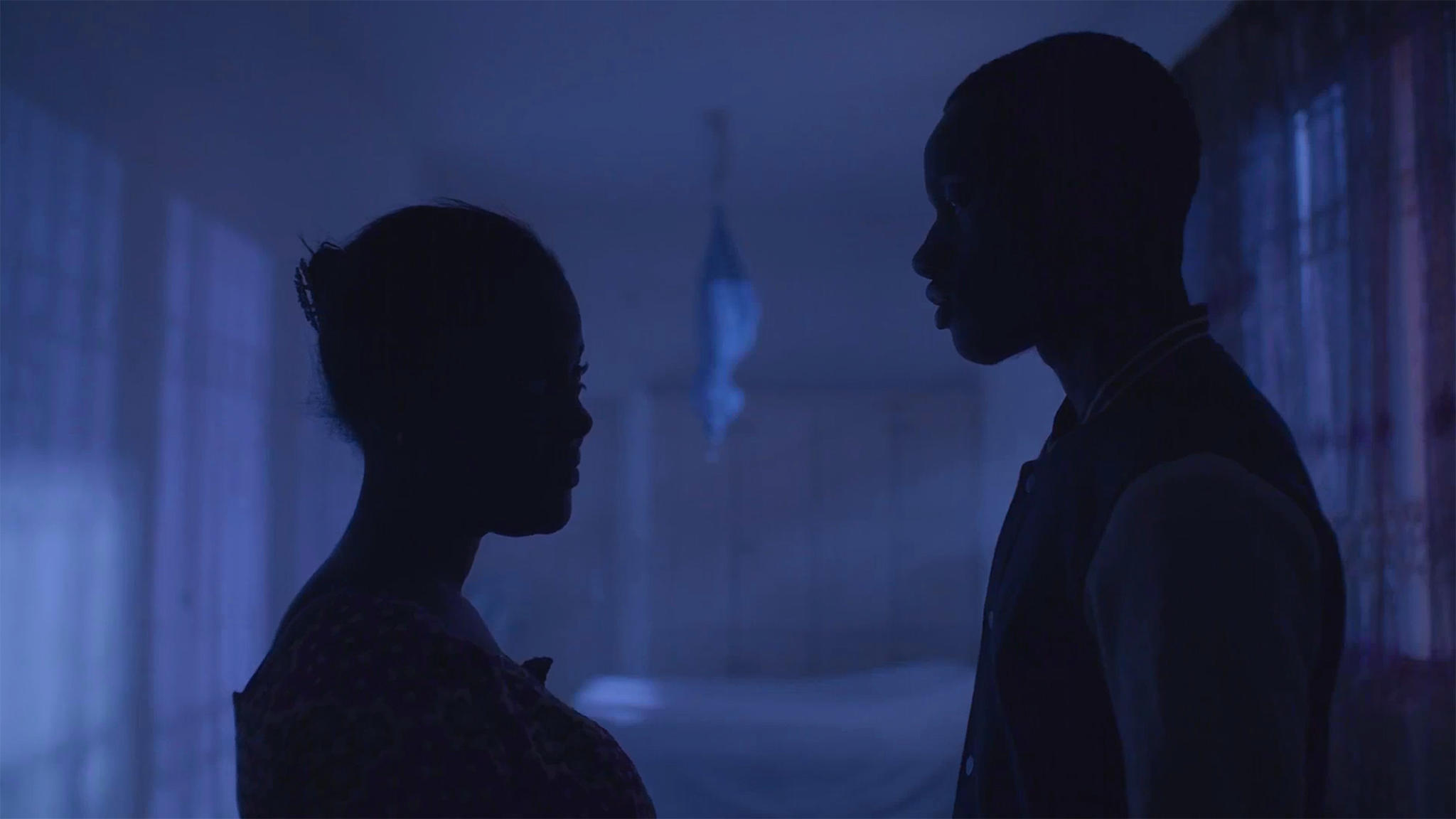
Dia delicately balances this depiction of the gradual arrival of more restrictive, fundamentalist forces within the town’s borders with a small-scale family drama that plays out after Ousmane’s son, Tokara (Alassane Ndoye), asks Tierno’s daughter, Nafi (Aïcha Talla), for her hand in marriage. Tierno’s fears for his daughter were she to become Ousmane’s daughter-in-law are legitimate, but his refusal to consent to the union is driven more by his lingering jealousy of his brother, who was favored by their parents, and a desire to keep Nafi from venturing out to the nearby city, where she wants to study neurosciences.
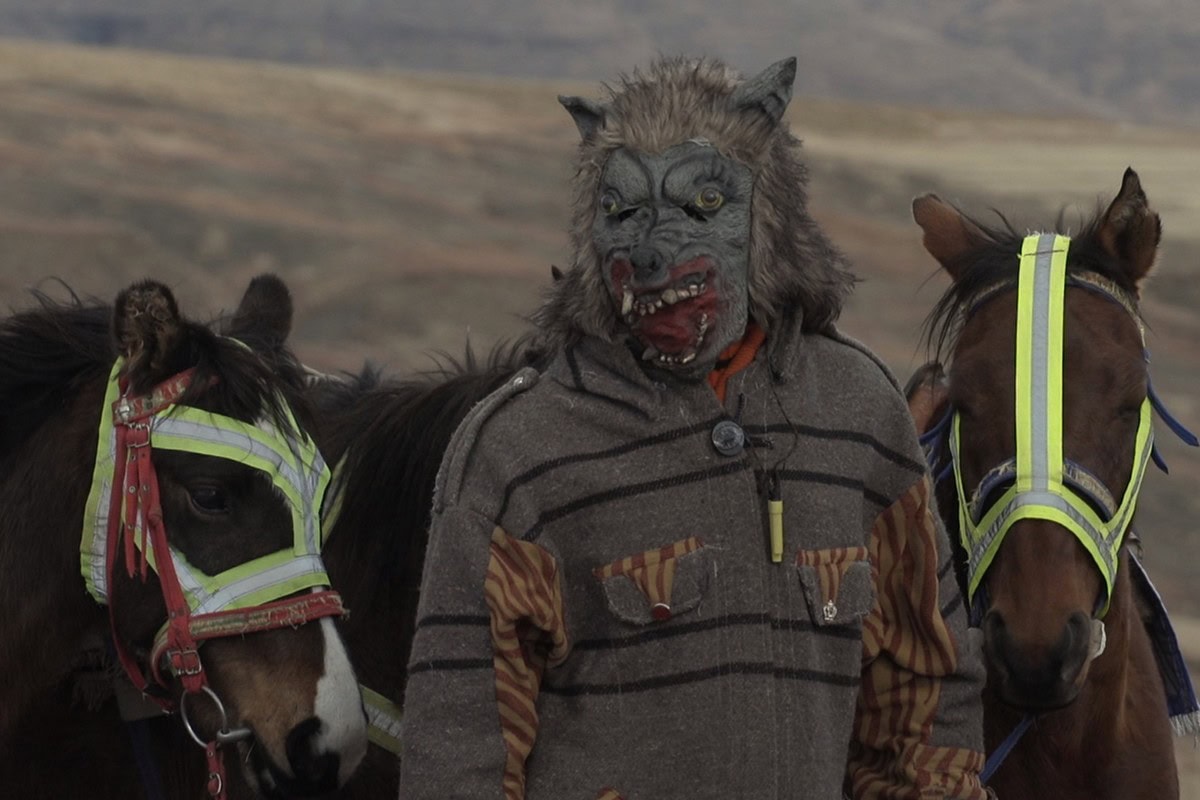
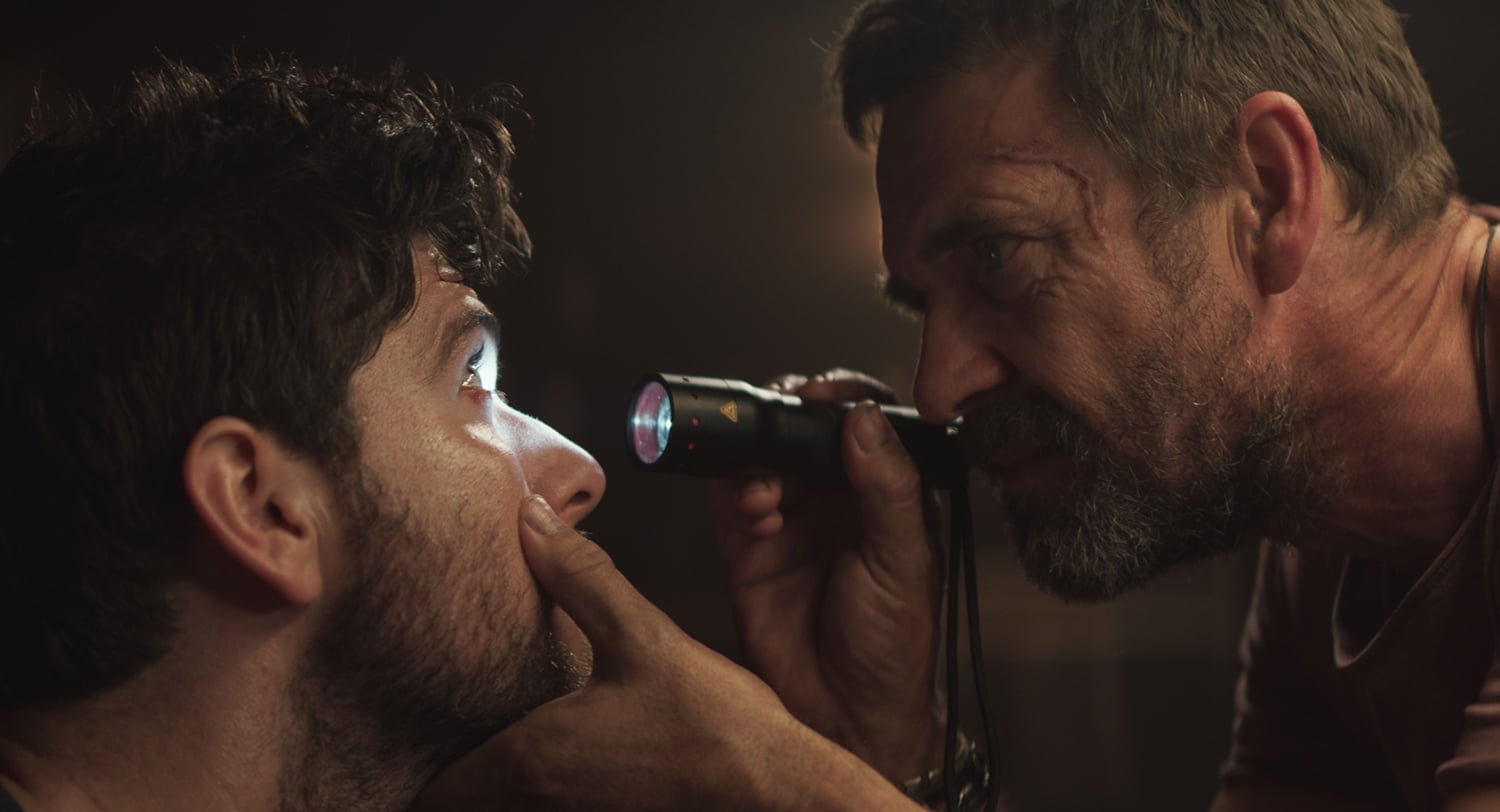
While Tierno sees through his brother’s nefarious methods and justly fears the terrifying sheikh, his own restrictive treatment of Nafi, who genuinely loves and wants to marry Tokara, lends the film’s central sibling rivalry a potent irony; no one here is free from blame in the tragic events that will follow. Just as Ousmane courts the sheikh for his own benefit, so does Tierno impede his daughter’s desires only to serve his own ego. Dia nimbly reveals how this battle of headstrong wills reverberates through both the entire local community and within Tierno’s own family. As the sheikh’s presence is felt more forcefully, we also see how even those with the appearance of authority and respect in such an oppressed society, such as Tierno and Ousmane, are ultimately rendered as helpless as those in their own flock when someone with money and guns arrives on the scene, licking their chops like a wolf at the door.
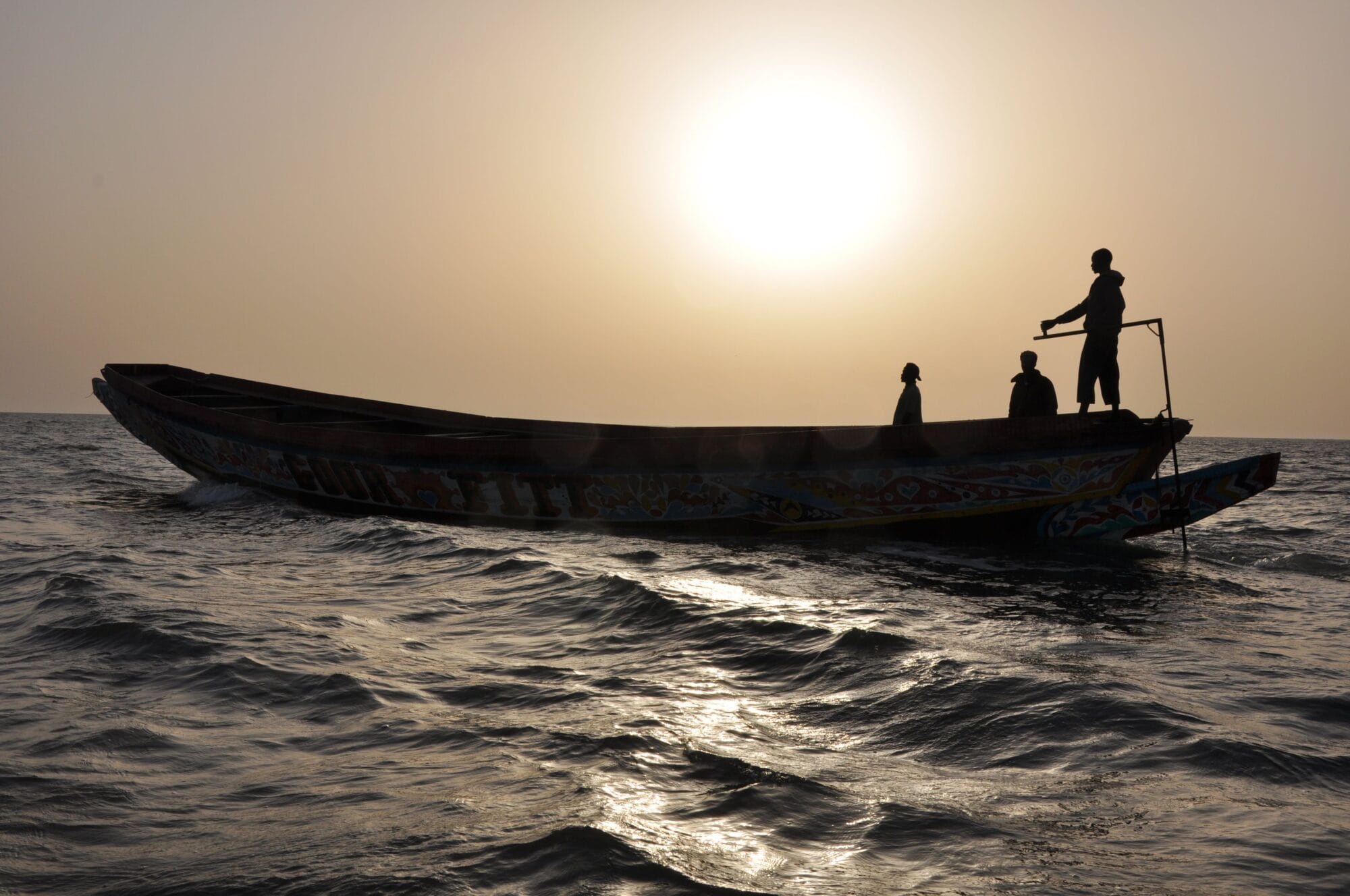
Shooting in a small town in northeast Senegal, near where he grew up, Dia counters the film’s central tragedy with an emphasis on the region’s sparse beauty and its cultural mores and artifacts, from its marriage rituals to the vibrantly colorful, intricately designed costumes. The richness and cultural specificity that Dia brings to Nafi’s Father lends it an authenticity that helps articulate all that’s lost when such towns are held under the draconian decree of warlords. The film’s pacing is quite deliberate, and while it could perhaps use some tighter editing in the middle stretches, it’s the acute attention paid to how seemingly trivial acts of greed and selfishness can, over time, lay the tracks for an outright takeover by violent fundamentalists that gives a familiar subject such a gripping, raw immediacy.
Nafi’s Father had its world premiere last year at Locarno and was slated to screen at the now-delayed New Directors/New Films. For sales information, please contact JoyeDidi.
Since 2001, we've brought you uncompromising, candid takes on the world of film, music, television, video games, theater, and more. Independently owned and operated publications like Slant have been hit hard in recent years, but we’re committed to keeping our content free and accessible—meaning no paywalls or fees.
If you like what we do, please consider subscribing to our Patreon or making a donation.