The story of Silent Hill 2 in game form is deceptively simple. James Sunderland receives a mysterious letter from his wife, Mary, who died from a wasting disease three years earlier, telling him to come to the cursed town of Silent Hill. Upon arriving, he’s tormented every step of the way by monsters that are extensions of his hang-ups, including his self-loathing. Eventually he meets other people, among them an abuse survivor named Angela and a misanthrope named Eddie, all of them appearing to experience bespoke horrors all their own.
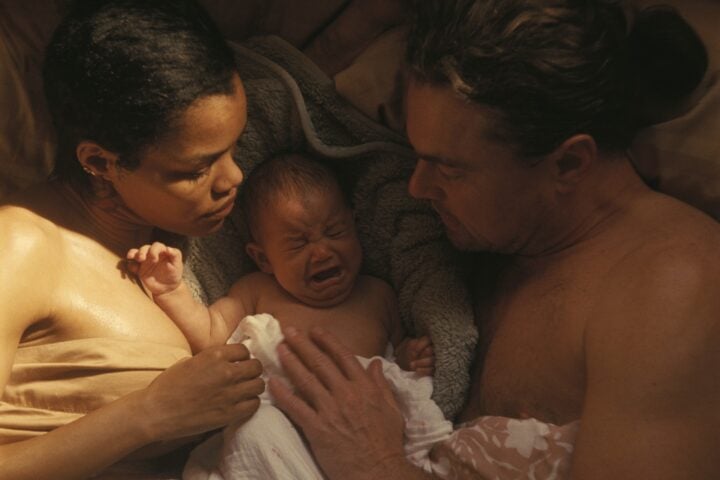
Christophe Gans’s Return to Silent Hill does away with all that psychosexual nuance. For one, it attributes Mary’s illness to her proximity to a cult. Angela, once a bundle of sadly frayed nerves, is reduced to a generic, mentally ill townie, with the screenplay taking most of her game counterpart’s experiences and applying them awkwardly onto Mary. Hannah Emily Anderson plays both Mary and Angela, which could’ve been a springboard for a female riff on what Alex Garland did with the characters played by Rory Kinnear in 2022’s Men, but the casting is just a set up for one of Return to Silent Hill’s most hackneyed moments of storytelling.
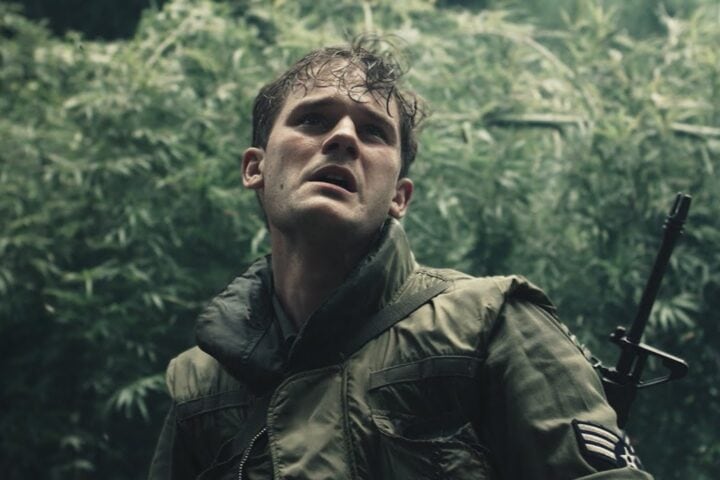
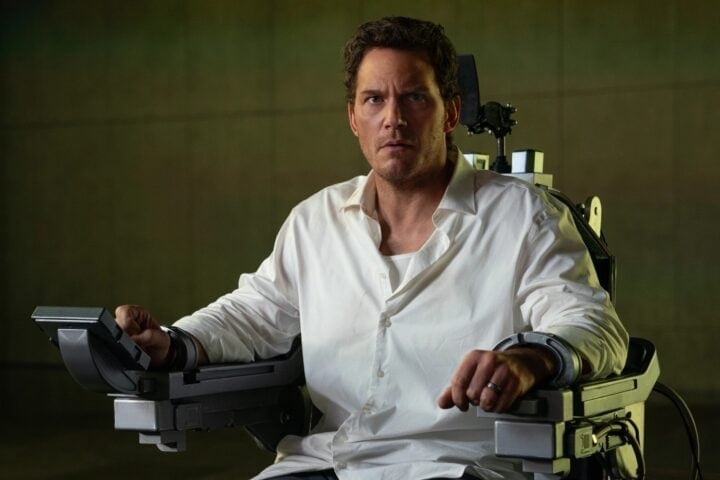
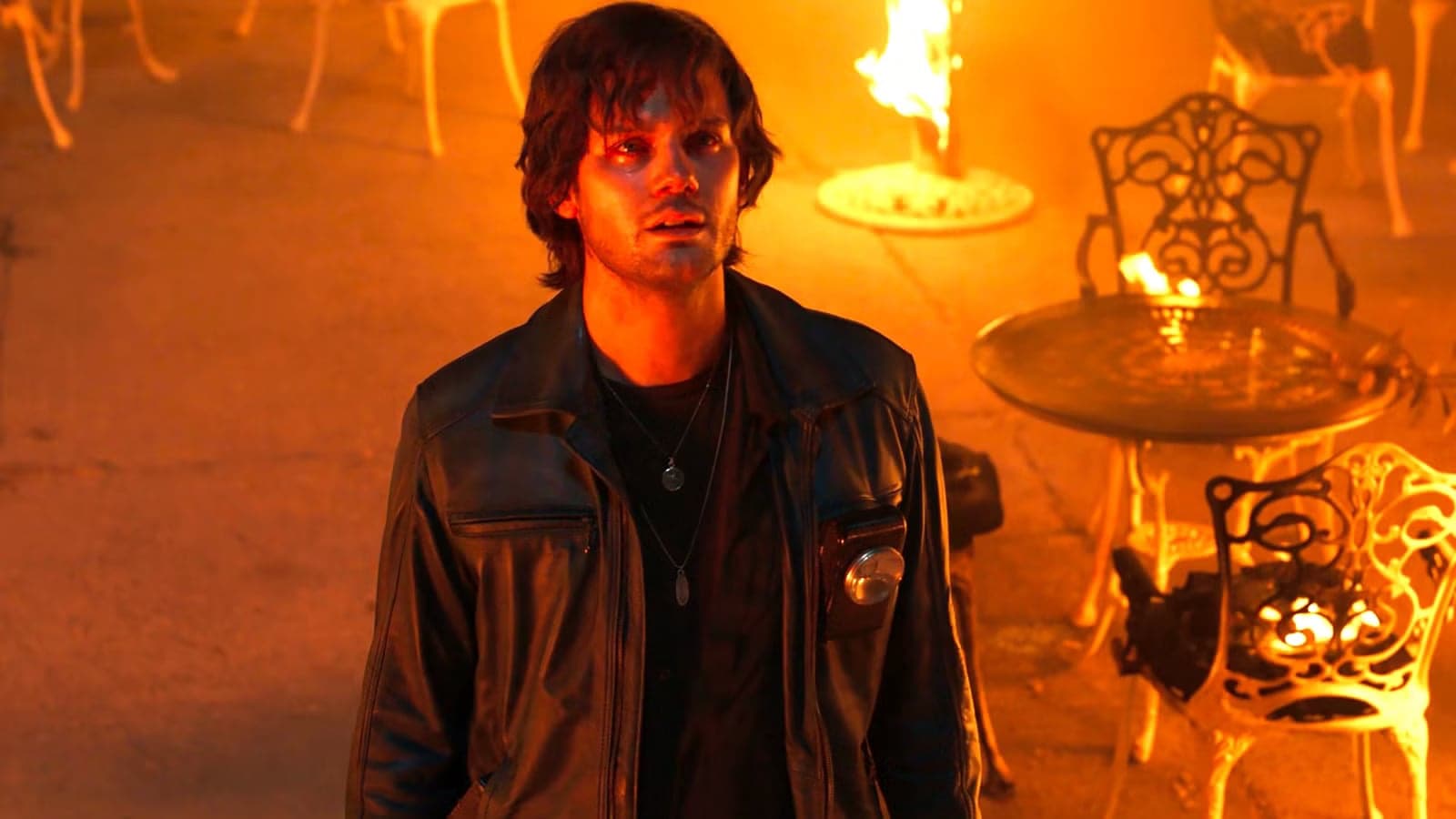
Elsewhere, Eddie (Pearse Egan), positioned in the game as a man emboldened by his first taste of homicidal power, essentially vanishes from the film after a brief appearance, and as such the character functions entirely as fan service. James (Jeremy Irvine) himself is written and portrayed as a tortured, moody alcoholic painter who feels like he was cut out of Rupert Sanders’s dead-on-arrival remake of The Crow. Moreover, whatever oppressive atmosphere the film manages to generate instantly dissipates every time that it cuts away from James to a phone call from his AA sponsor (Nicola Alexis), which would be a baffling narrative choice even if it wasn’t well-established in the games and films that cellphones don’t work in Silent Hill.
The film’s crimes are just as egregious without the source material looming over it. It’s no exaggeration to say that Return to Silent Hill boasts some of the most unsightly green screening and effects work in modern cinema, to the point that the uncanny valley effect won’t be elicited. Compared to the phenomenal cinematography and production design of the first film and Silent Hill: Revelation, Return to Silent Hill feels closer to a follow-up to Birdemic: Shock and Terror.
The single, unshakeable point of light here is the score by Yamaoka Akira, the series’s much-lauded composer. Yamaoka delivers the same newfound classical maturity that he brought to his music for Bloober Team’s Silent Hill 2 remake from 2024: His score is moody and elegiac, but it’s also completely undeserving of the film containing it.
The best time to have made a live-action adaptation of Silent Hill 2 would’ve been immediately after Gans’s still-respectable first film. The second best would’ve been after its lesser sequel, which at least ended on a note that felt like it was teeing up a riff on the game’s main plot, with Sean Bean and Radha Mitchell at its center. Return to Silent Hill, however, posits that the real answer is “never,” at least not by filmmakers who took a look at one of the greatest horror stories ever told and made the worst possible decisions on how to adapt it into movie form.
Since 2001, we've brought you uncompromising, candid takes on the world of film, music, television, video games, theater, and more. Independently owned and operated publications like Slant have been hit hard in recent years, but we’re committed to keeping our content free and accessible—meaning no paywalls or fees.
If you like what we do, please consider subscribing to our Patreon or making a donation.