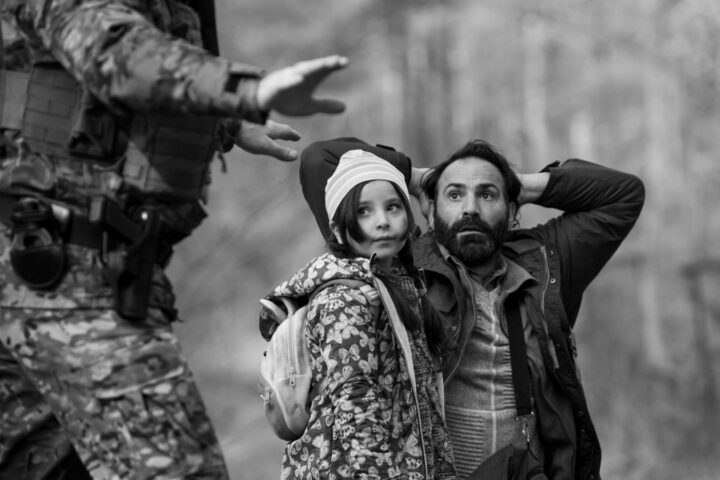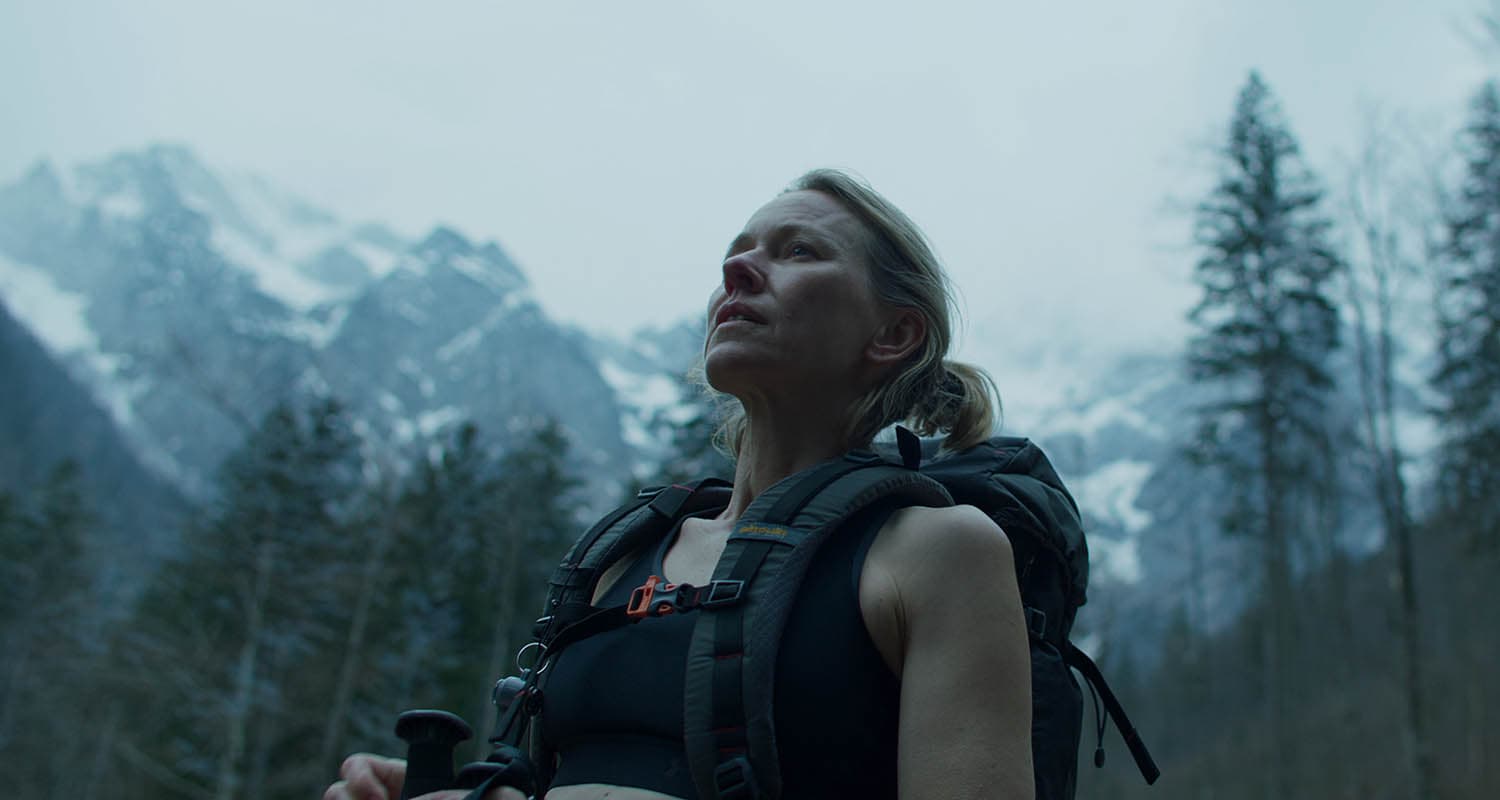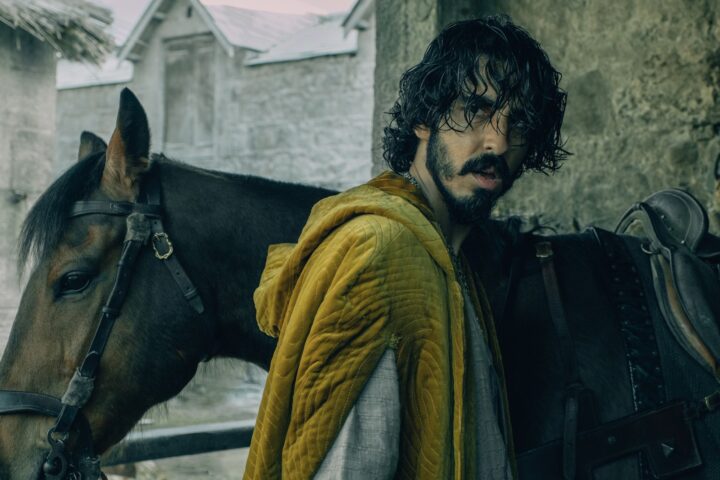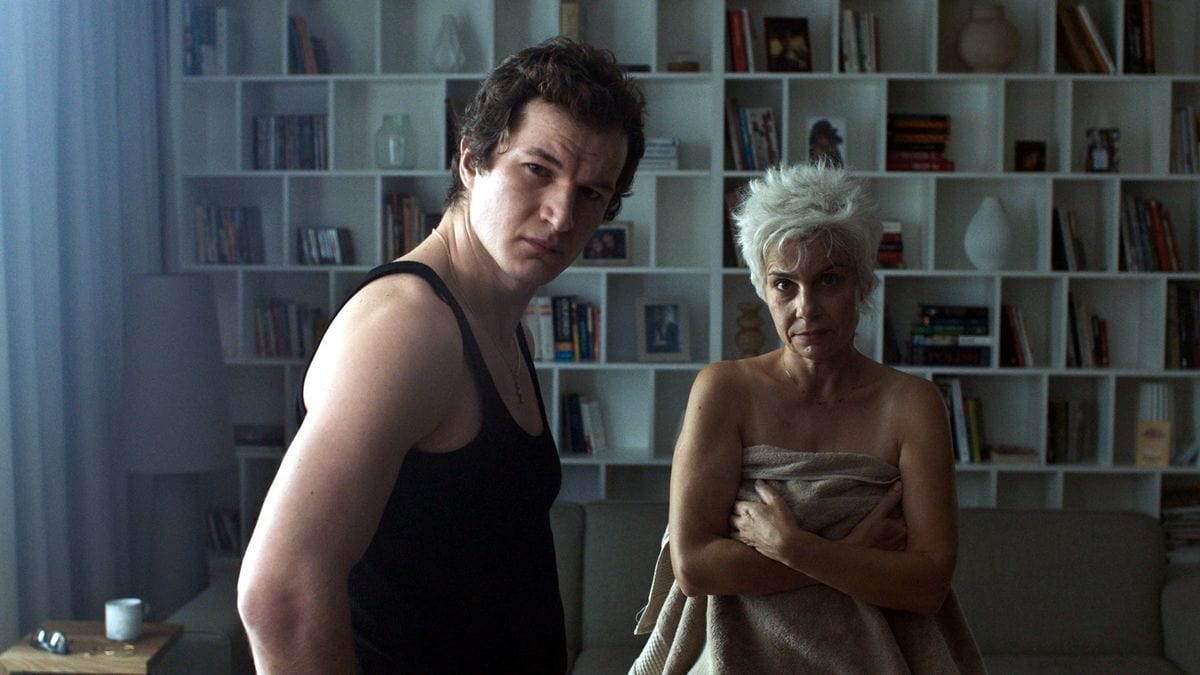
In a scene from Małgorzata Szumowska’s Never Gonna Snow Again that echoes the final shot of Andrei Tarkovsky’s Stalker, Zhenia (Alec Utgoff) moves a glass of tea toward the edge of a table with his mind. In this moment, he suggests a grown-up, male version of the stalker’s daughter, Martyshka, from Tarkovsky’s 1979 sci-fi classic, deformed but also gifted with telekinetic powers by the alien energies of the dangerous and forbidden Zone.
From flashbacks scattered through Szumowska’s film, we piece together that Zhenia has crossed into Poland from the Chernobyl Exclusion Zone, which Stalker and its source material, Arkady and Boris Strugatsky’s Roadside Picnic, spookily prefigured with their visions of a landscape rendered uninhabitable by calamity, and subsequently reclaimed by nature. The magic exemplified in this scene, possible despite (or even because of) a catastrophic human blunder, together with the cinematic legacy that it claims, makes Never Gonna Snow Again a modern fairy tale for a cynical world—a world on the brink of irreversible transformation.
The film opens with Zhenia wandering out of the woods and into an unnamed city, shot so as to emphasize its stark geometries and predawn emptiness. He hypnotizes an immigration official (Jerzy Nasierowski) to get his papers stamped, then arrives like a miracle to a wealthy gated community’s families, who are frantic in their pettiness and self-absorption. Instead of a magic wand, he carries a foldable bed and goes door to door performing massages. One by one, his clients fall under the spell of this cherubic, otherworldly stranger, who speaks every language (but mostly Russian) and always seems to be smiling at some secret joke.
Each house in the community has a different wreath on the door, and each doorbell plays a different scrap of classical music. The streets are patrolled by guards on Segways while affectless teenagers crank out tablets of molly stamped with snowflakes. All of which contrasts with the barebones apartment, overlooking an industrial park, that Zhenia returns to each day after performing his massages, skillfully evading immigration officers. In its artifice and self-containment, this gated community might be thought of as a sort of anti-Zone. The skies are constantly overcast, as if the film’s title were barely holding back the snow.
Szumowska’s film concerns itself more with detail and mood than charting a clear sequence of events, while momentous plot developments are handled with a certain levity. Without judgment, Zhenia wryly observes the alcoholism, adulteries, and squabbles that preoccupy his clients, yet his mere presence begins to settle them. Likewise, one would be hard pressed to come away from Never Gonna Snow Again without a lingering sense of detachment, at once serene and melancholy, as though the film itself were a massage by other means.
With total confidence of pacing, Szumowska never cuts away from an image before it has time to seep in. Never Gonna Snow Again is full to the brim with arresting compositions and mesmerizing zooms, backed by a score that combines Shostakovich with peculiar electro and piano compositions by Hania Rani. In terms of editing, though, Szumowska forgoes the exhaustive (and at times exhausting) Tarkovskian long take, in favor of a rhythm that recalls the meditative cool of, say, Jim Jarmusch’s Ghost Dog: The Way of the Samurai.
Scenes in which Zhenia improvises a ballet on a staircase, or gazes at a photograph of his mother until it turns seamlessly into a memory, or performs a Houdini-esque disappearing act assisted by the wife (Weronika Rosati) of a client who’s just died of terminal cancer, all exalt in the magic of illusion, a magic that may be powerful enough to overturn the title’s authority in the end, if only at great cost. With Never Gonna Snow Again, Szumowska presents a charm against both apocalyptic despair and willful ignorance, insisting that, with sufficient imagination, we can face a climate crisis of our own making.
Since 2001, we've brought you uncompromising, candid takes on the world of film, music, television, video games, theater, and more. Independently owned and operated publications like Slant have been hit hard in recent years, but we’re committed to keeping our content free and accessible—meaning no paywalls or fees.
If you like what we do, please consider subscribing to our Patreon or making a donation.