The structural simplicity of your average Mortal Kombat video game should benefit any film based on the long-running franchise. Like the games, Simon McQuoid’s reboot revolves around an extra-dimensional martial arts tournament in which warriors from Earthrealm (or Earth) square off against combatants from a place called Outworld for the right of the triumphant party to invade and conquer the losing realm. With Outworld having won nine out of a necessary 10 tournaments to claim final victory, Earth has to pull out all of the stops to make a comeback. But because it’s based on an old-school fighting arcade game in which the most customizable aspect is a large roster of playable characters, and because it has ambitions of resuscitating a long-dormant film franchise, this reboot subjects us to a slog of exposition and mythology in between the action that defines the games.
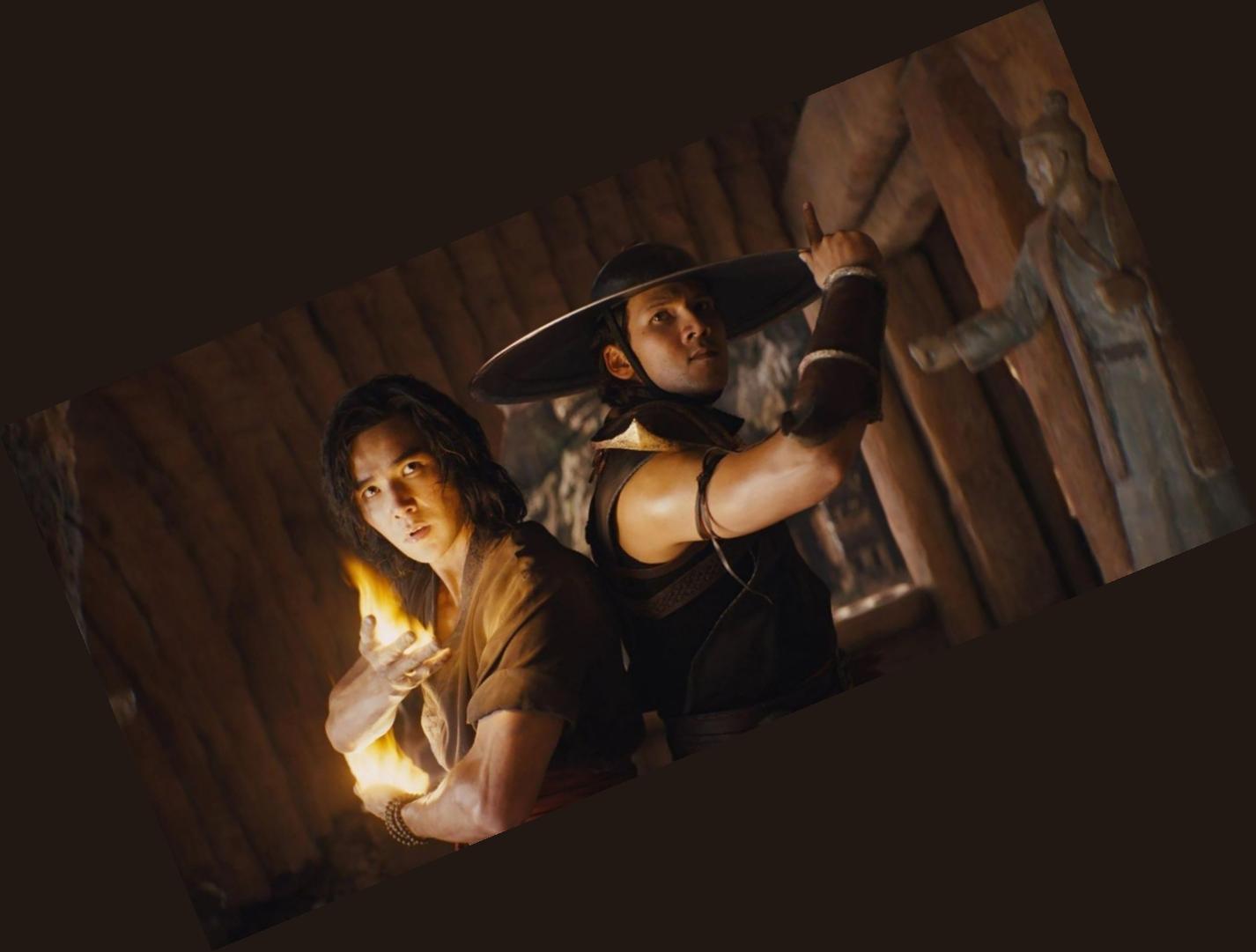
At the center of said action is Cole Young (Lewis Tan), a washed-up mixed martial arts fighter with a possible connection to a feudal Japanese warrior whose bloodline is the source of a prophecy regarding the tournament. Piling in around him is a motley crew of characters that will be familiar to fans of the games, from Major Jackson “Jax” Briggs (Mehcad Brooks) to iconic villains Sub-Zero (Joe Taslim) and Scorpion (Sanada Hiroyuki), all of whom exist mostly to advance the plot in between fights that show off their respective moves.
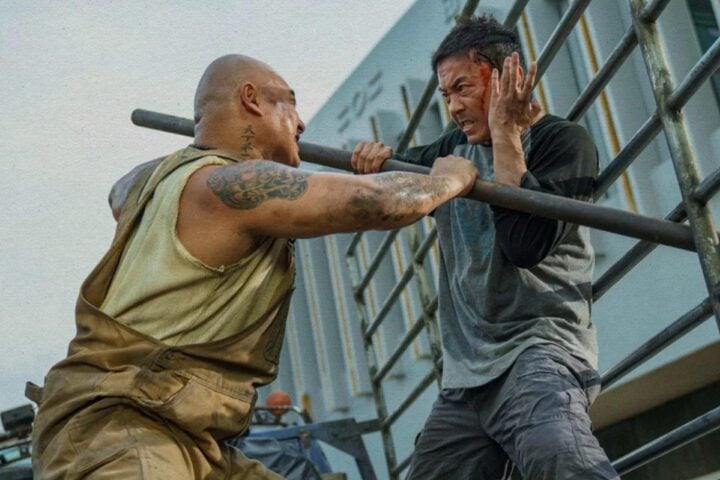
McQuoid, making his feature debut after working principally in advertising, shows off a grasp of action no doubt informed by that industry’s emphasis on clear, concise visuals. The film’s fights are rapidly edited but give a sufficiently clear sense of what’s happening as characters counter each other’s moves. The fighters’ supernatural abilities, from eye lasers to Sub-Zero’s freezing powers, manifest in effects-heavy sequences, but the action is always grounded by a realistic depiction of MMA maneuvers, the camera rolling with judo throws or studiously tracking jiu-jitsu transitions. Above all else, these scenes capture the draw of the video games by foregrounding unremitting gore. Characters in the film don’t bleed so much as spurt small rivers of blood from every slash and stab, and the recreations of the games’ notorious fatality animations abound in gruesome bits of business, from disembowelment to decapitation.
The film’s major issue is that with so many characters to keep track of, the action is constantly being interrupted by endless backstory dumps. The rest of the dialogue consists of either catchphrases from the games or R-rated riffs on Whedonesque humor in which the characters speak in a combination of pop-culture references and snappy comebacks. In spite of its decidedly more adult violence, this Mortal Kombat’s mix of po-faced severity and blasé, self-effacing witticisms puts it in line with nearly all contemporary blockbusters.
The film feels like pure fan service, but the fact that even Paul W.S. Anderson’s loose adaptation of the video game series from 1995 employed many of the same catchphrases and action moves recognizable from the games speaks to the inherent limitations of a Mortal Kombat film franchise. For all of the time that this reboot devotes to establishing its universe, the only thing that it can promise for prospective future installments is the introduction of more characters familiar to fans. In spite of its occasionally engaging displays of gnarly brutality, this Mortal Kombat too often feels like an adaptation of a player select screen.
Since 2001, we've brought you uncompromising, candid takes on the world of film, music, television, video games, theater, and more. Independently owned and operated publications like Slant have been hit hard in recent years, but we’re committed to keeping our content free and accessible—meaning no paywalls or fees.
If you like what we do, please consider subscribing to our Patreon or making a donation.