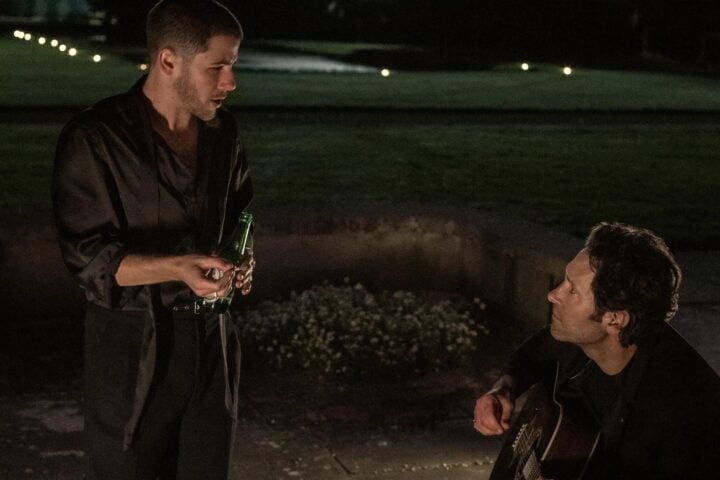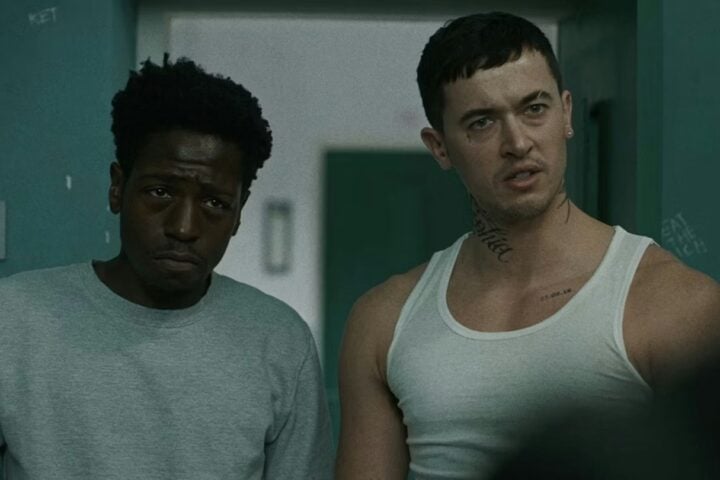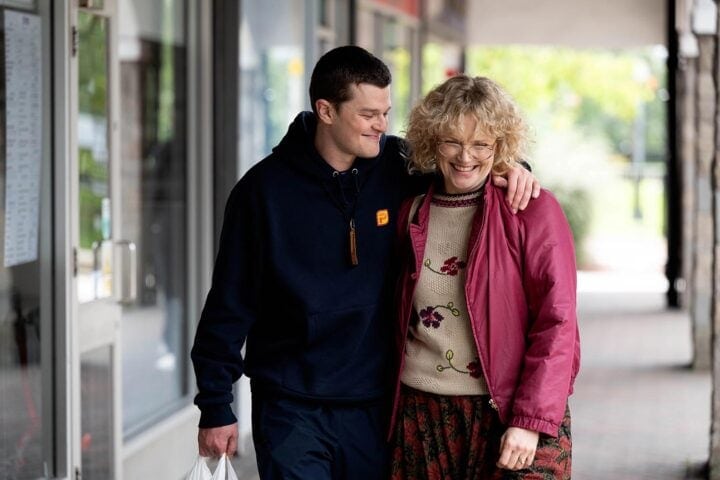
Writer-director Lee Cronin seems to be under the impression that all a good movie needs is split diopter shots, plenty of squishy gore, and a child-like sense of cruelty. Channel these ingredients into a transparent riff on William Friedkin’s The Exorcist and you have Lee Cronin’s The Mummy, which is closer in spirit to the Irish filmmaker’s anonymous gorefest Evil Dead Rise than his eerily ambiguous breakout The Hole in the Ground.
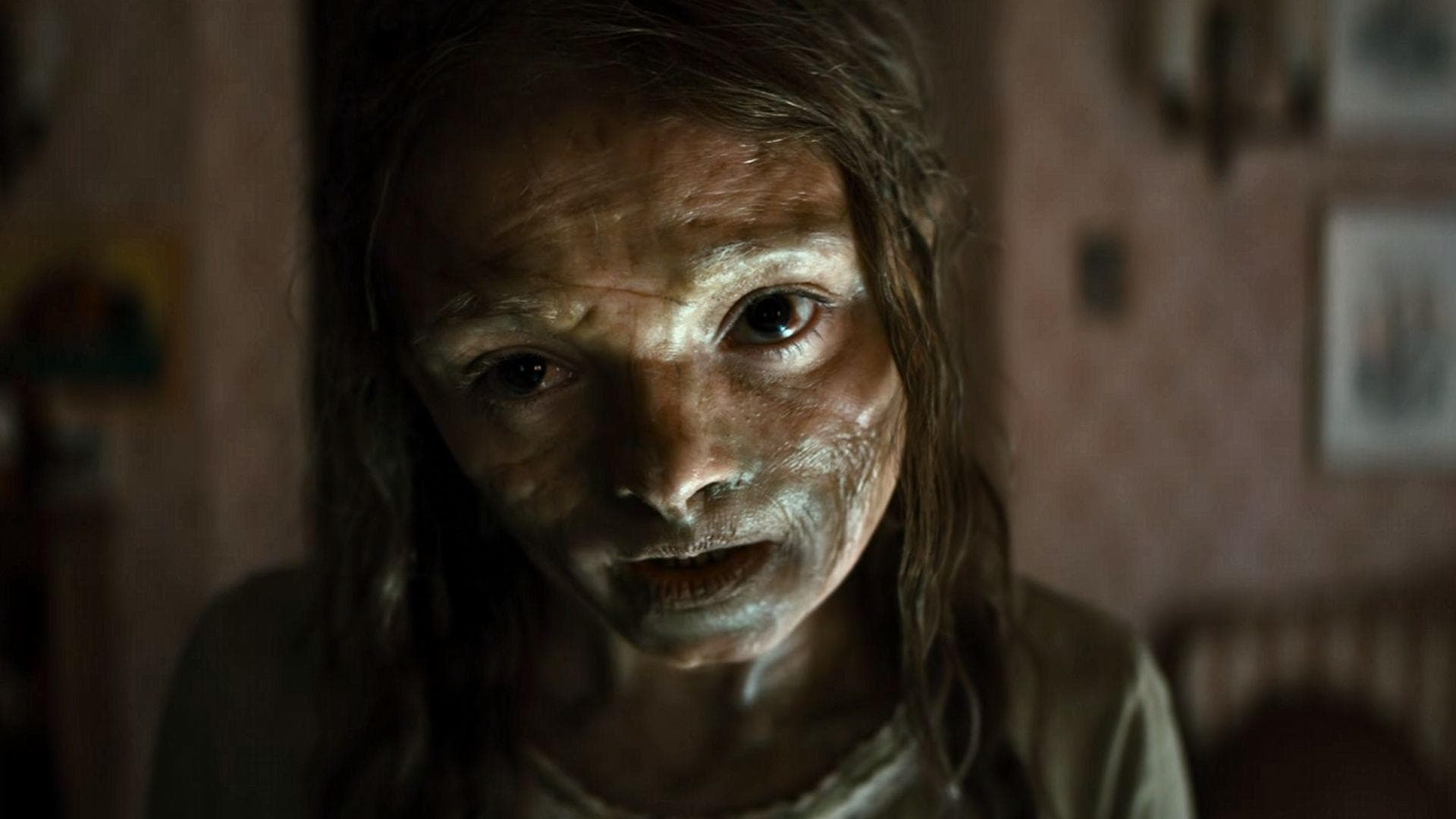
The film follows Charlie Cannon (Jack Reynor), a journalist working in Cairo whose daughter, Katie (Emily Mitchell), is abducted by a mysterious woman. When Katie turns up eight years later, embalmed but still alive (and now played by Natalie Grace), the Cannon family, having moved to Albuquerque, takes her home and tries to rehabilitate her. From there, we’re subjected to Katie inflicting a skin-ripping, head-bludgeoning, and obscenity-screaming series of horrors on her family as they try to figure out what the hell happened to her.
Across its bloated runtime, The Mummy suffers from a lack of cohesion on a scene-to-scene level. Far too often, at the height of Katie’s violence, the film cuts to the next scene, hours later, leaving us with no sense of how a confrontation resolved itself. While we can fill in the gaps, we’re mostly left with the impression that Cronin couldn’t be bothered with writing connective tissue, further calling attention to the flimsiness of the film’s emotional through line.
If Katie’s abduction led to anxieties rippling through the family, you’d hardly know that from the characters’ actions. After Katie goes missing, we don’t see what happens when Charlie tells his wife, Larissa (Laia Costa), the news, because the film is more interested in gawking at their glum faces at the police station. From there, Cronin concentrates all of the subsequent tension between Charlie and Larissa into one argument around the halfway mark that resolves itself nearly as quickly as it starts. The filmmaker’s aversion to conflict even extends beyond the domestic issues, with Charlie keeping crucial information from both Larissa and Detective Dalia Zaki (May Calamawy) for reasons that add nothing of consequence to the story.
In lieu of any competently developed drama, we get a blitzkrieg of scares and gooey body horror that can best be described as arbitrary. Of all the supernatural powers that the evil spirit within Katie wields, motivation isn’t one of them, as Katie essentially picks her victims at random intervals and inflicts, well, random supernatural violence on them.
The film’s gore is often creative and darkly absurd, but the stylistic excess eventually starts to feel like a crutch. In one innocuous moment, Dalia turns up the volume on a television set, and even here Cronin can’t resist cutting into a split diopter shot, in this case so that we see both the remote and the TV in focus. One can imagine that the intent is to build mystique around the tape that the detective is watching, but by this point in the scene, any and all tension has been beaten into the ground. So the moment is more likely to leave you with the profoundly numbing impression that Cronin’s aesthetic approach is a show of overcompensation.
Since 2001, we've brought you uncompromising, candid takes on the world of film, music, television, video games, theater, and more. Independently owned and operated publications like Slant have been hit hard in recent years, but we’re committed to keeping our content free and accessible—meaning no paywalls or fees.
If you like what we do, please consider subscribing to our Patreon or making a donation.