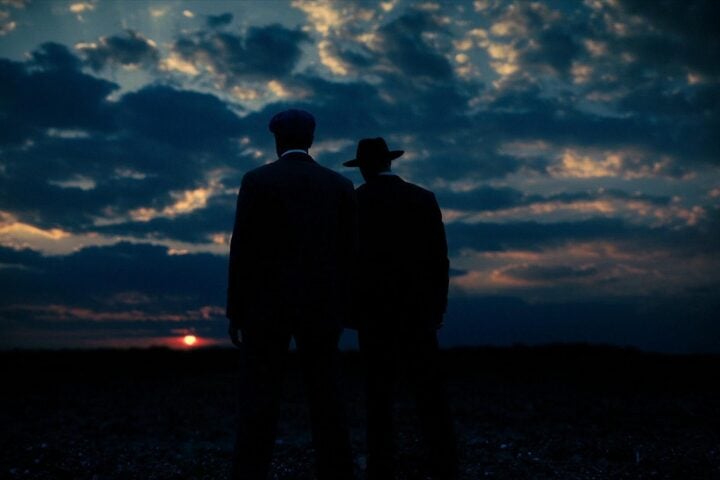
When contemplating the best home video releases of 2022, it was difficult not to look back at the best efforts of boutique labels like Indicator, Kino, Arrow, Criterion, and Severin and grunt, “How dare you.” Don’t they know that now is precisely the time to do everything possible to get butts back into theaters? How can we, the curatorial cinephile audience, be expected to break habits cemented in the last few years if they keep throwing crucial 4K upgrades, canon-busting archival finds, and career-spanning retrospectives in a box?
But seriously, it’s not their fault any more than it is the audience’s for being hoodwinked into accepting whatever the streaming services deem to be “in the conversation.” (Well, maybe the blame isn’t quite equal in balance, but we’ll let that slide.) Whether or not the result of a thirsty audience being forced to focus on what’s available to them at the touch of a button, you might say that home video is reaching a new renaissance. Certainly the fact that we struggled to whittle down our list to just 20 selections pays testament to the notion that the Criterion Collection, despite another banner year, certainly isn’t the only game in town anymore.
And with the advent of 4K, an overwhelmingly region-free format, we might find ourselves struggling to maintain our focus on Region 1 releases moving forward. With that, we present this year’s must-get releases, with the caveat that you should buy a ticket at your local rep house for each title you buy, lest we run out of titles to laud here in the future. Eric Henderson
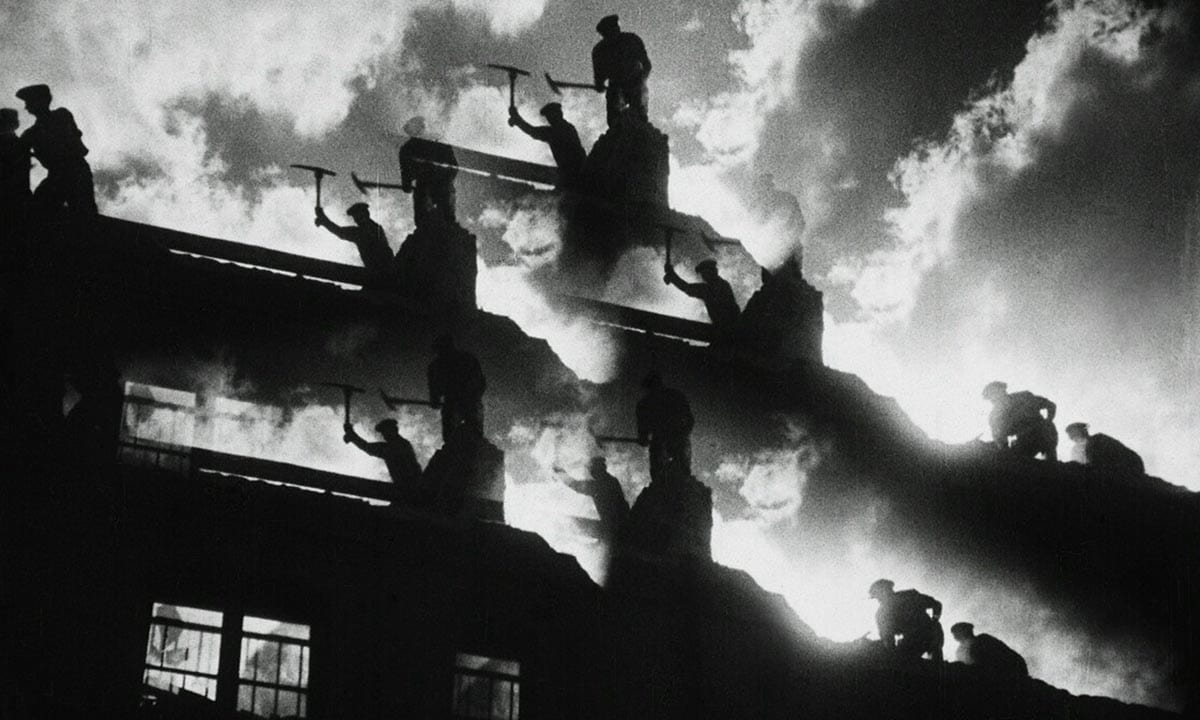
Cinema of Discovery: Julien Duvivier in the 1920s (Flicker Alley)
Featuring nine brand new, sparkling transfers, Cinema of Discovery will go a long way toward restoring Julien Duvivier’s reputation as one of the early masters of French cinema. Restored between 2018 and 2021 by Lobster Films in Paris, the films all look stunning, with a sharpness and depth of field that maximizes the emotional resonance of every close-up and the details in the backgrounds of the various locations where the films were shot. Video appreciations by film critic Hubert Niogret and film historian and author Patrick Brion provide a nice overview of each work. The restoration demonstrations by Chrystel Bonne and Colin Ruffin of Lobster Films are also uniformly fascinating, as the film technicians get into not only the technical aspects of their labor-intensive work, but also how and where various prints were discovered. Derek Smith
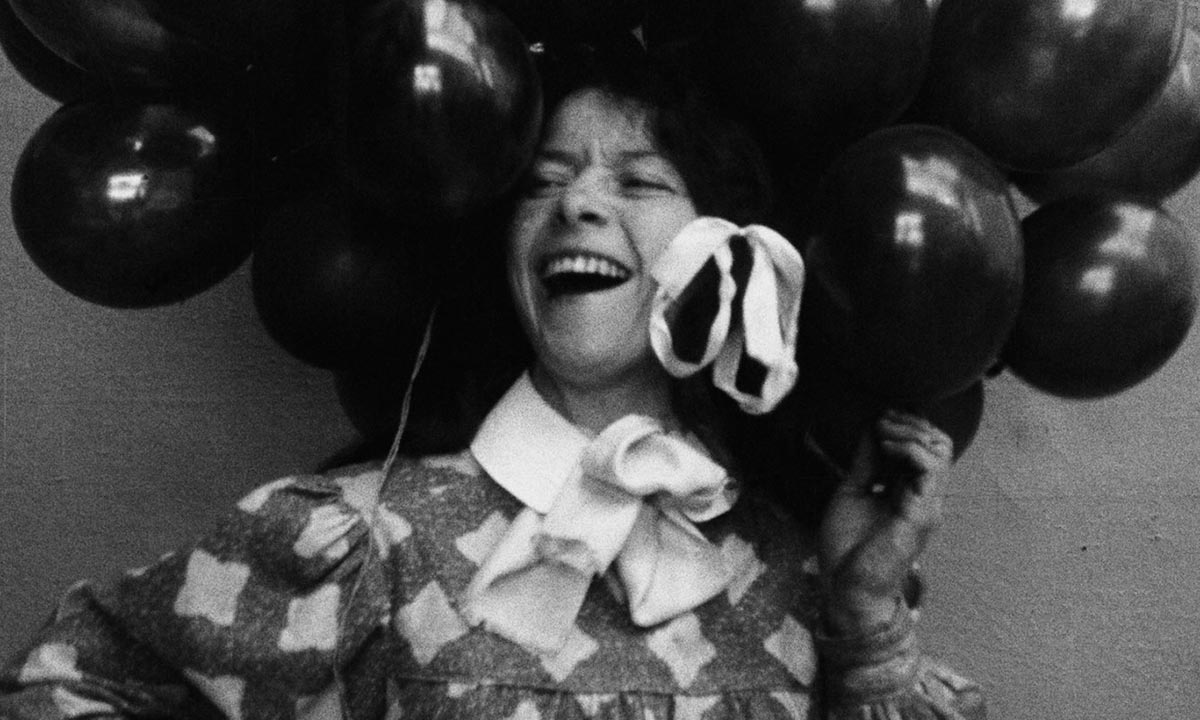
Cinema’s First Nasty Women (Kino Lorber)
Where Kino’s essential First Women Filmmakers box set shined a light on the works of long-overlooked female directors, Cinema’s First Nasty Women pays tribute to the many forgotten women who worked in front of the camera. Featuring nearly 100 silent films from all around the world, this set shows defiant female actors whose raucous, adventurous, and often hilarious performances flew in the face of convention, challenging the notions of on-screen femininity defined by the era’s stars like Mary Pickford and Lilian Gish. This incredibly diverse collection finds not only women behaving badly, but directly confronting the limitations placed on their gender in everything from gender-swap comedies to female-led spy and action films. Kino’s lovingly curated set even includes numerous shorts starring Black and indigenous women, depicting a panoply of perspectives and experiences that have been underrepresented in the silent works made widely available to the public. Smith

The Count Yorga Collection (Arrow Video)
At the dawn of the 1970s, American International Pictures unleashed a matched pair of modern-day vampire films helmed by Bob Kelljan that were intended to fashion Robert Quarry into the next Vincent Price. That never quite happened, but the films are fascinating documents of their era: bloody, downbeat, and occasionally terrifying. The first, Count Yorga, Vampire, features several unforgettable set pieces, including the ghastly vision of one of Yorga’s victims feeding on a tiny kitten, while The Return of Count Yorga boasts a truly disturbing home invasion sequence that clearly plays on contemporary fears of the Manson Family. Aside from the films, all of which received new 2K restorations, the attractively designed slipcase contains a lavishly illustrated bound book, two double-sided foldout posters with original and new artwork, and 12 double-sided art cards. Extras for the films are admirably robust, with two commentary tracks (one new, one archival) per film, as well as a number of interviews and visual essays, all of which provide plenty of insight into the Count Yorga phenomenon. Budd Wilkins
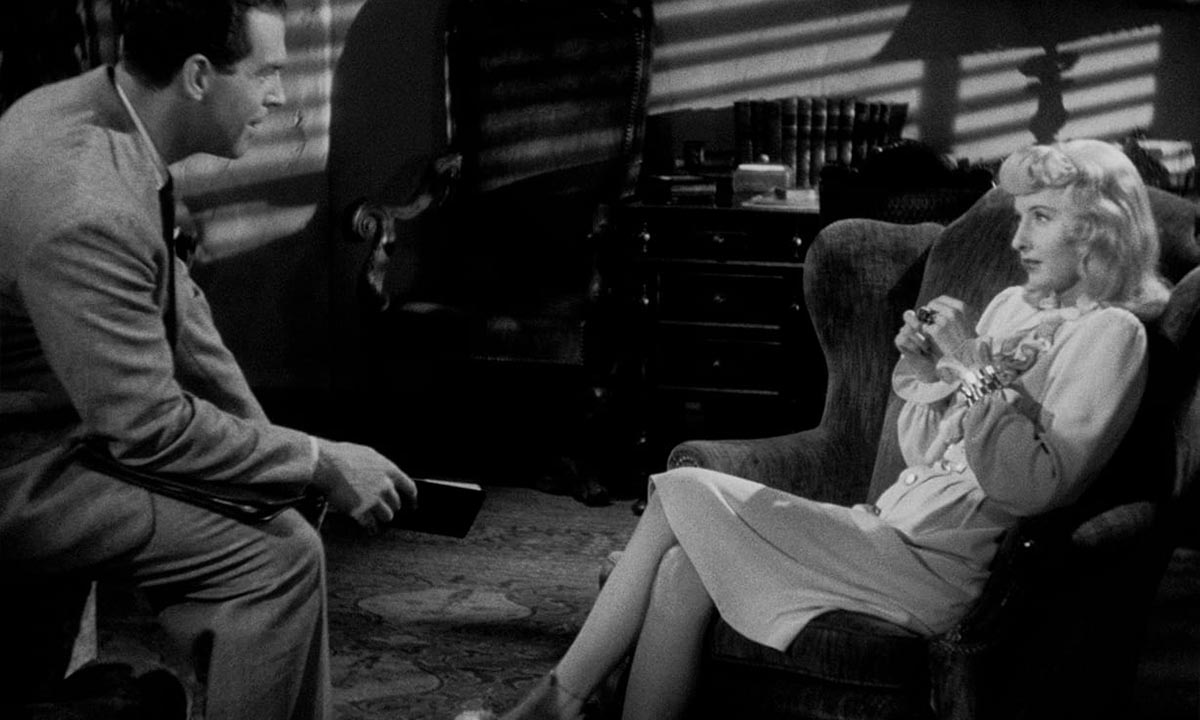
Double Indemnity (Criterion)
With this stunning 4K UHD release, Criterion ushers one of Billy Wilder’s finest, darkest, and most influential films fully into the 21st century. In a new feature produced this year, critics and noir experts Eddie Muller and Imogen Sara Smith discuss Double Indemnity’s various themes as well as its potential status as the first true American noir. In another new feature produced for Criterion, film scholar Noah Isenberg discusses Wilder’s formative journalistic experience in Europe and the rise of his film career in America. Both supplements are sharp and astute, offering an abundance of context within trim running times. Also of note is critic Richard Schickel’s affectionate, informative 2006 audio commentary. There’s also Volker Schlöndorff and Gisela Grischow’s three-hour television documentary from 1992, Billy Wilder: How Did You Do It?, which covers Wilder’s life and work in epic detail. Chuck Bowen
Dressed to Kill (Kino Lorber)
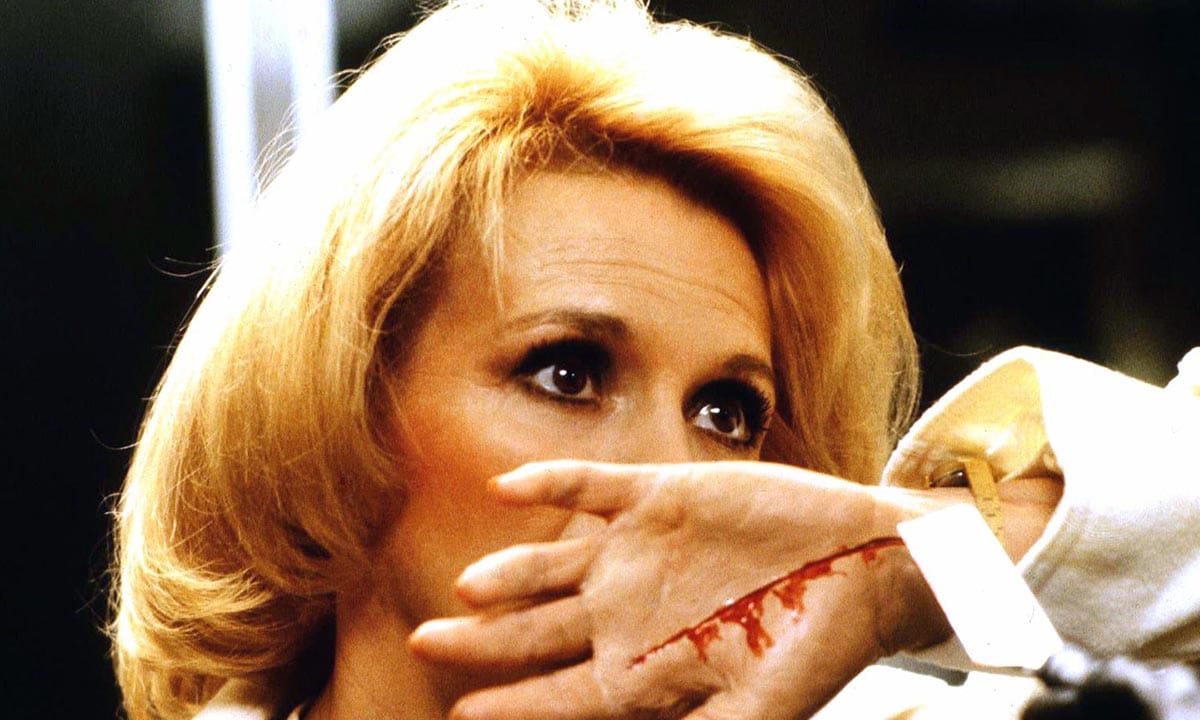
This 4K UHD release is the best home video release to date of Brian De Palma’s exquisitely directed and gloriously trashy Dressed to Kill. Kino’s veritable feast of extras includes an astute audio commentary by critic and author Maitland McDonagh and the 45-minute documentary “The Making of Dressed to Kill,” which, among other things, gets into the genesis of the film and how The Phil Donahue interview of a transgender woman, Nancy Hunt, inspired De Palma to reshape his unmade screenplay of Cruising into Dressed to Kill. Among the glut of interviews included as extras are three new ones with Nancy Allen, Keith Gordon, and associate producer Fred C. Caruso. Also included are audio-only interviews with Angie Dickinson and Michael Caine, the latter of whom gives great insight into the differences between working on a typical film and one where the visual grammar requires an intense precision of movement. Smith
The Godfather Trilogy (Paramount Home Entertainment)
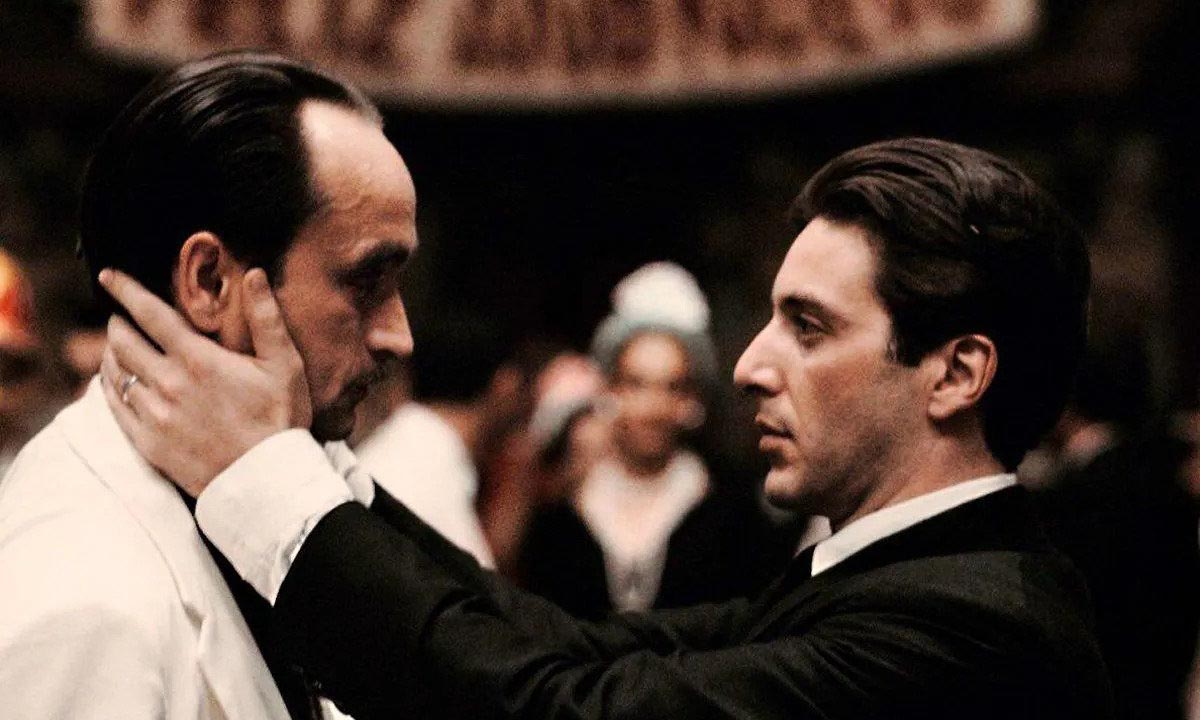
Recent and radical advancements in film restoration technology have proved to be as controversial as they are celebrated for the latitude offered to restorers to update the look of films. Purists, though, can breathe easy regarding this release, as the painstaking, frame-by-frame restoration of the Godfather trilogy, supervised by Francis Ford Coppola, achieves incredible results in terms of accuracy and stability without lapsing into revisionism. These restorations are textural wonders. As a bonus—and thus further stressing Coppola’s preference for the new Coda version of The Godfather: Part III—the original and 1991 cuts of the third film are included on a separate 4K disc, and to Coppola’s credit, he commissioned restorations of these versions as well. A handful of new extras have been assembled for this release, including behind-the-scenes footage of the first film and remembrances by set photographer Steve Shapiro, but most exciting are the extended looks at the arduous restoration process. Jake Cole
The Incredibly Strange Films of Ray Dennis Steckler (Severin)
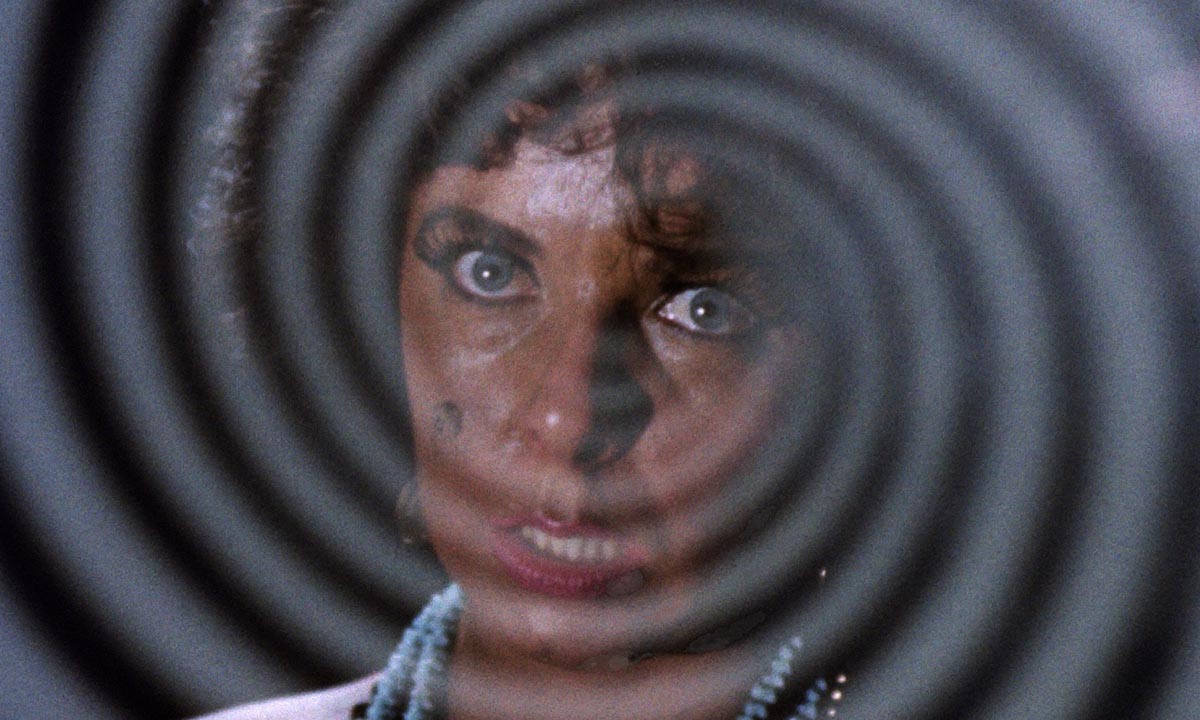
Severin Films shines a spotlight on Ray Dennis Steckler with this 20-film box set that spans the filmmaker’s entire career from 1962’s Wild Guitar to 2008’s One More Time, an oddball sequel to arguably his most famous film that was made just prior to his death in 2009. Steckler’s wonderfully idiosyncratic films prove that he’s attuned to an often vibrantly colored dream life, like the mesmerizing hypno-swirl in Incredibly Strange Creatures, or the writhing painted nudes in hell of Sinthia, the Devil’s Doll. At the same time—and grounding the realism from which his surrealism springs—Steckler pays close attention to the here and now: “stolen” moments in time (often street scenes shot without permits) that turn up throughout his work. Factor in the abundance of bonus materials that Severin include in this stunningly appointed package—short films, alternate cuts, footage from unfinished projects, copious interviews and commentary tracks, a 100-page book, not to mention the gorgeous restorations of the films themselves—and you’ve got one of the most essential home video releases of the year. Wilkins
Martin Scorsese’s World Cinema Project No. 4 (Criterion)
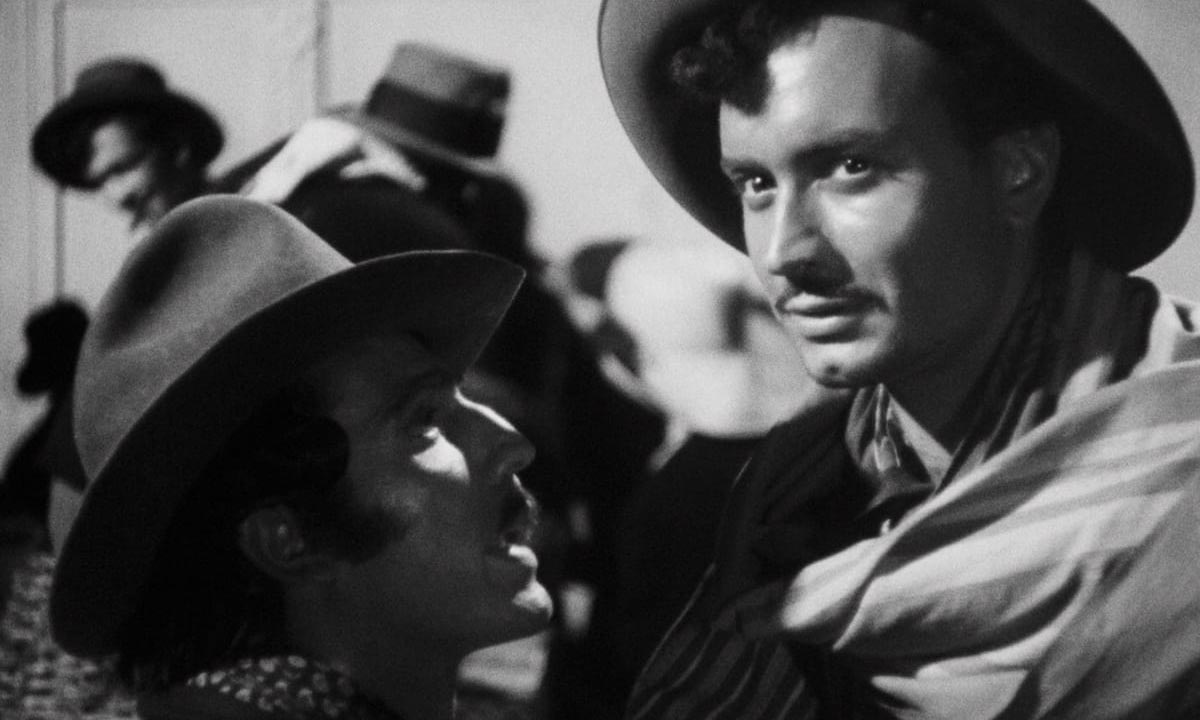
The fourth volume in Criterion’s World Cinema Project series overflows with films of resistance, providing an organizing principle to an assortment of six works from various decades and continents. World Cinema Project founder Martin Scorsese offers a brief introduction to all the films in the set, summarizing their narratives as well as describing their aesthetics and place within their respective national cinema. Many of the films also come with newly recorded interviews with their makers or film historians. The most substantive of these, for Chess of the Wind, takes the form of an hour-long documentary made by director Mohammed Reza Aslani’s daughter, Gita Aslani Shahrestani, who pulled together interviews with cast and crew to discuss the film and Aslani’s ambitious artistry, while also charting how the post-revolutionary government suppressed her father for decades. An accompanying booklet contains essays on each film, from critics and scholars Yasmina Price, Matthew Karush, Ehsan Khoshbakht, Aboubakar Sanogo, Chris Fujiwara, and Shai Heredia. Cole
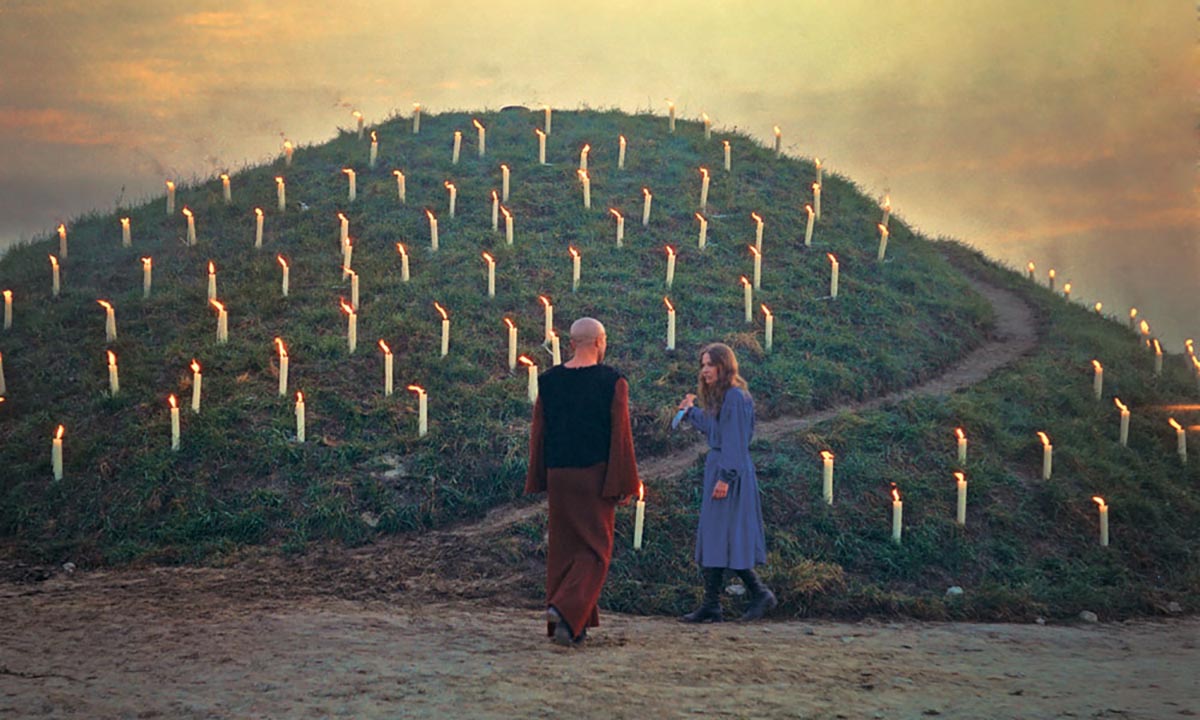
The Miklós Jancsó Collection (Kino Lorber)
We don’t usually yield to promotional artwork to do the talking, but Béla Tarr’s observation that Miklós Jancsó is “the greatest Hungarian film director of all time” is pretty hard to top in terms of justifying Kino’s Miklós Jancsó Collection as a veritable landmark. Those who couldn’t wait may have pulled the trigger on the dual-title release of The Round-Up and The Red and the White, which was released a month prior. No doubt those two titles are the crown jewels in Jancsó’s filmography. But those who did control their impulses and opted for the full six-title set, culled from a retrospective of new 4K restorations, were rewarded with the full scope of Jancsó’s vision, sweeping depictions of the horrors of authoritarianism that are credibly primeval at the same time as they anticipate myriad developments in modern art cinema—specifically Winter Wind and Electra, My Love, which in their complex unedited long takes seem to construct the entirety of Paul Schrader’s arthouse yurt. Henderson
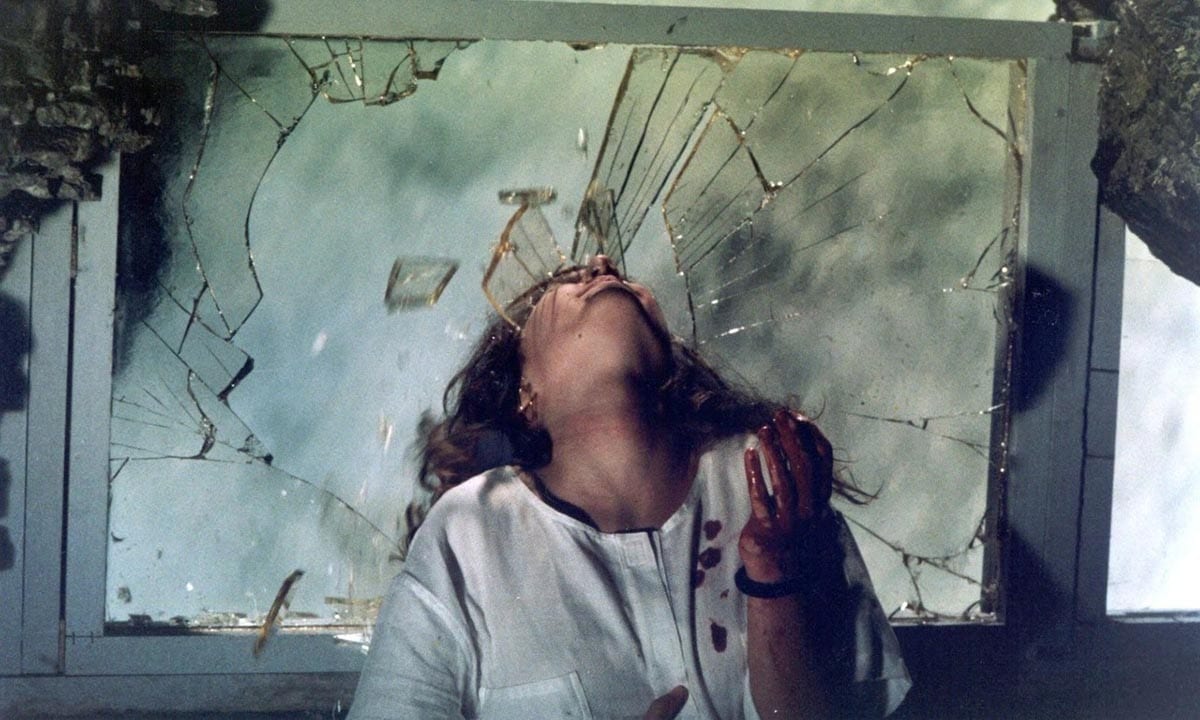
Phenomena and Tenebrae (Synapse)
The work that Synapse and Arrow have been putting into Dario Argento’s lesser-known triumphs reached its apex in 2022. Drawing on the same well of enthusiasm that went into Arrow’s sets for The Bird with the Crystal Plumage and Deep Red, Synpase—in conjunction with Arrow—went full speed ahead on two of Argento’s strangest and most alluring efforts. Phenomena, featuring Jennifer Connelly as a sibyl of insects tasked with unraveling a series of young girls’ murders, is a hallucinatory buffet of proto-meme moments held together by the mere fact that it’s all really fucking cool. And Tenebrae may be the greatest and least forgiving self-reflective critical gesture that a purveyor of mayhem has ever proffered. Both films are presented in varied “official” cuts, multiple soundtracks, with a panoply of commentary tracks, and feature-length documentaries highlighting the history of Argento’s work, as well as the influence of the giallo on the slasher genre. All that and the films have never looked better. It’s enough to justify the extra space these spines will take up on your shelf. Henderson
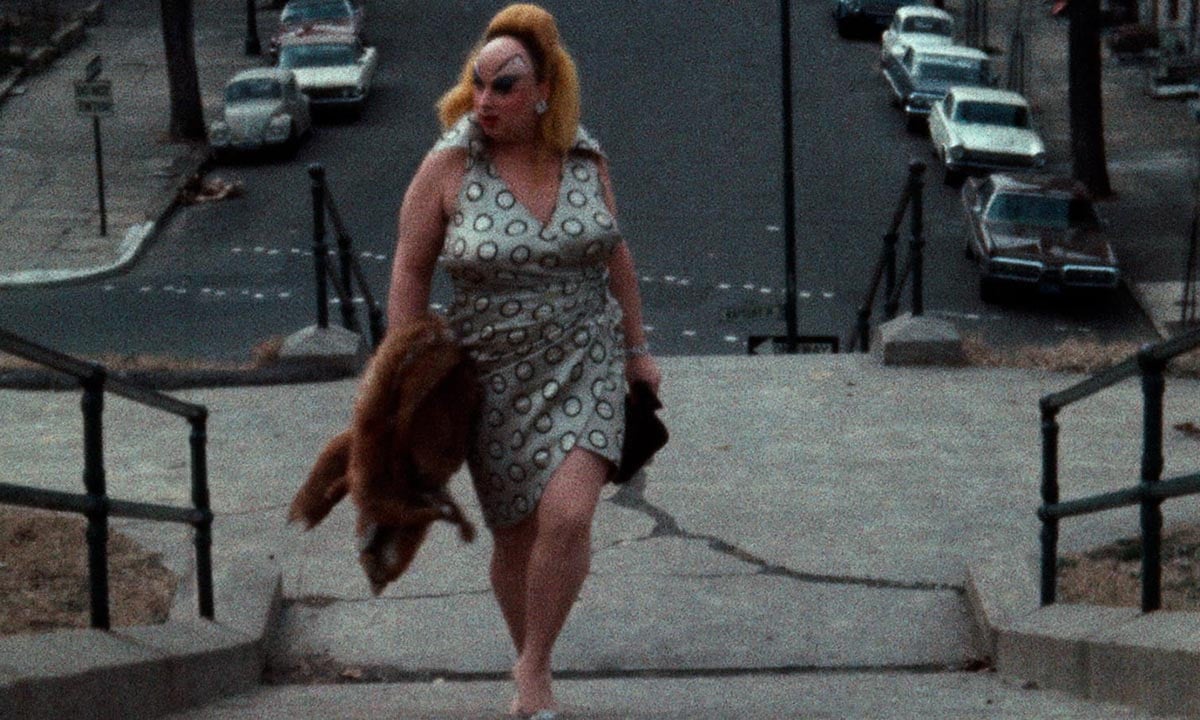
Pink Flamingos (Criterion)
Criterion reaffirms their commitment to the Pope of Trash’s oeuvre with a definitive release of his seminal sensation. There’s not one but two commentary tracks with John Waters, who’s undoubtedly up their with the best speaking extemporaneously on his or anyone else’s films. Sweeting the pot is Steve Yeager’s 1998 documentary Divine Trash, an invaluable guided tour through the early years of Waters’s Dreamlanders, with vital interviews from key players including Mink Stole. On the opposite end of the spectrum is a conversation between current-day elder imp Waters and struggling stoic Jim Jarmusch. Even better is a featurette in which Waters shows up to the locations of both the land where the Babs Johnson trailer was once parked and the house where the Marbles conducted their shady business. Rounding out the package are deleted scenes, the very grindhouse-friendly theatrical trailer, a booklet featuring Cookie Mueller’s memories of the making of the film, a sensational analysis from critic Howard Hampton, and an amusingly petite “Pink Phlegm-ingo Bar Bag.” Henderson
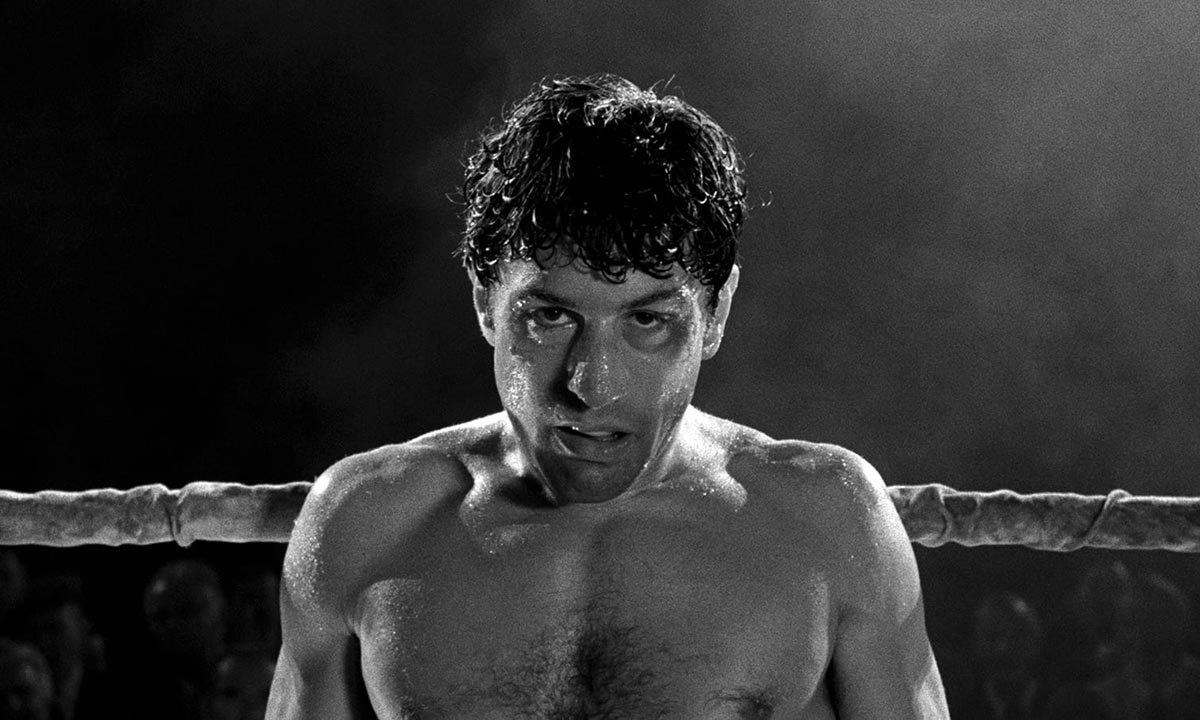
Raging Bull (Criterion)
Criterion has outfitted Martin Scorsese’s Raging Bull with the monumental home-video package that it deserves, complementing a flawless transfer with head-spinning supplements. We hear of Robert De Niro’s long-gestating interest in Jake LaMotta throughout the 1970s and his determination to convince an uncertain and drug-ravaged Scorsese to direct it. The permutations of the script as it was written by Mardik Martin, rewritten by Paul Schrader, and rewritten again by Scorsese and De Niro are discussed at length, as are the struggles to get a brutal and unconventional movie produced with a large degree of freedom as the age of New Hollywood was nearing its end. These stories remain compelling, and they’re told especially well in the archive audio commentary by Scorsese and longtime editor Thelma Schoonmaker, and by film critic Glenn Kenny in a new essay included in the disc’s booklet. Elsewhere, two new video essays newly produced by Criterion are immaculate pieces of film criticism. A beautiful essay by poet Robin Robertson, also featured in the booklet, rounds out a superb package. Bowen
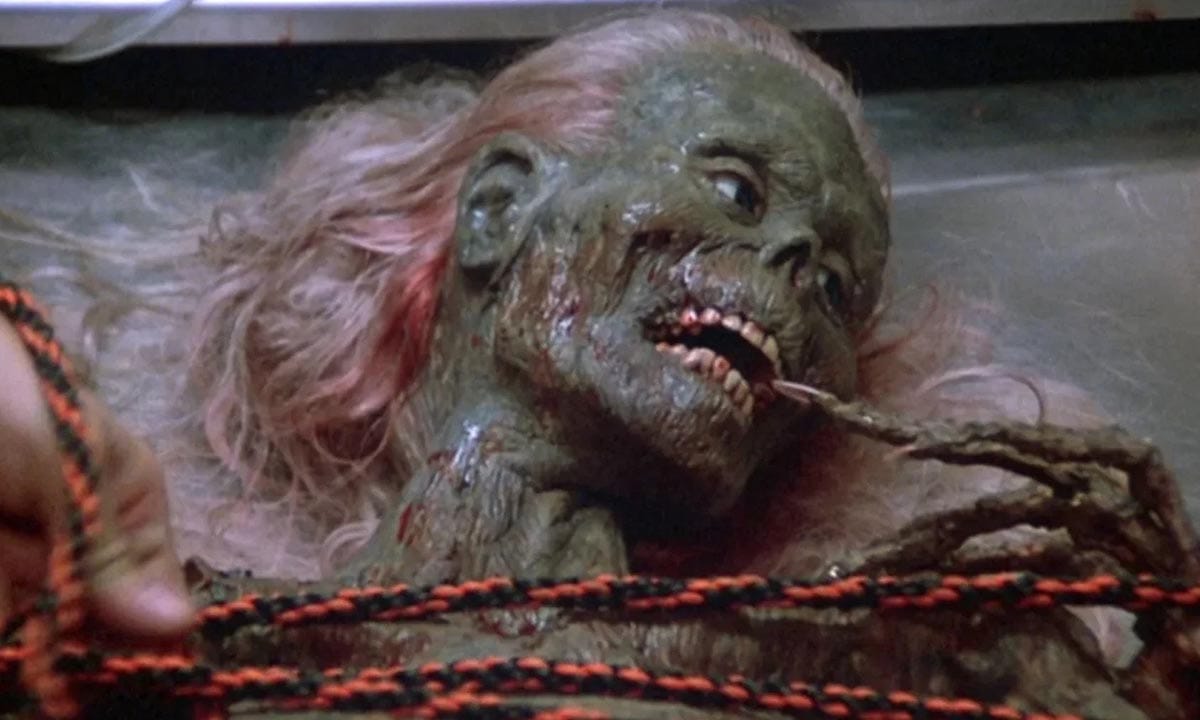
The Return of the Living Dead (Shout! Factory)
It doesn’t take a lot of brains to recognize that this is easily the definitive home video release of Dan O’Bannon’s The Return of the Living Dead. This 4K UHD release is beyond stacked, starting with four audio commentary tracks. A separate Blu-ray contains the remaining extras, including a two-hour documentary, More Brains: A Return to the Living Dead, that explores the history of the film. Most interesting is the discussion of just how brutal the shoot was and how O’Bannon was signed on to direct after Tobe Hooper dropped out. In a separate interview, O’Bannon opens up about his inexperience on set and how The Return of the Living Dead taught him a thing or two about delegating tasks. Along with these, there are also individual featurettes on the film’s music, effects, set design, locations, its various influences, as well as another that focuses on the two-week rehearsal period and the challenges of mixing several veteran actors with a batch of relatively young newcomers. Smith
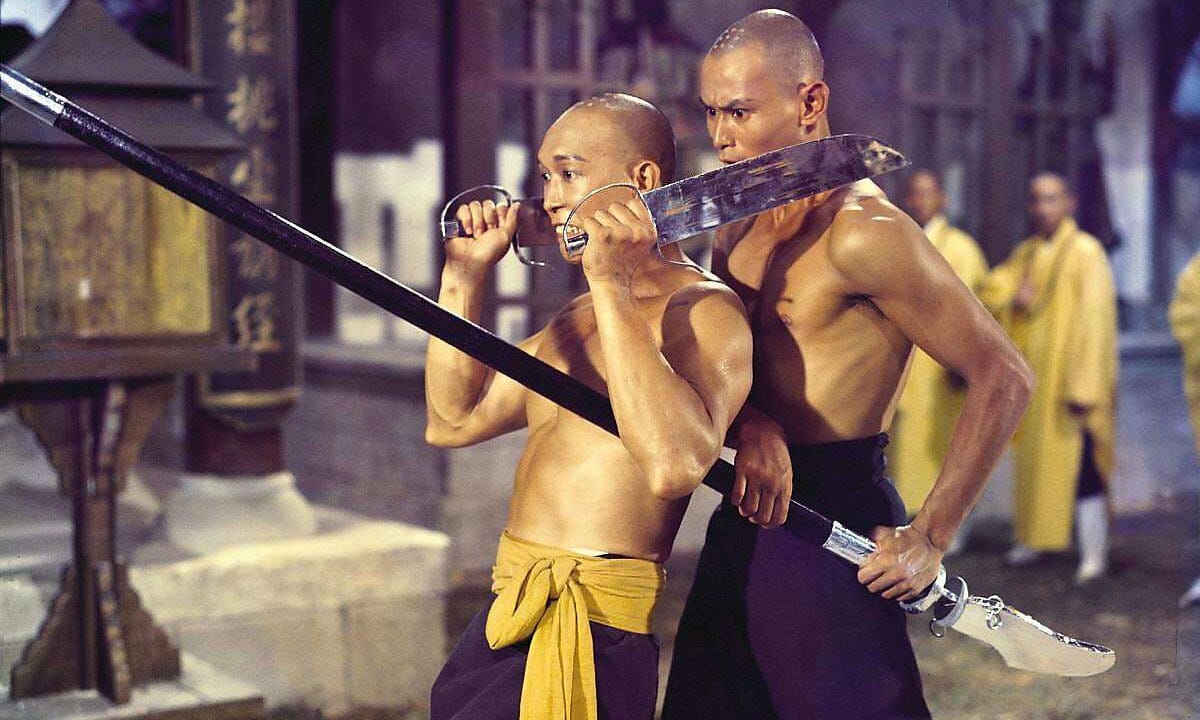
Shawscope Volume Two (Arrow Video)
So much of the West’s understanding of the history of Hong Kong genre cinema has been determined by poor-quality film prints and bootleg videos that don’t exactly give an accurate impression of the aesthetic glories of many a martial arts classic. Arrow Video has been at the forefront of efforts to amend this issue in recent years, and their follow-up set to last year’s revelatory Shawscope Volume One offers an even better selection of gloriously restored Shaw Brothers productions. The films in the second volume provide a broader overview of the studio’s history, starting with Lau Kar-leung’s beloved The 36th Chamber of Shaolin and its essential sequels. That alone justifies a purchase, but dig deeper into the set and you’ll stumble upon other treasures, from several installments of Chang Cheh’s series of films starring the Venom Mob to Kuei Chih-Hung’s action-horror whatsit The Boxer’s Omen. The box also includes some of the studio’s final notable works, including the early Jet Li star vehicle Martial Arts of Shaolin and 1993’s The Bare-Footed Kid, an affectionate tribute to Shaw’s legacy and the finest film that Johnnie To made before starting his own production company. Jake Cole
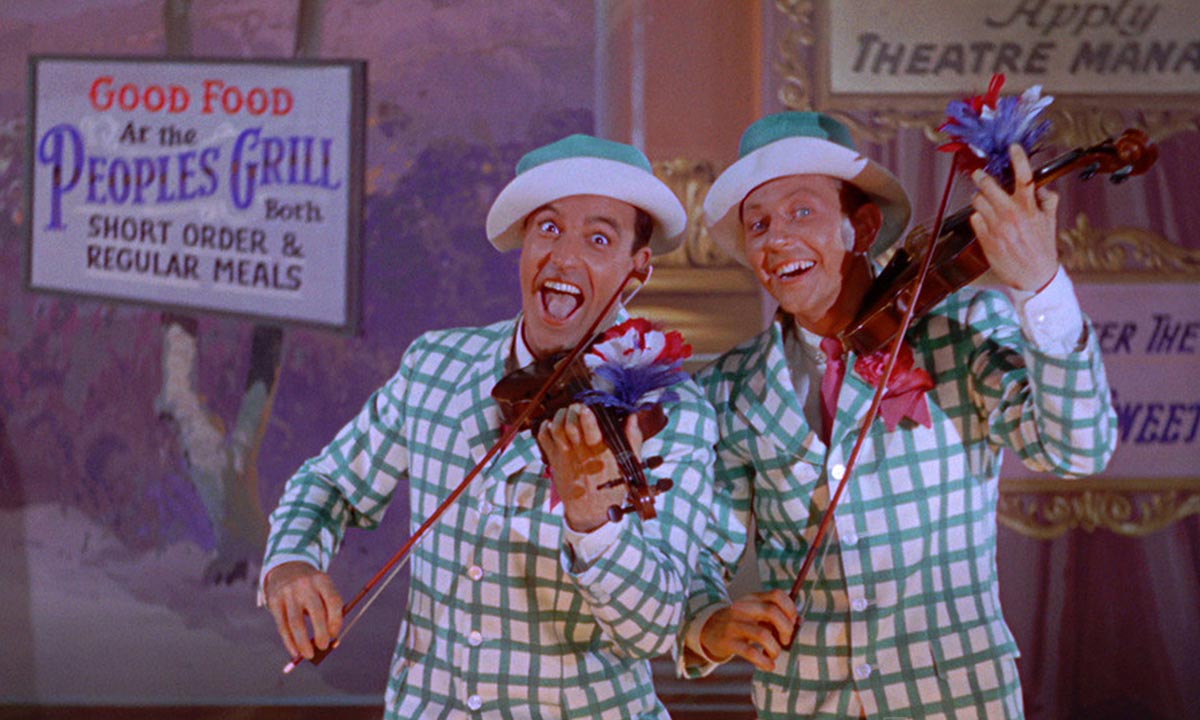
Singin’ in the Rain (Warner Bros.)
Warner’s 4K UHD release of Singin’ in the Rain is a significant upgrade over the studio’s superlative 2012 Blu-ray. The exaggerated lighting of the film’s backstage world sparkles like never before, glinting off of foreheads and teeth with dazzling intensity, while the rich greens, pinks, and reds practically jump off the screen thanks to the HDR boost. The disc comes with the Blu-ray’s lossless mixes in 5.1 surround and the original mono, both of which sound crystal clear, masterfully balancing the boisterous soundtrack against the dialogue and exaggerated Foley effects. Warner ports over some, though not all, of the extras from its 2012 Collector’s Edition Blu-ray. Chief among the inclusions is the audio commentary, which is a deep dive into the origins of Singin’ in the Rain, its production, and its release and profound impact on the movies. Donald O’Connor, Debbie Reynolds, and Stanley Donen are among the participants, as is Baz Luhrmann, who speaks largely about the film’s influence on his work and other modern musicals. The two featurettes on the making of the film and the impact of the film on singers, actors, and choreographers of all stripes are consistently engaging. Cole
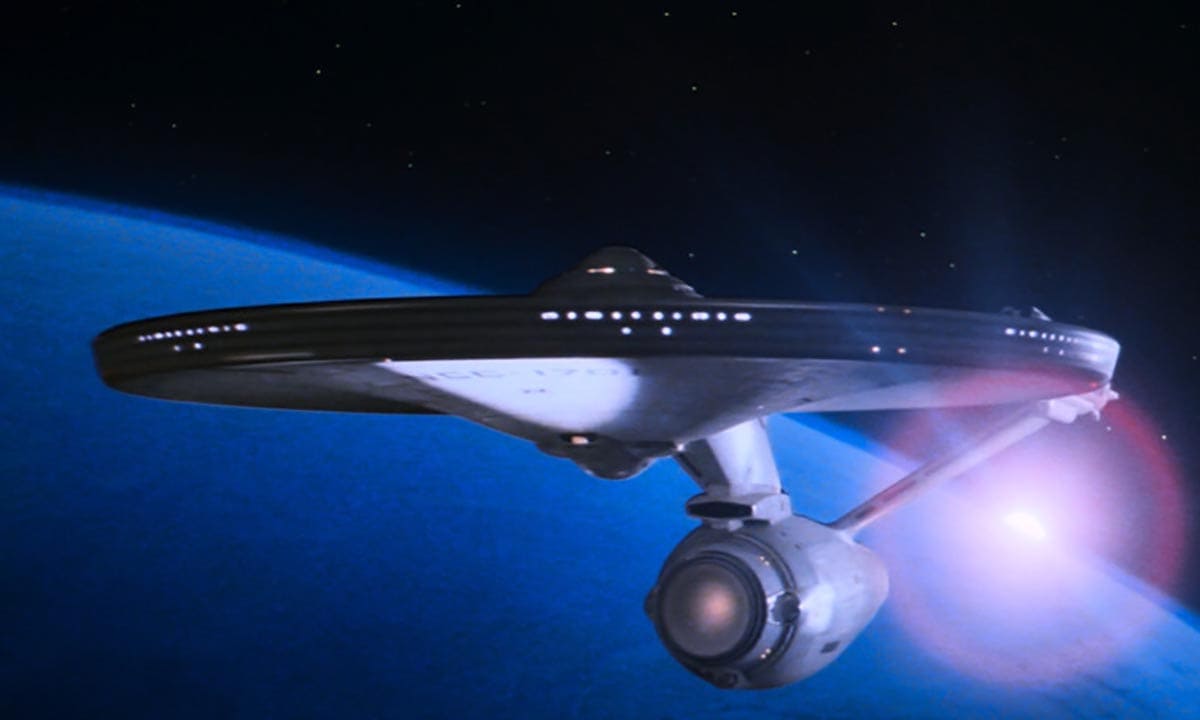
Star Trek: The Original Motion Picture Collection (Paramount)
Paramount has repeatedly reissued these movies on video, and over the years the distributor has slowly accumulated a formidable amount of extras, all of which are presented on Star Trek: The Original Motion Picture Collection on top of some new extras. Each film comes with multiple commentary tracks from cast and crew, as well as ones with later Star Trek-related figures like Ronald D. Moore and the rebooted franchise overseers Roberto Orci and Alex Kurtzman. These tracks can be chummy, informative, nostalgic, and often all three at once. All of the films also have extensive making-of featurettes that cover every aspect of production, but each disc also comes with additional documentaries on the minutiae of Star Trek. There are videos on the creation of the Klingon language, the lucrative realm of merchandise and prop collection among fans, even the surprisingly rich shared history between William Shatner and fellow Canadian Christopher Plummer. Most of these documentaries are brief, but the sheer glut of them adds up to enough bonus material to keep a hardcore fan surfing for days. Cole
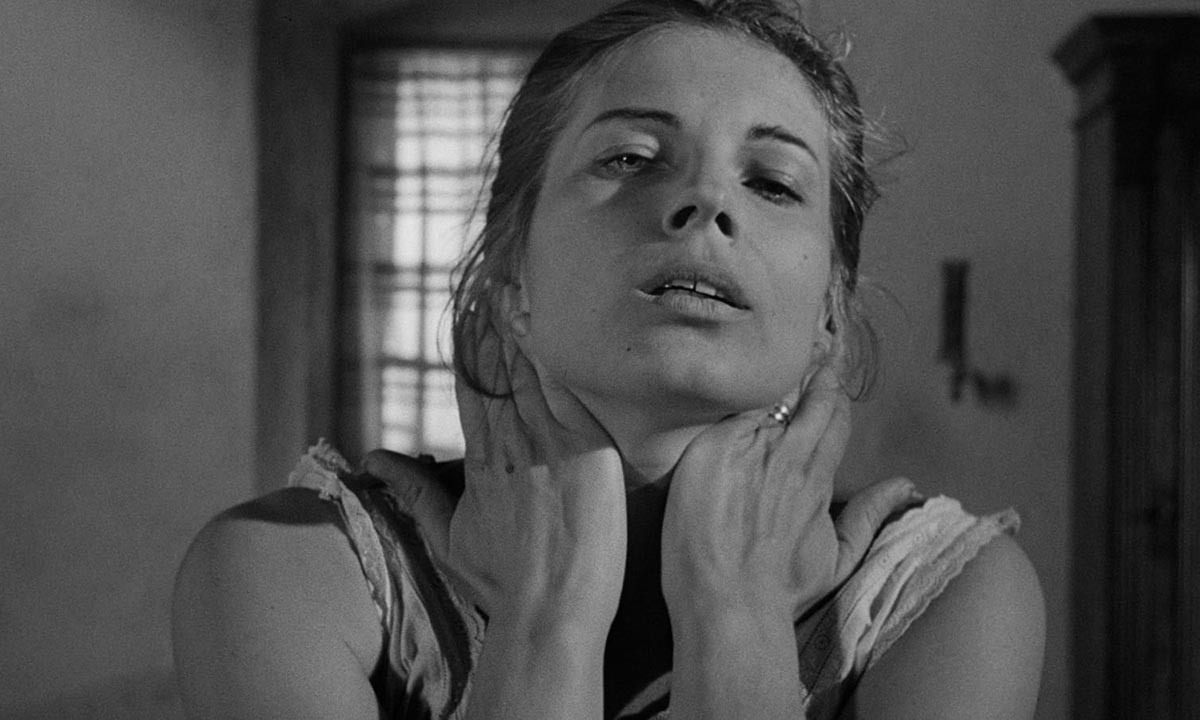
Three Films by Mai Zetterling (Criterion)
The films of Mai Zetterling tend to focus their incisive gaze on the fluctuating nuances of gender relations, feminine sexuality, women’s place in society, and significant rites of passage like getting married or giving birth. Keeping in step with the tumultuous late 1960s, the films’ political dimension, which also embraces the material basis of class conflict, becomes increasingly polemical. Criterion offers these films—with their lustrous monochrome cinematography by Sven Nykvist and Rune Ericson—in gorgeous 2K digital restorations. The distributor has also assembled an excellent roster of bonus materials. An interview with TCM host and author Alicia Malone covers the broad strokes of Zetterling’s life and career, while Zetterling appears in both a 1984 interview and a documentary from 1989 to provide her own idiosyncratic take on her work as an actress and filmmaker. The 1996 documentary Lines from the Heart reunites the three leads from The Girls to reminiscence about Zetterling, their approach to their craft, as well as more existential notions. Wilkins
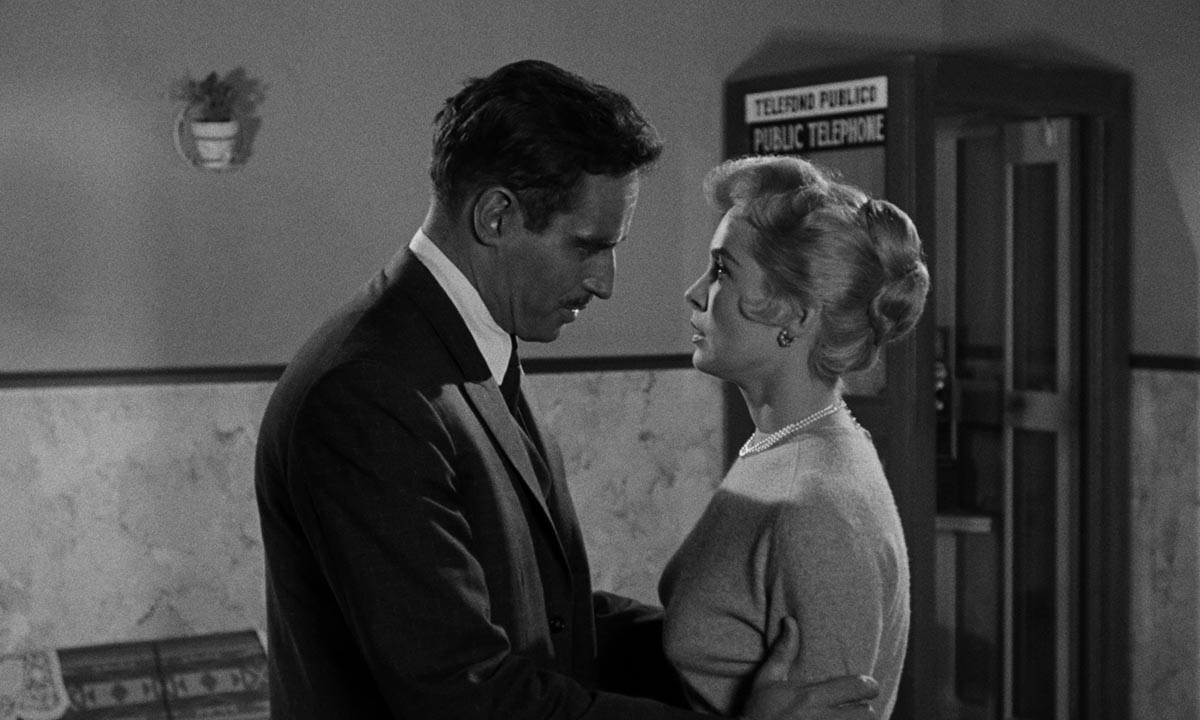
Touch of Evil (Kino Lorber)
Each of Touch of Evil’s three cuts gets its own disc, thereby really maximizing those bitrates. Russell Metty’s cinematography comes across stunningly, especially the plethora of night-for-night scenes. On the extras front, the main draw is the whopping five commentary tracks spread across the various cuts: three archival tracks that were available on the earlier Blu-ray release—from critic F. X. Feeney, Orson Welles scholars Jonathan Rosenbaum and James Naremore, and Charlton Heston and Janet Leigh (moderated by reconstruction producer Rick Schmidlin)—and two that are brand new to this edition from critics Tim Lucas and Imogen Sara Smith. What’s truly impressive is that, with the exception of covering the hard facts of production history, there’s relatively little overlap here. Each track emphasizes different aspects of the film, or provides a suitably idiosyncratic reading of its themes and visual motifs, enough to make them all more than worthwhile. In addition, two archival featurettes delve into the film’s production and legacy with some interesting updates on the shooting locations. Wilkins
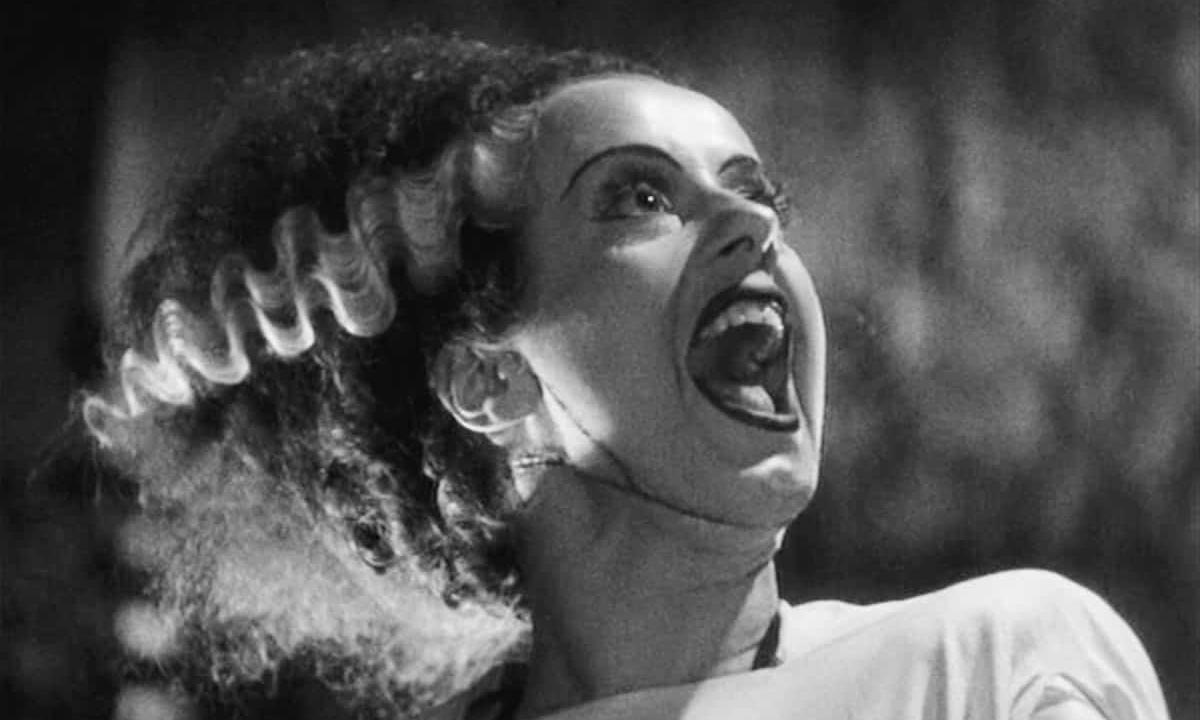
Universal Classic Monsters: Icons of Horror Collection (Universal)
Volume two of Universal Classic Monsters: Icons of Horror Collection is a stacked and thoughtfully curated release. The new 4K transfers of The Bride of Frankenstein, The Mummy, Creature from the Black Lagoon, and Phantom of the Opera bring out visual and aural details in the films that have never been seen on home video before. Each film is also accorded its own engaging, meticulously researched audio commentary (The Mummy even gets two), as well as a series of extras focusing on, among other things, demonstrations on the restorations, the history of Universal’s classic horror films and Carl Laemmle’s work at the studio, the iconic makeup work of artist Jack Pierce, and the creation of the Bride of Frankenstein character. Housed in a hardy and handsome black-and-chrome box, this set is the perfect opportunity to reacquaint yourself with some of Universal’s most indelible creations. Smith

The War Trilogy: Three Films by Andrzej Wajda (Second Run)
Second Run’s fantastic release of Andrzej Wajda’s “War Trilogy” features three new 2K restorations, all of which highlight the stark beauty and visceral horrors of the Polish director’s greatest accomplishments. Each film comes with an enlightening 15-minute introduction by critic Michał Oleszczyk, who succinctly breaks down the historical contexts around both the trilogy’s World War II settings and their releases. Meanwhile, film historian Michael Brooke provides an audio commentary for each film, giving him ample time to work in expert aesthetic and thematic analysis and delve into Wajda’s work as a painter, life in Poland during the war, and the increasing ambiguity in each subsequent film in the trilogy. Rounded out with three of Wajda’s early short films, brief interviews with the director, and engrossing booklet essays by Ewa Mazierska, Tony Rayns, and Peter Hames, this box set is the perfect introduction to one of greatest and most important filmmakers to hail from Poland. Smith
Since 2001, we've brought you uncompromising, candid takes on the world of film, music, television, video games, theater, and more. Independently owned and operated publications like Slant have been hit hard in recent years, but we’re committed to keeping our content free and accessible—meaning no paywalls or fees.
If you like what we do, please consider subscribing to our Patreon or making a donation.