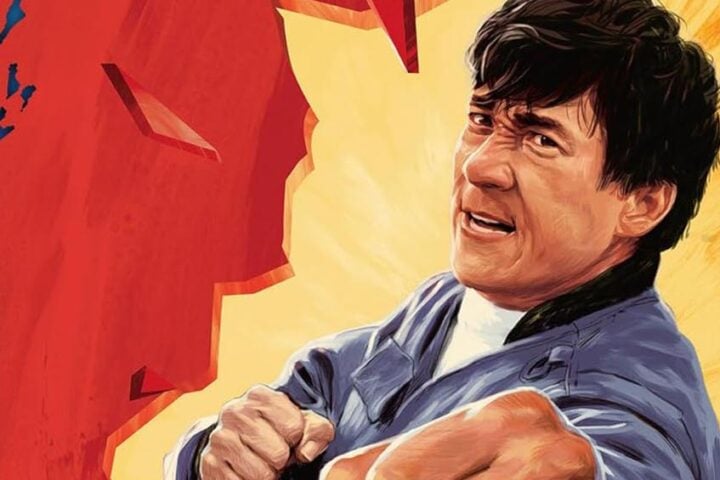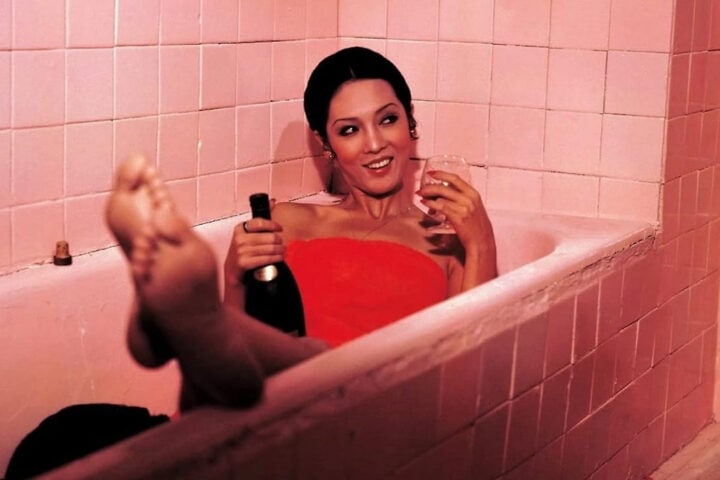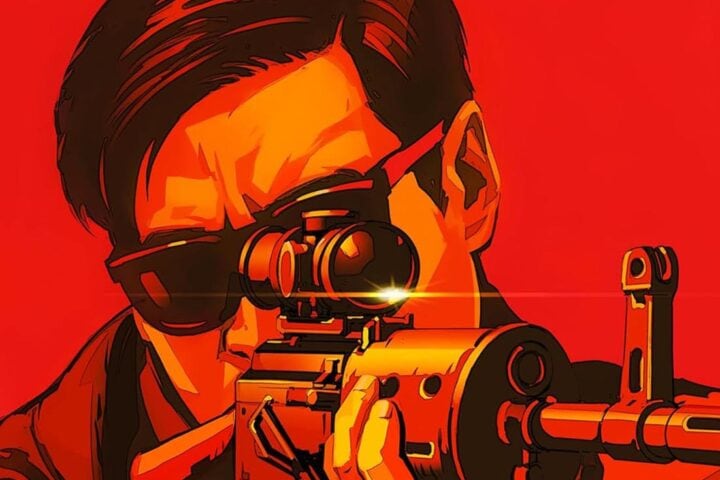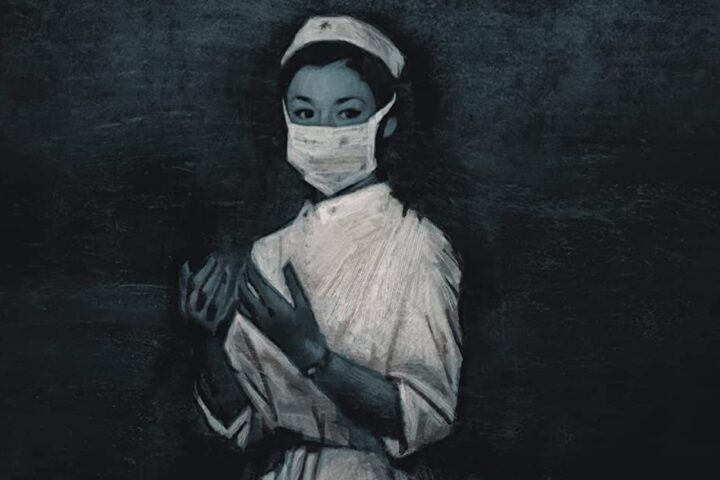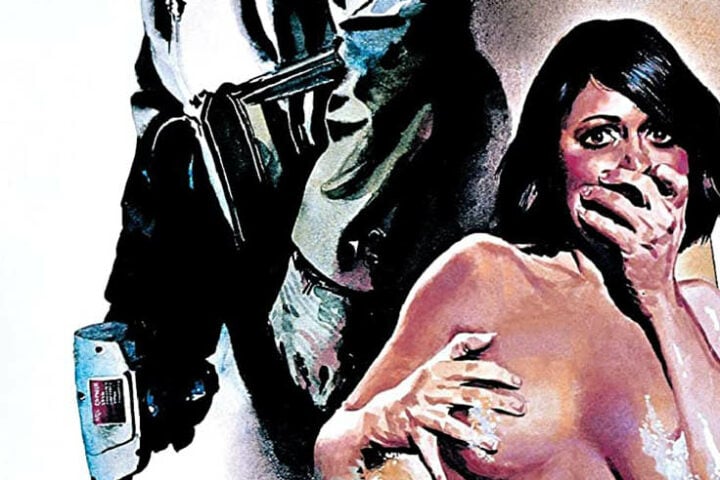
Going into the 1970s, the Shaw Brothers studio was the premier purveyor of martial arts films in Hong Kong. But then the phenomenal success of Bruce Lee’s The Big Boss in 1971 for rival studio Golden Harvest changed the face of the genre: Out the window went the penchant for excessive special effects and gravity-defying wire fu of earlier films, replaced with a more realistically grounded style of hand-to-hand combat.
Arrow’s Shawscope Volume One brings together a dozen of the studio’s most representative titles—and only one of them, Mighty Peking Man, isn’t even a kung fu film. King Boxer (a.k.a. Five Fingers of Death) sets the standard for the “rival schools” template used in most of the films in this set, wherein the discipline and righteousness of one school of kung fu inevitably beats out the unprincipled practitioners of another. The 1972 film stages its confrontations with panache, not to mention buckets of gore and a whole lot of gouged eyeballs.
Also from the same year, The Boxer from Shantung plays like an old Warner Bros. gangster film, tracing the rise to power and ineluctable fall from grace of a Shanghai manual laborer, Ma Yongzhen (Chen Kuan-tai). The film, co-directed by Chang Cheh and Pao Hsueh-li, boasts one of the most insanely over-the-top finales, with Ma taking on dozens of opponents, and literally bringing down the house around himself, all while having a hatchet lodged in his guts.
Five Shaolin Masters, from 1974, uses the historical burning of the Shaolin Temple by Qing Dynasty invaders as the kickoff for its slow-burn saga of revenge. Mostly it’s an excuse for lots of sweaty sparring sessions, though it does manage to come together for a rousing finale. Serving as a pseudo sequel to the film, 1976’s Shaolin Temple examines life in the temple prior to its burning, with an emphasis on the daily round of training and discipline. It’s a much more engaging production, with lots of wry humor, and some truly impressive kung fu set pieces.
A shameless rip-off of King Kong, 1977’s Mighty Peking Man features a barely clad Evelyne Kraft at its center, swinging around on vines like Tarzan and communicating with the animals (especially an overly friendly leopard) in impenetrable pidgin. But the real fun starts, of course, once the big ape arrives in Hong Kong. The film derives sadistic pleasure out of deriding its denizens’ callousness, not to mention the general cluelessness of Western tourists, before doubling down on the demolition of scale models of notable downtown landmarks.
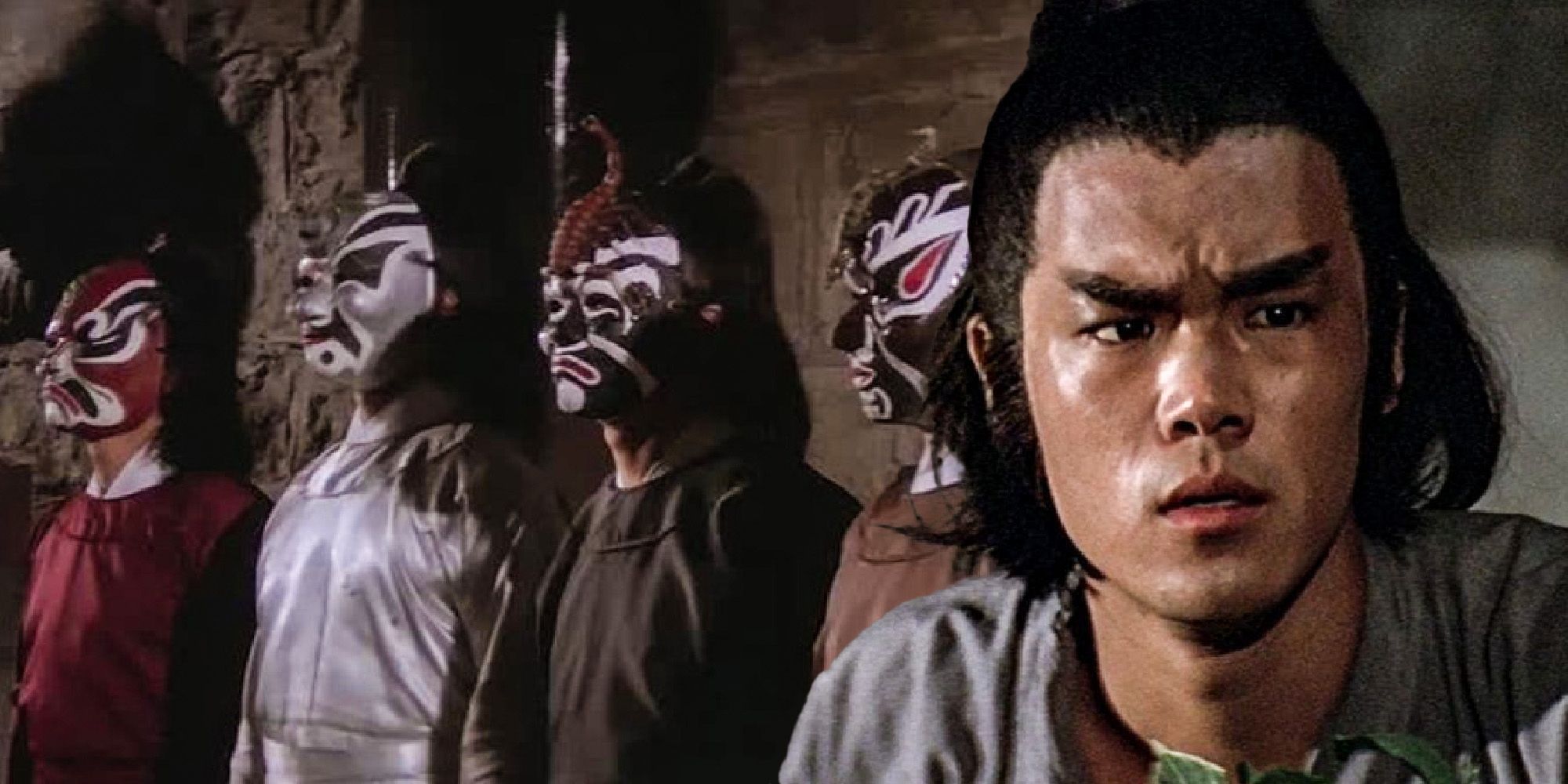
Challenge of the Masters focuses on the figure of young Wong Fei Hung (Gordon Liu), a historical traditional healer and kung fu master perhaps most familiar to Western audiences from Tsui Hark’s Once Upon a Time in China series. By focusing on his earlier years, the 1976 film plays up the issue of paternal neglect, as Wong’s father fails to teach him his own style of kung fu, leading him to seek out a new master. Its companion film from the subsequent year, Executioners from Shaolin, explores this theme with a very different emphasis, embedding it within a larger story of revenge after (yet again) the burning of the Shaolin temple. Here success can only come by integrating a traditionally male fighting style and a traditionally female one. It’s also the first time in the set that we’ve seen a really significant female character, let alone one who actually knows how to fight.
Chinatown Kid, from 1977, stands out for a variety of reasons. It’s a modern day saga, set largely in San Francisco’s Chinatown, and it features a lot more gunplay than the other films. Like The Boxer from Shantung, it enacts a rise-and-fall gangster narrative, though this time out it’s immigrants in a new world just doing what they must in order to get ahead; in essence, it’s Scarface without the mountain of cocaine. Here the tidily wrapped moral of “What profits a man if he gain the world but lose his soul?” is embodied in a flashy gold digital wristwatch.
The 1978 releases The Five Venoms and The Crippled Avengers explore the “band of brothers” dynamic within a group of dedicated kung fu practitioners. The relationship in the former is far more fractious, as the group splits over the hunt for a hidden treasure. The film is equal parts murder mystery and courtroom drama, with an attendant screed against judicial corruption, which lends the proceedings a very different flavor. The Crippled Avengers looks at how trauma and tragedy can pervert a man’s nature when the victim turns victimizer.
Like Executioners from Shaolin, 1978’s Heroes of the East focuses on a female character, who in this case happens to be the Japanese bride (Kurata Yasuaki) of Ho Tung (Gordon Liu) as well as a proponent of karate. Cultural misunderstandings lead to a series of confrontations between Ho and experts in a variety of Japanese martial arts. The atmosphere is competitive but mostly not derisive, as opposed to the depiction of Japanese thugs in an earlier film like King Boxer, except for a couple of potshots at ninjitsu techniques. Rounding out the set is 1979’s Dirty Ho, an enjoyable film that derives much of its pleasure from the exceptionally clever and well-mounted stunts that allow Wang (Gordon Liu) to appear to be doing nothing at all, while his protégé, Ho (Wong Yue), gets all the credit as his alleged bodyguard.
Image/Sound
Seven of the 12 films in this set have been given new 2K restorations, and the results look marvelous: Colors really pop, fine details of period décor and costumes boldly stand out, and skin tones look suitably lifelike. Non-restored films can show some chunky grain at times, or the occasional instance of color fluctuation, though there’s no real print damage to speak of. Audio options for each film are either Mandarin or Cantonese, as well as an English-language dub that dutifully emulates the experience of seeing these films theatrically back in the day.
Extras
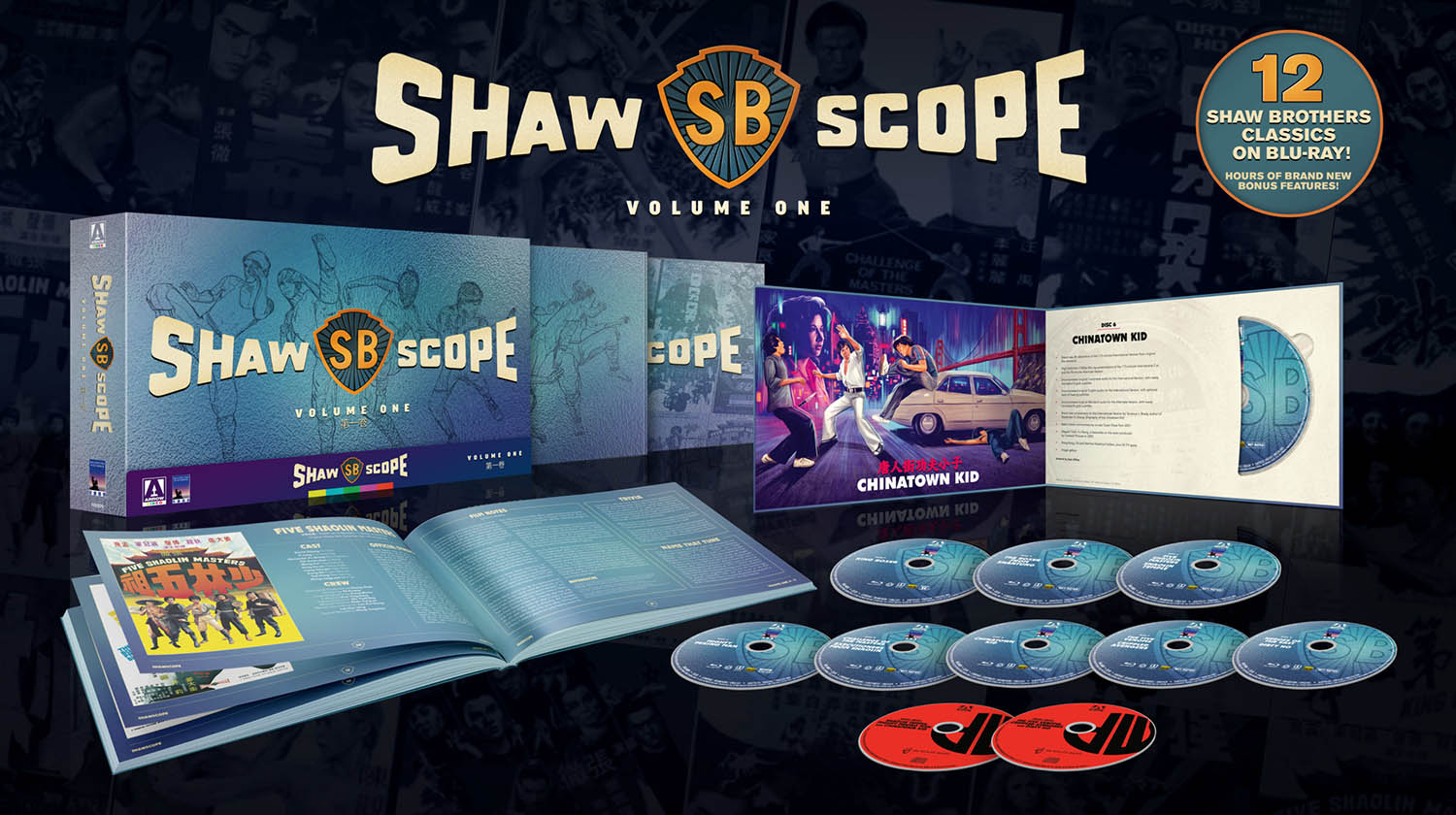
This is another stunningly well assembled set from Arrow Video. The outer slipcase is long and narrow, cleverly emulating the 2.35:1 aspect ratio of the Shawscope format. A heavy cardboard-paged volume houses the 12 titles spread across eight Blu-ray discs, alongside two bonus CDs filled with De Wolfe Library music used in the films. Also tucked away in the slipcase is a 60-page illustrated booklet with incisive historical and generic appreciations of the films by David Desser, Simon Abrams, and Terrence J. Brady.
The best place to start with the bounteous supplements included in this box set are several longish interviews with Hong Kong film expert Tony Rayns that variously cover the early history of the Shaw Brothers studio, the films of in-house director Chang Cheh (who helmed six films in this set), the career of fight choreographer turned director Lau Kar-leung, and the films Heroes of the East and Dirty Ho. Rayns knowns his stuff and puts it across in eminently enjoyable fashion. From there, five of the films come with commentary tracks, all of which do an excellent job of mixing production history and thematic analysis.
Then there are numerous archival and more recent interviews with cast and crew members, as well as part one of Cinema Hong Kong from 2003 that focuses on the ’70s kung fu craze and the Shaw Brothers studio’s contribution to it. Connoisseurs of the martial arts genre will also appreciate the variety of alternative bits thrown in for good measure. There are several sets of alternate opening and closing credits, standard definition presentations of two films just for the nostalgia value, and the inclusion of a longer international cut of Chinatown Kid.
Overall
Jaw-dropping in both packaging and content, Arrow Video’s Shawscope Volume One is a gorgeously appointed promise of further riches to come.
Since 2001, we've brought you uncompromising, candid takes on the world of film, music, television, video games, theater, and more. Independently owned and operated publications like Slant have been hit hard in recent years, but we’re committed to keeping our content free and accessible—meaning no paywalls or fees.
If you like what we do, please consider subscribing to our Patreon or making a donation.