The task that filmmaker Greta Schiller and co-director Robert Rosenberg undertook in creating Before Stonewall was pretty daunting: to uncover the hidden, repressed, and oftentimes denied history of gay America in the days before the famous Stonewall riots, and once and for all break the gag order that polite society had placed on the third sex. Released in 1985, it helped put a halt on the notion that homosexuality was a product of societal moral decay, a tactical assertion that opponents of gay rights would sometimes try to insinuate based on a supposed lack of overwhelming historical evidence to the contrary.
Obviously, these people weren’t looking, as the groundbreaking Before Stonewall presents a kaleidoscopic array of photographs, films, and songs that offer testimony to the thriving gay subculture that existed throughout the 20th century. Across 87 minutes, the filmmakers cover such topics as the cowboy way, the handkerchief code, Harlem and Village speakeasies, Rosie the Riveter and women in the work force, the WWII foxhole romance, the films of Kenneth Anger, ONE Magazine and the Mattachine Review, the Kinsey scale and Evelyn Hooker, Harry Hay, lesbian paperback pulp, McCarthyism (which is revealed, in a newsreel clip, to be as much a homosexual witch hunt as anything else), and the fight for parity in the psychological world.
The filmmakers are juggling a lot, and even if their menagerie errs to the side of terseness, their narrative ellipses are thankfully carried by their cadre of intelligent, colorful interview subjects, whose reminisces run the spectrum from ferocious to restrained to sanguine. Motorcycle-riding Native American advocate Dorothy “Smilie” Hillaire tells a compelling tale of how she was harassed by men in a bar until she dropped a glass ashtray on their leader’s skull. “You have to develop a tough hide to protect the soft interior,” she explains. Hank Vilas remembers with visible remorse his drunken one-night stand in wartime Germany with a military friend who was killed a few days later. And African-American writer and activist Audre Lorde effectively parses the way the gay and civil rights movements joined forces.
What’s perhaps most intriguing about watching Before Stonewall now is that it ends on a moment of uplift. Unlike 1999’s After Stonewall, the PBS companion piece that basically ends with the murder of Matthew Shepard, this is a documentary that can tell the sometimes bitter truth and still conclude with an unambiguously heartening flourish.
Image/Sound
I went back to my VHS tape that I recorded back in 1999 (when both documentaries aired on PBS for the first time) to confirm my suspicions: it looked better than this DVD, even at SLP. The print is riddled with dirt, is soft-focused, and poor Barbara Gittings looks like she’s dodging a purple scratch right down the center of the screen. I understand that this is rather old footage, collected before the days of big-time film preservation, but this is a shockingly subpar transfer. The sound is nowhere near as inadequate (the VHS already revealed the limits of the source material), but it’s also a notch below what aired on PBS: voices are hollow, levels are distorted. A disappointment.
Extras
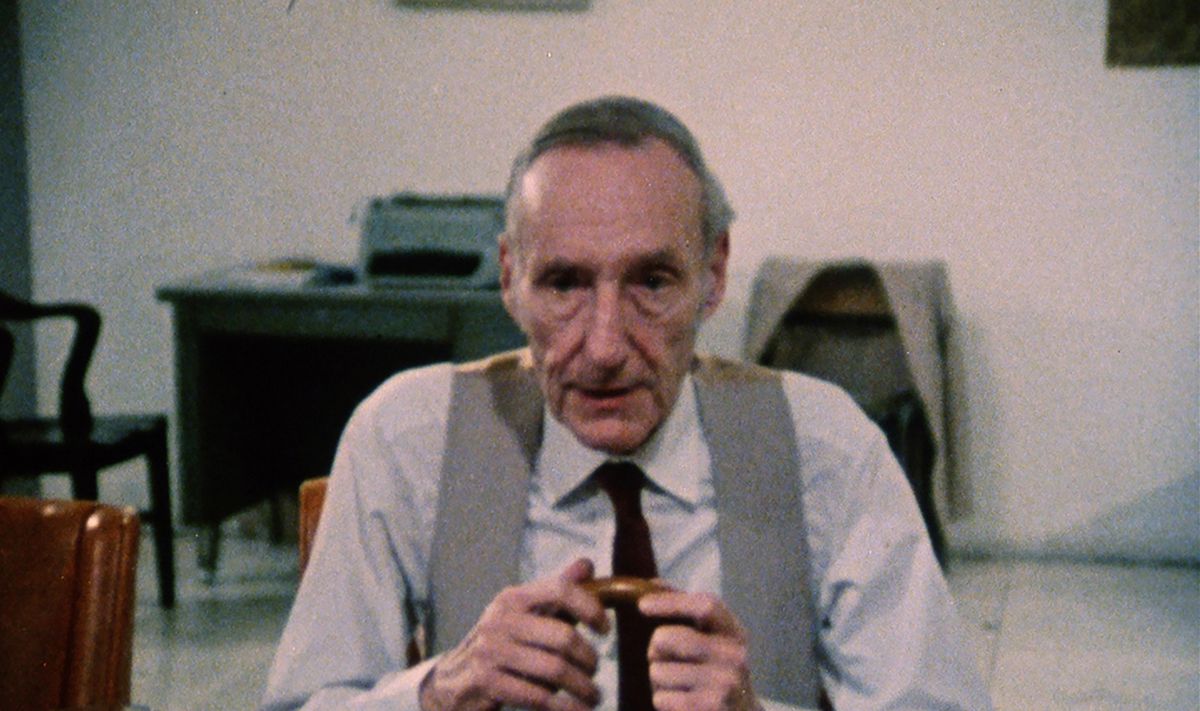
Whoa. I thought the film proper looked bad. You should see the three extra interview outtakes First Run collected here. It looks like they played a BETA dupe of the dirtiest footage they could find on a 13″ television set and trained a video camera on that. The clips of Lorde, Ginsberg, and Jose Sarria are all interesting, but trying to decipher what they’re saying is sometimes more effort than its worth.
Overall
Even though the transfer looks like your local college library’s rattiest tomes, this treatise on how homosexual sociology thrived before being validated is required viewing.
Since 2001, we've brought you uncompromising, candid takes on the world of film, music, television, video games, theater, and more. Independently owned and operated publications like Slant have been hit hard in recent years, but we’re committed to keeping our content free and accessible—meaning no paywalls or fees.
If you like what we do, please consider subscribing to our Patreon or making a donation.