The Leeds junglist tells a story in the wrong order, in the right way.


The Leeds junglist tells a story in the wrong order, in the right way.
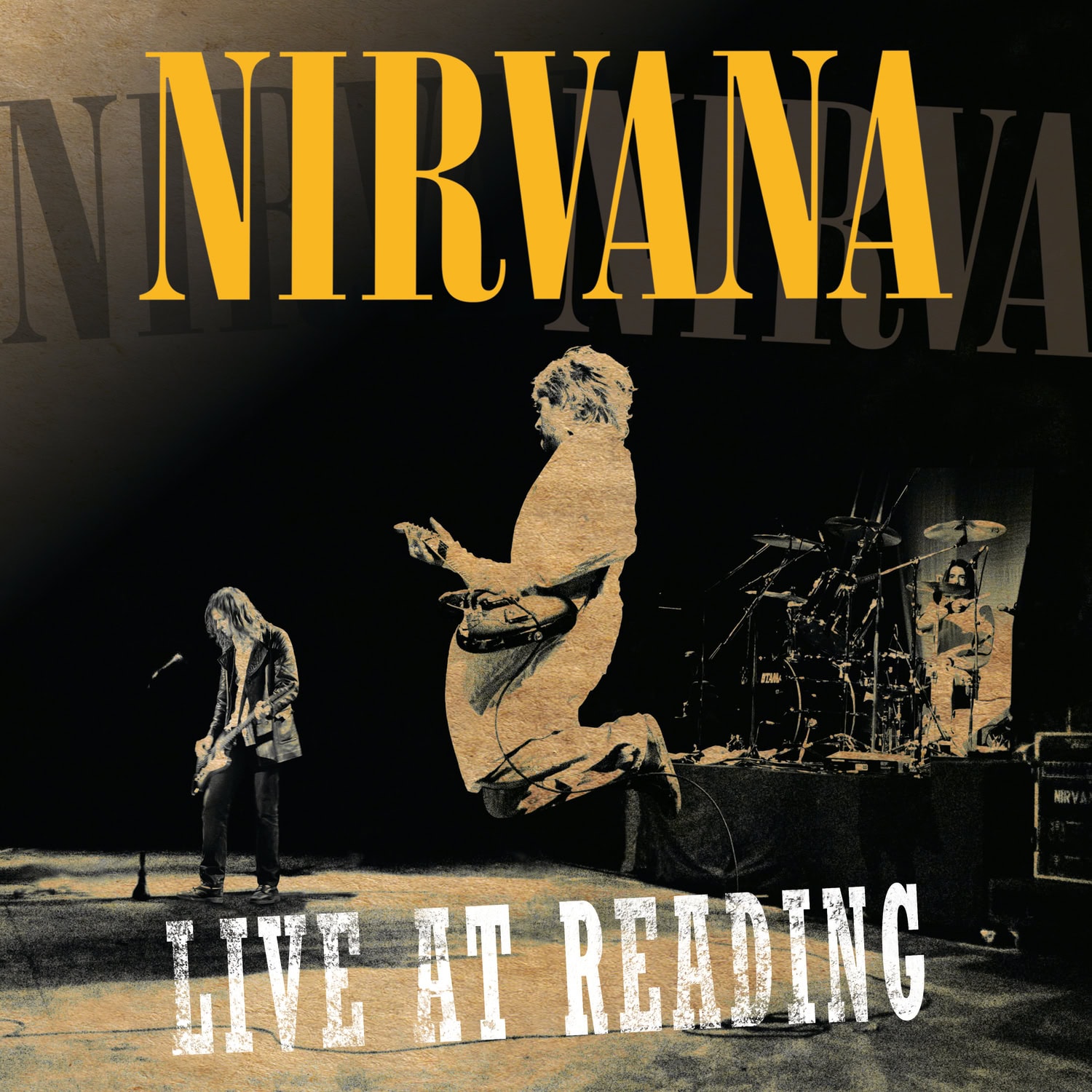
In essence, Reading is the unqualified exhibition of Nirvana’s intensity as a live act.
The album contains substantial flaws that cannot be chalked up to prog-rock growing pains.
Despite an irreverent name that roughly translates to “casual sex” in Japanese, Asobi Seksu is hardly some flip indie-pop outfit.
Memoryhouse finds Richter at a germinal stage, ranging between the somewhat dry and the heartily excessive.
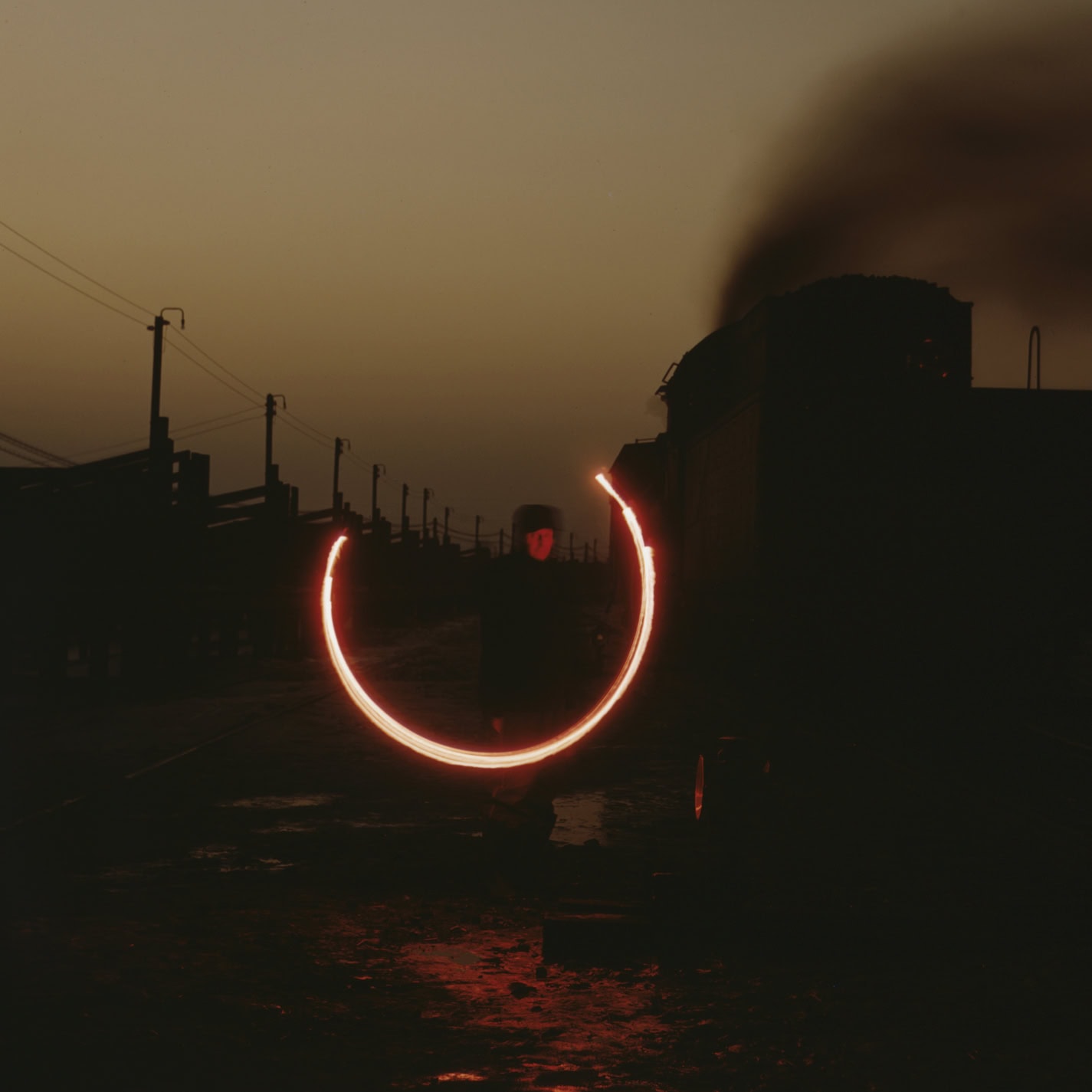
Molina & Johnson is a compilation that’s as evocative as the best work of either of its namesakes.

For an artist who’s made a career out of subverting Christian imagery, Tori Amos comes off surprisingly reverent on Midwinter Graces.
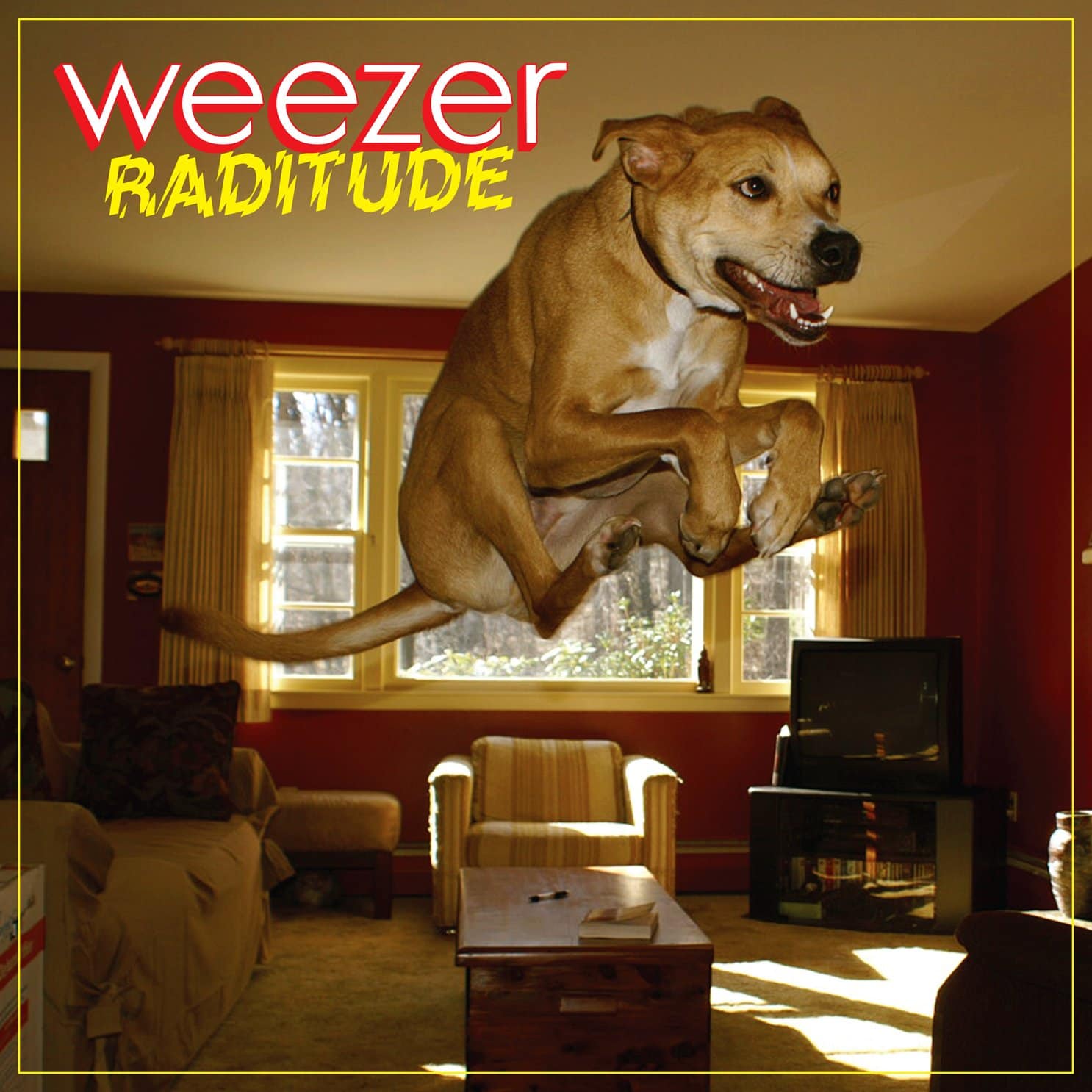
Weezer’s unpardonable decline into soulless streamlined pop-rock continues with Raditude.
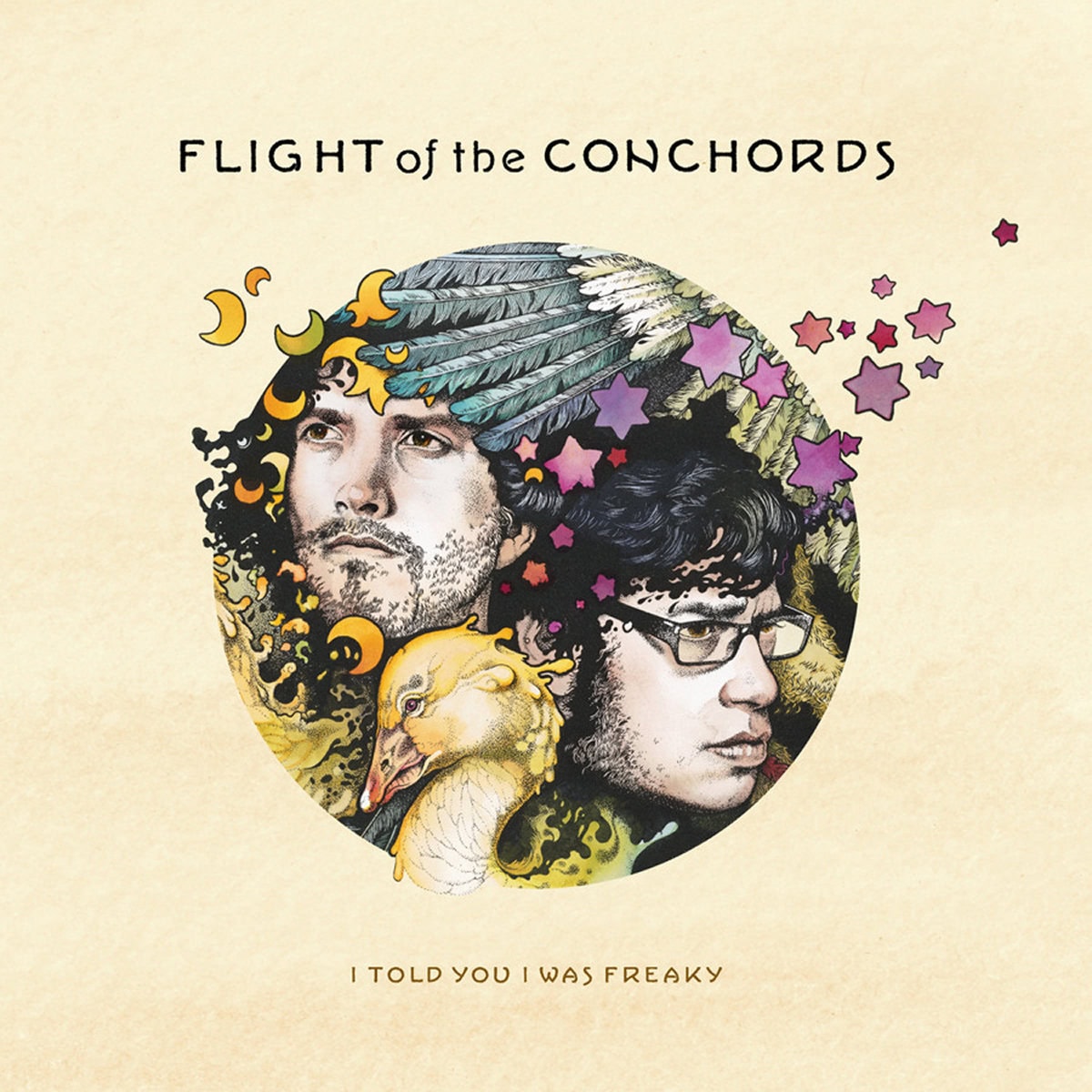
The material is better served in context, complete with music videos and framed with dialogue.
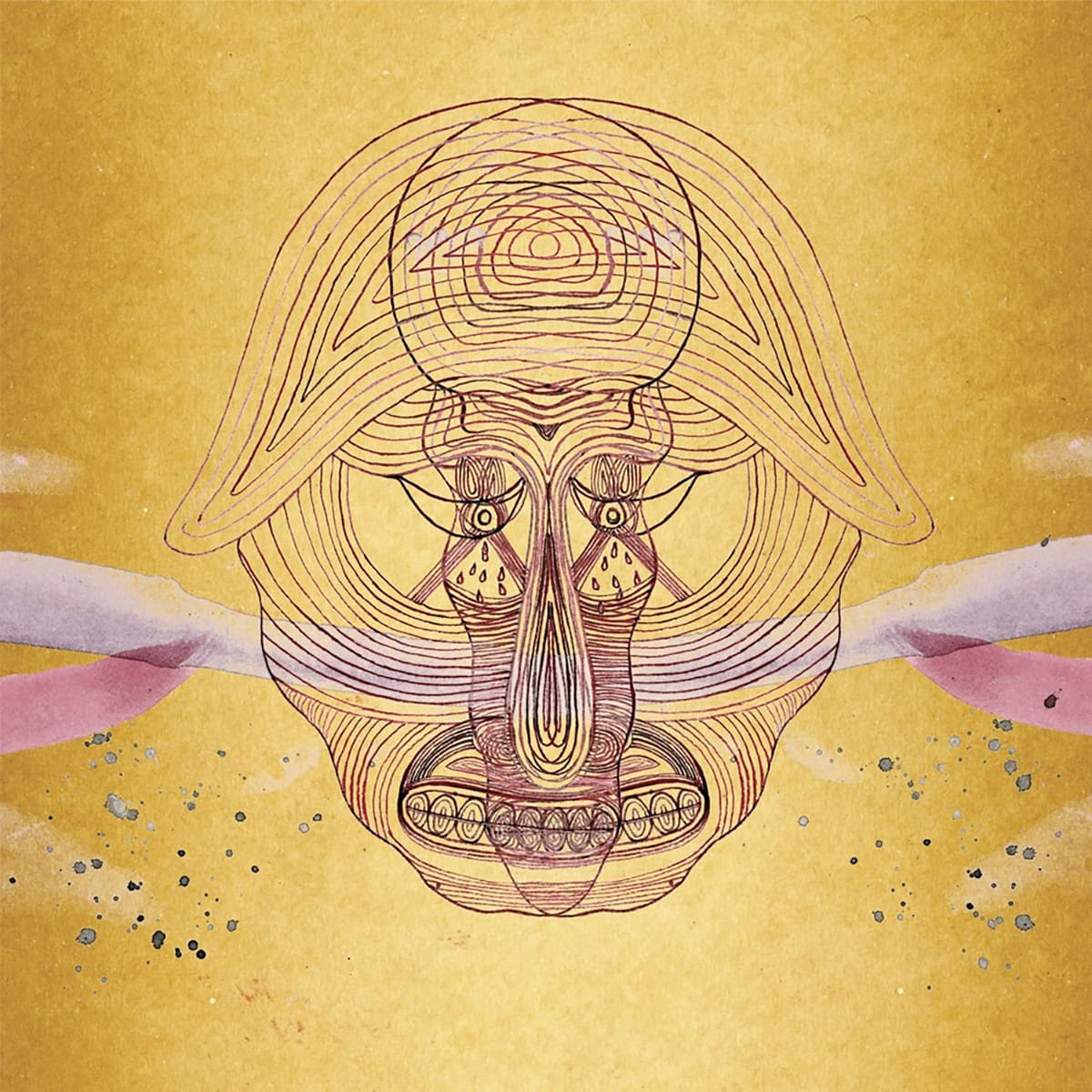
What Will We Be is nominally effective but often mired in flat and indecisive songwriting.
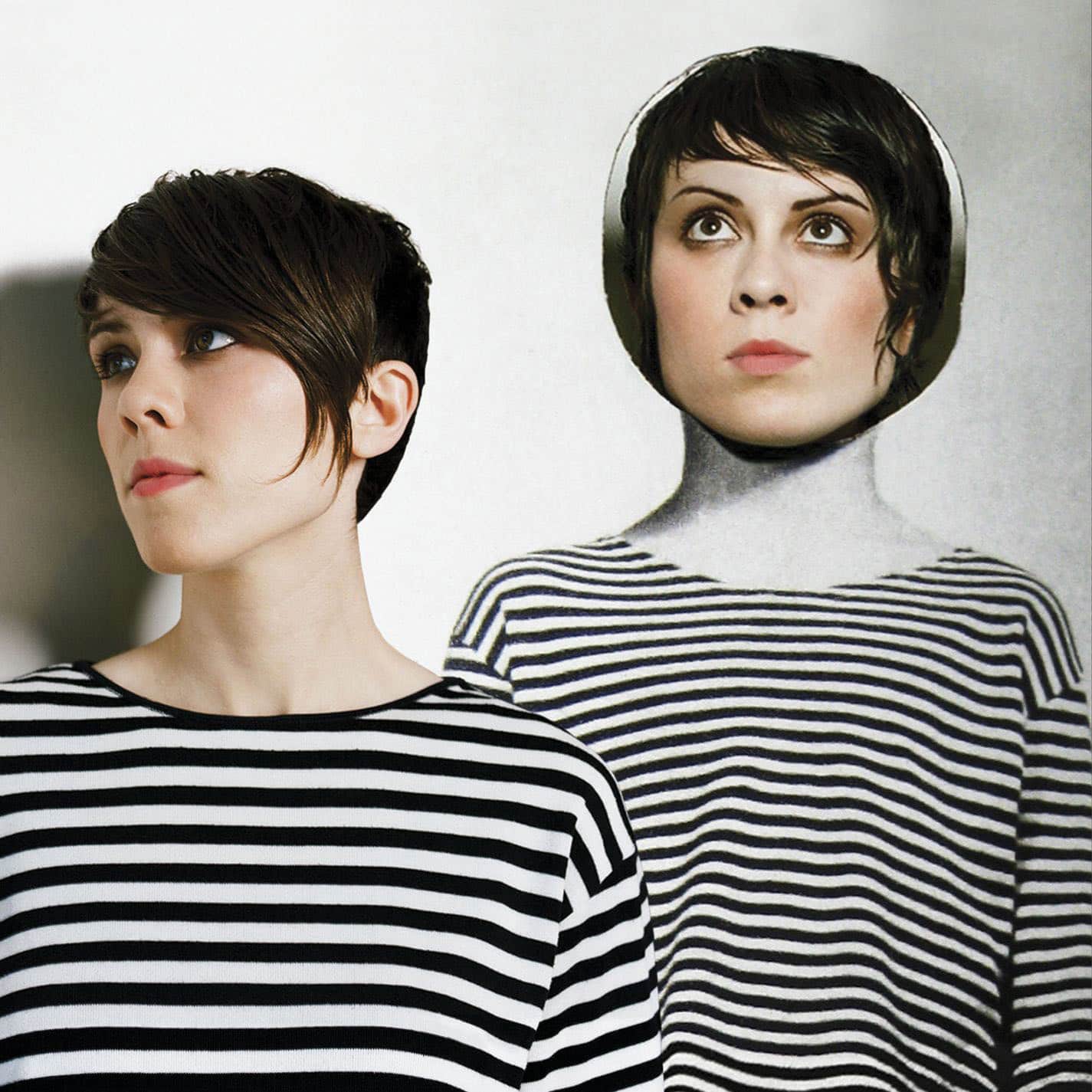
Tegan and Sara dole out each song hurriedly before the prior one’s refrains can fade from your memory.
This isn’t simply a for-fans-only vanity project or an excuse to revisit an album that’s just over a year old.
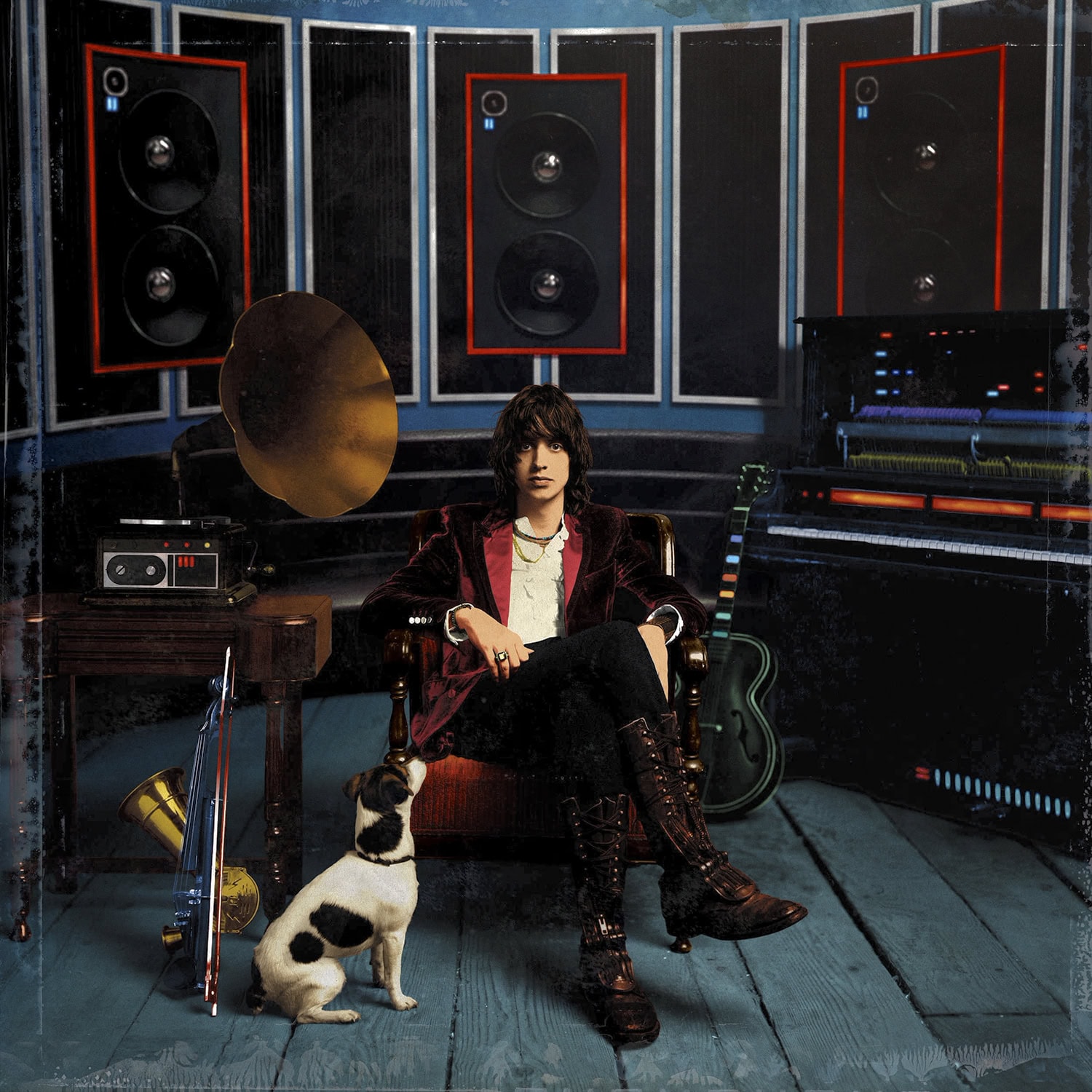
Phrazes for the Young represents a creative departure for Casablancas and another milestone for his band.

The whimsical career path that the increasingly enigmatic singer-songwriter Sufjan Stevens has embarked upon takes another unconventional twist.

Adria Petty’s video for “Sweet Dreams” one-ups the minimalism of the instantly iconic internet meme.
Electric Six don’t stray far from their trademark brand of groove-heavy, ironic cock rock on Kill.

Logos is the first time that an Atlas Sound project has cohered as something fully outside of Deerhunter.
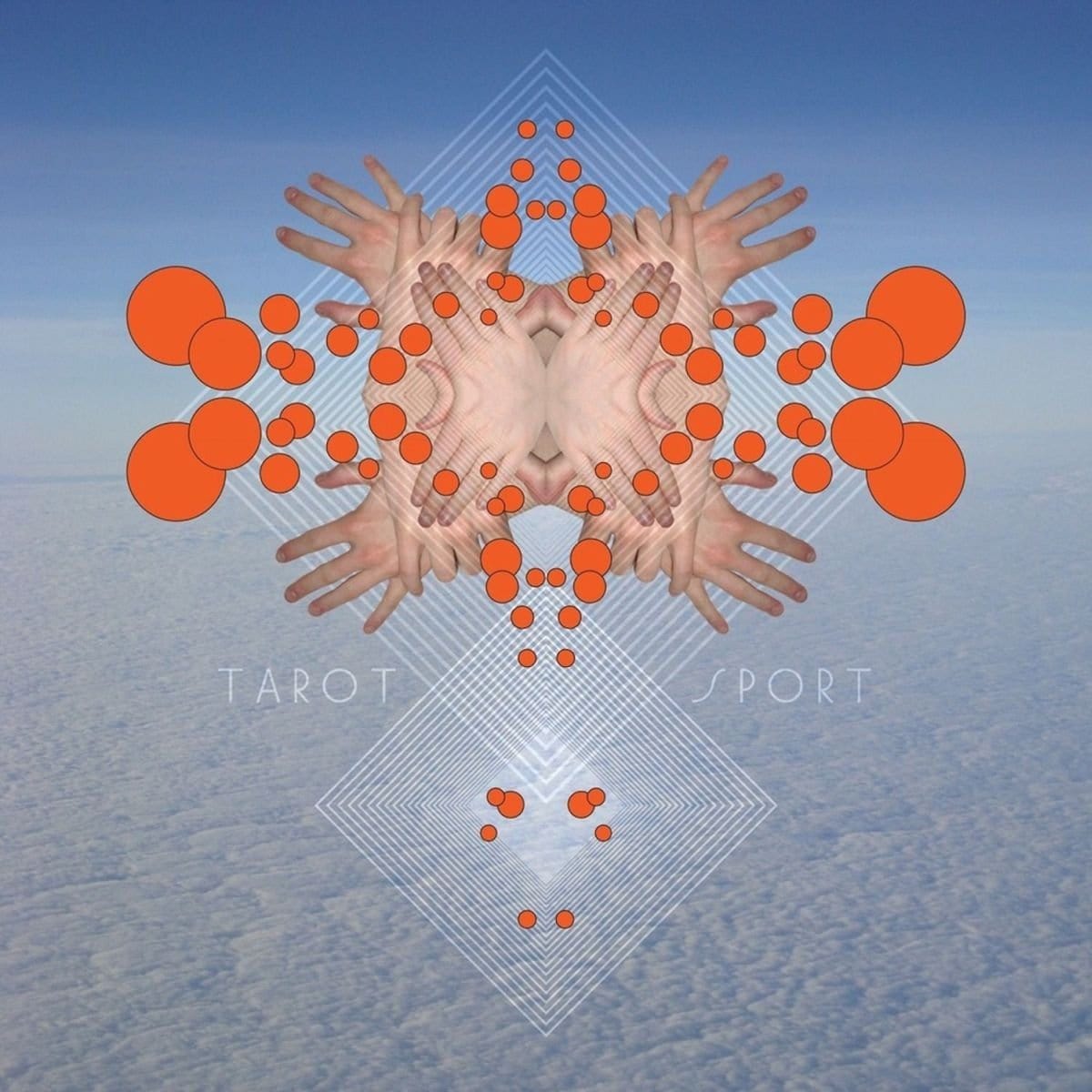
Tarot Sport is a mix of harsh and smooth sounds that mirrors the prickly juxtaposition of classic jazz.

Like Anthony Gonzalez before him, James Chapman is a purveyor of sugary, buzzing, shoegaze rock.

There simply isn’t a weak song on the record, and Nichols hits every mark in his vocal performances.

Stone discusses why it was so necessary to go “off the grid” to make Severed Ways.