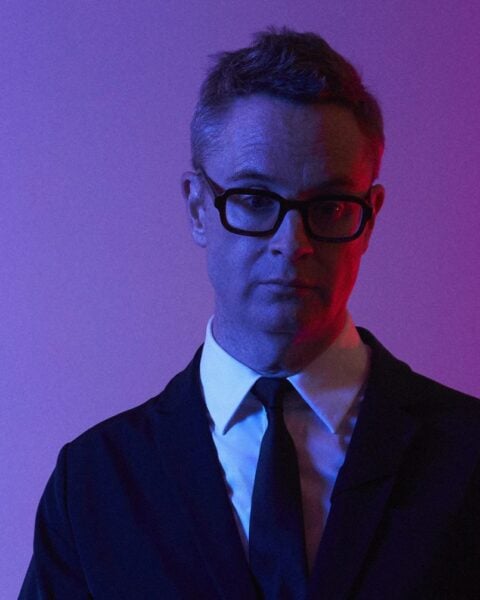
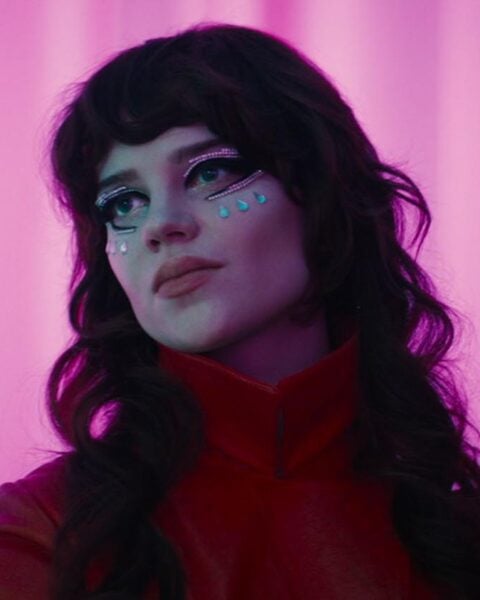
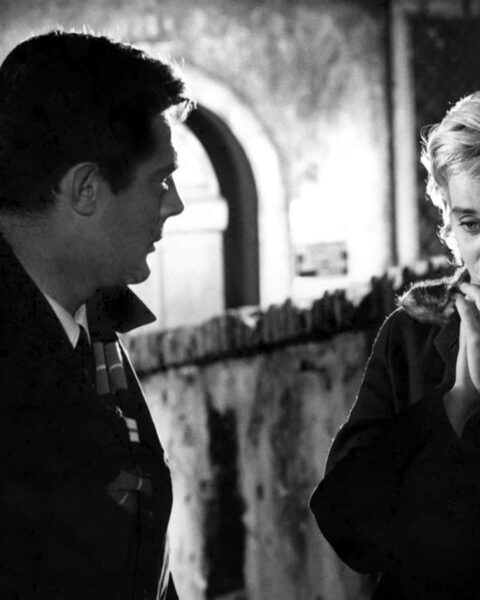
In appealing to the antagonist’s humanity, Peter Park finally gets to fully demonstrate his own.


In appealing to the antagonist’s humanity, Peter Park finally gets to fully demonstrate his own.
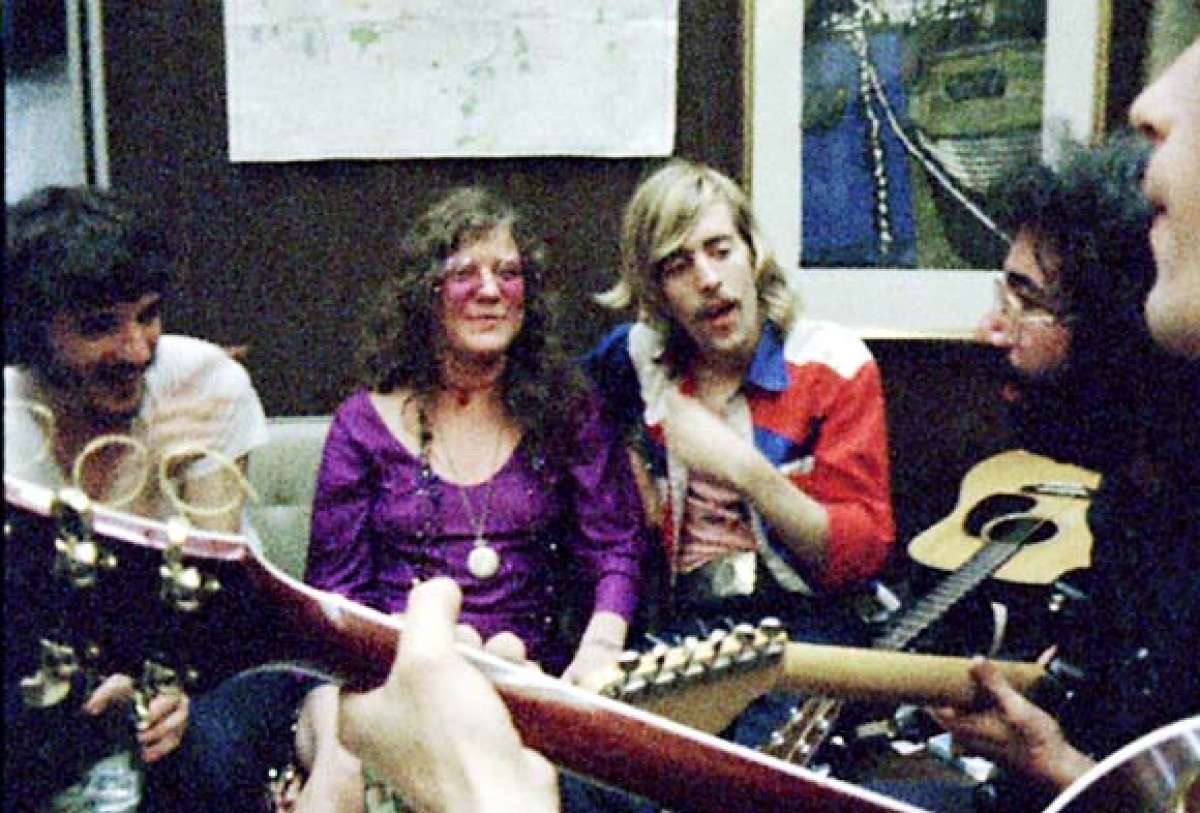
Festival Express only delivers, at its best, a mild contact high.

There’s little to distinguish the film from its dope-loving forefathers aside from its shameless shilling for artery-clogging junk food.
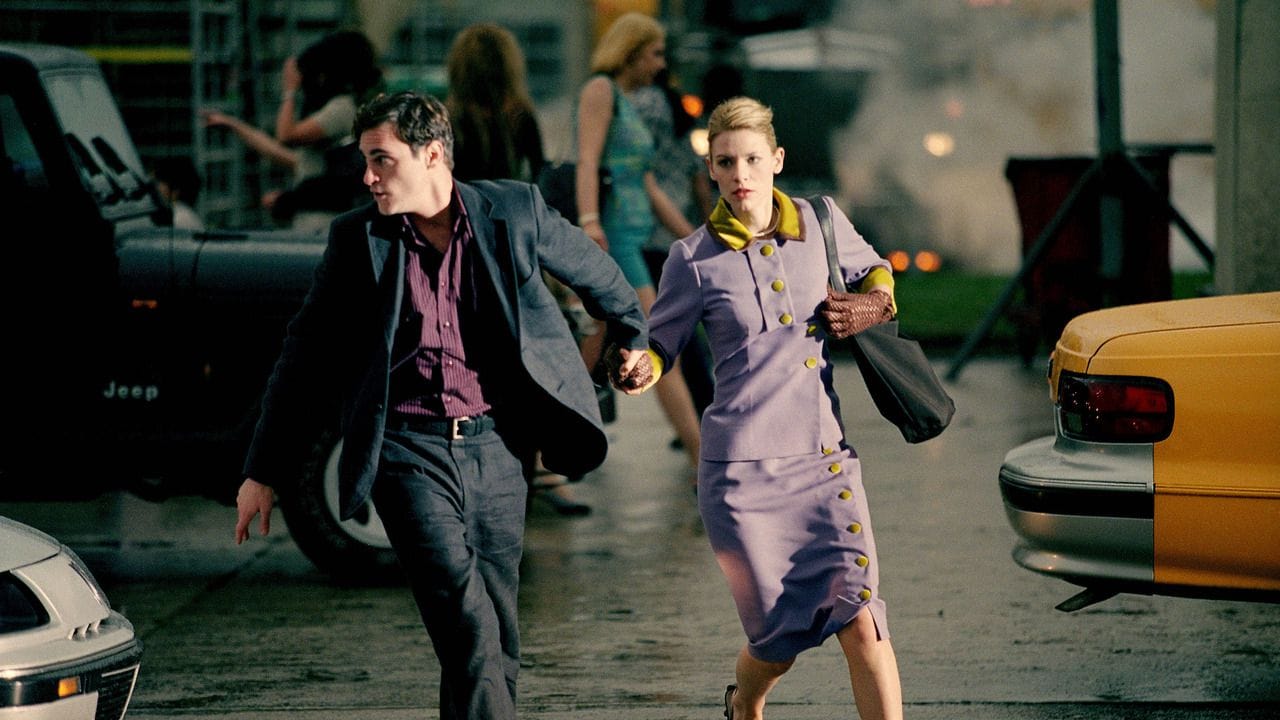
Impossibly glossy, the film claims to be all about love but its heart never makes a beat.

Spike, get a clue.
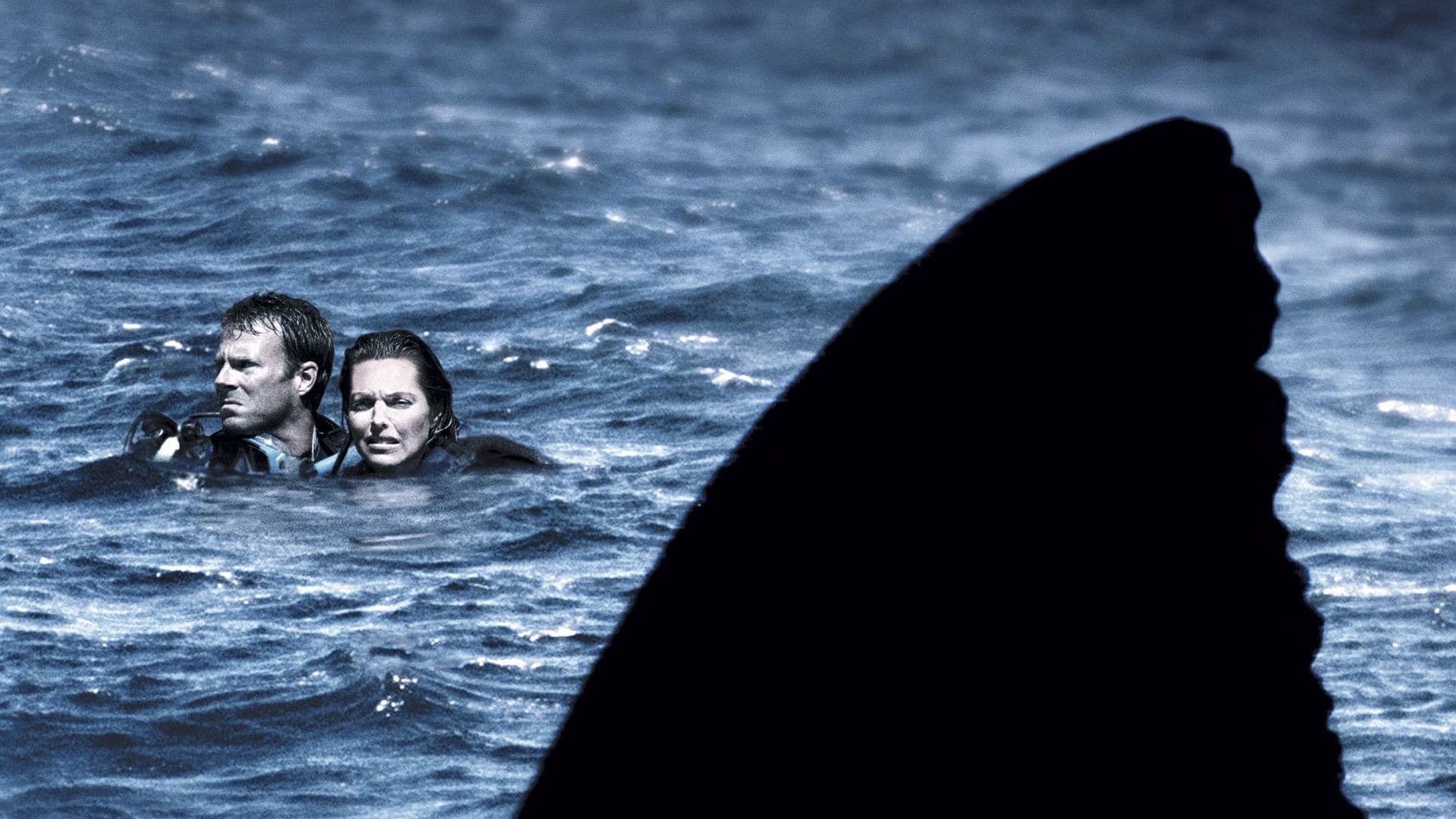
First and foremost an experiment in terror, Open Water also functions as a study of the failure of communication.
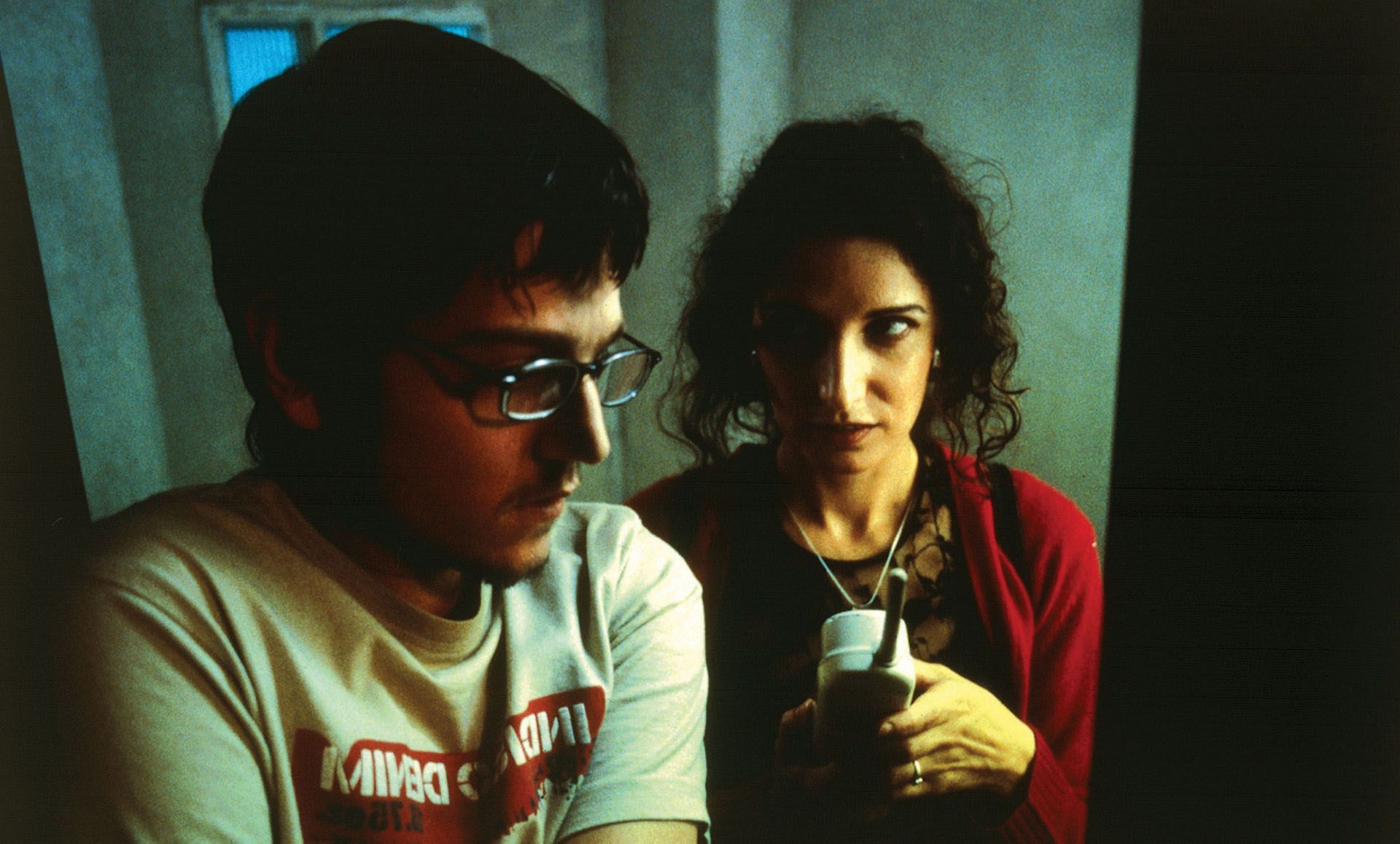
Nicotina is the kind of movie only a person with a short attention span could love.
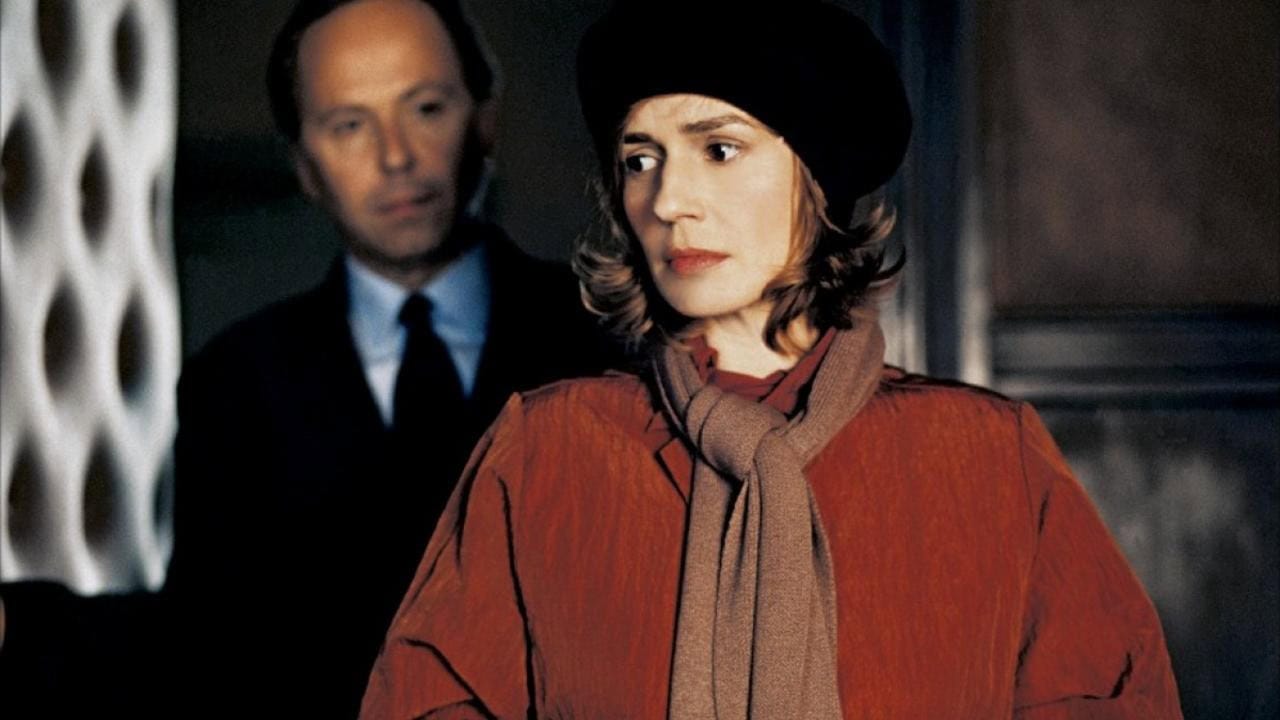
Because it acknowledges that touching is just as sexy as not touching, the film should serve as a model for role-players everywhere.

The Lickerish Quartet’s schematics embody a playful brand of high modernism.

The film gives new resonance to why the first in a franchise is often dubbed the original.

The images think white but the soundtrack thinks black.

Independent cinema has fallen hard and it can’t get up.

The movie is an ensemble piece but, make no mistake, this is Laura Dern’s show all the way.

Showgirls is undoubtedly the think-piece object d’art of its time.
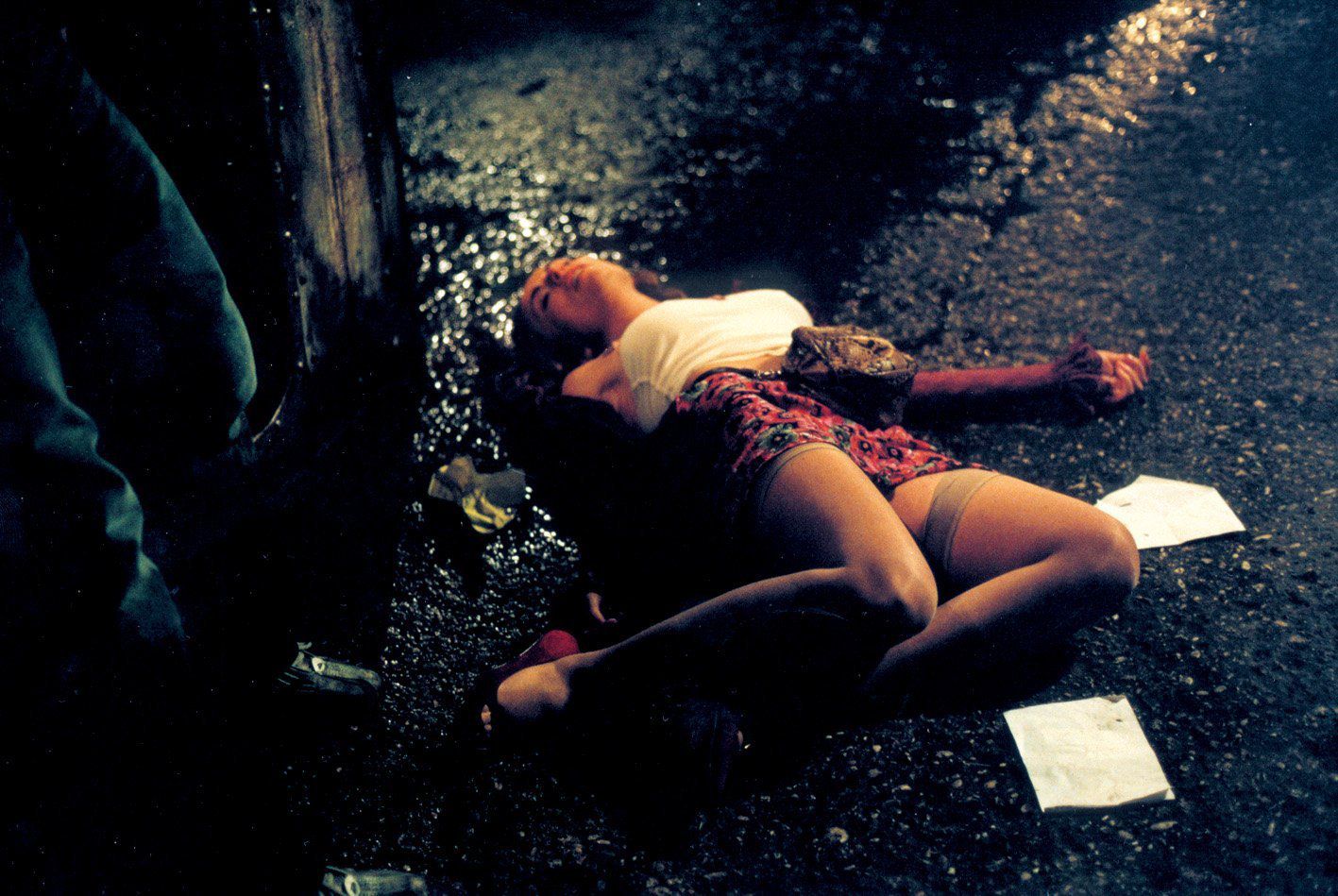
Dario Argento’s hang-ups with sight and sightlessness are moral barometers of our disconnect from the world.
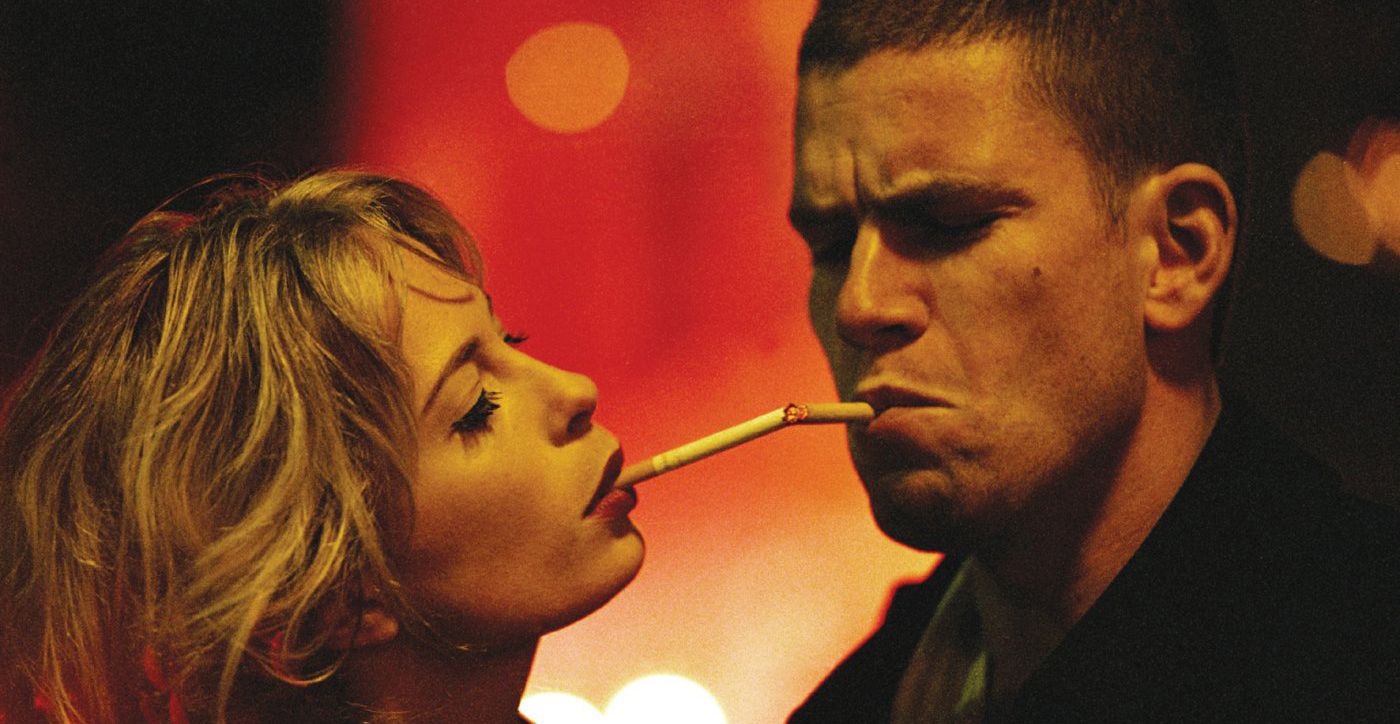
Christopher Boe is certainly someone to watch, but he fails to locate that most elusive of obscure objects: a heart.
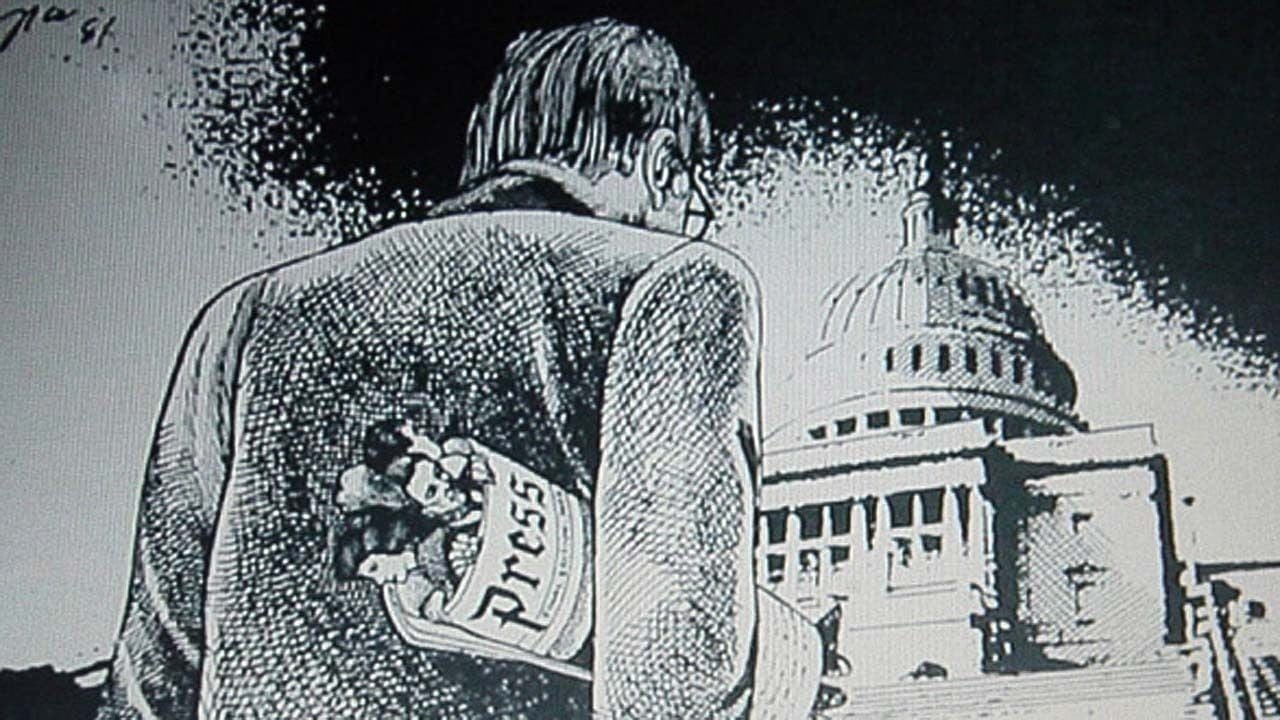
If Robert Kane Pappas’s aesthetic is rudimentary, it’s more than made up for by his sheer force of will.

If some films are made to order, the market-researched A Cinderella Story has the stretch marks to prove it.
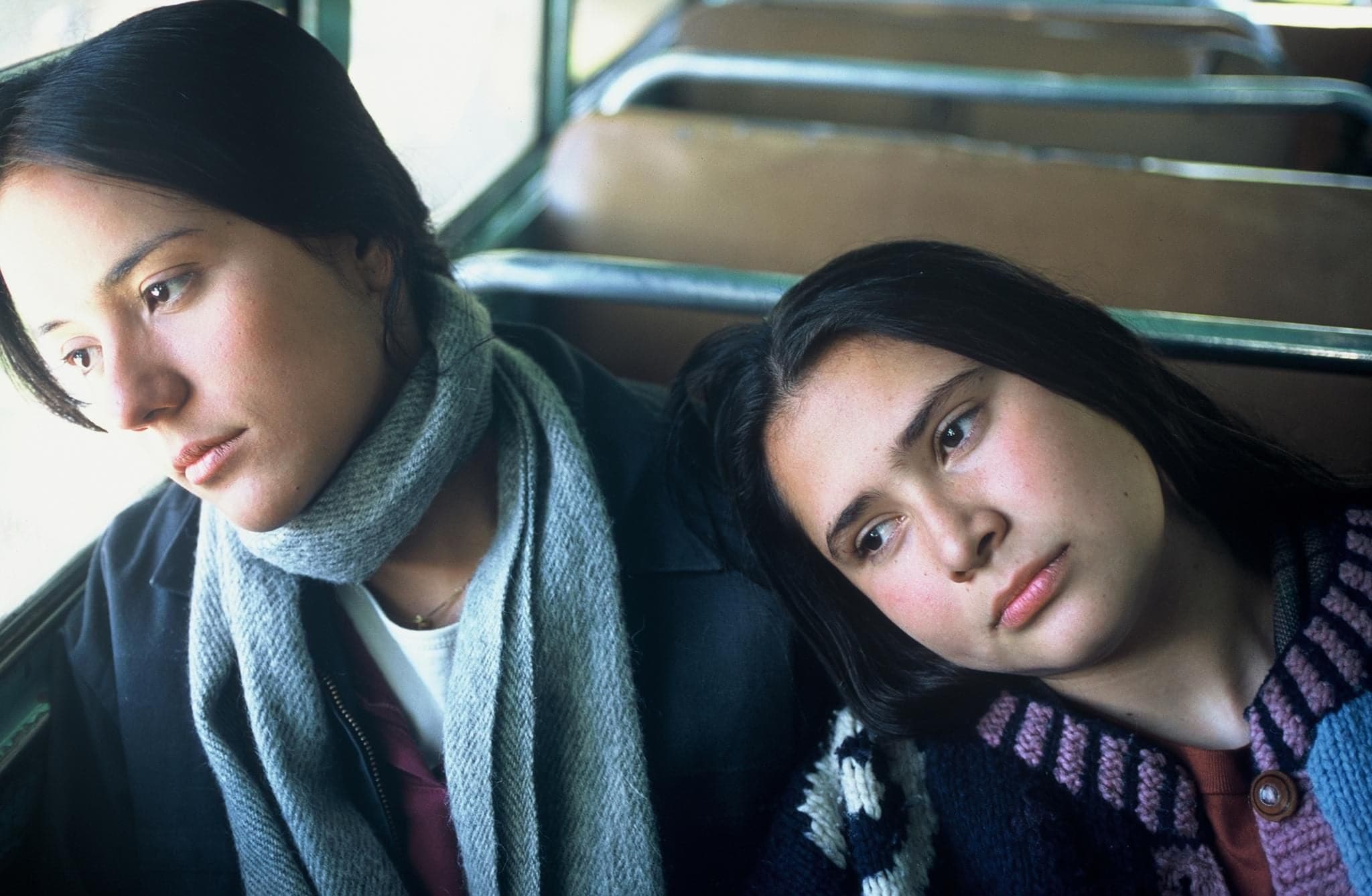
From one part of the world to another, Maria Full of Grace swirls with movement and stirs us with its torrents of feeling.
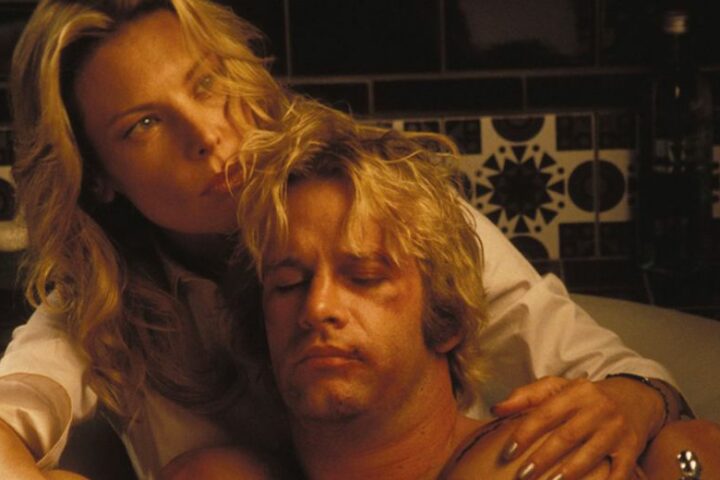
Be wary of any film that bookends a blistering portrait of social unrest with Skinemax-style sex scenes.
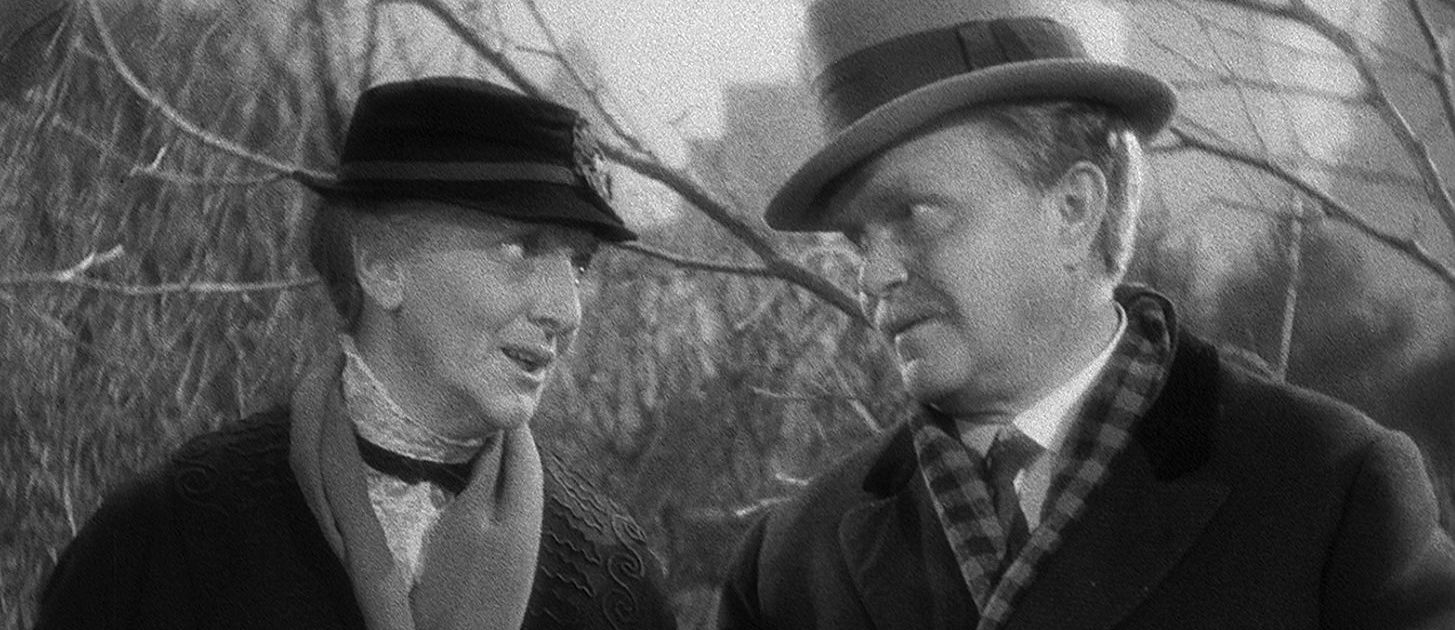
Orson Welles reportedly said of the film, “It would make a stone cry,” and, indeed, the tears that come are more than earned.