Refn discusses his love of fairy tales, falling through the rabbit hole of streaming, and more.


Refn discusses his love of fairy tales, falling through the rabbit hole of streaming, and more.

It’s a measure of how far hip-hop has come that Ice Cube now headlines Are We There Yet?.
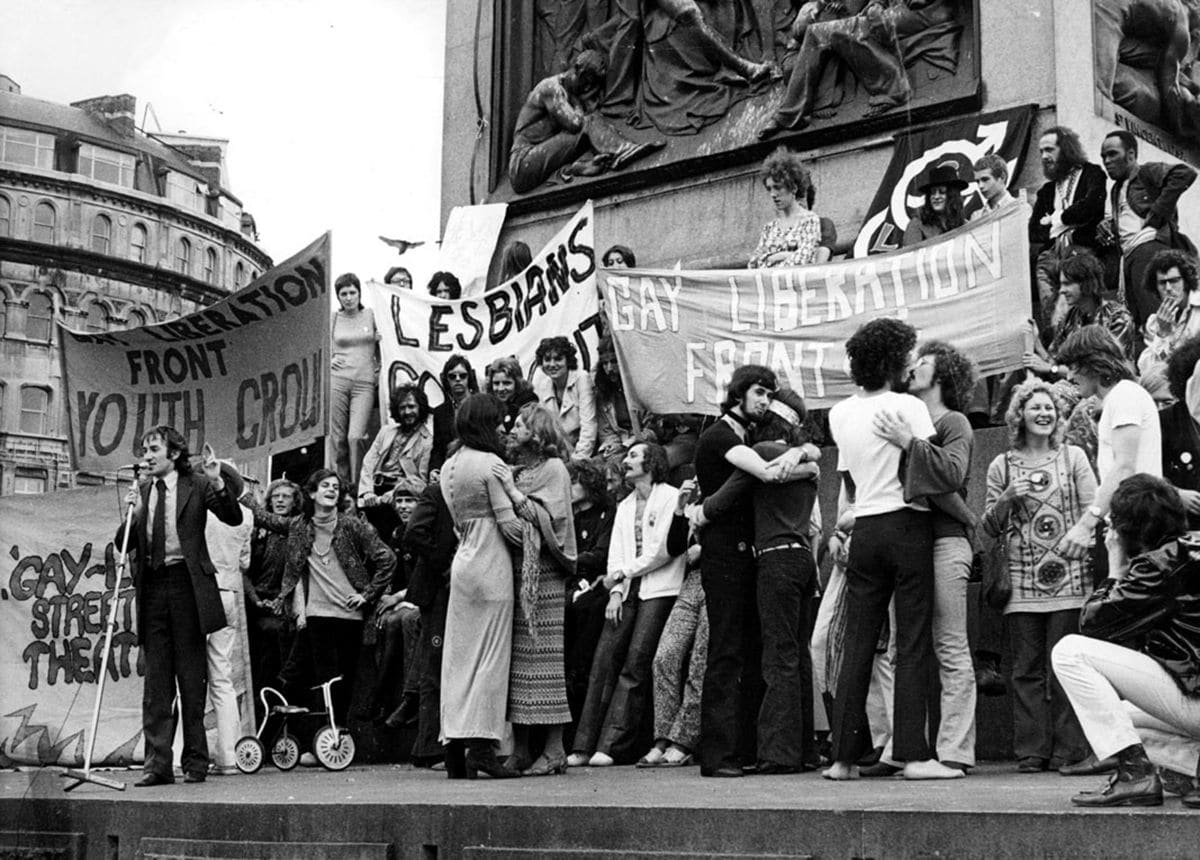
The film is a blizzard of personal reminisces and internal epiphanies amid obvious touchstones.

With its focus on faith, the generous and captivating In Your Hands sets itself apart from other Dogma films.

Few films pay this close and considerate attention to the physical and emotional heartache of growing old and every frame of Schultze Gets the Blues is alive with this generosity.

Kore-eda Hirokazu’s wonderful new film is a meditation on the solace, comfort, and rapture of familial togetherness.

Siegrid Alnoy’s She’s One of Us asks us to take a woman’s ennui at face value. Literally.

It’s determined to seal off such perceived gaps while trading John Carpenter’s precision for conservative blandness.
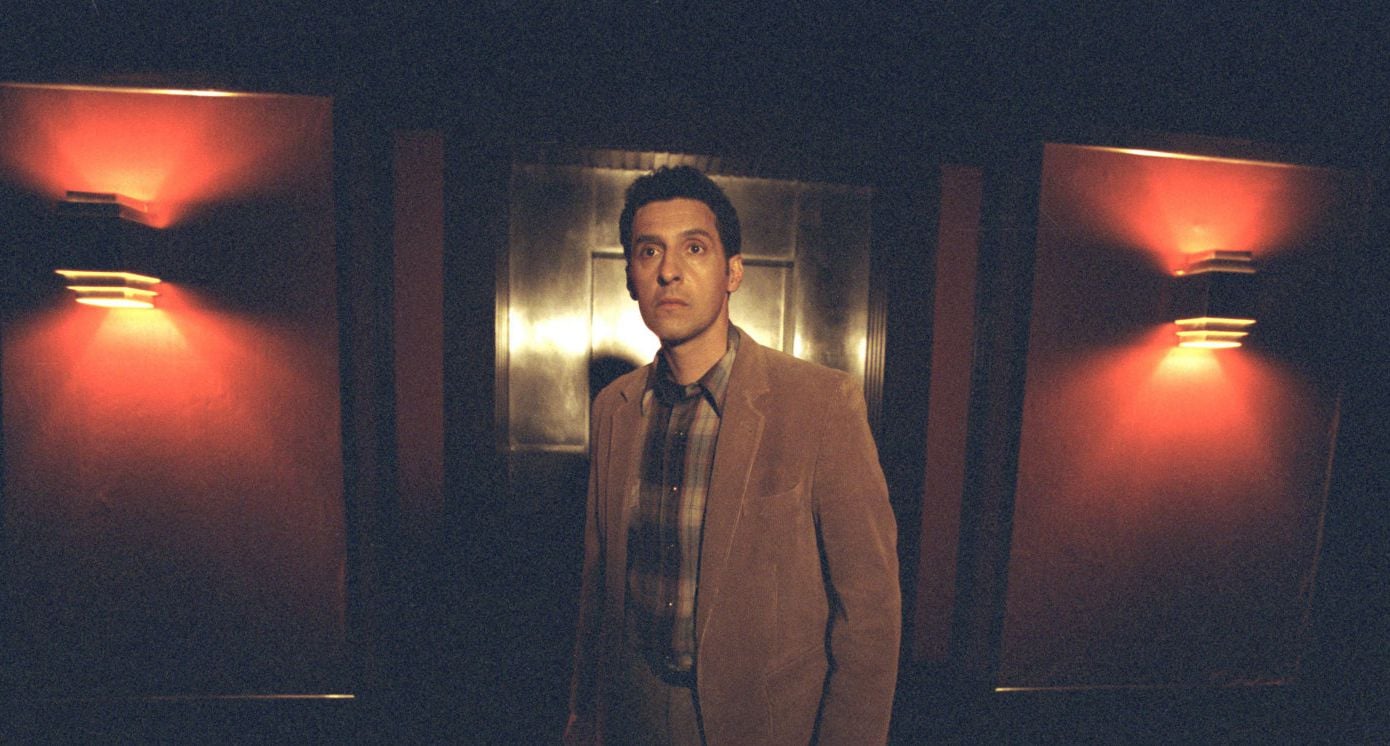
The self-consciousness of Nicolas Winding Refn’s direction complements the compulsiveness of Turturro’s character, but there’s really nothing to Fear X.
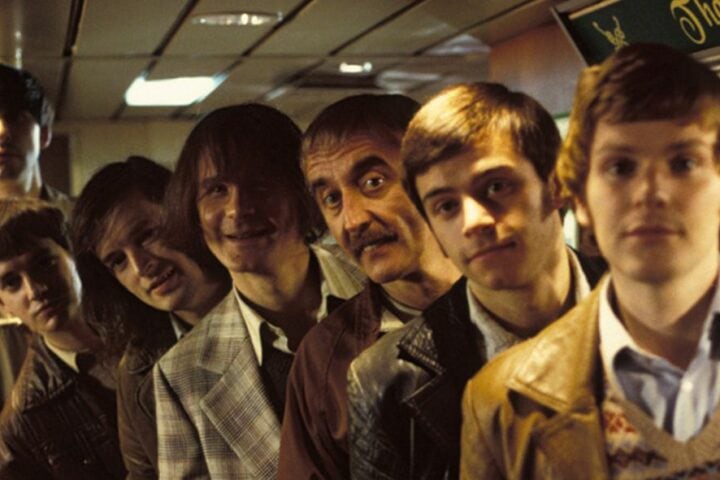
The film is chock-full of randy boozing and comic non sequitors more mystifying than amusing.

As the film grinds on, Samuel L. Jackson starts to look marooned and eventually seems to give up trying.

Substituting titillating triumph for tragedy, this adaptation of Marvel Comics’s knife-wielding knockout comes across as hopelessly blunted.

The film’s deadly punchlines suggest the archetypal “cosmic joke” with more emphasis on the tragic side of the tragedy-comedy continuum.

If White Noise is to be believed, then TV’s psychic medium John Edward is no longer needed.
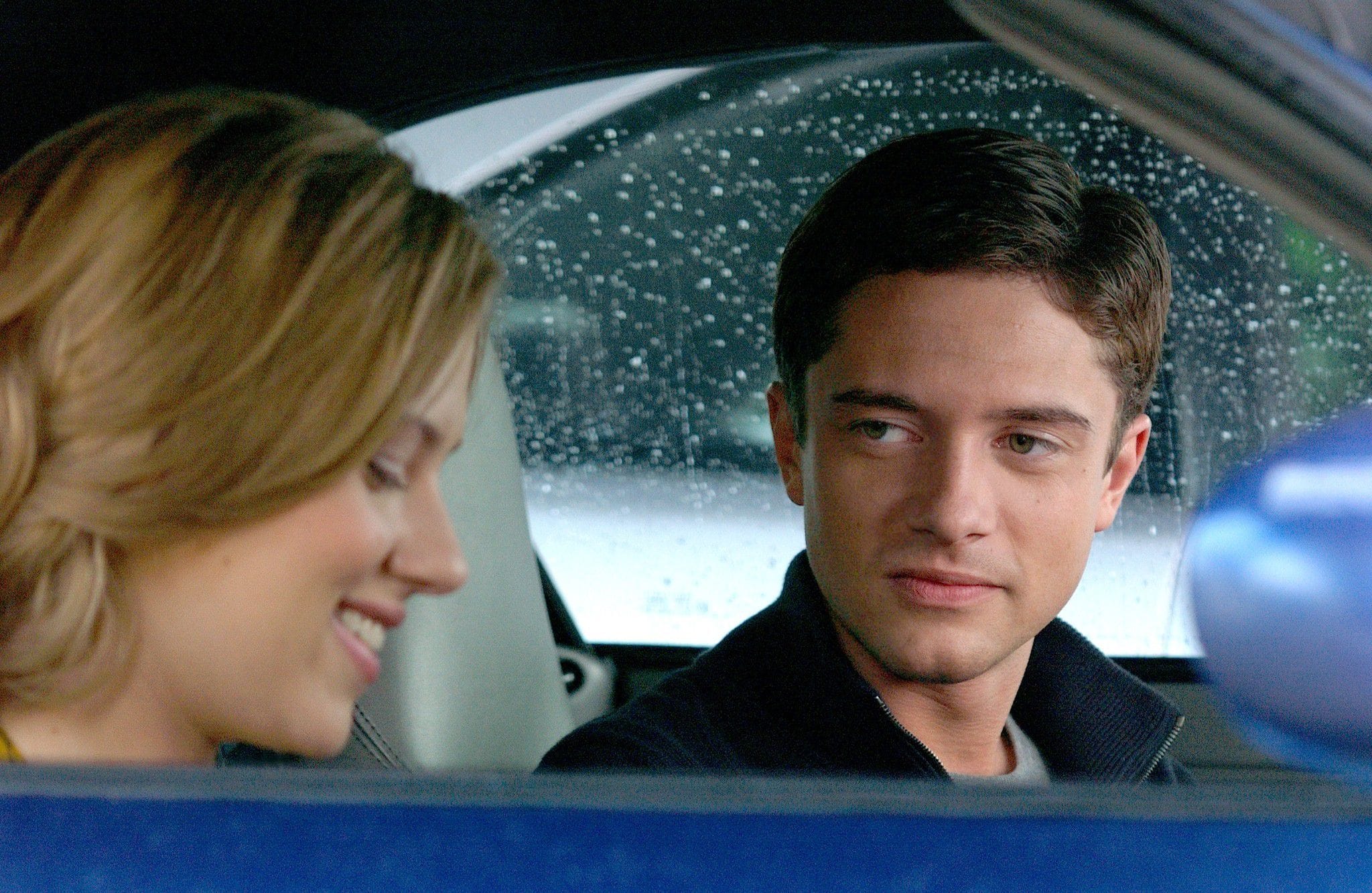
Writer-director Paul Weitz warms over the cold truth of corporate globalization by giving it a puppy-cute face,
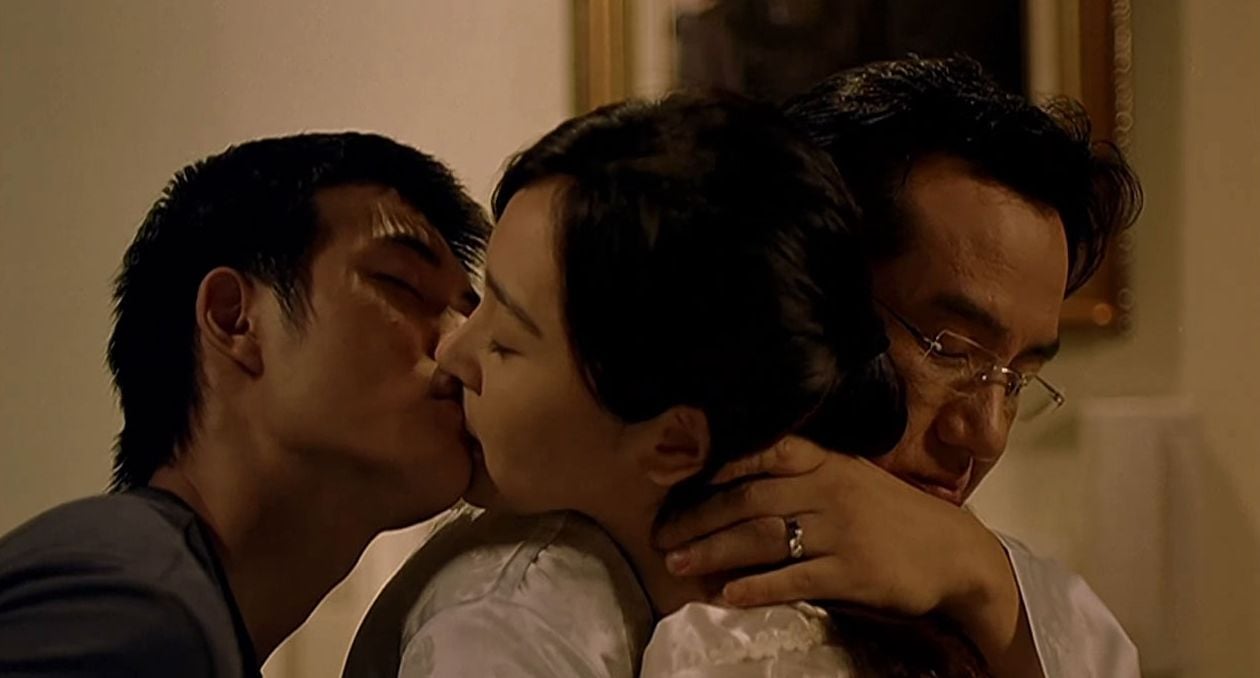
There’s something about the film’s godly lead character that reeks of arrogance.
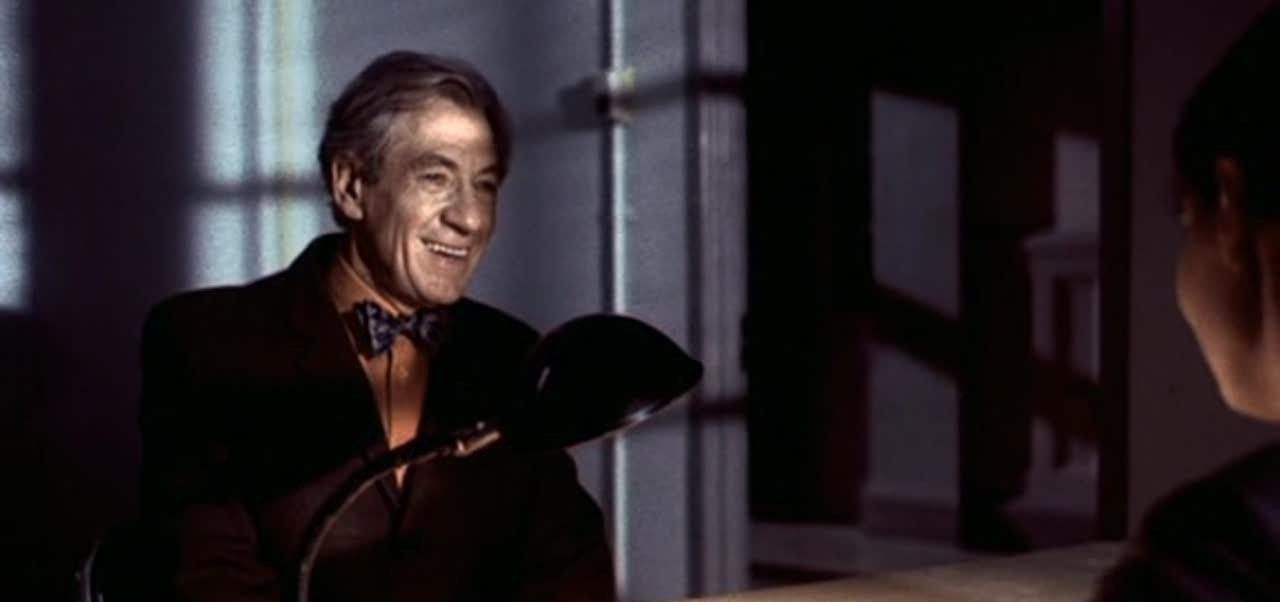
Unlike Faulkner’s Light in August, the film’s structure is less intricately maze-like and the stakes never feel too high.
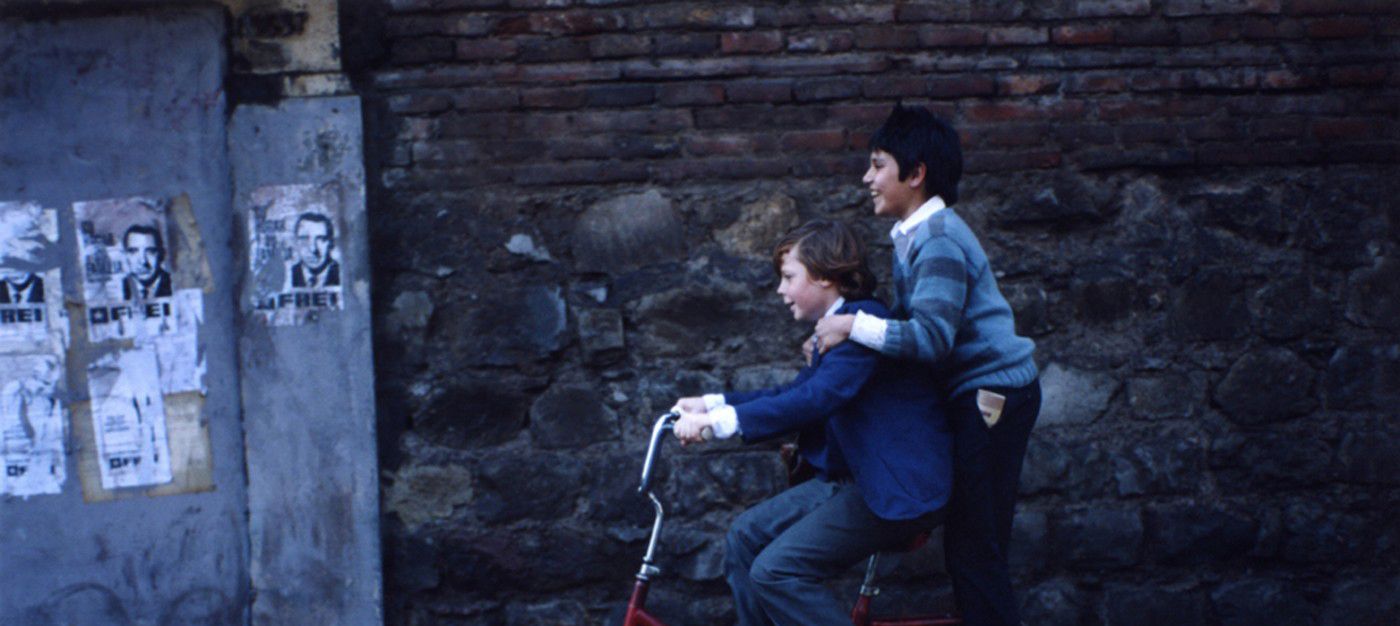
Though it skimps on historical details, Andrés Wood’s wonderful Machuca is nonetheless alive with contemporary resonance.

All that Robert De Niro accomplishes is accentuating the needlessness of this tired, redundant focker of a film.

Ari Kirschenbaum’s groovy direction ensures that Fabled is good for one spin.

To echo one character’s sentiment: This is a film with “no emotions, no feelings.”