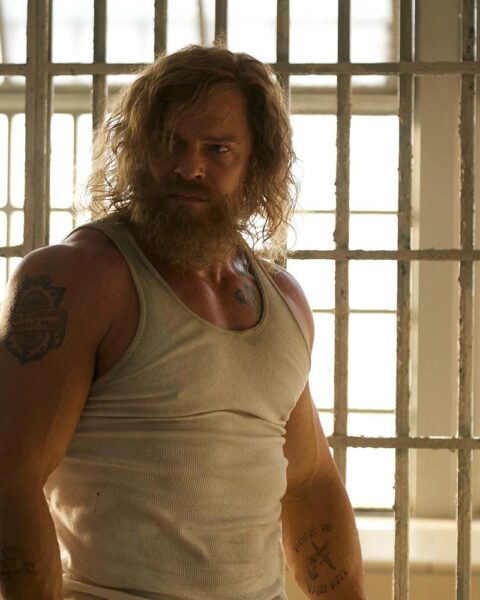
Refn discusses his love of fairy tales, falling through the rabbit hole of streaming, and more.


Refn discusses his love of fairy tales, falling through the rabbit hole of streaming, and more.

Jules Dassin’s London is a malevolent urban nightmare, a tangled web of disorienting murkiness and dastardly double-crosses.

Tyler Perry’s film adaptation clearly preaches to the converted while presupposing its TV-sitcom humor will win (or convert) new fans.

The film is a daisy wheel of revenge-fueled gore speciously intercut with delusions of social commentary.

The film is a bleak portrait of post-WWII despair, corrupt capitalism, and idealistic disillusionment.

Because of Winn-Dixie is a morality tale drained of all blood by director Wayne Wang.

School Daze is, if nothing else, a compelling time capsule of racial politics in the late ’80s.

Ten Reasons Why You Should (Or Shouldn’t) See Raise Your Voice.

Central Station screenwriter Marcos Bernstein’s directorial debut The Other Side of a Street is an enervating love story for the over-65 crowd.

Contrary to popular opinion, the best moment in The Public Enemy isn’t when Jimmy Cagney shoves a grapefruit in his girlfriend’s face.

Much of what’s on display here evokes a society on the decline, propping itself up with patriotic guff, fairy tales, and violence.
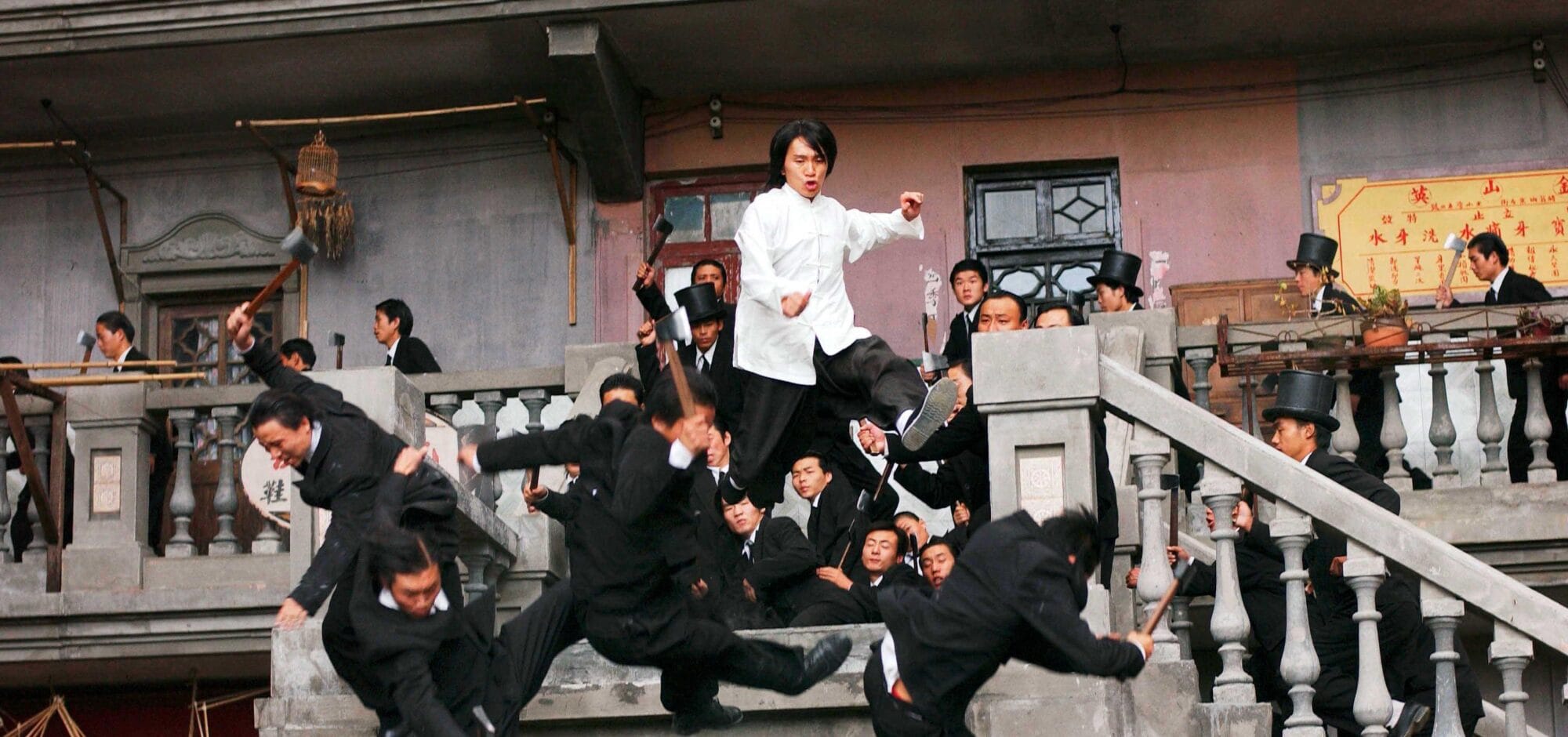
The strength of the film’s social perspective is matched only by the goofy elegance of its humor.

The Wild Parrots of Telegraph Hill is a documentary of quiet, introspective charm.

Bad Guy’s Stockholm Syndrome-like love story requires an unreasonable suspension of disbelief.

But by the time Hitch offers up his unnecessary race-against-the-clock mea culpa, the film’s cupid’s arrow has already veered way off course.

It taught Lee to trust his personality as an auteur enough that he wouldn’t feel compelled to back it up with his personality as an actor.

The film’s view of human behavior is as offensive as it is preposterously simpleminded.
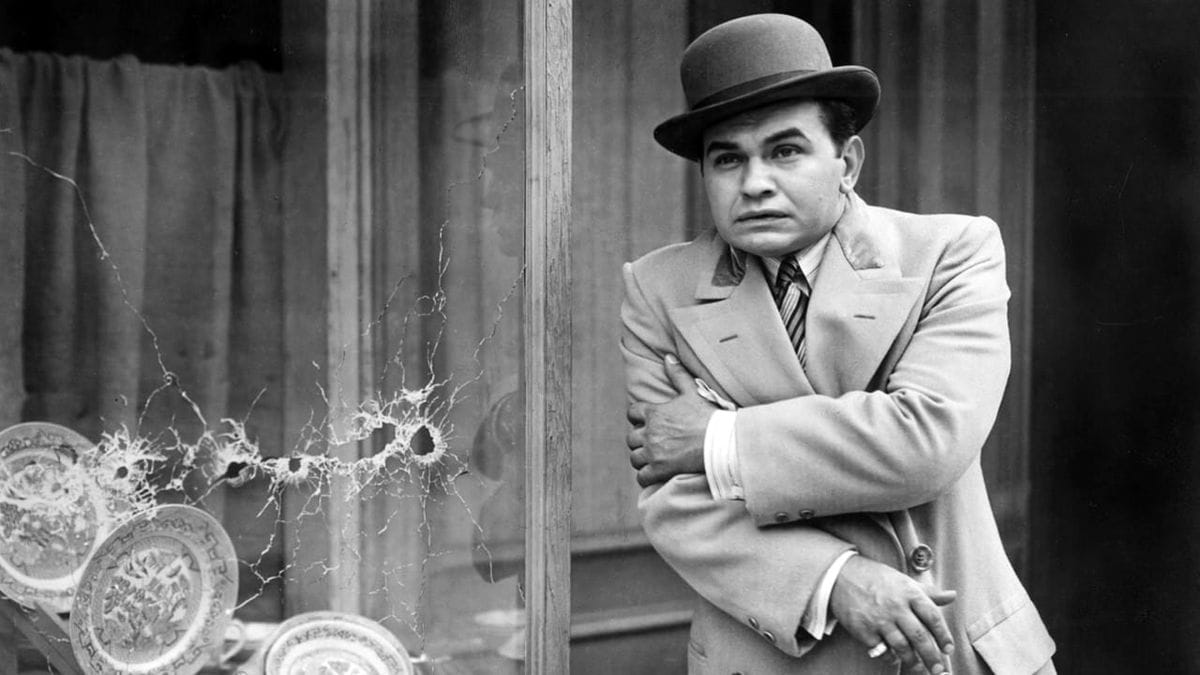
Little Caesar feels stilted when stacked up against its tougher depression-era contemporaries.

Fenton Bailey and Randy Barbato’s documentary uses cheeky montages to recount Deep Throat’s unlikely path to infamy.

The film captures the chaotic psychological turmoil of a beleaguered people mired in a hopeless cycle of dismemberment and death.

Ekachai Uekrongtham evokes the confusion as a magical-realist pageantry of clashing cultural and sexual signifiers.