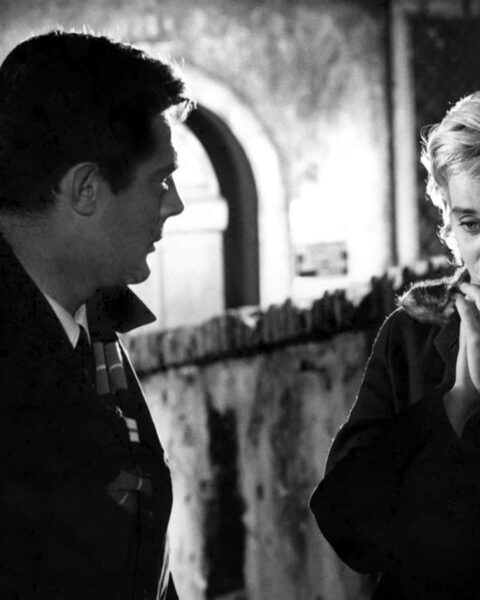
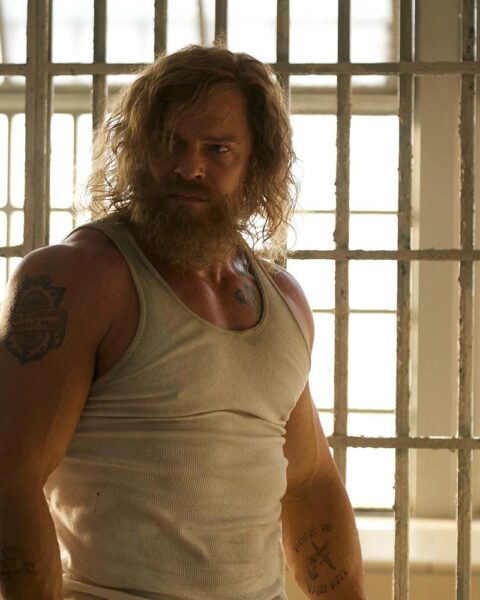
Refn discusses his love of fairy tales, falling through the rabbit hole of streaming, and more.


Refn discusses his love of fairy tales, falling through the rabbit hole of streaming, and more.

Eventually the interviews open out beyond these rigidly structured segments, seeping over into the territory of the characters’ daily lives.
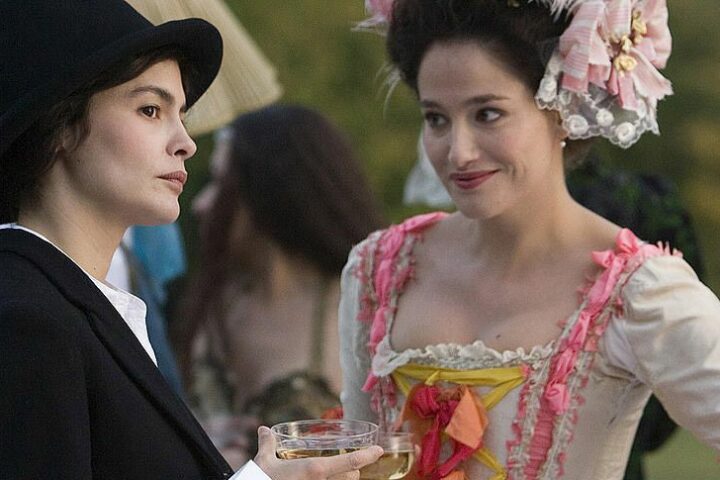
The drab stateliness of Coco Before Chanel is in keeping with the un-ornate threads popularized by its subject.
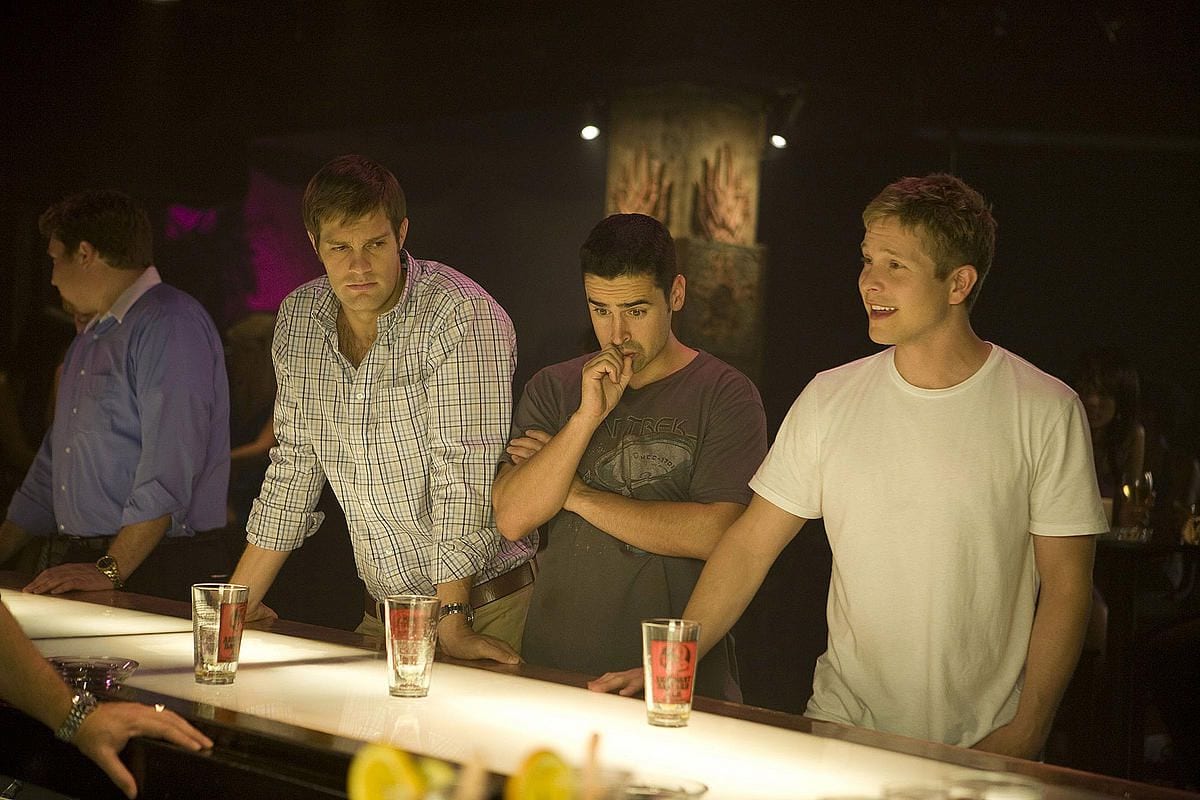
The film distills to its essence the worst tendencies of The Hangover‘s bachelor party craziness.

The film only underscores the mind-bogglingly hazardous crapshoot we take when entrusting our children to local classrooms anywhere in the U.S.
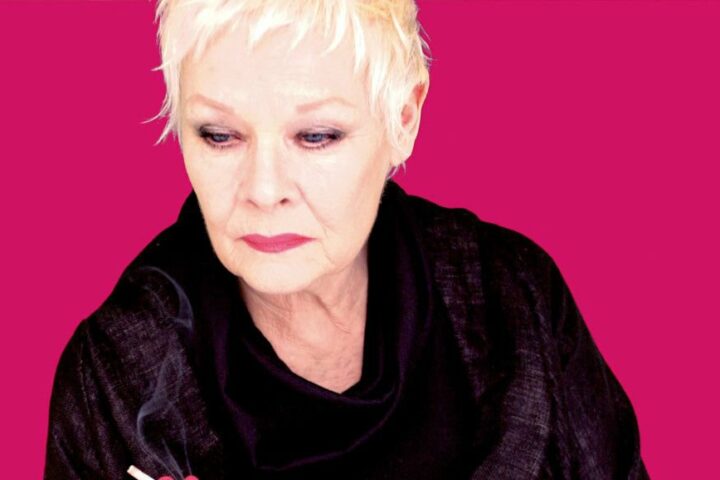
Writer-director Sally Potter seems curiously entertained by the most pedestrian performances.
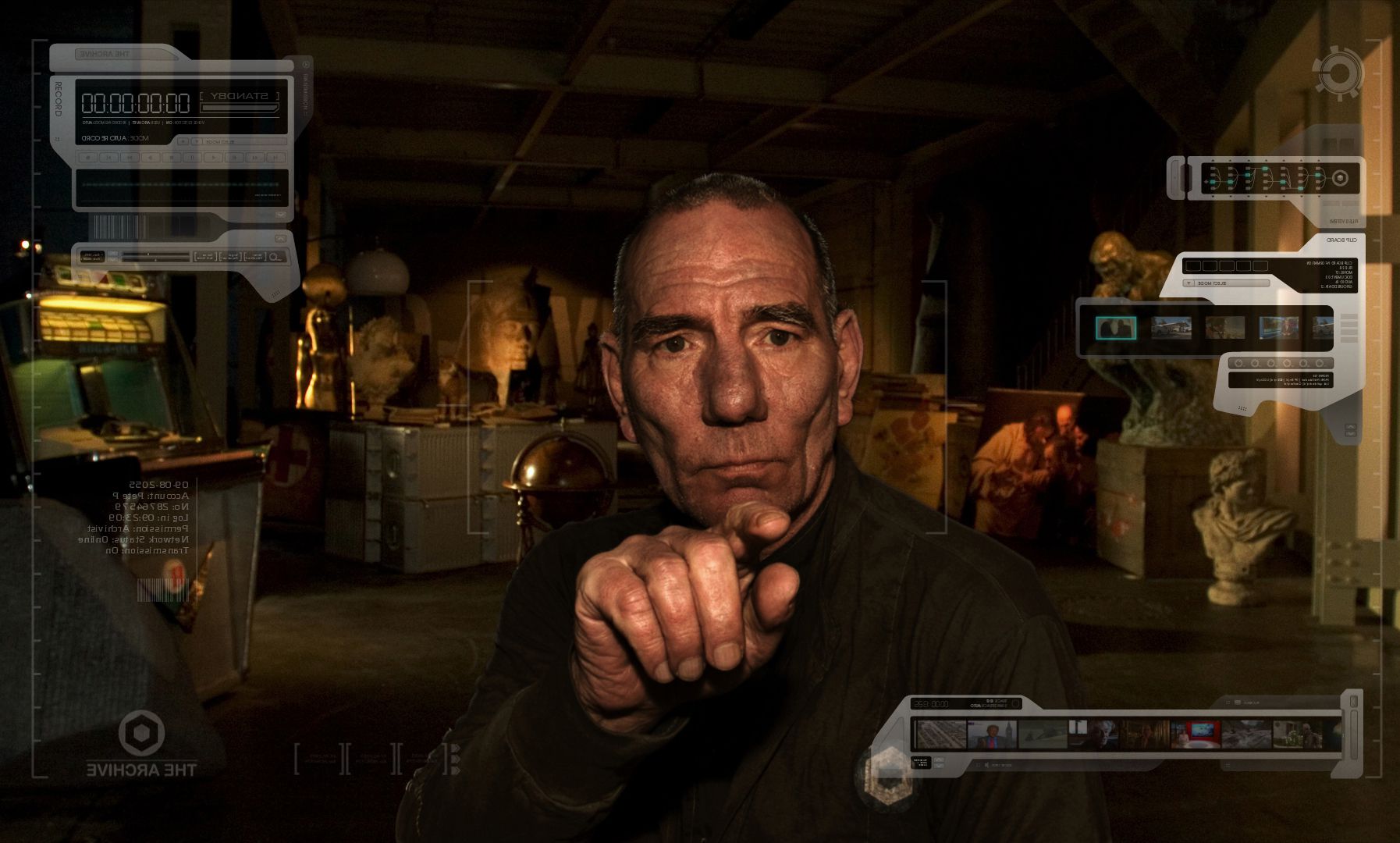
Franny Armstrong’s outsized ambitions threaten to dissipate some of the movie’s force.

Antichrist only becomes interesting, albeit briefly, as an act of confession.
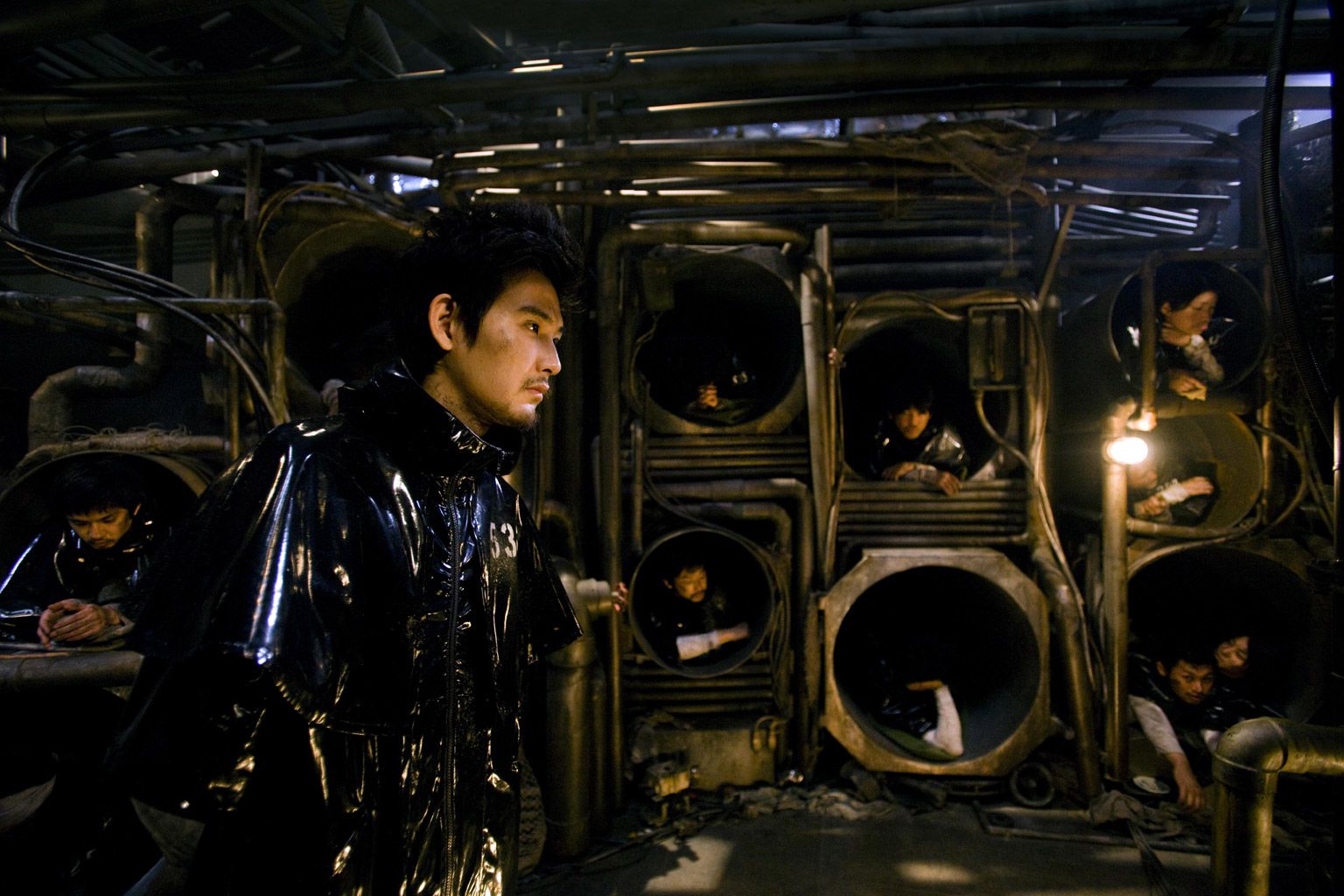
Suggesting a half-cocked adaptation of Metropolis by Stephen Chow, the film becomes notable only for not going far enough.

Man, animal, and earth, all shadowed by the big sky’s enormous clouds, are here intertwined in a cyclic ritual.
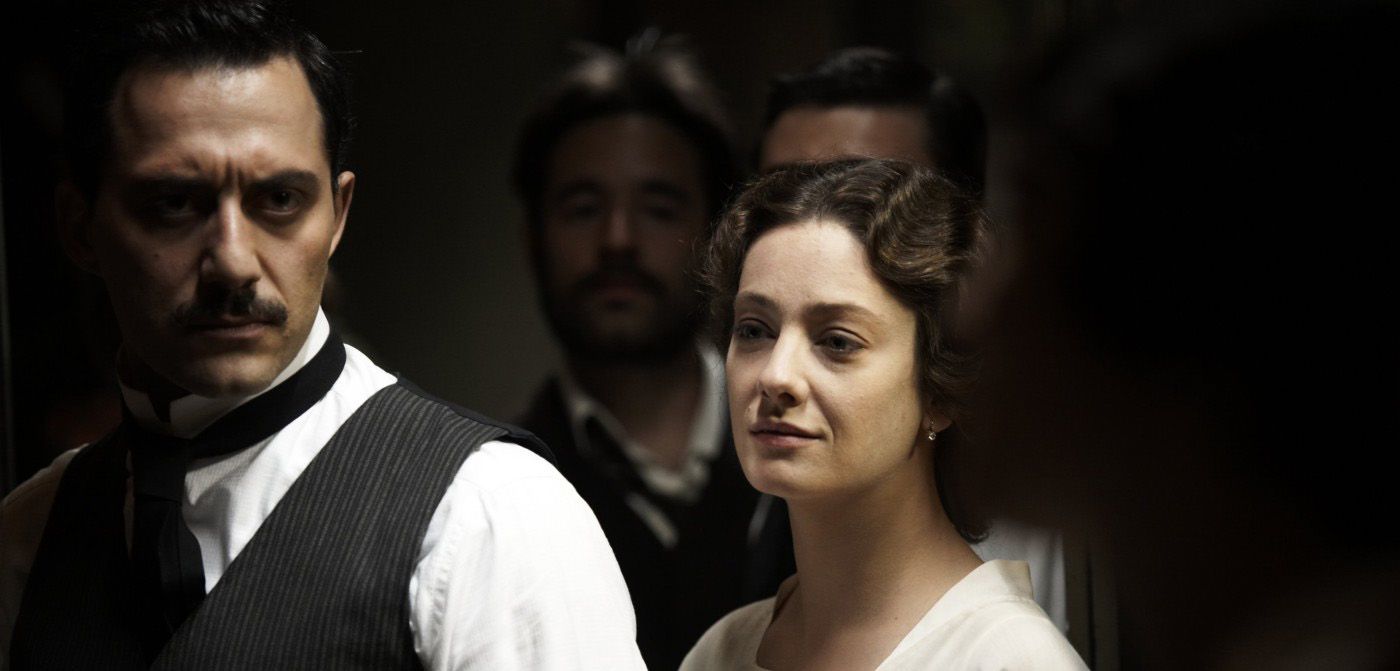
The film is both an act of historical remembrance and an interrogation into the methods of history’s representation.

Alain Resnais’s Wild Grass is cute stuff—maybe too cute.

For all its flights of cinematic fantasy, the dominant note struck by A Room and a Half is a melancholy borne of separation.
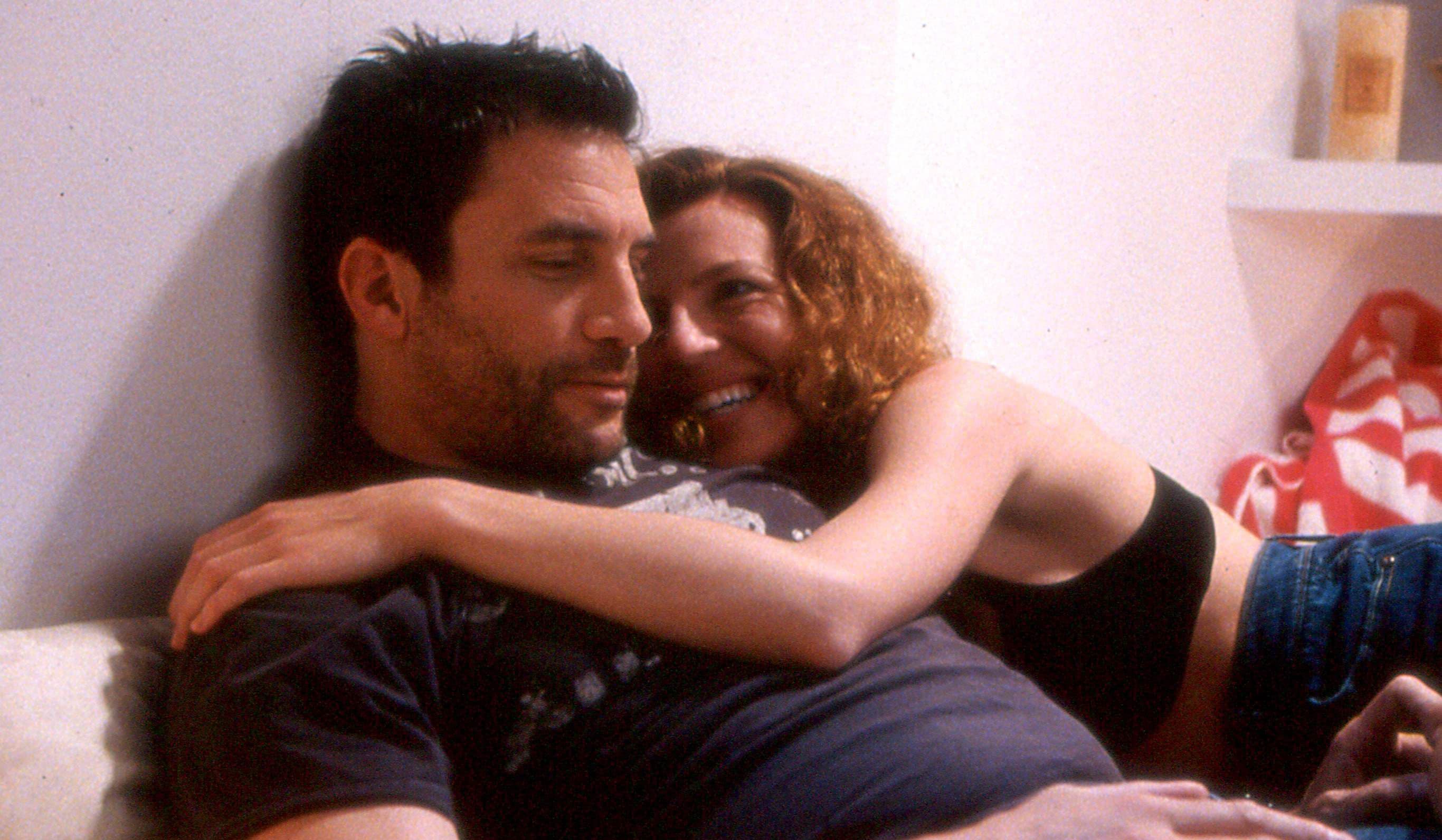
Henry Jaglom’s father obsession ultimately threatens to sink his project into something approaching self-parody.
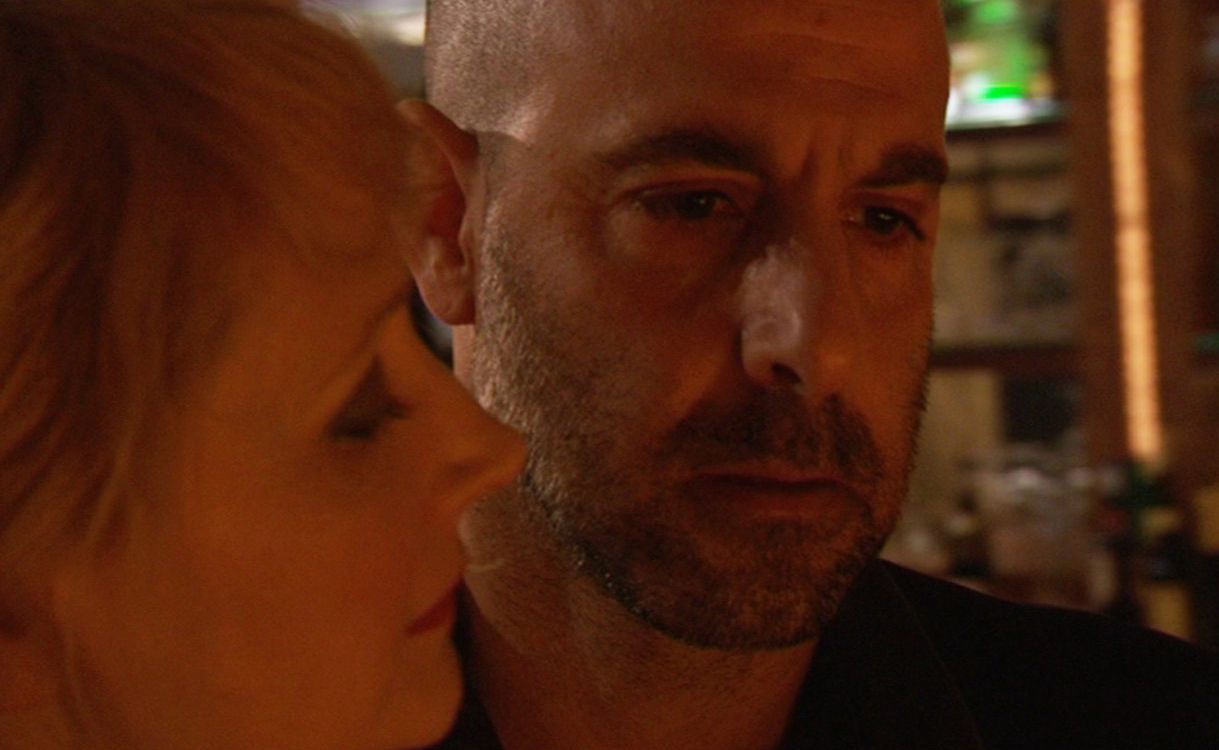
Though he handily gets by on screen thanks to his effortless charm, Stanley Tucci is probably a better director than he is an actor.

It once again brings something like the best—or at least most talked about—Cannes offerings across the pond for their American premiere.

Further memories of murder with Bong Joon-ho.

My Son, My Son, What Have Ye Done works most intriguingly as a curious meeting between simpatico but ultimately incompatible artists.

Brandon Camp tries to transcend the standard rom-com with a character-study bent, but poor execution renders Love a misfire.
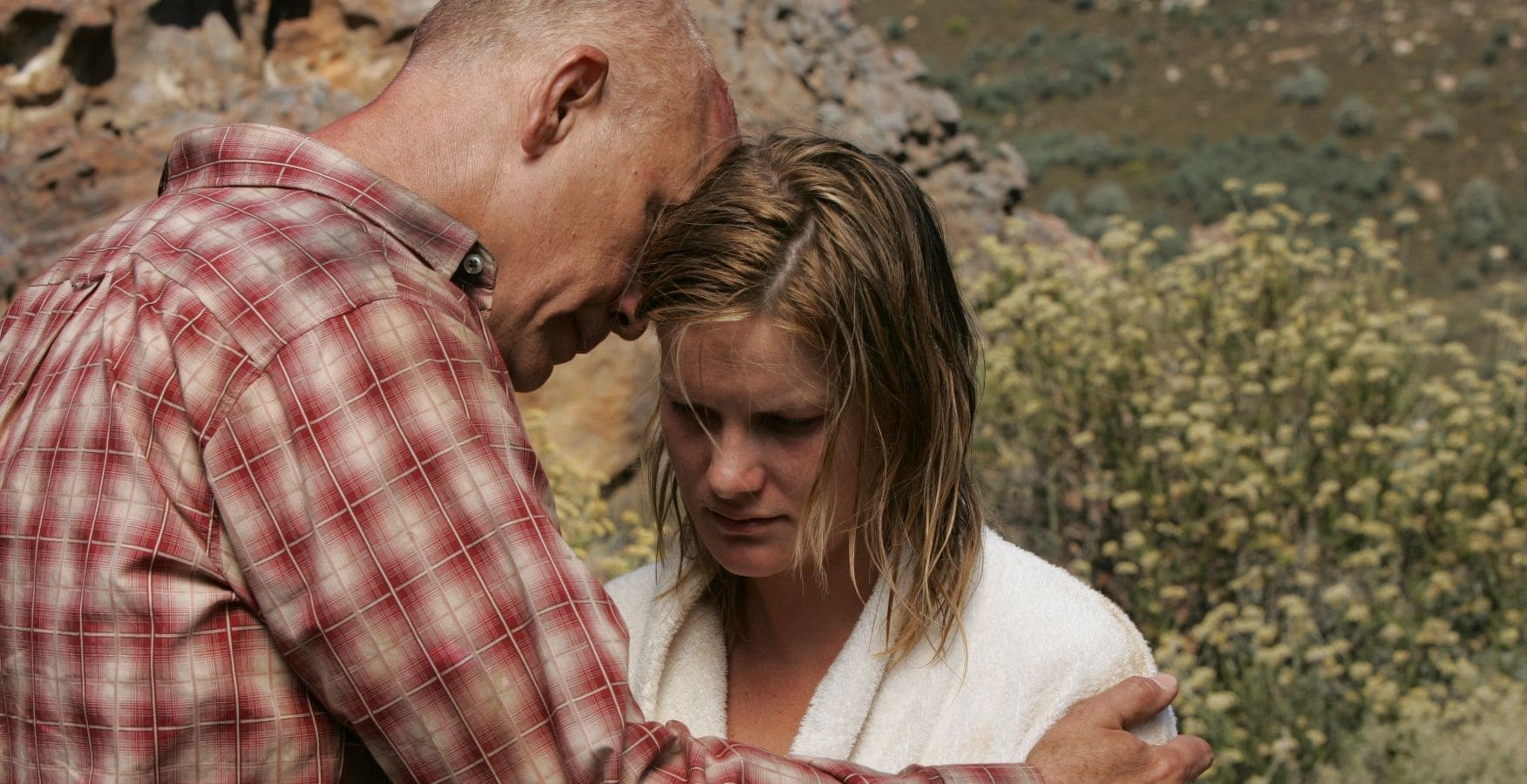
Disgrace is more preoccupied with an ending than a beginning.
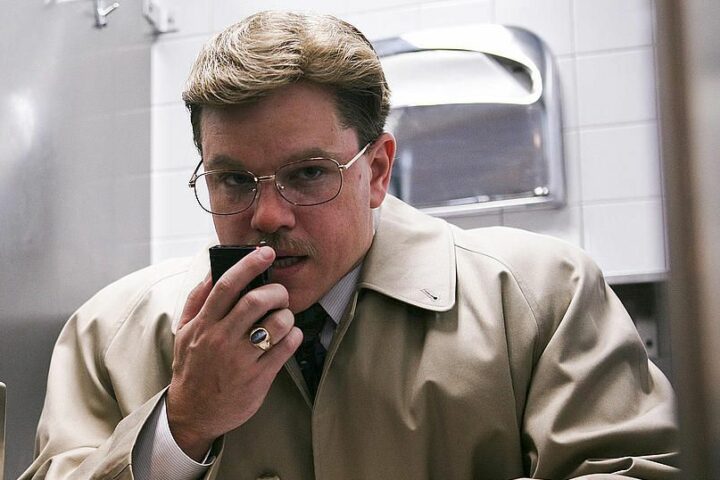
Steven Soderbergh may set out to expose the resonance behind a fabulist’s giggly ruses, but in the end it’s the audience who gets duped.