Refn discusses his love of fairy tales, falling through the rabbit hole of streaming, and more.


Refn discusses his love of fairy tales, falling through the rabbit hole of streaming, and more.

Amelia attempts the yeoman’s task of recounting a tale about which it has virtually nothing to say.
While the West Bank material is new and fresh, the American material is flat and obvious.

Robert Kenner discusses how he hopes his film will make you think twice before taking another bite out of that hamburger.

Wild Grass was the zippy standard bearer for the spirit of “there’s nothing you can’t do.”

Nicolas Winding Refn’s washed-out tableaux are a noteworthy example of form meeting function.

Fixing the world won’t happen from easy confrontation via bullhorn, but by sparking the collective public consciousness with substantive alternative ideas.

Gaylen Ross inaccurately assumes that we, today, have the imaginative tools required to make sense of all the dumbfounding decisions made during the Holocaust.
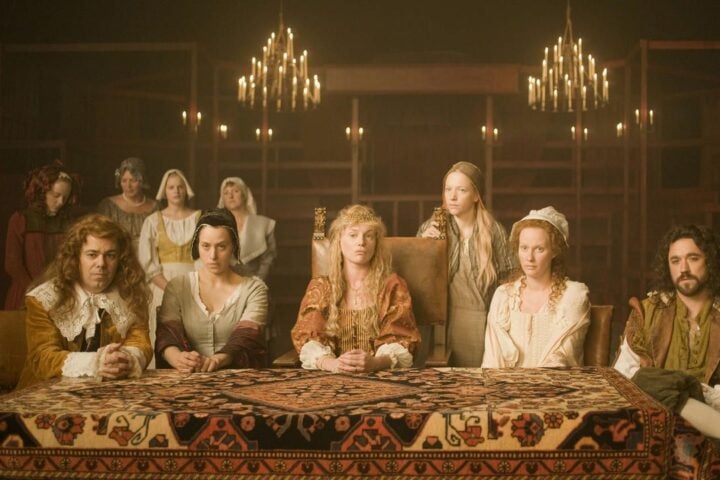
Most viewers are unlikely to share the depth of Peter Greenaway’s art-geek obsession with this purported murder mystery in oils.

Jonathan Parker regurgitates a diluted version of Todd Solondz’s schtick, all condescension and none of the moral probing.
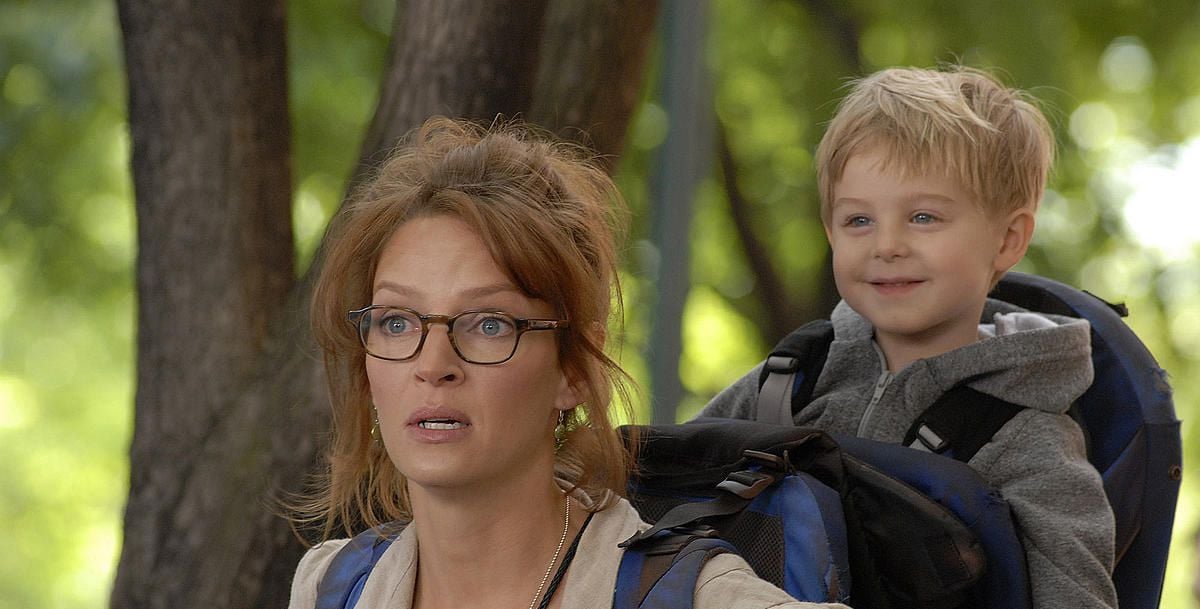
At least Motherhood is sufficiently aware enough of its well-heeled sob story’s privileged scope.
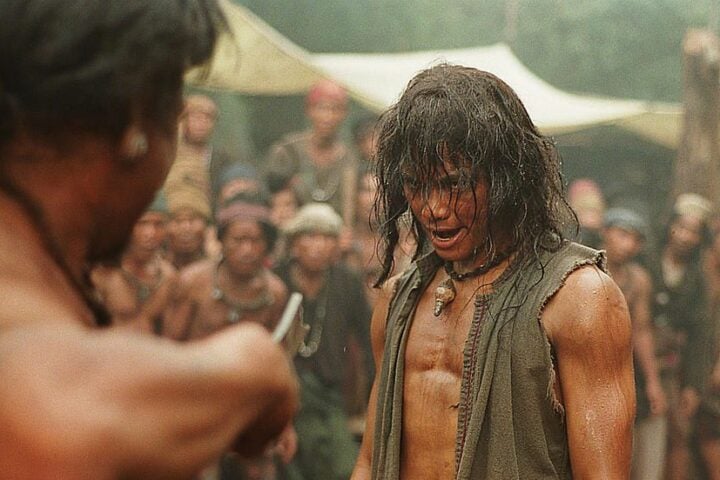
Ong Bak 2 is infused with an urgency and relentlessness that few contemporary action films have.

In The Wedding Song, director Karin Albou shrewdly links national politics with its domestic sexual counterpart.
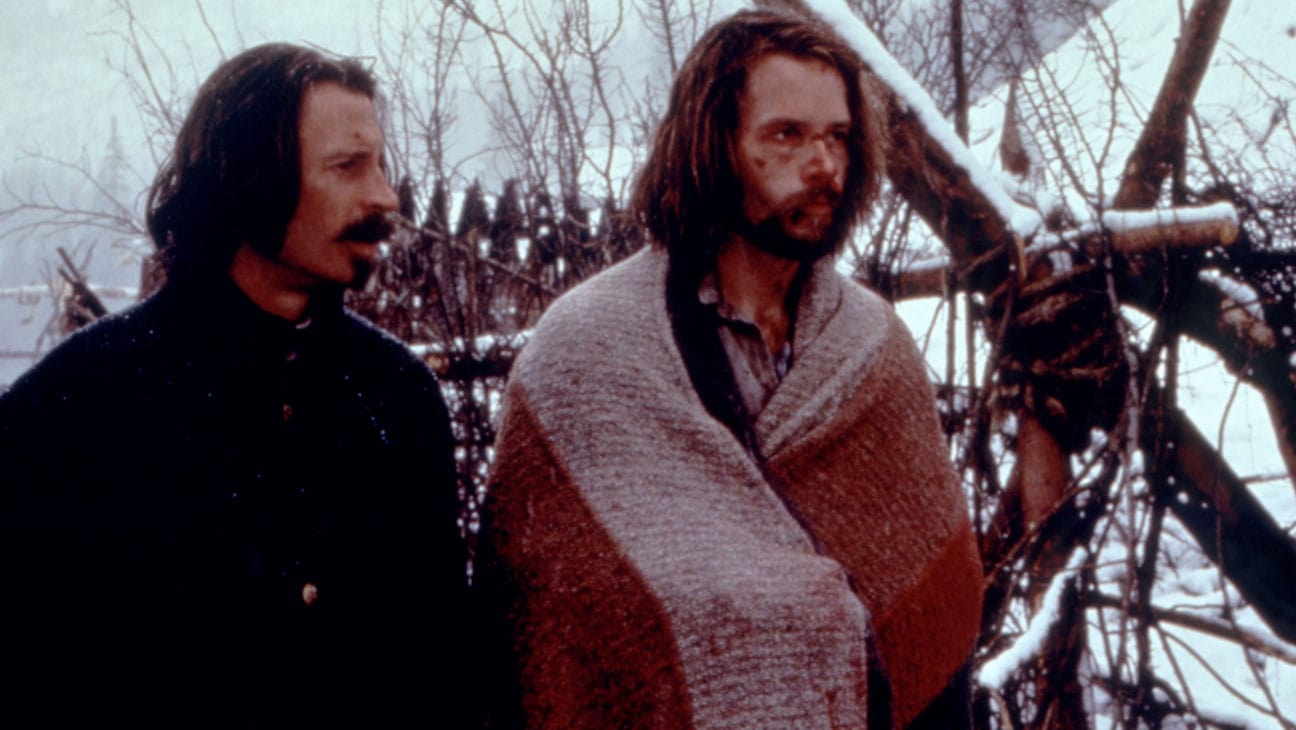
Antonia Bird’s Ravenous is an exciting, new kind of gothic horror film.

The film doesn’t add anything new to the coming-of-age genre, but it wraps you in its earnestness and warmth.
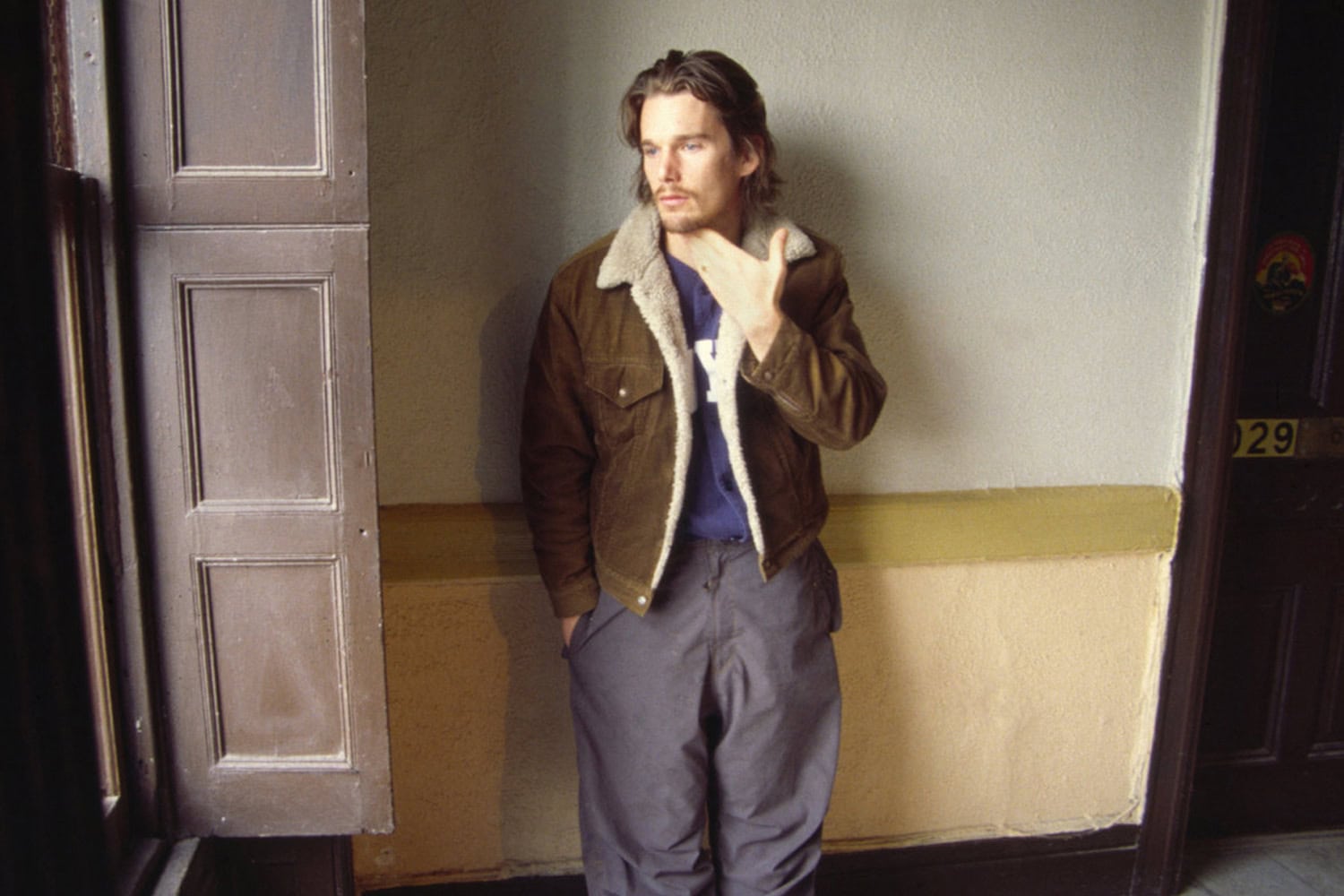
Abel Ferrara’s heart is in the right place, but his mind is somewhere else.

This illogical, campy joke of a film that suffers in comparison to F. Gary Gray’s earlier The Negotiator.
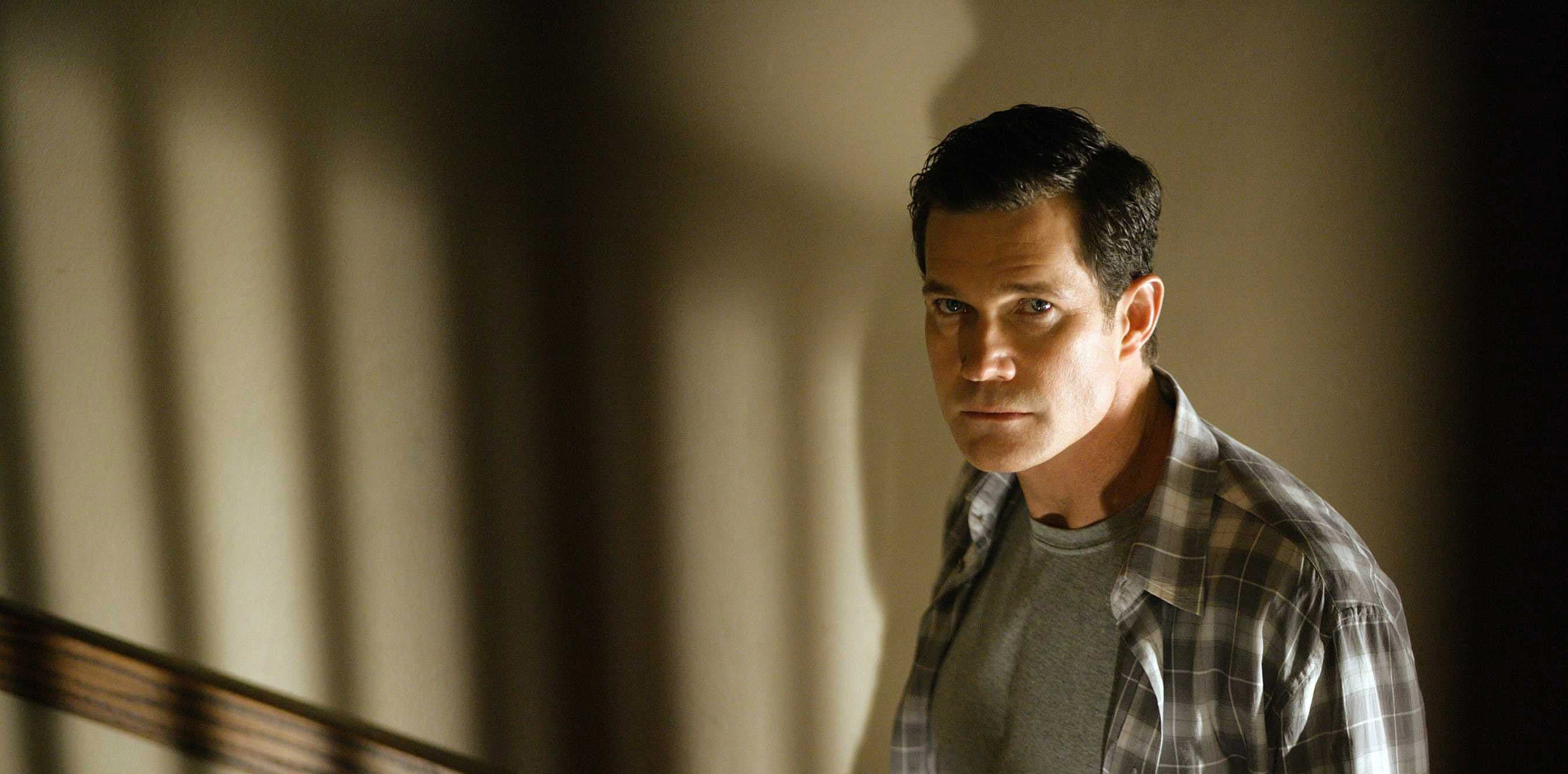
Like its insane papa-via-marriage, Nelson McCormick’s The Stepfather remake is a shabby substitute for its original.

Forgive me if I sound like a dime-store psychoanalyst, but Romero’s begging you to put Barbara on the couch.

In Shōhei Imamura’s fatalistic vision, individual agency is soon dissolved by the forces of history.
Jerry and Jamey worked their butts off on this, and it shows.