Refn discusses his love of fairy tales, falling through the rabbit hole of streaming, and more.
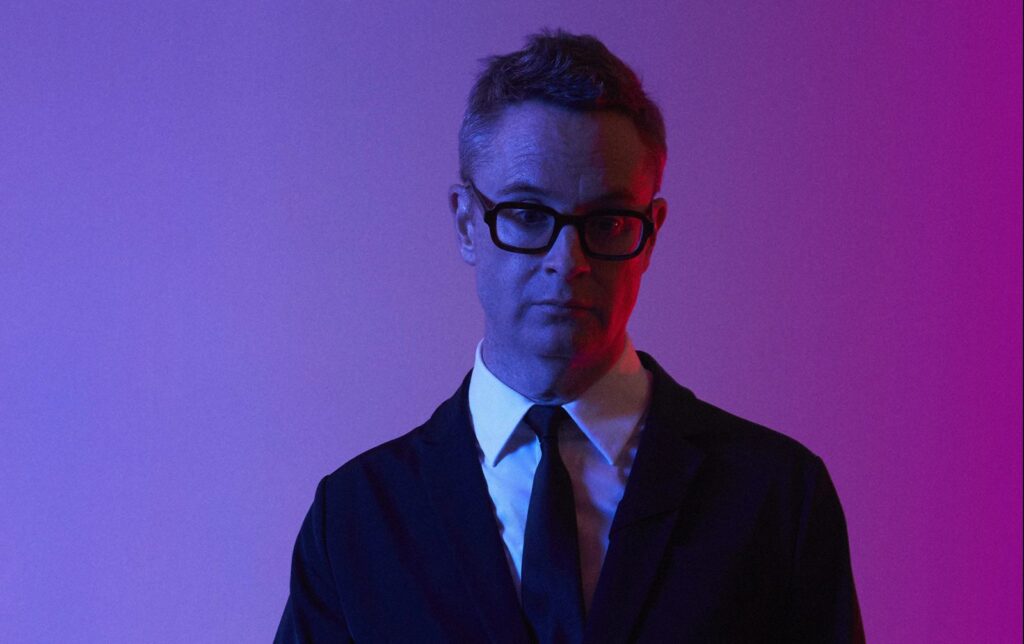

Refn discusses his love of fairy tales, falling through the rabbit hole of streaming, and more.

The primary model for Jared Moshe’s The Ballad of Lefty Brown is a particular strand of postwar western.

Scott Cooper’s film moves at a funereal pace, implicitly celebrating its sluggishness as a mark of integrity.
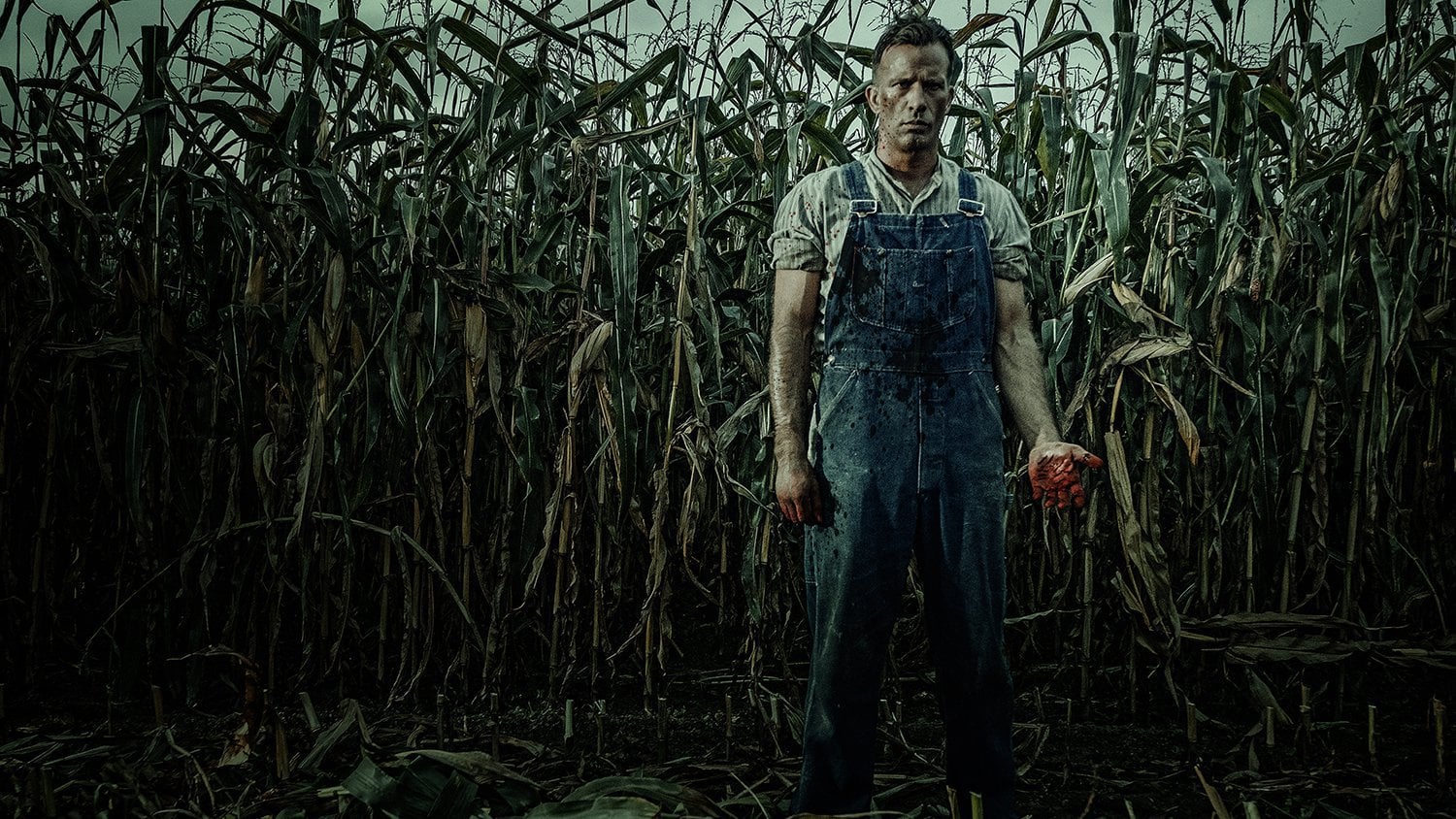
While our political culture grows more repressive and reactionary, horror cinema is growing more diverse.
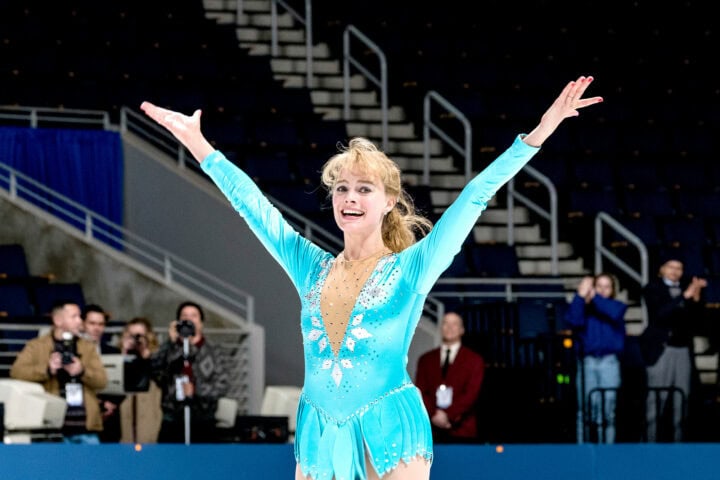
In a Slant exclusive, the makers of I, Tonya discuss the importance music played in the film.

A sense of autobiography invests these performances with a life force that transcends the direct confines of the screen.
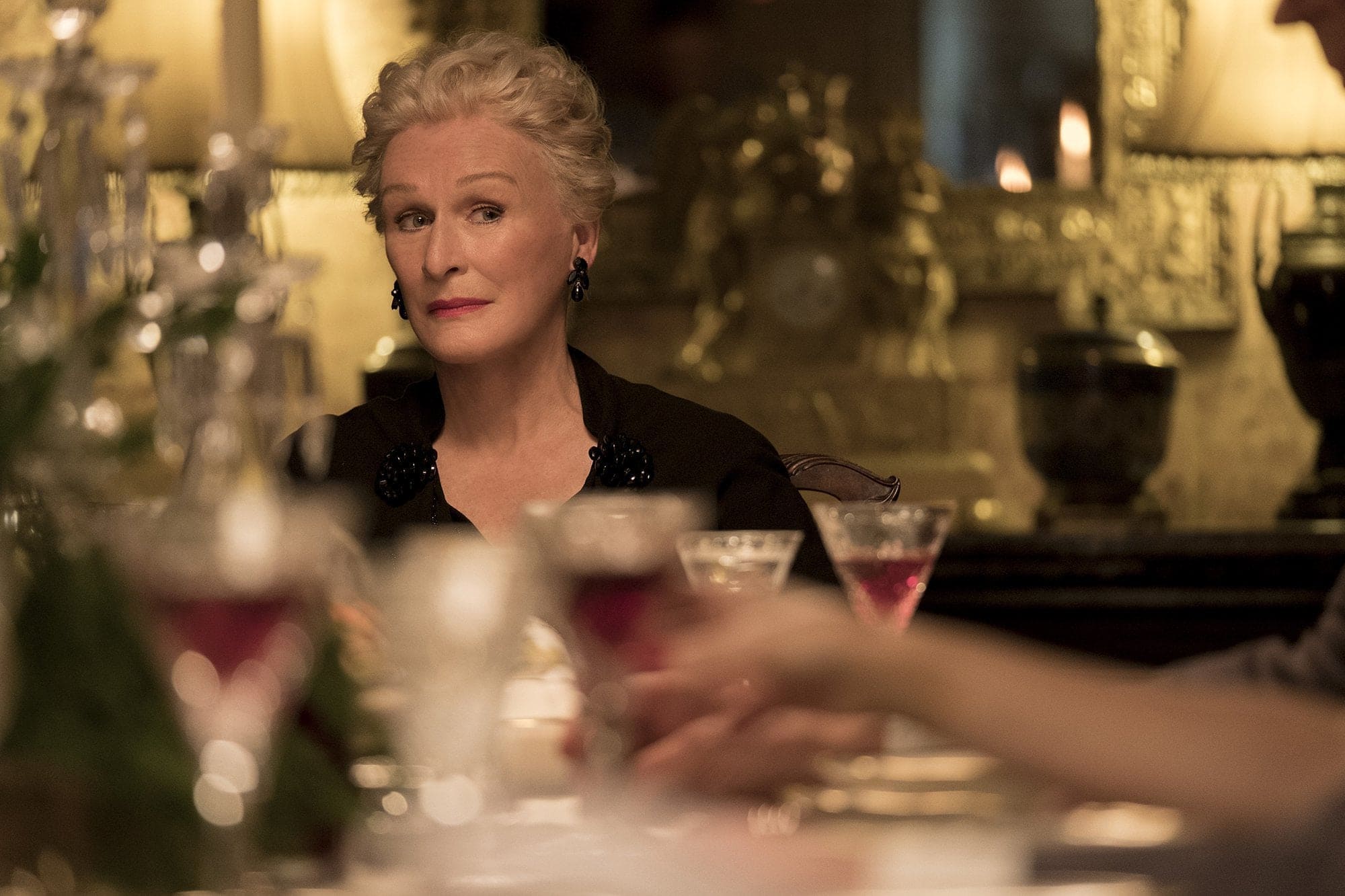
Gilles Paquet-Brenner’s film is ultimately a genre item that operates on alternately prestigious and campy autopilot.
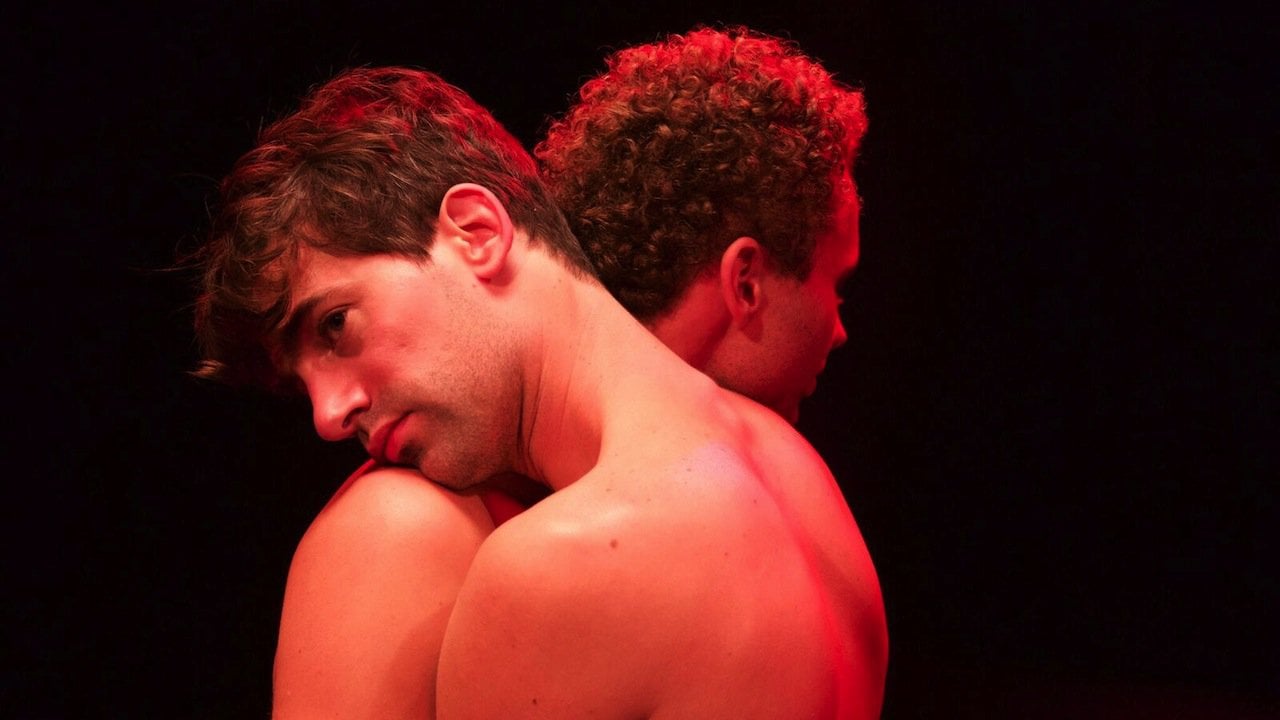
These scenes will be taking up prime real estate within our collective memories for years to come.
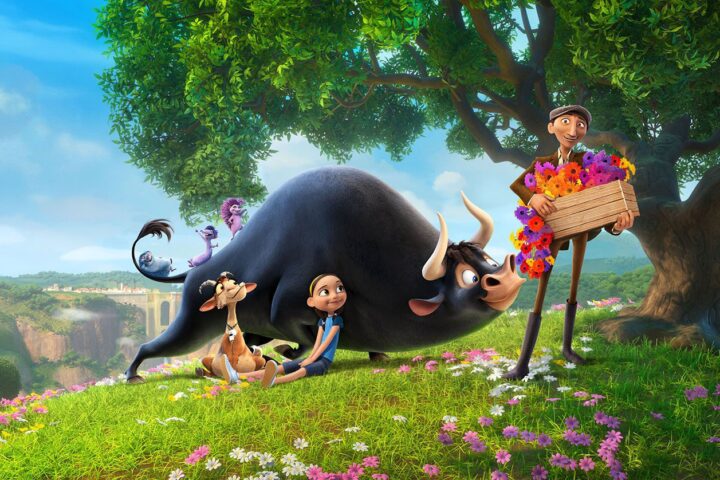
Any potential subtext of Munro Leaf’s children’s book has been bleached out in the marketplace-oriented Ferdinand.
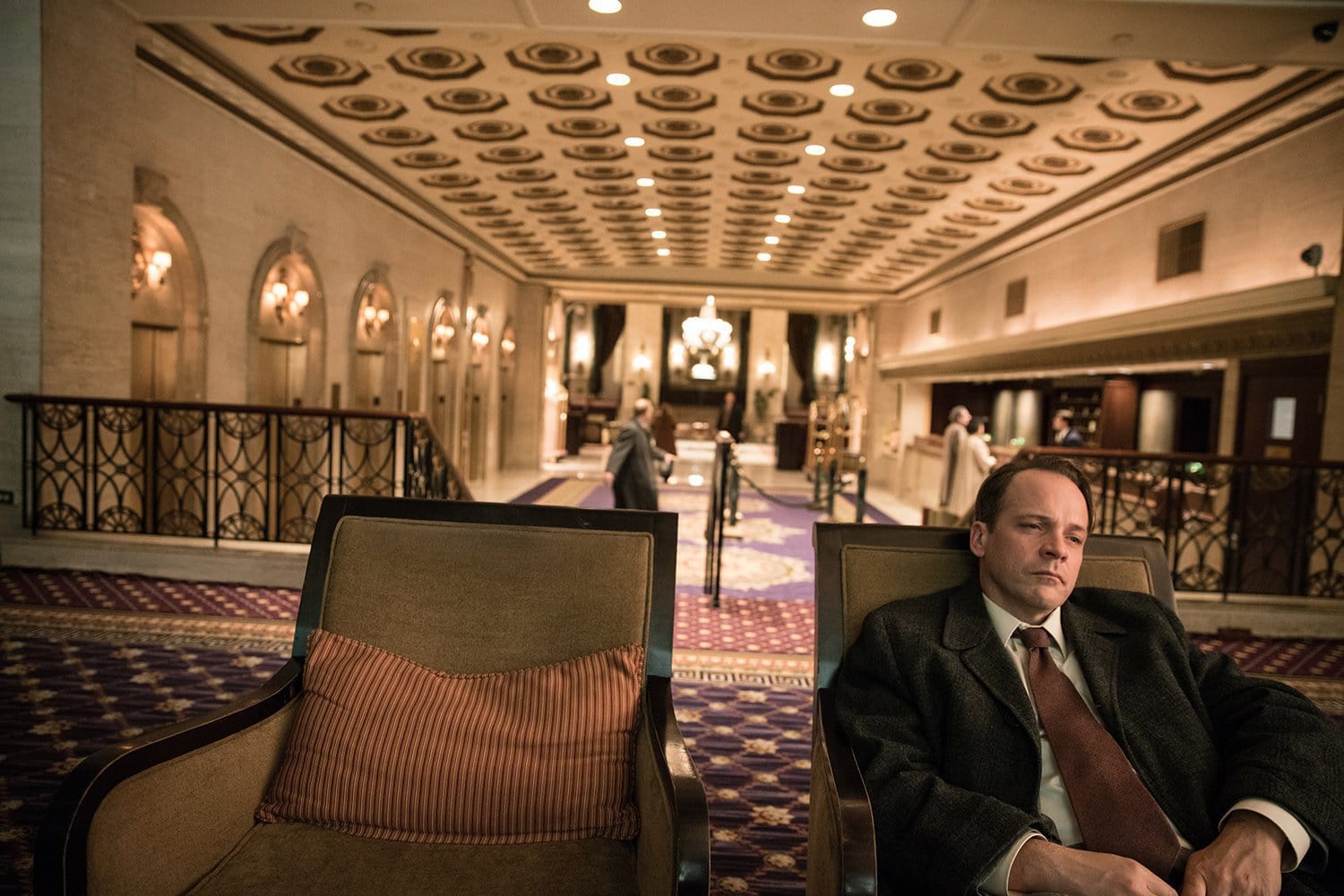
In terms of scale and narrative ingenuity, Wormwood is as staggering as any Errol Morris film before it.

This year offered incredible riches in cinema, as well as lowlights that are both obvious and intensely debatable.
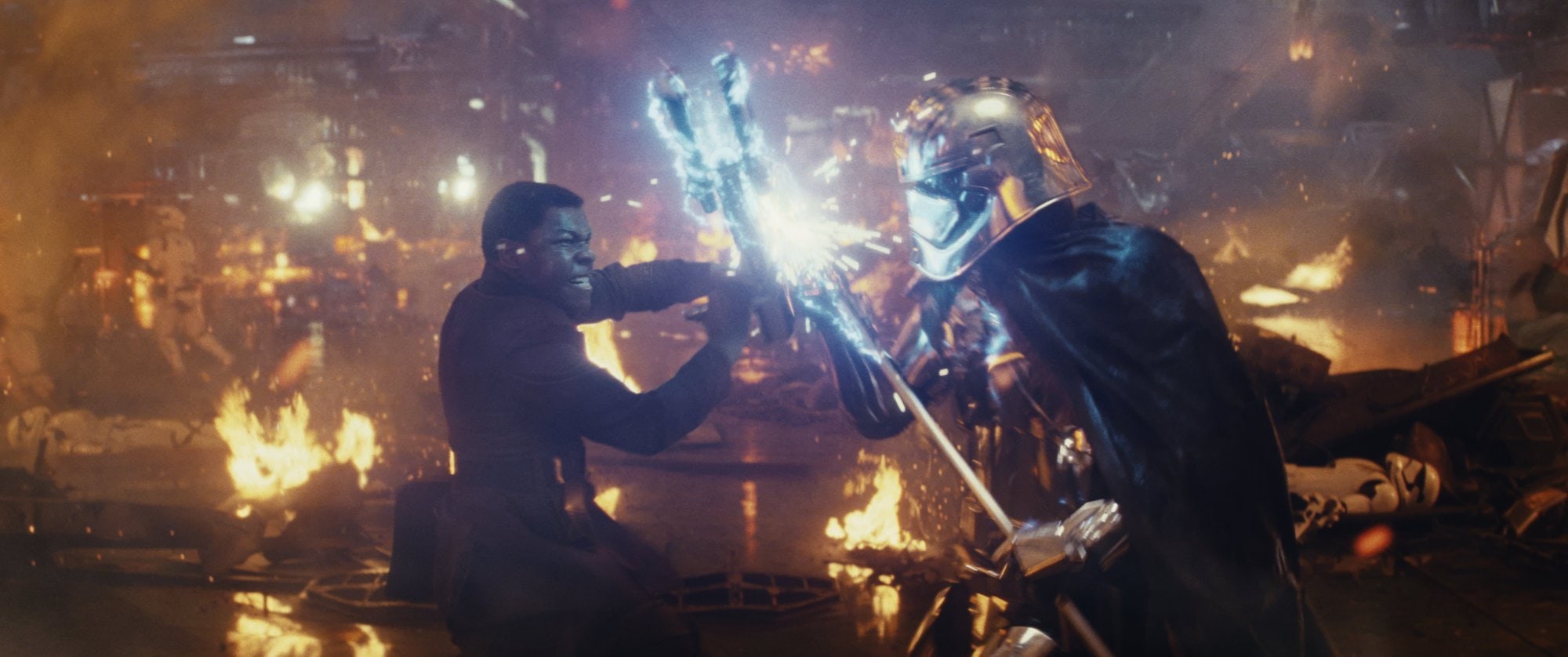
The Last Jedi is largely content to further the themes and narrative strategies of J.J. Abrams’s predecessor.

Childhood in Peter Lataster and Petra Lataster-Czisch’s documentary is the terrain of contradiction and ambiguity.

The film is unable to reconcile a desire to ridicule its own artifice with constant attempts to foster genuine empathy and dramatic tension.
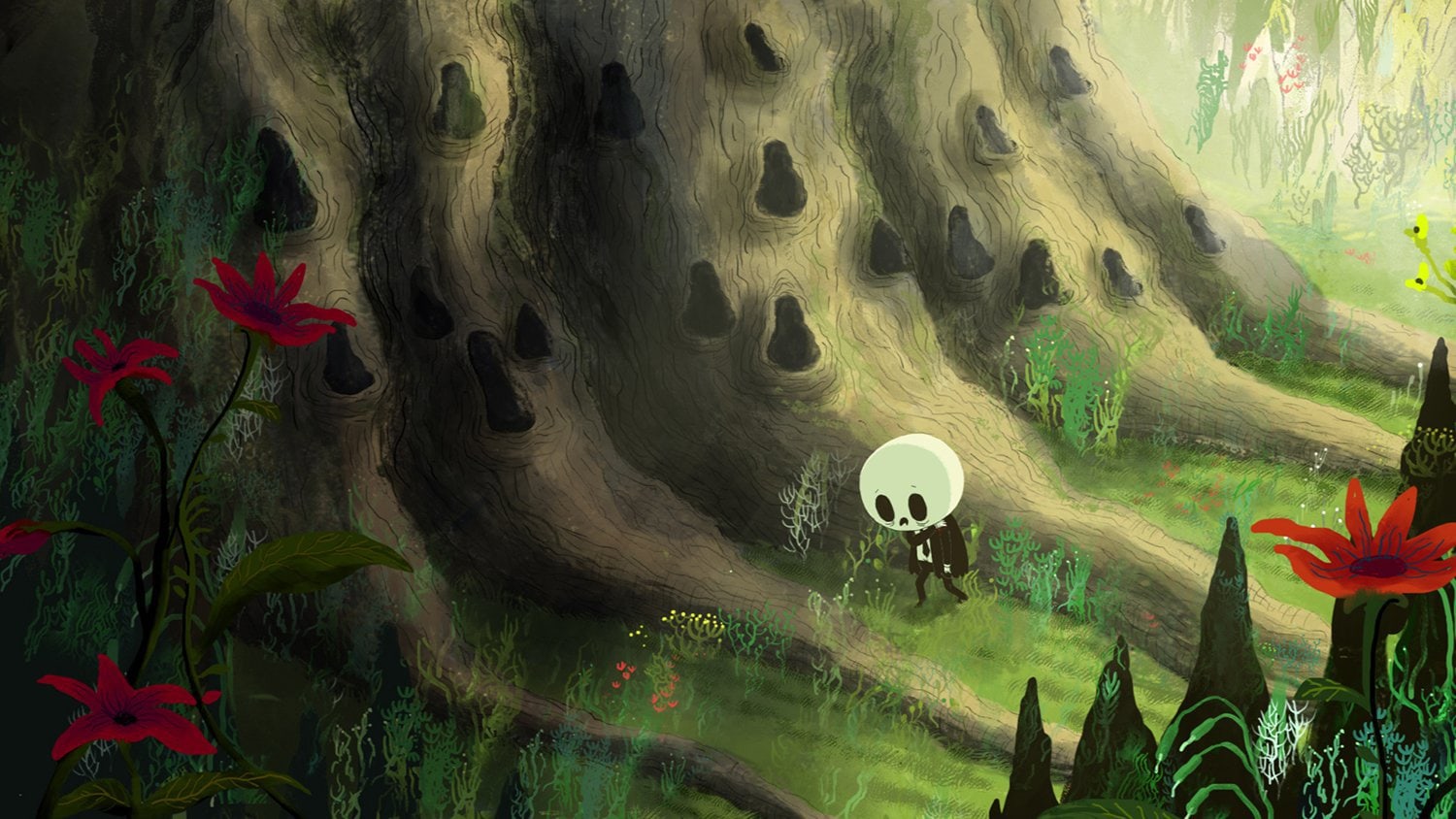
The film is a phantasmagoria of impressionistic horror, at once despairing, beautiful, haunting, and surreal.
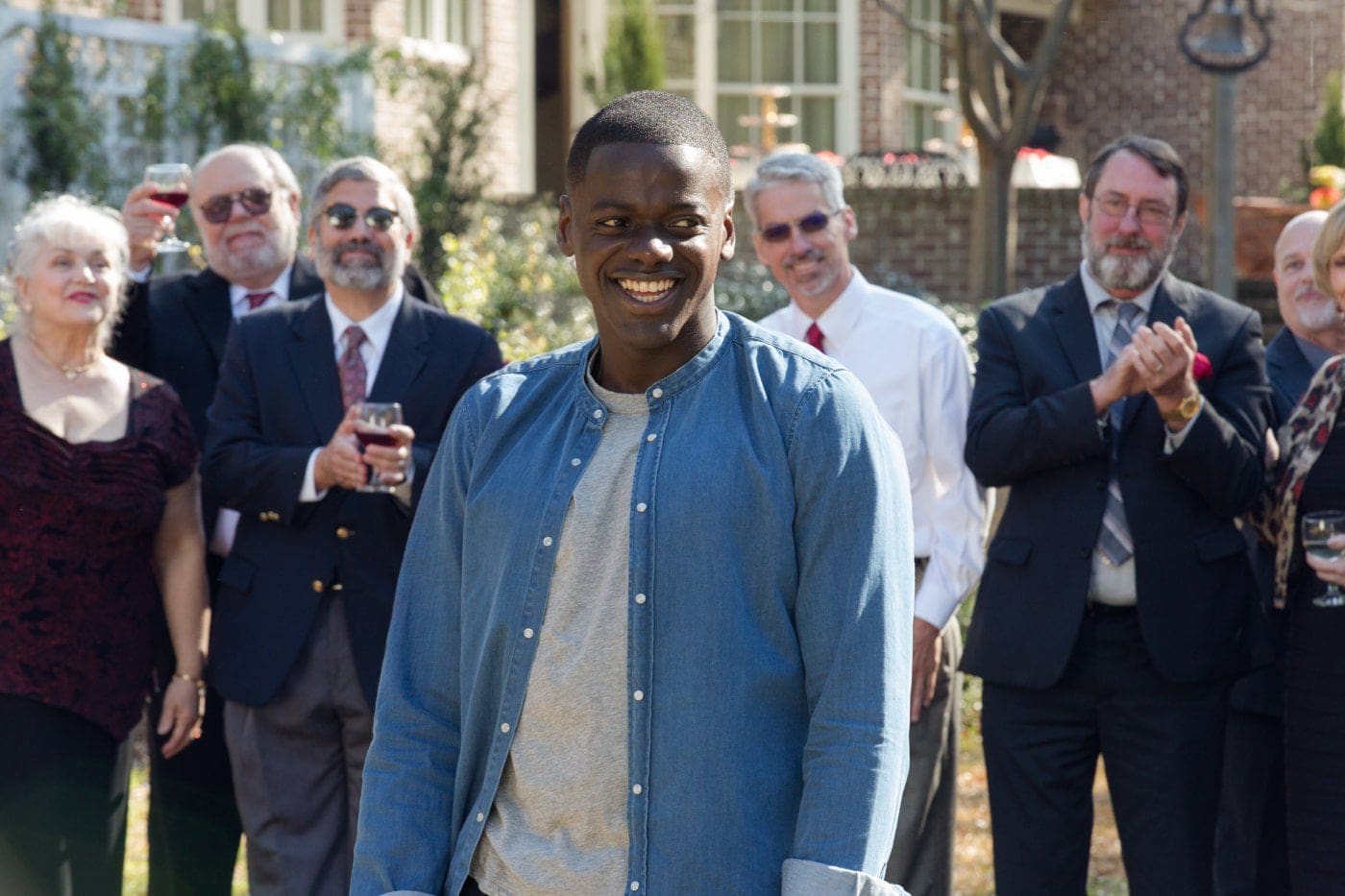
Many of these films dramatize a struggle to connect while elaborating on the realms existing within one’s mind.

See below for a list of the films that just missed making it onto our list of the best films of 2017, followed by our contributors’ individual ballots.
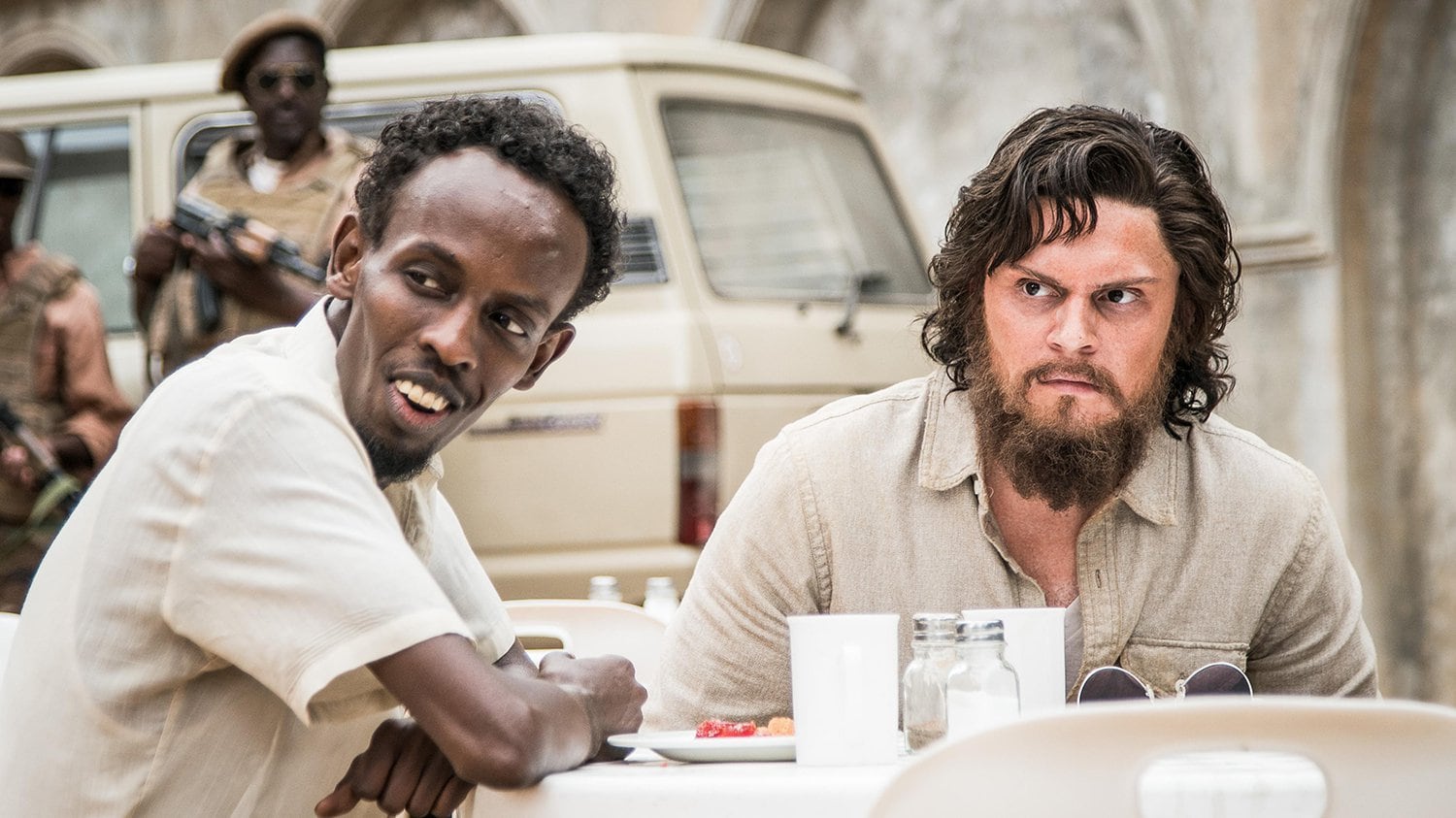
Writer-director Bryan Buckley’s film is ultimately more interested in the journalist than his story.

The film arrives at a place of qualified peace that cauterizes the emotional wounds of Anderson’s cinema.

No American film since Zodiac has exhibited such a love for the way information travels than The Post.

The film advances that old Hollywood trope: Blacks can’t get justice unless whites are willing to get it for them.