In the end, Love Life feels like a pale imitation of one of Fukada’s more grandiose melodramas.



Steven Nguyen Scaife’s writing has appeared in Buzzfeed News, Fanbyte, Polygon, The Awl, Rock Paper Shotgun, EGM, and elsewhere.
In the end, Love Life feels like a pale imitation of one of Fukada’s more grandiose melodramas.

Larry Fessenden’s film is a work of fascinatingly conflicted, far-reaching curiosity.
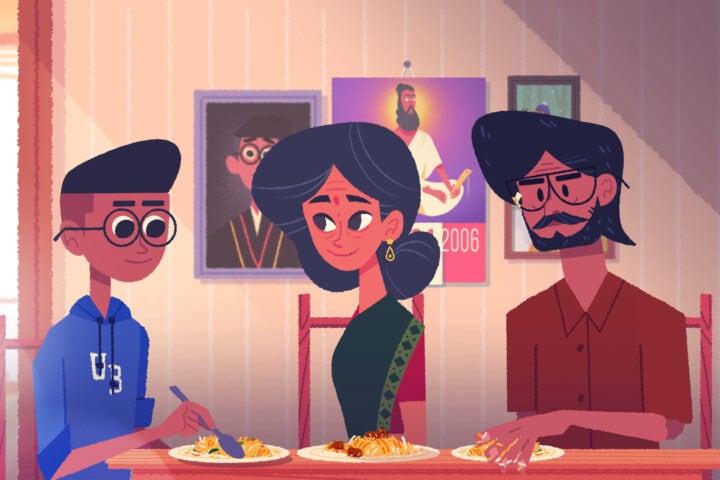
Venba traces the role of food in the life of an Indian family after they immigrate to Canada.

The series manages to make its 10 half-hour episodes feel much longer than they actually are.

Sympathy for the Devil knows what its audience is here for.

Given enough time, the horror genre subsumes all the trappings of childhood.

For developer Haemimont Games, the year 2001 is a statement of purpose.

Despite some improvements that streamline the storytelling, the series is still trying to do a little too much all at once.

The series doesn’t extrapolate on everything it has to say, but it nevertheless remains an intoxicating shot of imagination.
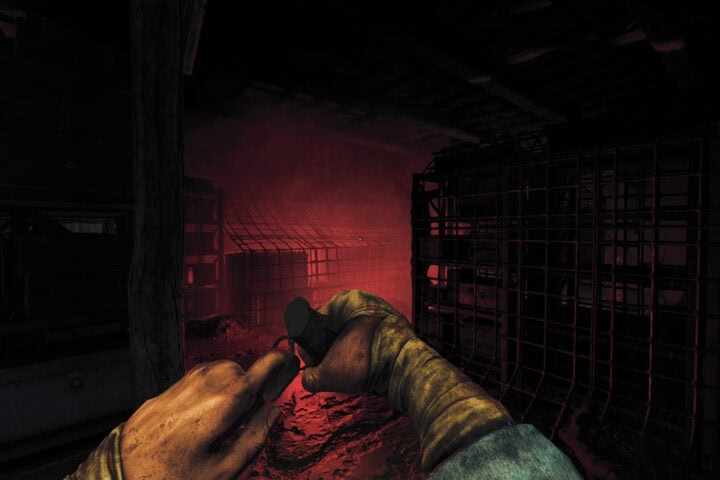
For better and worse, Amnesia: The Bunker is an intense game of resource management.

The film’s supernatural flourishes take a backseat to a conflict of a much more mortal variety.

Thrilling and cheesy in equal measure, the series breezes toward its finish as a particularly well-oiled drama.

Nothing we see here matters because it’s all been made up for puzzle-solving.

For as prevalent as the combat is in this System Shock, it never quite gels.

Redfall features none of the variety to support its bloated length.

The initial narrative groundwork that’s laid out is intriguing, but rumblings of societal discontent receive mere lip service.

Country Gold never loses its grip on the interior lives to its characters.

There’s a riveting story somewhere here about the crumbling of the Soviet Union and the stranglehold of capitalism on ’80s culture, but Tetris never quite locates it.

Storyteller’s breezy style comes at the cost of any real complexity.

Only sporadically does the series explore the absurdity of transposing online interactions to the physical realm.