If the glue holding Crash’s arcs together was Paul Haggis’s belief in the power of racism, this time it’s love.



Steve Macfarlane is a film curator and writer from Seattle, Washington. His writing has appeared in BOMB, Cinema Scope, Hyperallergic, The Brooklyn Rail, and other publications.
If the glue holding Crash’s arcs together was Paul Haggis’s belief in the power of racism, this time it’s love.

Robert Pattinson’s stare is almost thousand-yard enough to make the film’s sense of tragedy feel downright Greek.
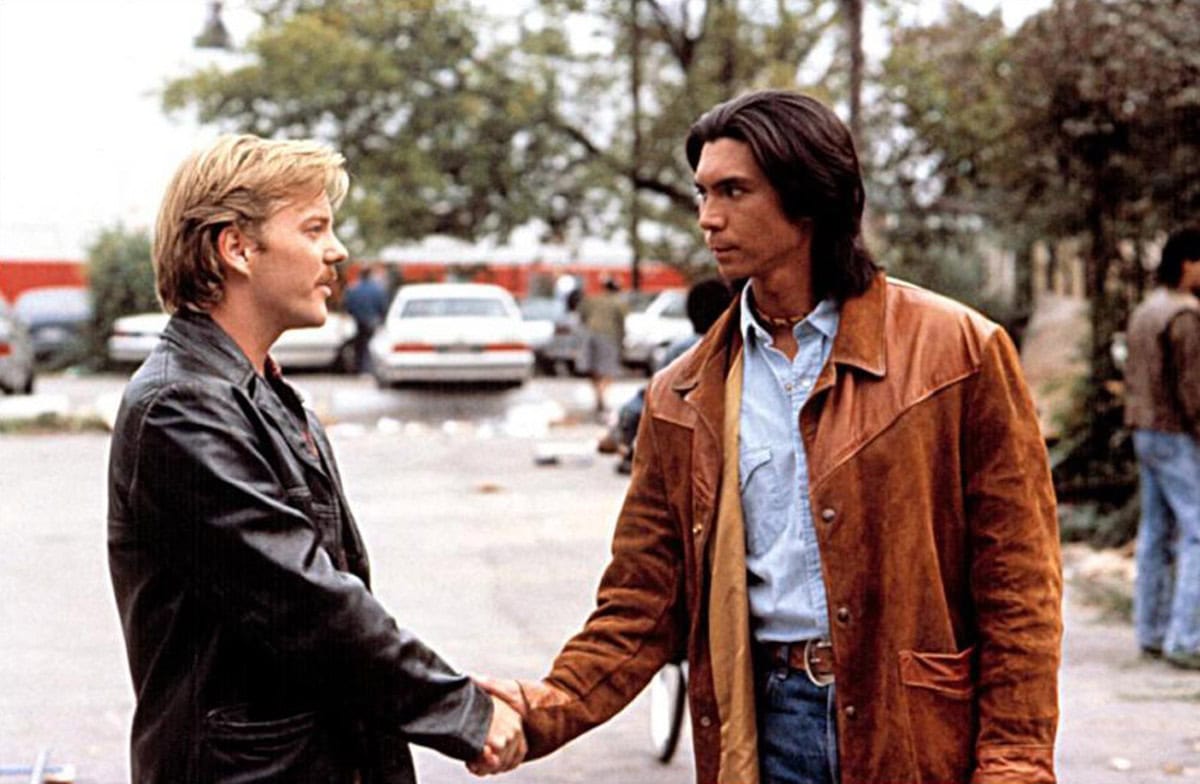
Dusting off cornpone genre titles from the ’80s, there’s always a tacit hope that yesterday’s shit will be today’s shinola.

Throughout, Seth MacFarlane’s whiny point-scoring feels like an explicit appeal for audience sympathy.

The film is too standard-issue in its making to probe beyond the rough outlines of a success story.

What first feels like a neurotic avoidance of Sol LeWitt the man instead becomes a kind of mirage of his life, as though he managed to evaporate into his body of work.

The cruelly obvious third act congeals the film as a wet-eyed monument to the Kevin Costner character’s particular brand of American manliness.

Viewers’ tolerance for Errol Morris’s apparent sheepishness will hinge on their prior appreciation of his investigative acumen.
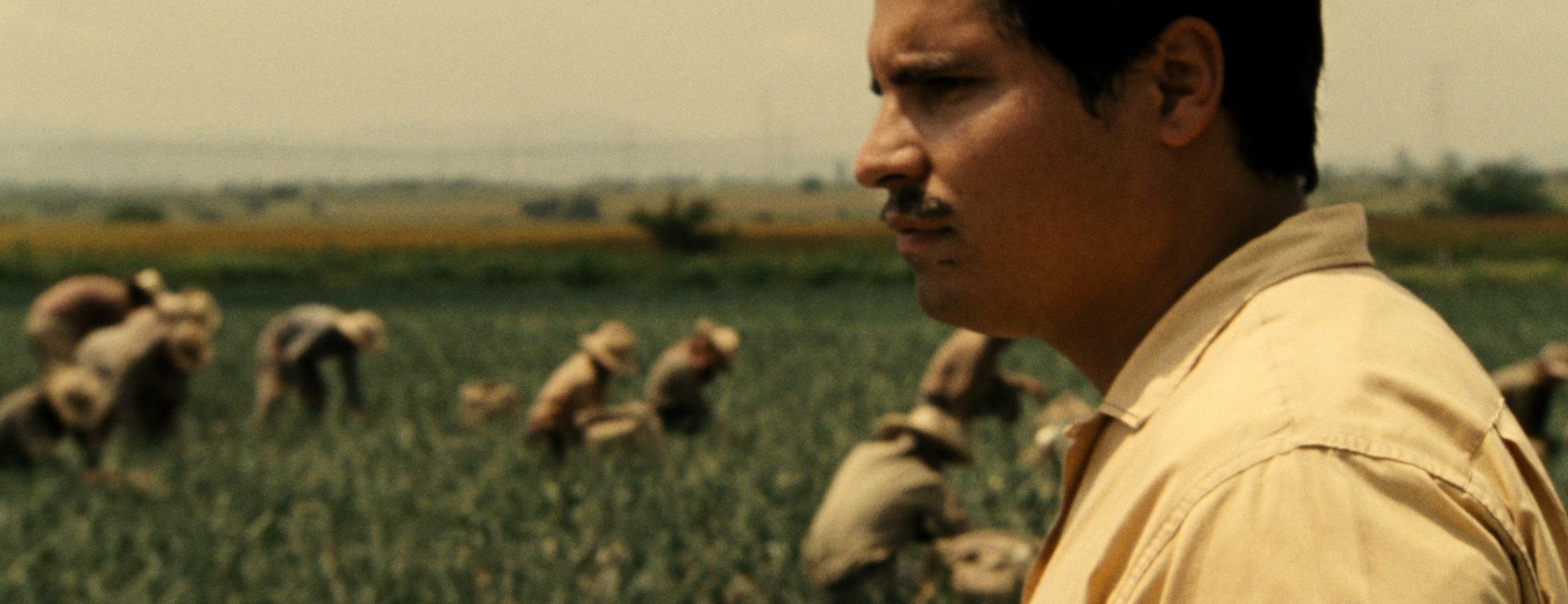
Chavez is marked by an explosive anger kept under a cherubic, sweet-natured mask, providing the surprise lacking in the story’s text.

Lodged somewhere between a dream and a nightmare, Shahram Mokri’s film invites scrutiny by design.

Whatever your foreknowledge of low-budget Brooklyn dramedies, it’s impossible that Gillian Robespierre’s film won’t lob you at least a few curveballs.

The film provides no consolation, because nobody ever has a clue what to do next.

Pat Healy’s depiction of a man willing to corrode his entire life to provide for his wife and kid feels true despite the script’s silliest moments.

The film leaves no doubt of the original’s influence, but to watch it is to sit dumbstruck at the cynicism of Hollywood bean counting.

Kevin Hart turns an essentially crude wingman into the conscience of the film’s torturous, nettled discourse on romance.

Resnais’s film opens on a formally conservative note and proceeds to rip it to shreds.

The film is knowingly sarcastic in its self-awareness without falling back on the gawky meta-squealing of its American rom-com counterparts.

The perverse thrill of seeing less-than-popular considerations of Nazism on screen fades hurriedly to the old ache of seeing any kind of questions about Nazism answered noxiously.

The movie adds up to little more than an interminable bildungsroman, sunk early and often by the desperately miscast Spencer Lofranco.

So wantonly clichéd that to watch it is to explore the outer perimeters of one’s own tolerance for a specific type of feel-good sports film.