The film exudes a bizarre confidence in not trying to encapsulate Jimi Hendrix’s whole life in 120 minutes.



Steve Macfarlane’s writing has appeared in BOMB, Cinema Scope, Hyperallergic, The Brooklyn Rail, and other publications.
The film exudes a bizarre confidence in not trying to encapsulate Jimi Hendrix’s whole life in 120 minutes.

Cinema is a vernacular of domination, and quaking with revelations both formal and personal, the film attests that Godard has spent his career apologizing for it.

Director Steven Soderbergh’s handling of the meningitis case is both technically and dramatically virtuoso.
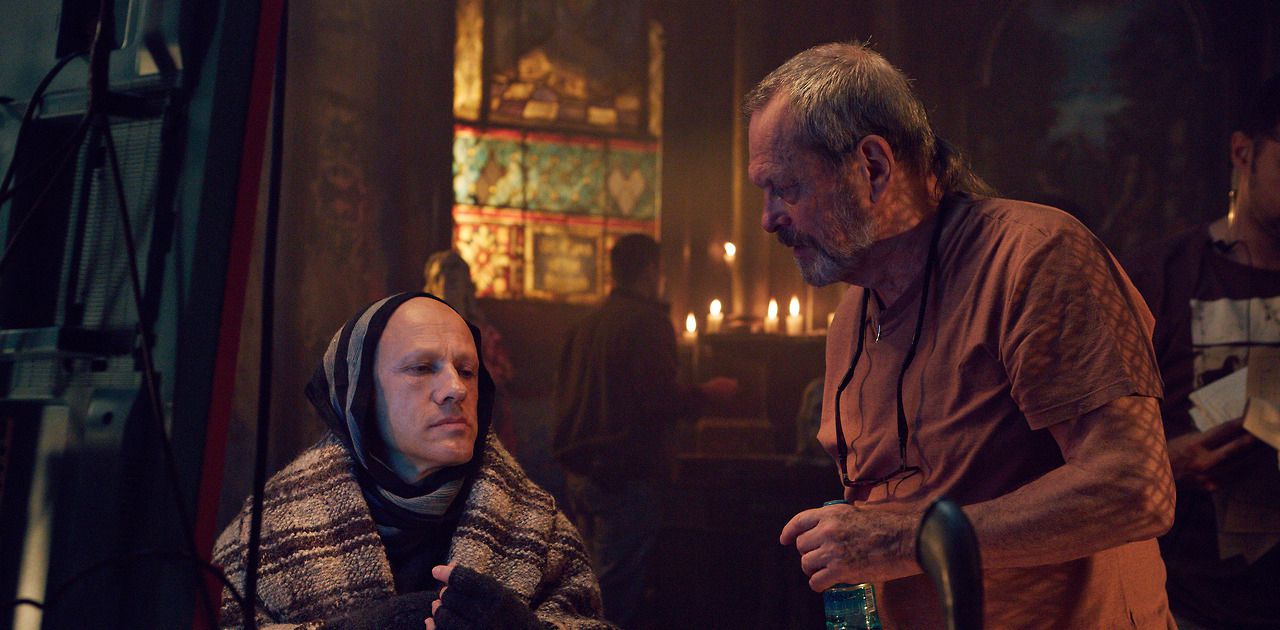
Prior to The Zero Theorem’s release, the 73-year-old auteur discusses the film’s many meanings and anti-meanings.

It culminates in a weepy climax that verifies its status as a proud hunk of propaganda from America’s massive self-help industry.

The Knickerbocker Hospital’s putative mission to help New York City’s neediest gets its most interesting stress test yet in “They Capture the Heat.”
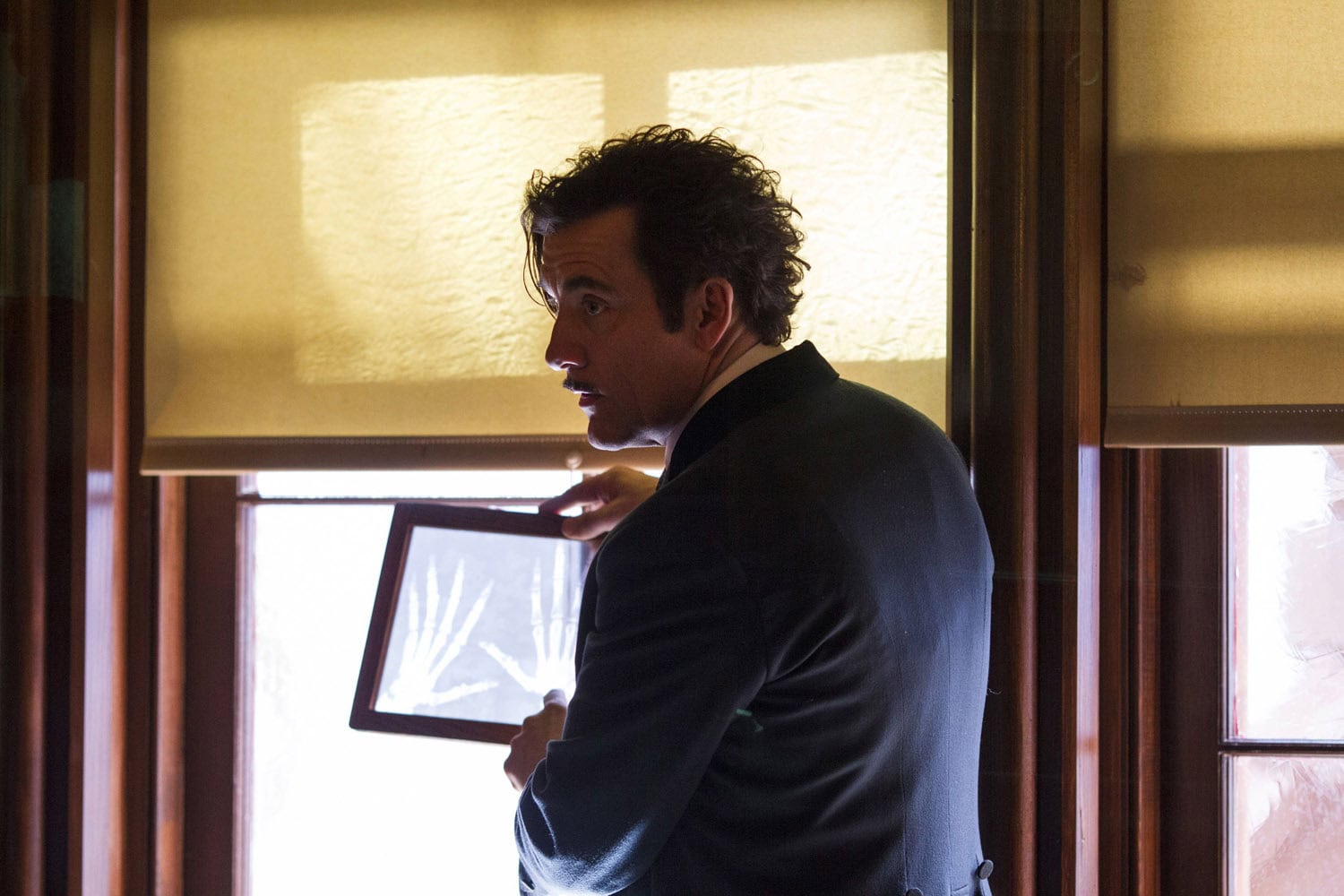
“Where’s the Dignity?” doesn’t lack for drama or tension; it’s just much better stacked than its predecessors.

For unaware Anerican viewers, the doc will be a worthy footnote to a long bout of deliberate cultural amnesia, but it’s too telling that the Vietnamese remain in the background.

Down to its too-crisp rubber Nixon masks, Daniel Schechter’s film revels in obnoxiously self-aware period detail.

The Knick remains one hell of a panoramic contraption, and Clive Owen’s starring turn as Dr. John Thackery is one of the show’s major draws.

The lurking anti-subtlety of The Knick’s pilot picks right back up in “Mr. Paris Shoes.”

The film pictorializes the cruel moment when curiosity encounters tragedy, and the all-too-human abandonment of interest that can follow.
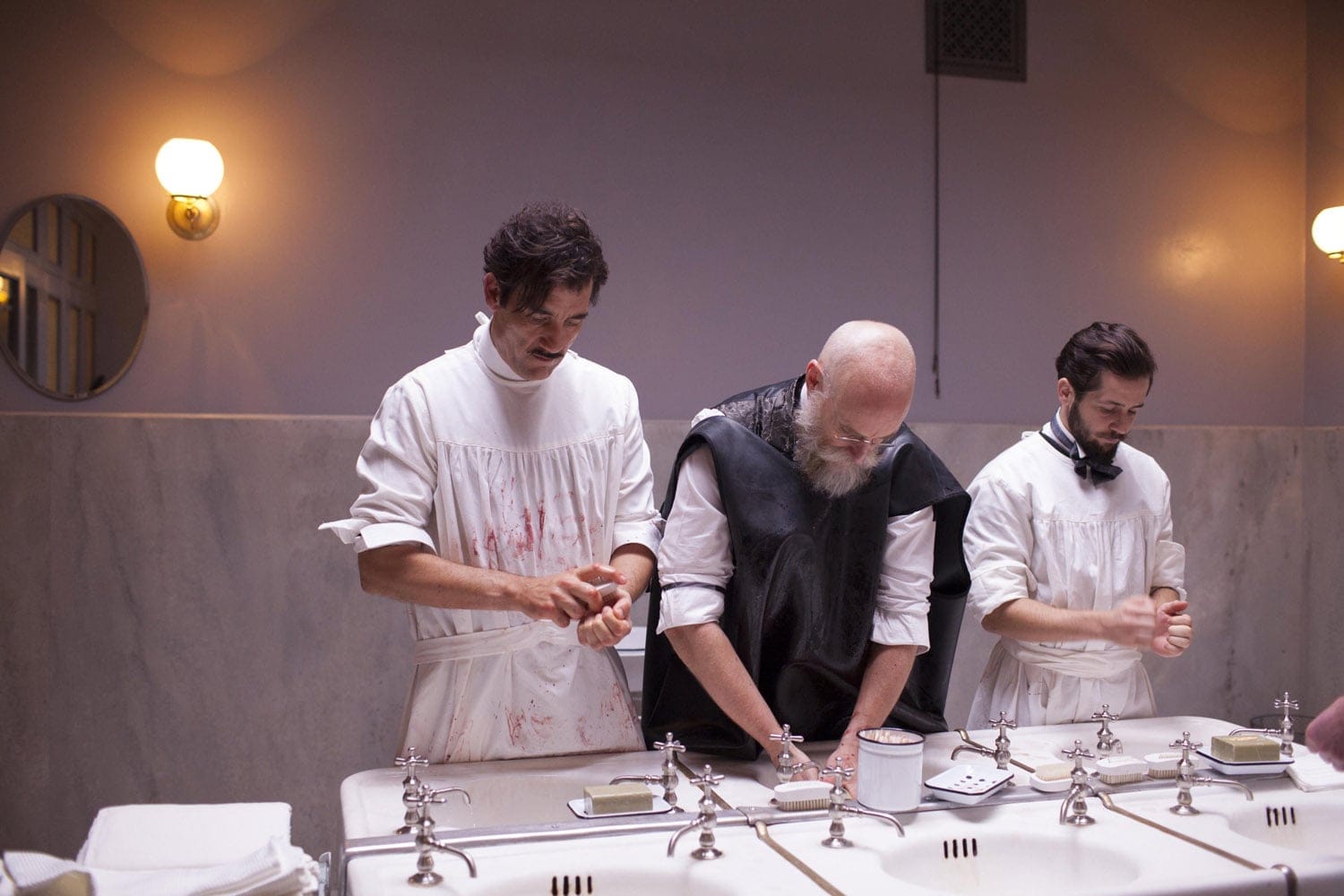
A decidedly 21st-century tension drives The Knick: the murky interstice between recorded and unrecorded history.

Metzger discusses his film catalogue with an unsentimental acuity that betrays his age and a gentlemanly aplomb.

Without a frame of footage nor a single interview presented from outside the camp, the documentary shows a capitalist nightmare that accords its victims zero wiggle room.

The script is perspicacious in making Henrik’s bad choices understandable enough emotionally, but also nudges the audience toward wishing the man would wise up.

Benning and Linklater are totally comfortable being filmed, yet there’s not a whit of affect to their roundabout conversational divergences.

The film is like an episode of Gossip Girl that’s mistaken itself for one of the great satires by Evelyn Waugh.

This is a summer blockbuster contingent on grand bargains, tactical retreats, and a ferocious, inevitable shock-and-awe campaign.

This comedy is best revisited as an unintended rumination on the queasy moral crises of Reaganomics-era America.