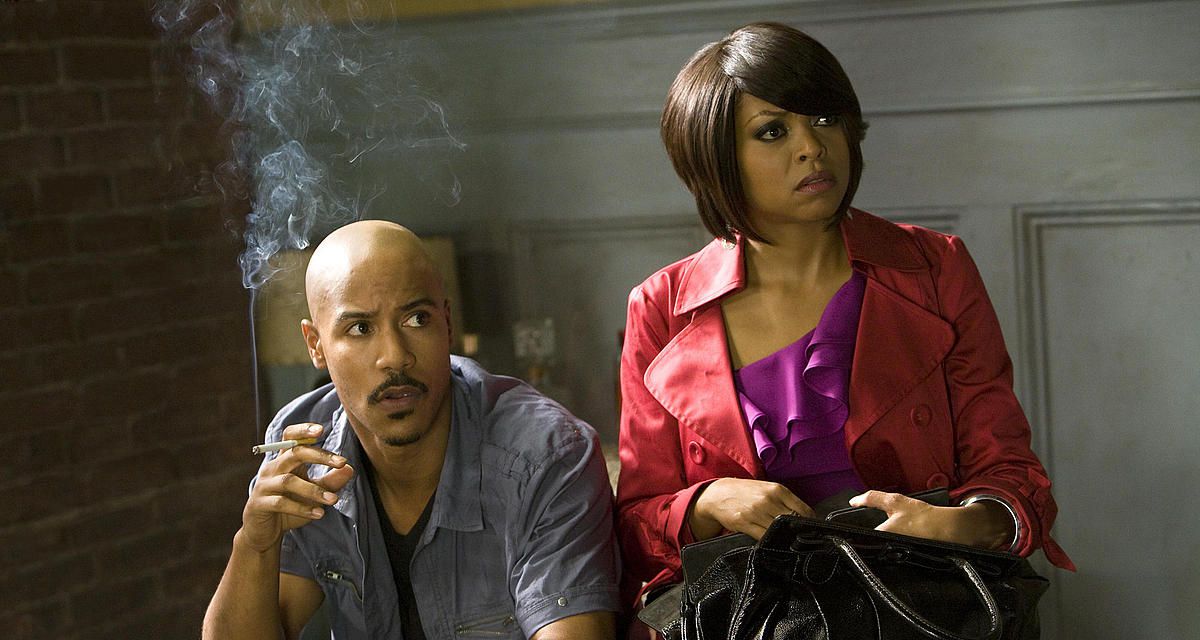
I Can Do Bad All by Myself is as polished and eager to please audiences as it is remarkably inoffensive.


Rob Humanick is the projection manager at the Mahoning Drive-In Theater in Lehighton, Pennsylvania.
I Can Do Bad All by Myself is as polished and eager to please audiences as it is remarkably inoffensive.

Most of the best sequences in the film simply give over to footage of Gogol Bordello’s live performances.

Not unlike Dear Zachary: A Letter to a Son About His Father, personal anguish here proves emotionally cathartic.
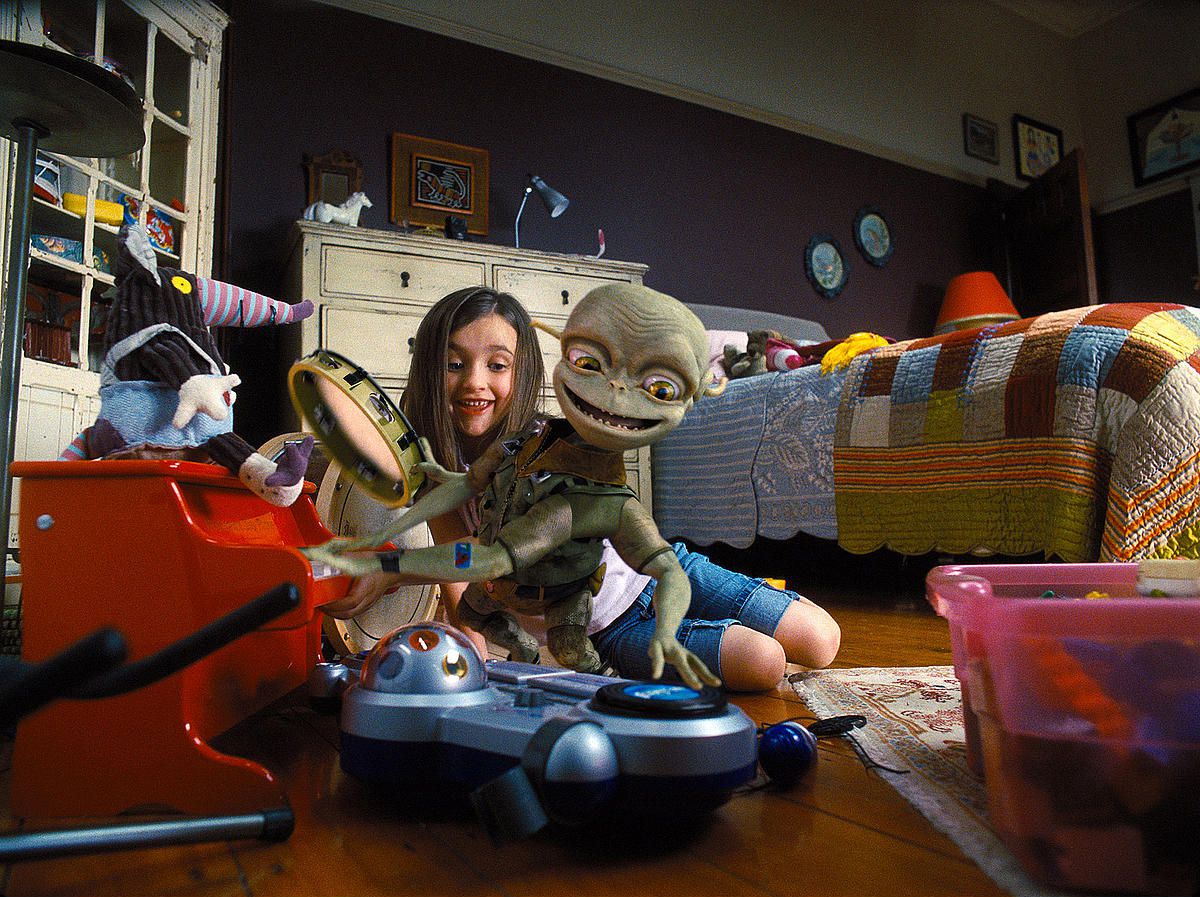
Score a point against imaginative kiddie fare.

Give me Speed Racer instead—hell, even Wicked Stepmother.
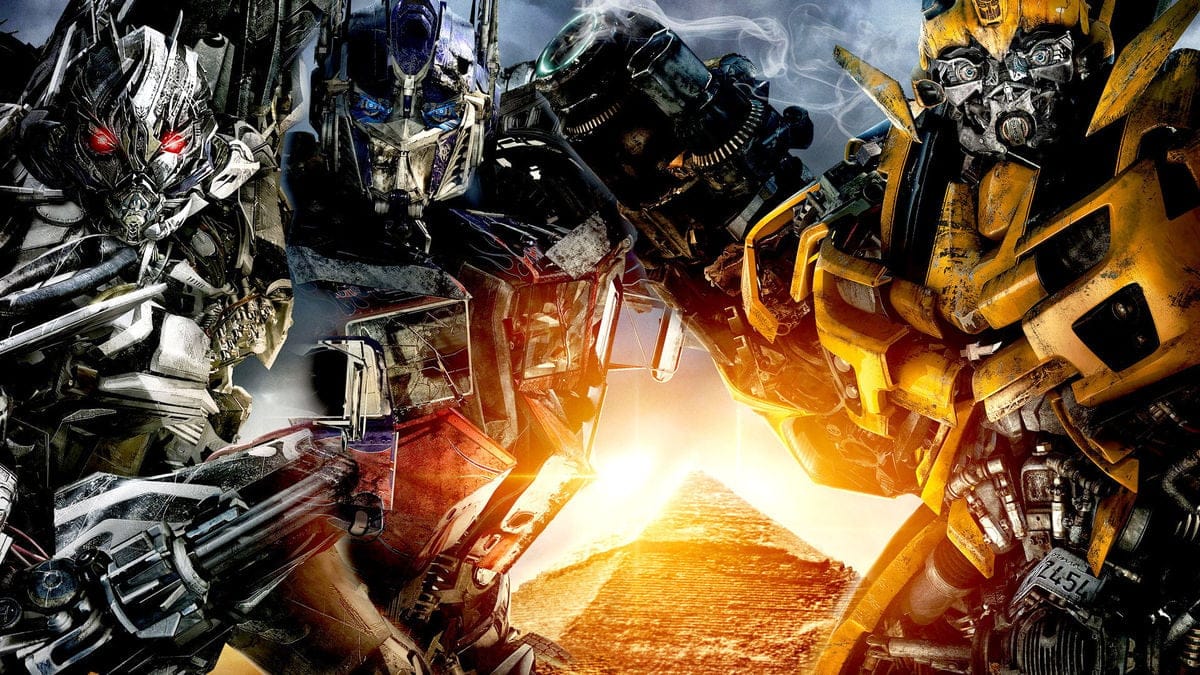
I’m sick of this notion that movie critics don’t like to have fun.

Let’s cut to the chase: Is McG to blame for the semi-smoldering wreck that is Terminator Salvation?

Behold, the untold wonders of Japanese cinema. Arigato, Criterion!
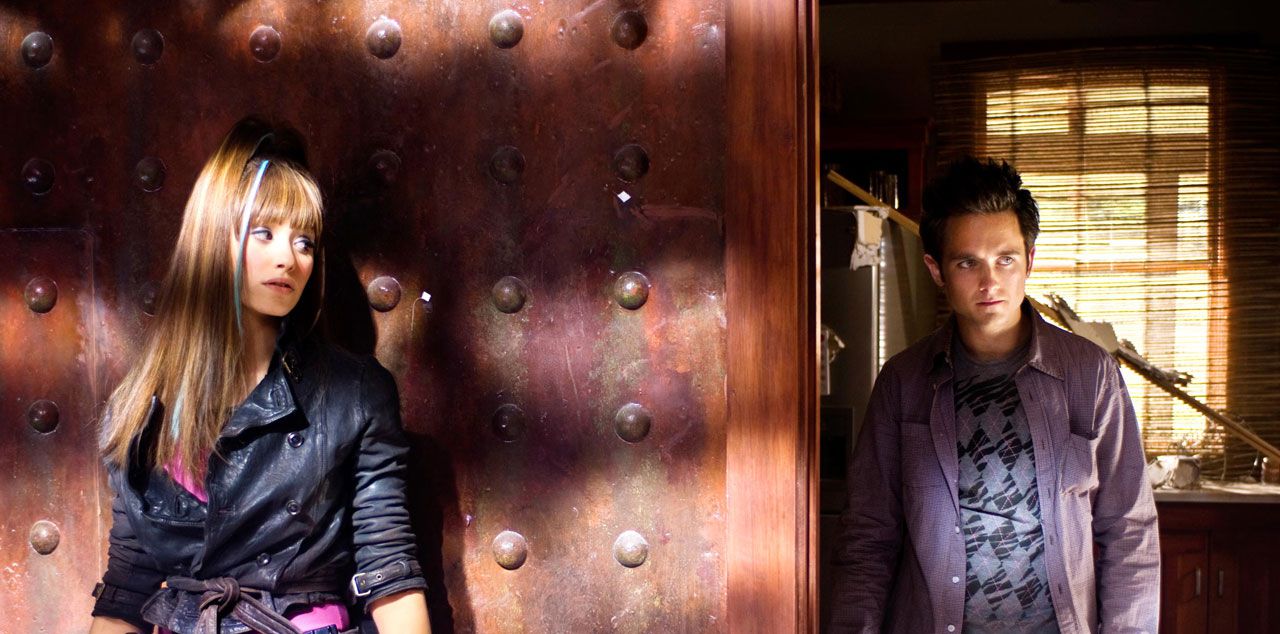
A more accurately descriptive moniker would have been Dragonball Stagnation.
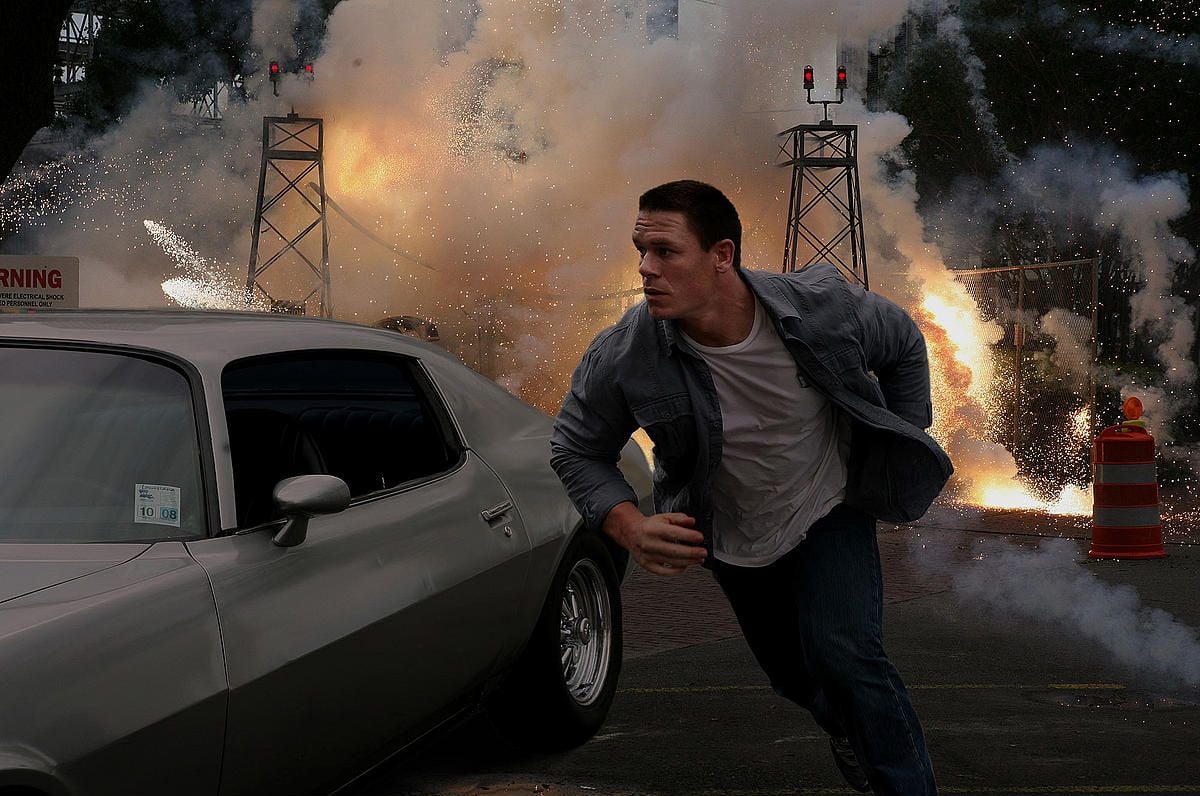
Renny Harlin’s 12 Rounds attempts to put the final nail in the coffin of the static shot.
Relatively speaking, the film covers little in the way of new ground, but there isn’t a condescending bone in its body.
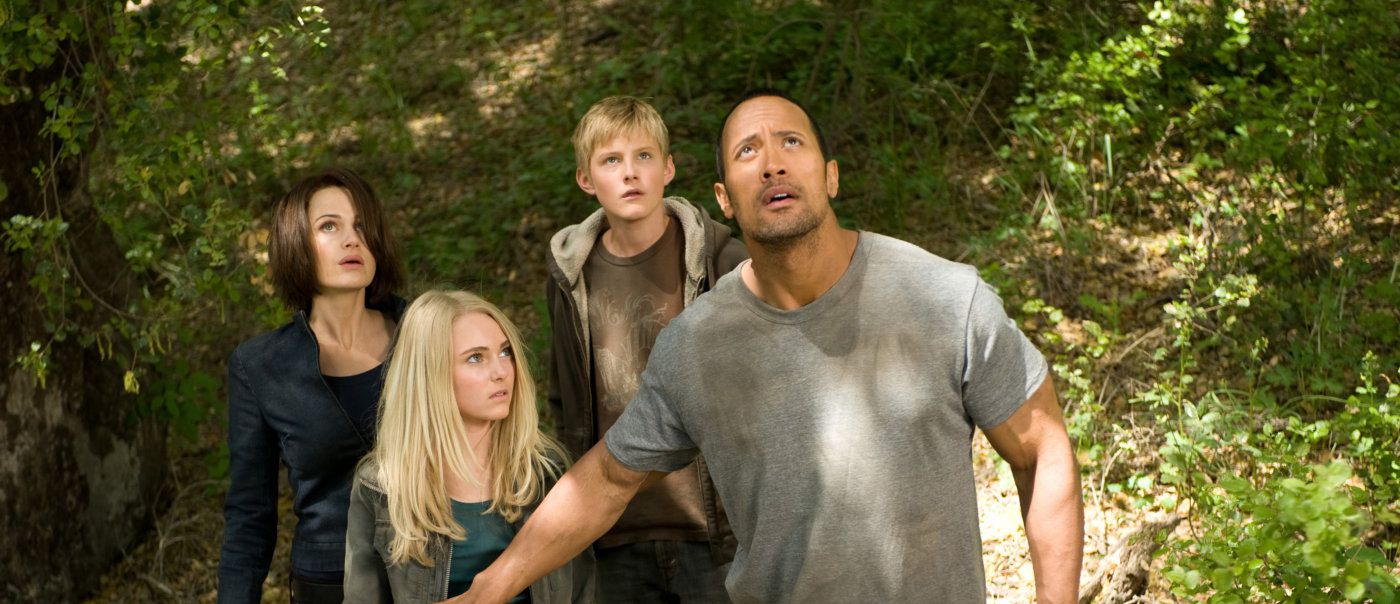
The film brings to mind a creaky, rusty theme park ride that one forbids their children from riding lest they contract tetanus.
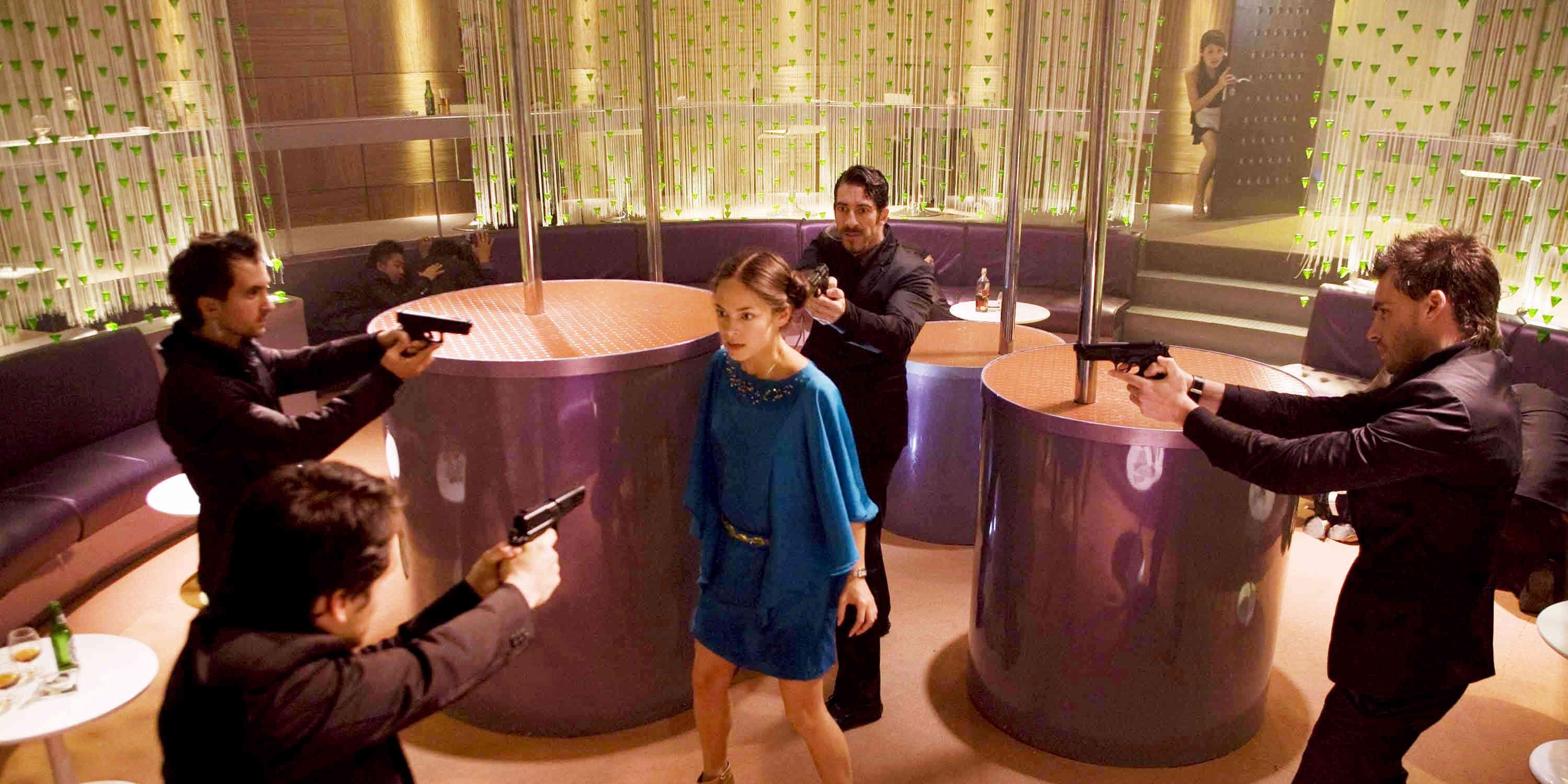
This laughable would-be diversion has only its digitally-based predecessors going for it.

Kurt Kuenne’s film breathlessly stares down the spiraling abyss of tragedy and, miraculously, finds the light at the end of the tunnel.
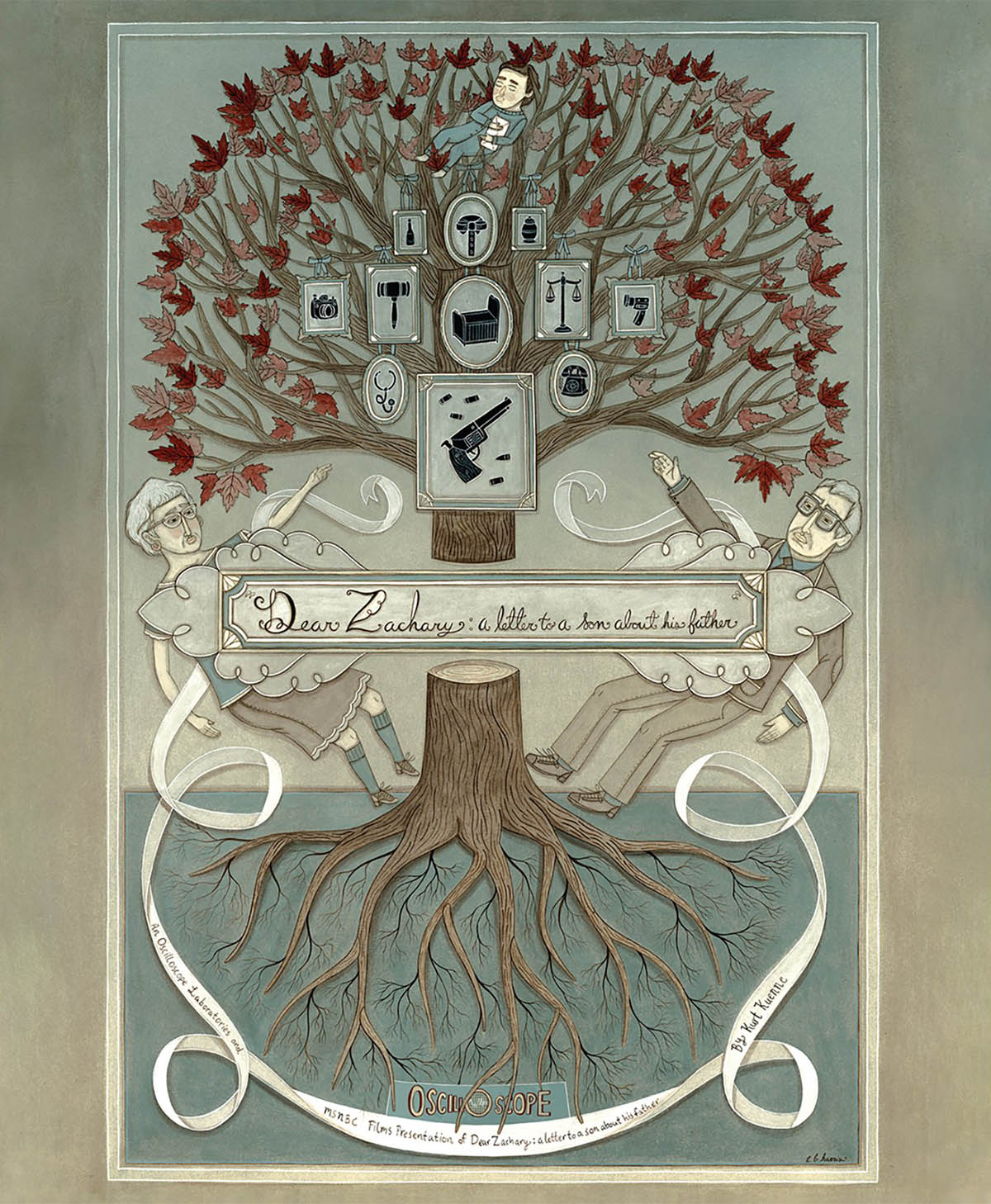
Though this release is disappointingly lax in the features department, Dear Zachary is also a work that truly speaks for itself.
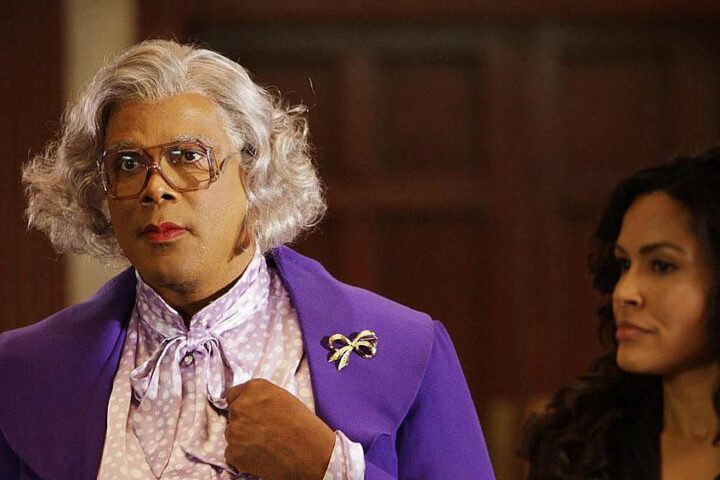
Tyler Perry’s roles as both populist entertainer and social preacher come into disconcerting conflict in this recent films.

It bears only superficial comparisons to the aesthetic purposes of predecessors like The Last King of Scotland and City of God.
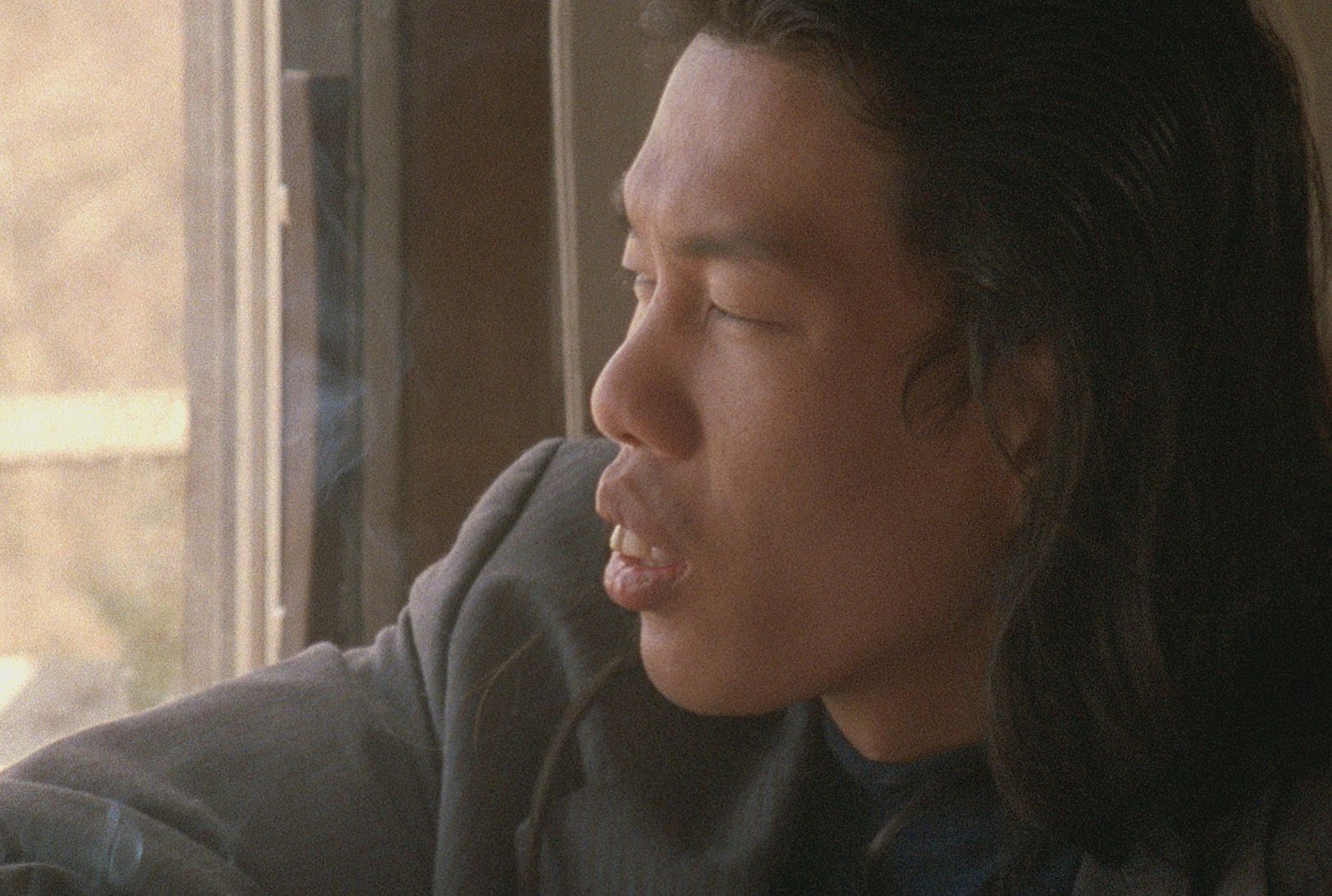
At its best, Betrayal stunningly illuminates how our surroundings profoundly imprint themselves on our dreams—and our nightmares.

Quarantine’s use of camera feels like more of an excuse to shoot things fast and cheap than an attempt to provide thematic insight.

La León is never so interesting unto itself as it is in suggesting greater things to come.