As one of Criterion’s more contemporary releases, it comes as little surprise that the film’s anamorphic widescreen image looks sharp.


Nick Schager is the entertainment critic for The Daily Beast. His work has also appeared in Variety, Esquire, The Village Voice, and other publications.
As one of Criterion’s more contemporary releases, it comes as little surprise that the film’s anamorphic widescreen image looks sharp.
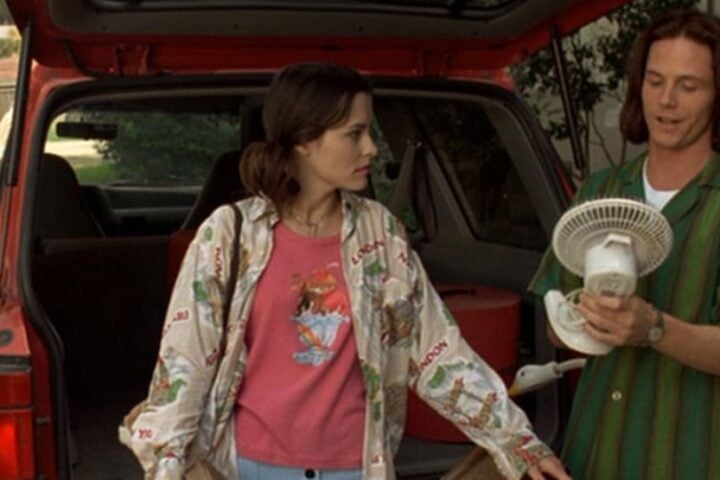
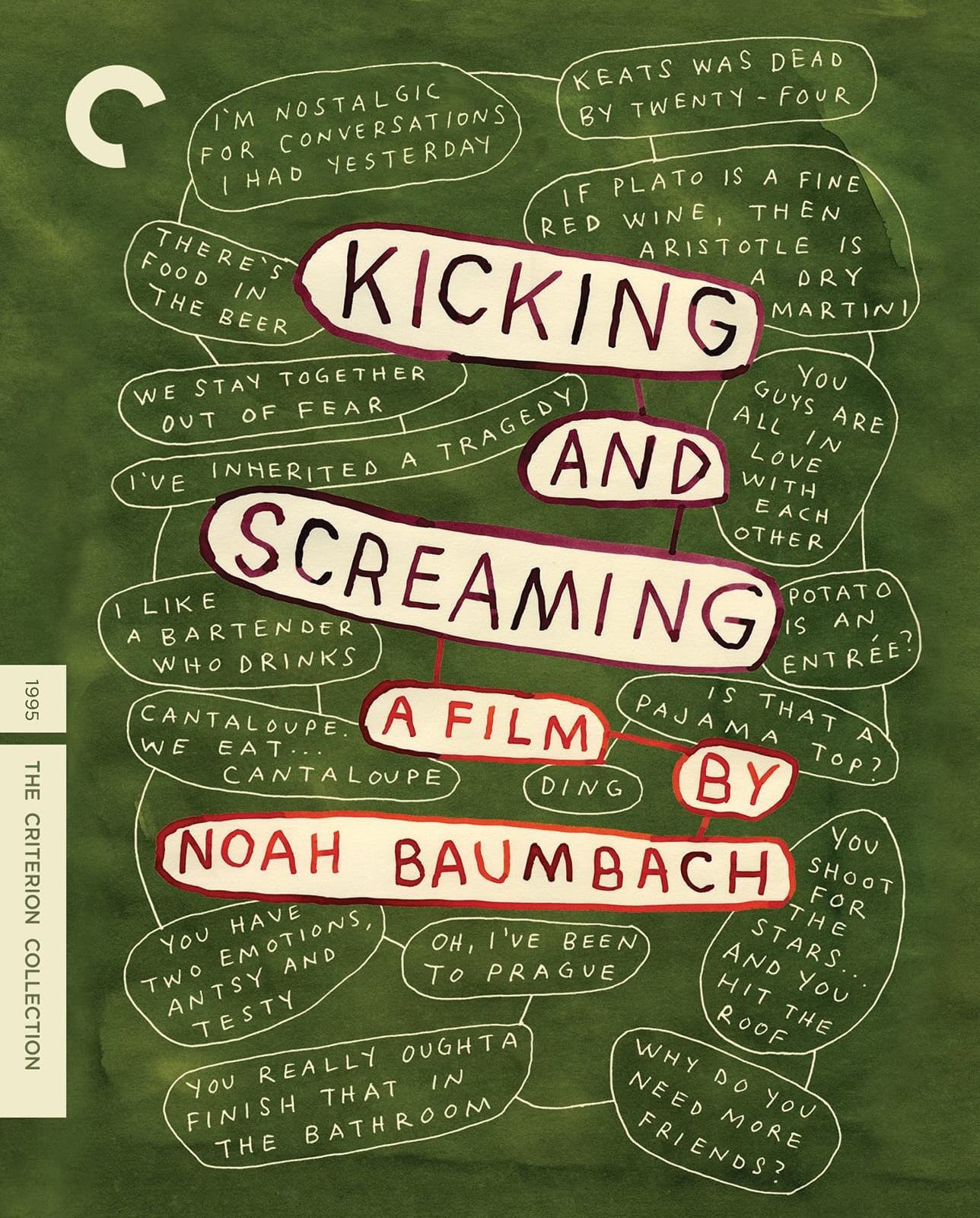
Noah Baumbach’s gift for crafting characters out of flesh and blood gives the film an associative realism.

Greg Pritikin’s mockumentary proves that satirizing reality TV is a fool’s errand.

Gans’s Silent Hill is as creepy and fun as the director’s Hollywood calling card, Brotherhood of the Wolf.

Kirby Dick’s documentary is a Molotov cocktail leveled against the Jack Valenti-led MPAA.

Structurally indebted to Pulp Fiction, the film lacks Quentin Tarantino’s sense of humor and knack for dramatic rhythm.

Fernando León de Aranoa’s latest piece of pop neorealism feels not only a tad thin but redundant.

It eventually falls back on attempting to elucidate the reasons behind its story’s invasion of the undead with answers neither compelling nor necessary.

The film is a listless Godfather-meets-Donnie Brasco tale of undercover surveillance, blood allegiances, and wrenching betrayal.

In the competition for cinema’s worst genre, the Quirky British Comedy About Eccentric Countryfolk Learning Valuable Lessons In Outrageous Circumstances truly has no rival.

There’s a sturdy workmanship to Oliver Stone’s mise-en-scène that brings clarity to the hectic proceedings.

The film is scary all right, usually for all the wrong reasons.

Kevin Willmott’s alternate American history isn’t consistently gripping but its contemporary relevance is striking.

Unfortunately, Steve Pink’s directorial debut isn’t nearly as innovative or cool as Steve Jobs’s line of hi-tech doodads.

The Trouble with Men and Women proves that formless, navel-gazing tales of sex in the city aren’t simply the province of American indies.

Until someone truly reinvents the stagnant romantic-comedy genre, trifles like Bart Freundlich’s Trust the Man will have to suffice.

The film candidly expresses the plight of working-class iconoclasts for whom life entails dealing with a steady stream of burdensome obstacles.
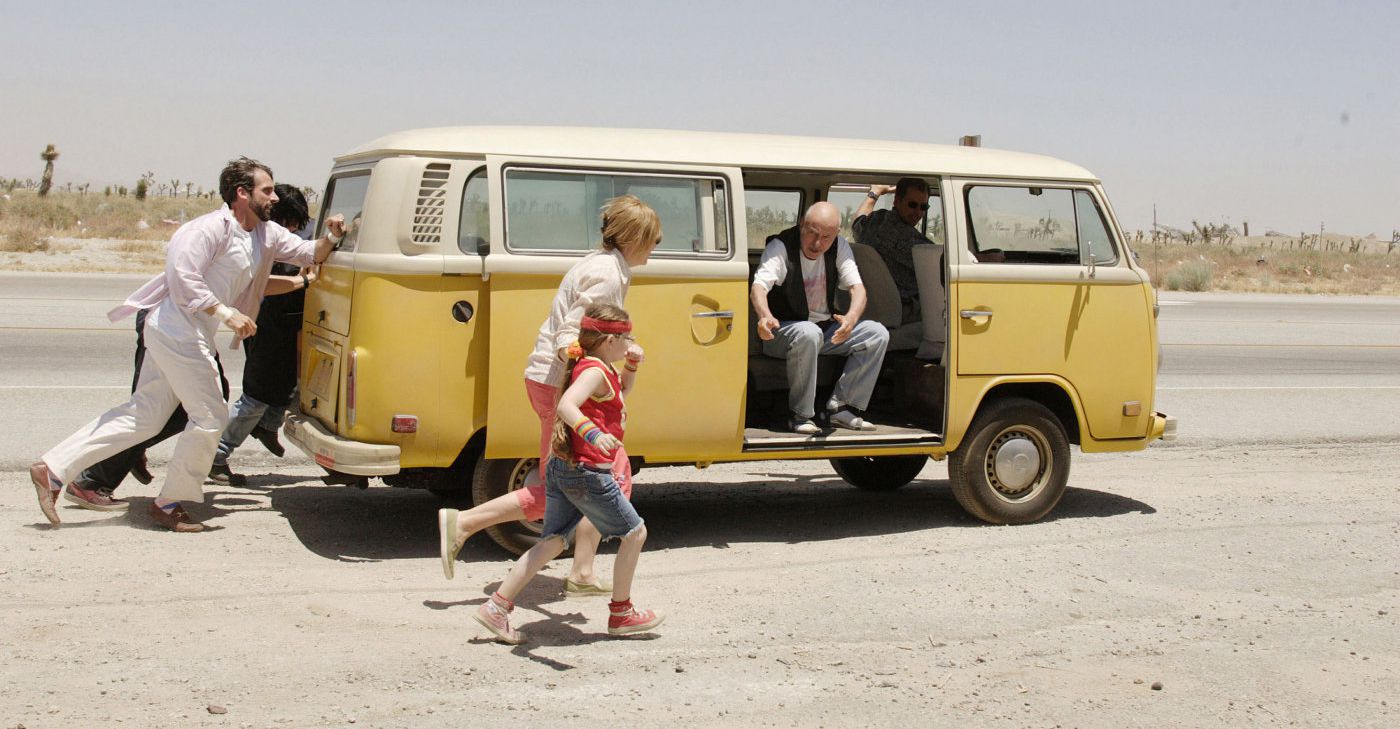
There’s nonetheless something mildly endearing about the film’s joyful celebration of loserdom.
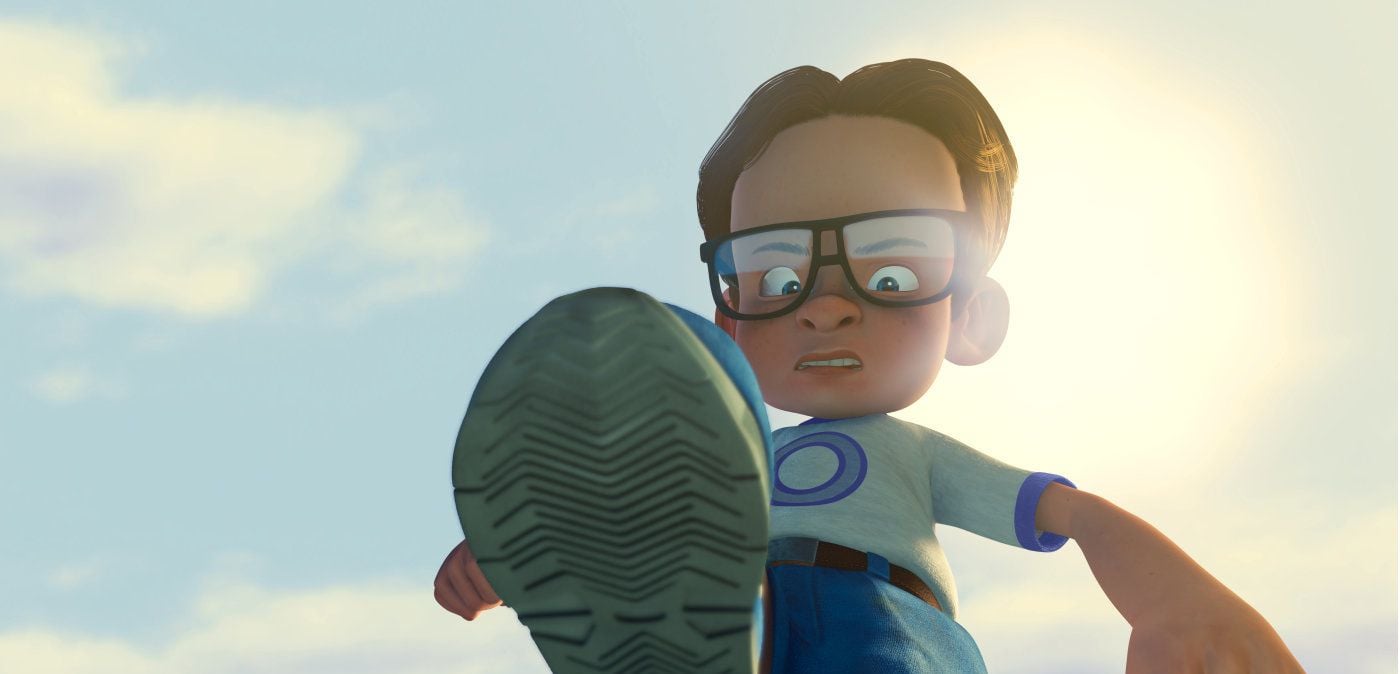
The Ant Bully exhibits little of the humanity that characterized Pixar’s adventure A Bug’s Life.

Kevin Smith goes all out in justifying this sequel’s existence by turning it into a paean to the virtues of not growing up.