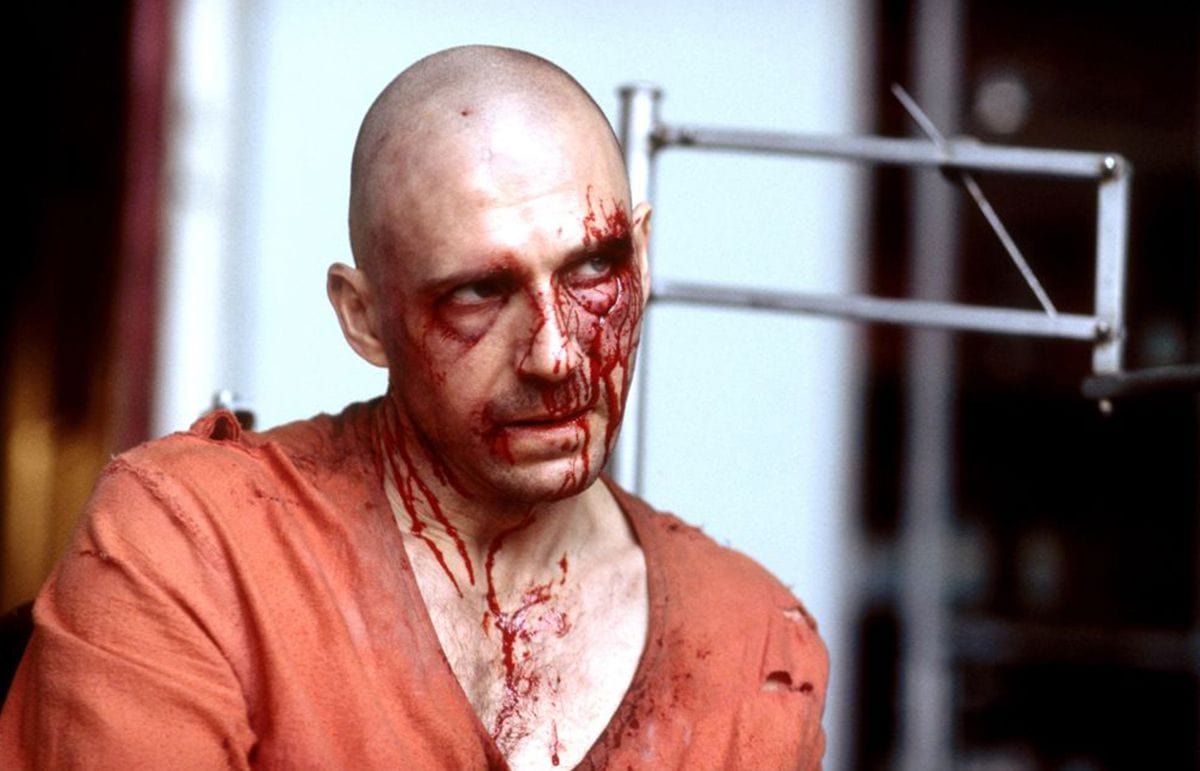
Land of the Blind is a concoction difficult to swallow as either piercing allegory or clever farce.


Nick Schager is the entertainment critic for The Daily Beast. His work has also appeared in Variety, Esquire, The Village Voice, and other publications.
Land of the Blind is a concoction difficult to swallow as either piercing allegory or clever farce.

Heading Southis an acute portrait of the willful blindness that helps foster inequitable colonialist conditions.
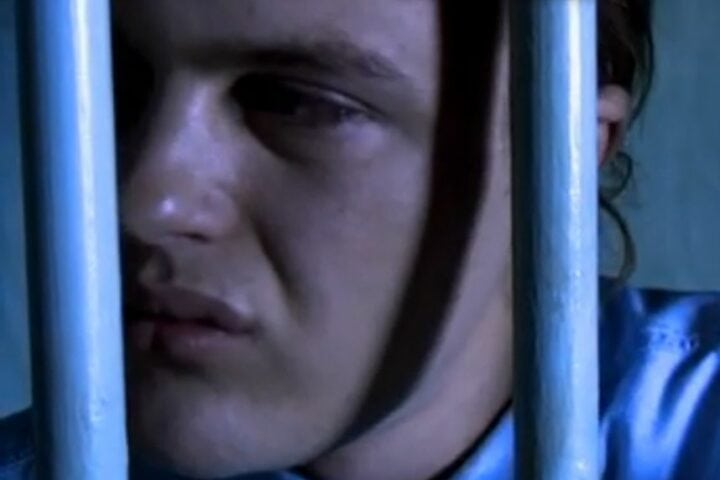
Jailbait seems only interested in expounding upon the familiar horrors of lock-up.

As an example of unembedded reportage, The Blood of My Brother is quite remarkable, offering a startlingly intimate glimpse at everyday Iraqi life, circa 2004, under the current U.S. occupation.
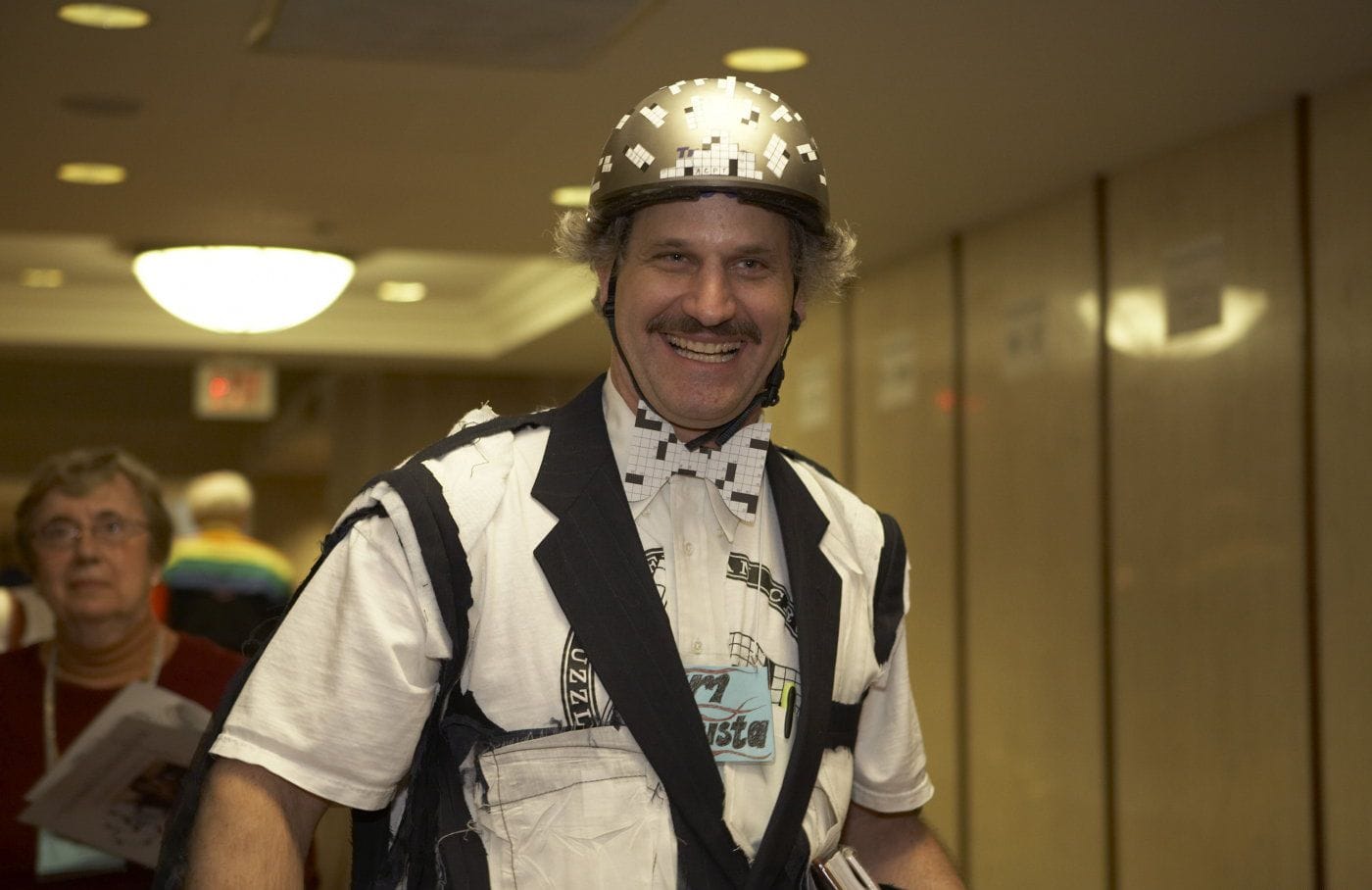
The film is a cute, quirky, but predominately superficial portrait of brainy wordsmiths.

Chris Paine’s Who Killed the Electric Car? delivers cinematic activism of an eco-friendly variety.

Once in a Lifetime is an uncanny reflection of soccer itself.

Crossing the Bridge: The Sound of Istanbul documents German avant-garde musician Alexander Hacke’s journey throughout Turkey’s sonic landscape.

The film is shrewd enough to refrain from overselling its considerable racial, socio-economic, and gender undercurrents.

A/K/A Tommy Chong’s dramatic thinness doesn’t dilute its simultaneously ridiculous and terrifying portrait of federal prosecution run amok.

Whereas the film’s artistry is often awe-inspiring, its dawdling, unfunny 116-minute story stalls at nearly every turn.
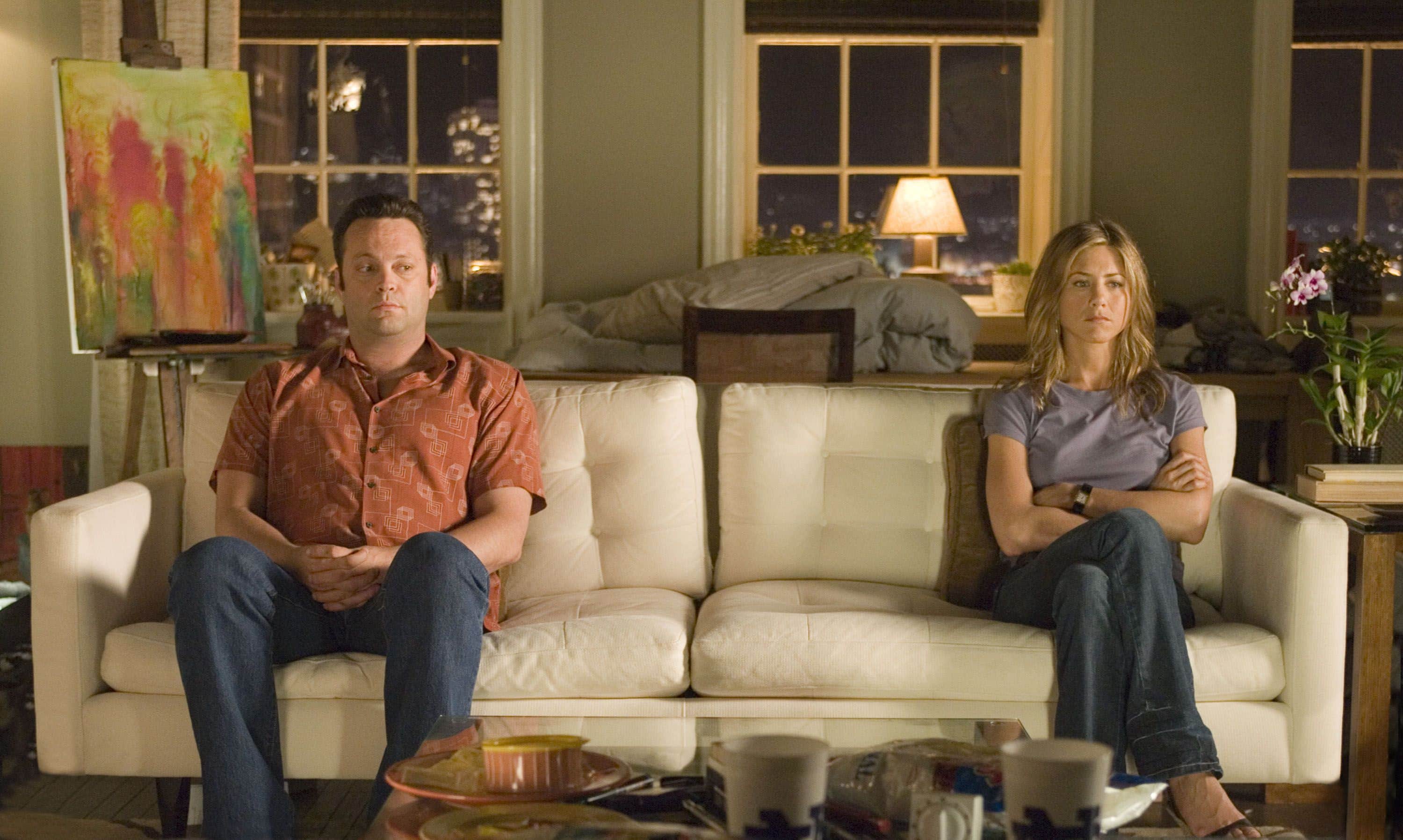
Paradoxes run rampant throughout The Break-Up.

The documentary is part history lesson, part investigative journalism report, and part personal journey.
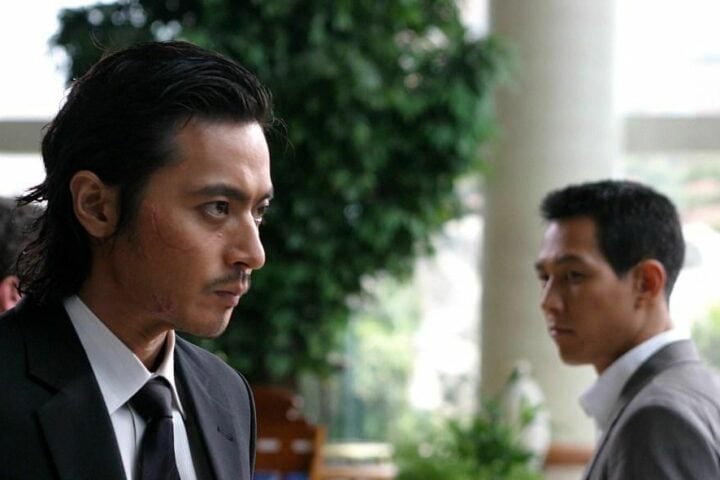
That characters frequently speak English in Typhoon is emblematic of the film’s dedication to slavishly mimicking American action blockbusters
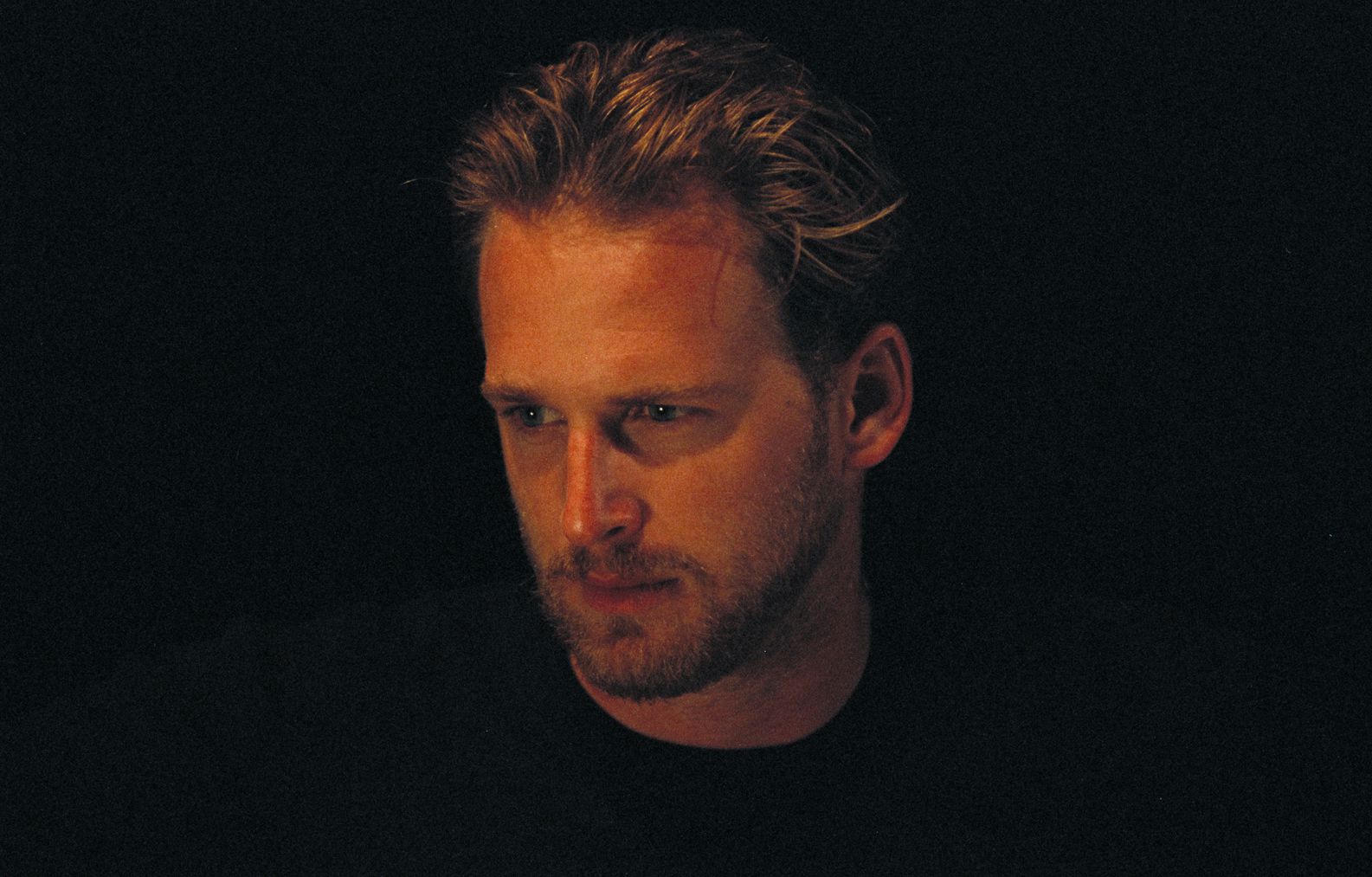
The film reconfirms Victor Nunez’s intimate familiarity with the Florida panhandle, but it’s also a reminder of his shortcomings as a dramatist.
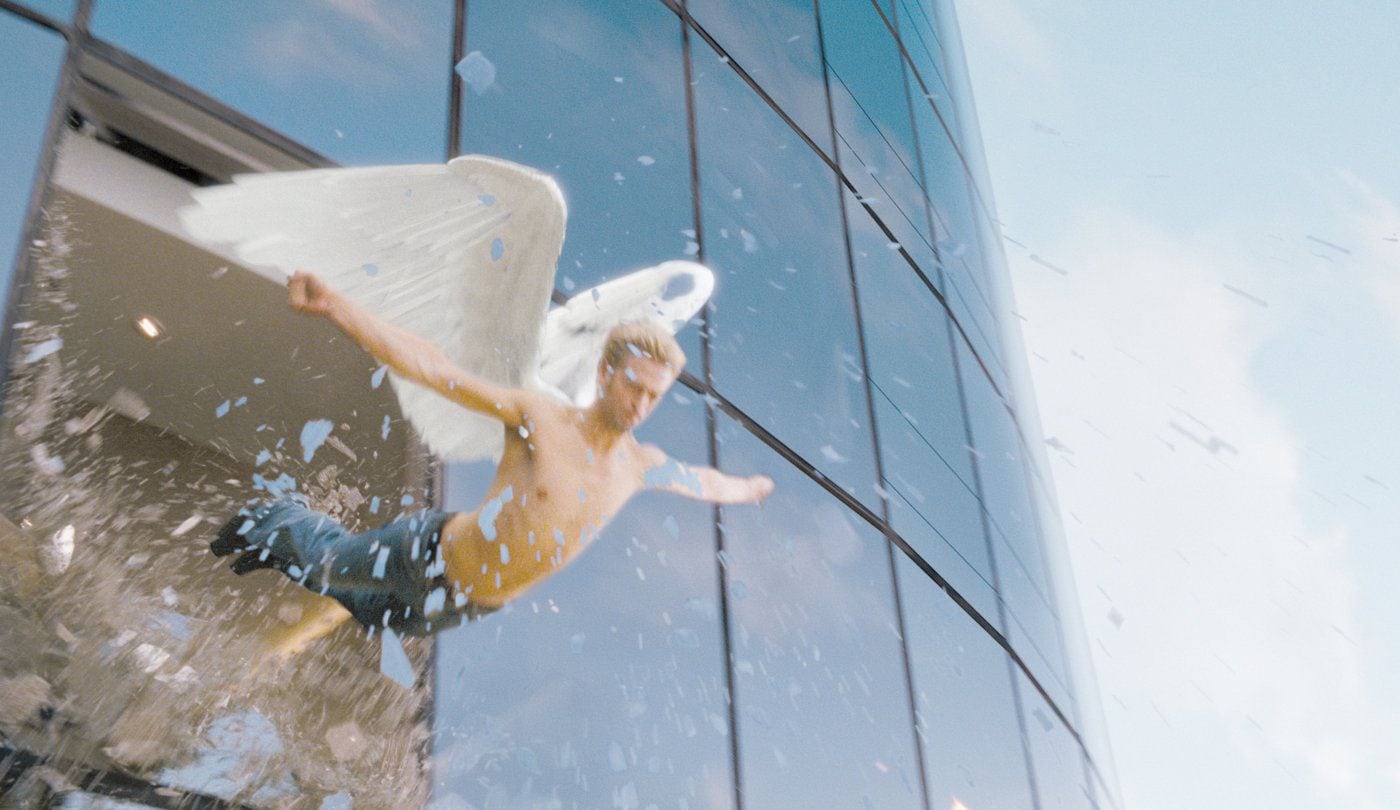
Prepared to be stunned, because Brett Ratner does not completely sully your beloved mutants-versus-the-world franchise.
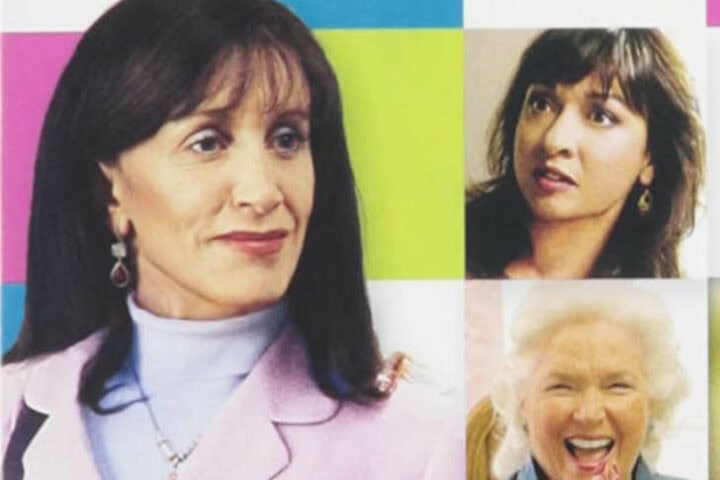
The pretty-ugly-pretty-ugly-pretty-ugly holographic slipcase cover is a laugh riot-it doesn’t evoke gender dysphoria, only a questionable marketing campaign.

The film is as shallow as a toilet bowl and twice as rank as its usual contents.

Ron Howard’s adaptation of Dan Brown’s The Da Vinci Code is a marriage made in mediocrity.

The film timidly lands on an underdeveloped middle ground between skewering and embracing mass-market consumerism.