The film is proof that, when it comes to the modern romantic comedy, contrivances always trump credibility.



Nick Schager is the entertainment critic for The Daily Beast. His work has also appeared in Variety, Esquire, The Village Voice, and other publications.
The film is proof that, when it comes to the modern romantic comedy, contrivances always trump credibility.

Ezra doesn’t shy away from the grim, brutal violence that dominates so much of Africa.

The film isn’t half bad, largely because it places an absolute premium on brash, bawdy humor.

The film never truly gets underneath its increasingly troubled protagonist’s surface.
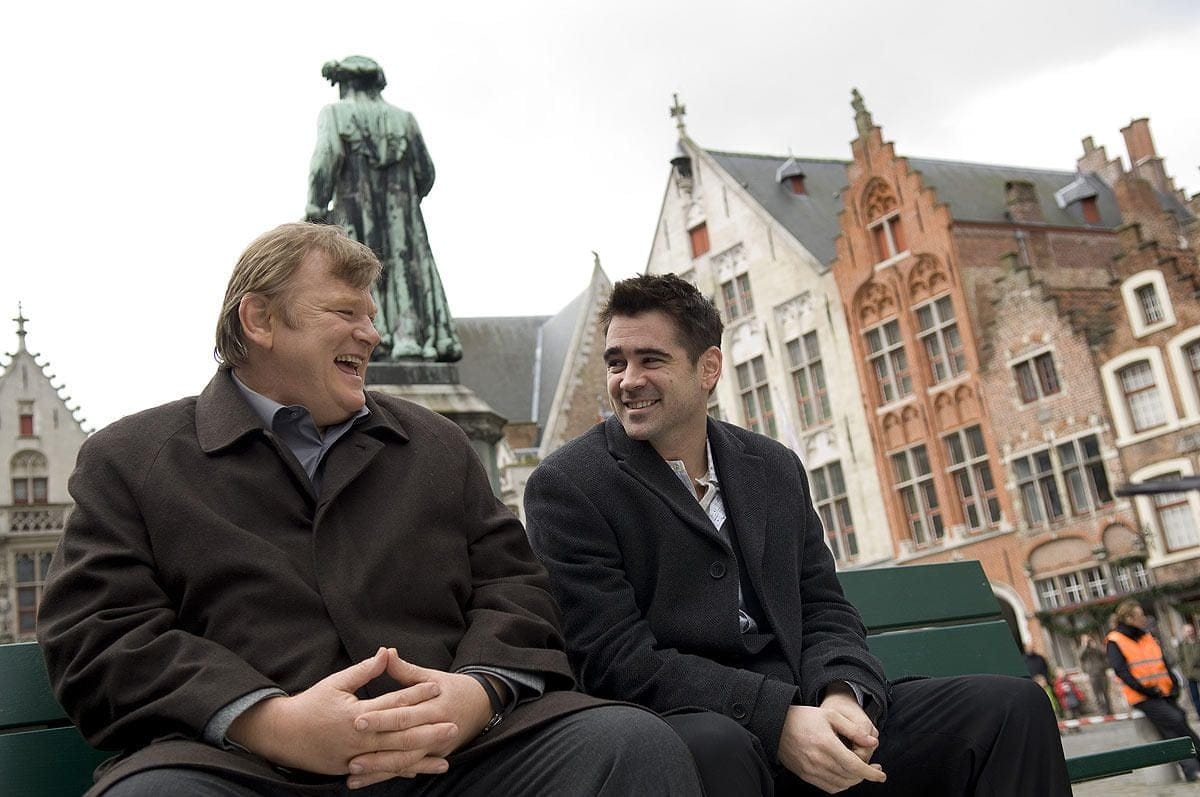
Martin McDonagh is far too pleased with stuffing his characters’ mouths full of overly written speeches and one-liners.

You’d think that a horror story concerned with the unreliability of sight might at least try to generate scares via the use of visual trickery.
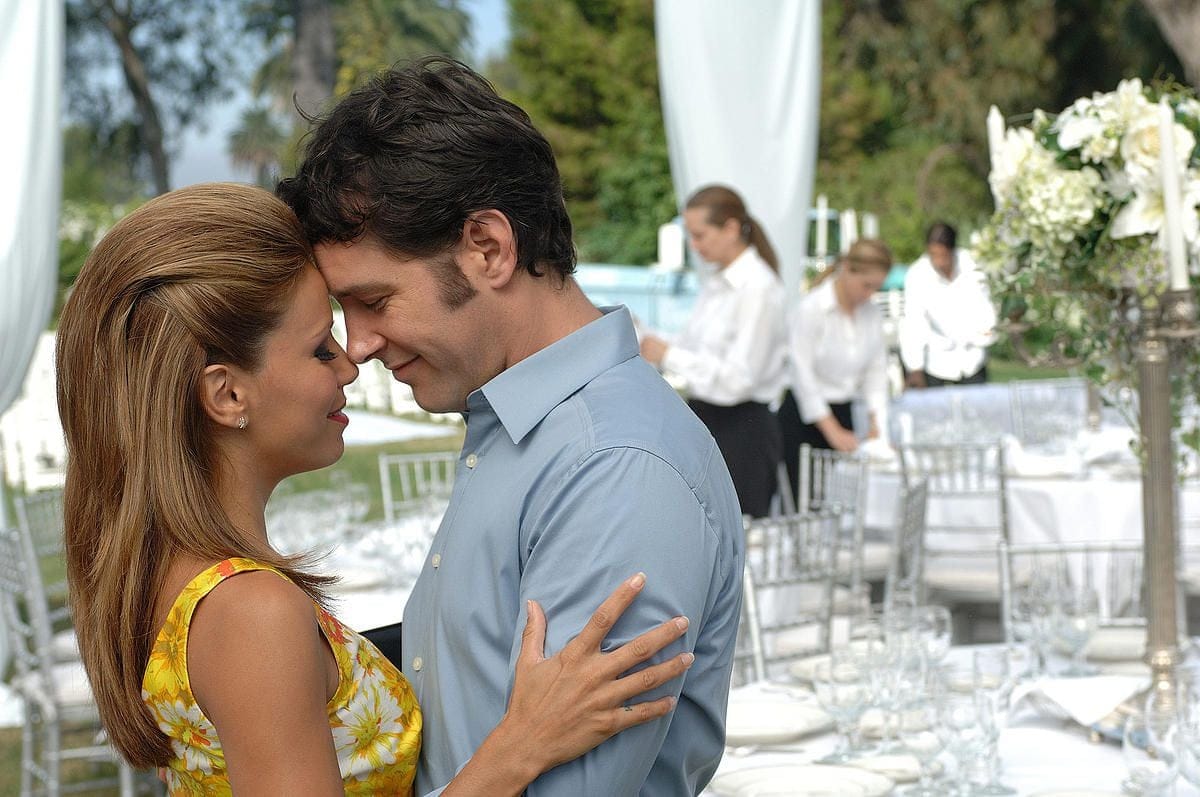
For a pure shot of cinematic depression, nothing quite tops opening credits that end with “…and Jason Biggs.”

It flaunts its knowledge of classic genre fundamentals but fails to do anything very clever or surprising with them.

Jason Statham is pretty awesome, and The Bank Job marks his finest work in years.

The forgettable Fool’s Gold is the near-definition of mechanically going through the motions.

In Rambo, violence may be unpleasant and may not get you the girl, but it most definitely and awesomely wins the war.

Though less shiny and polished than Stomp the Yard, Ian Iqbal Rashid’s film nonetheless remains a similarly contrived saga.
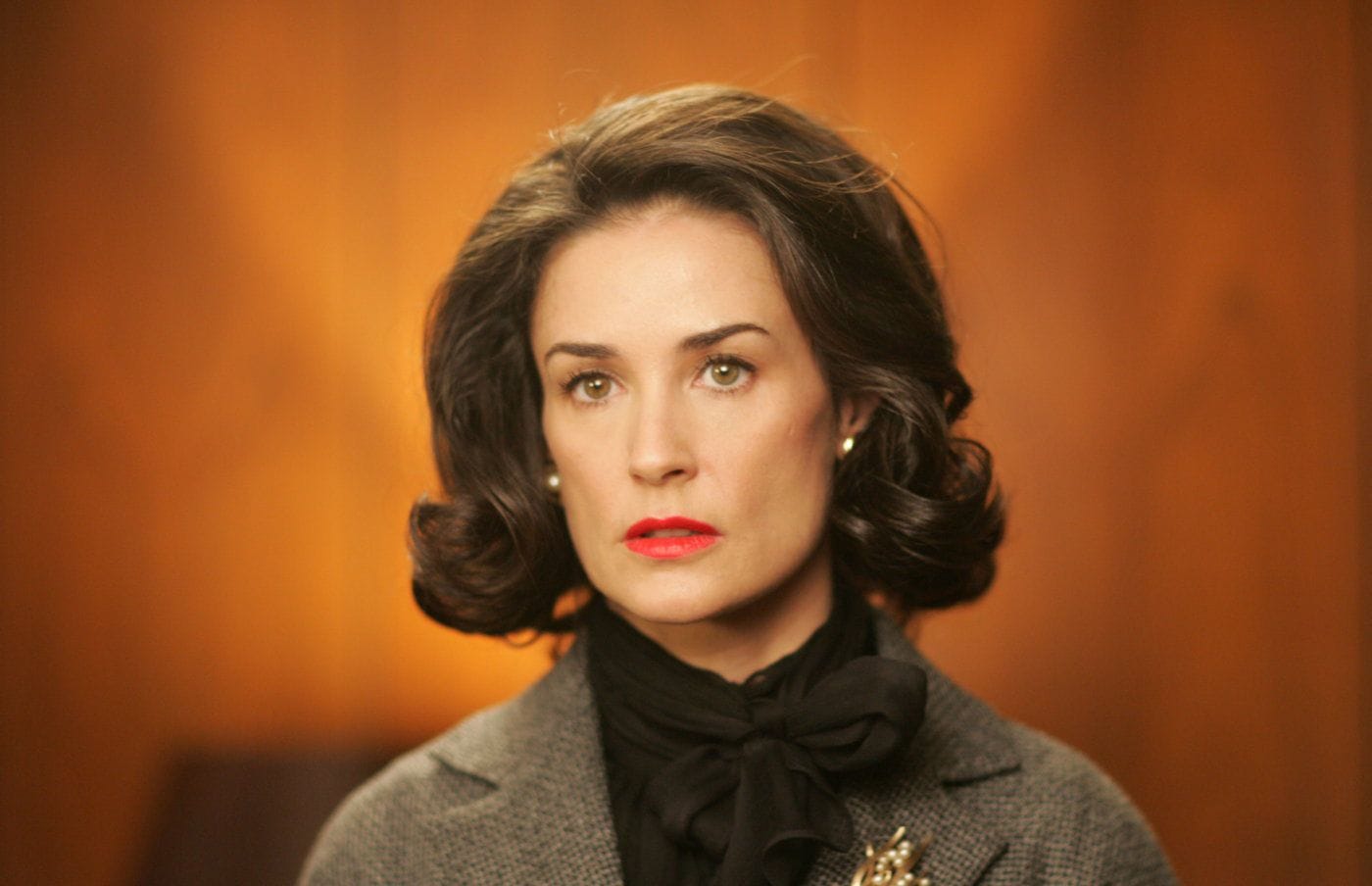
The film’s utilization of the diamond industry and its accompanying slave trade as a mere diversionary plot point is plenty distasteful.
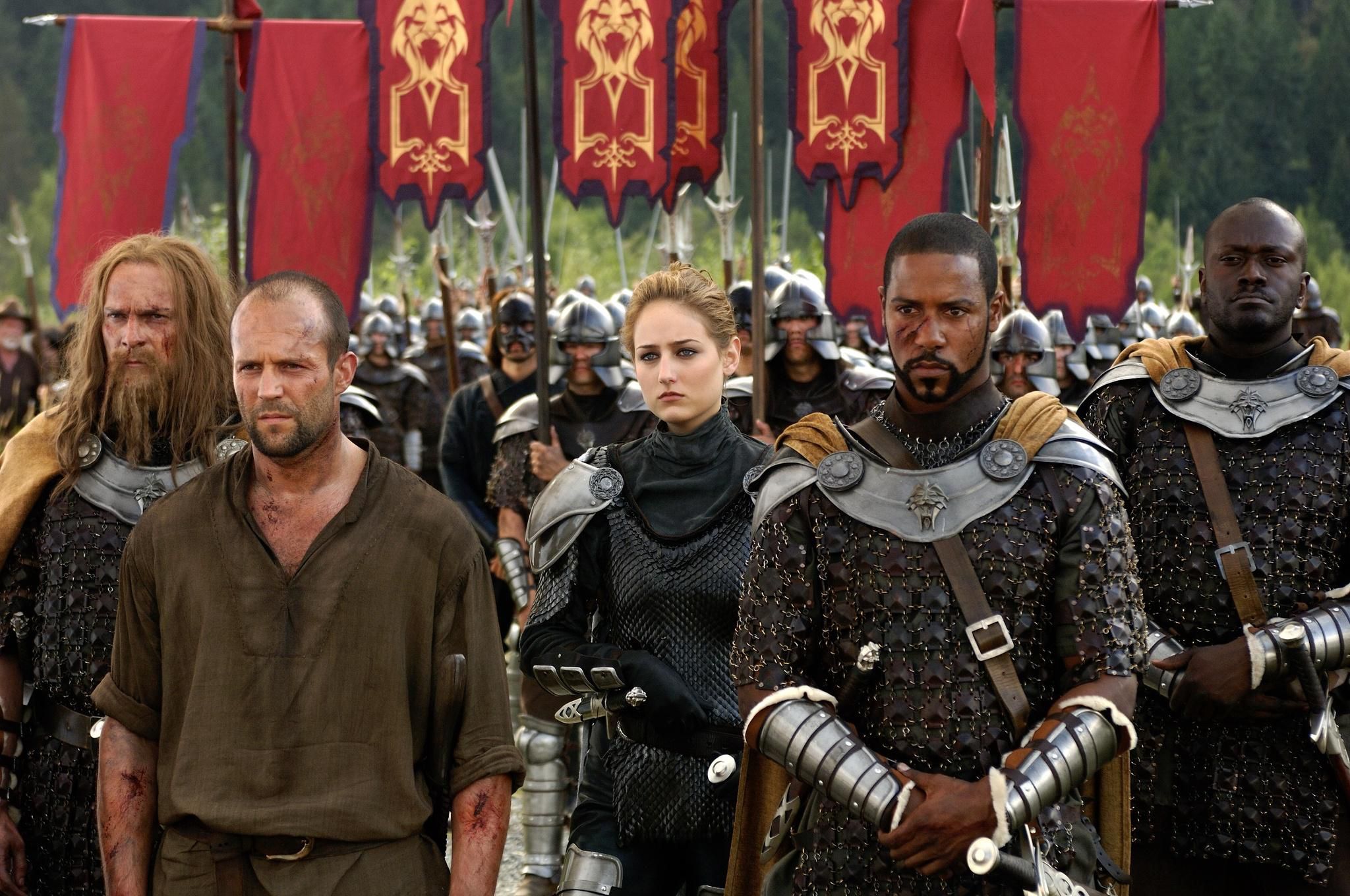
Only Uwe Boll would assume that the moviegoing public craved a trashy Lord of the Rings rip-off starring Burt Reynolds and Matthew Lillard.
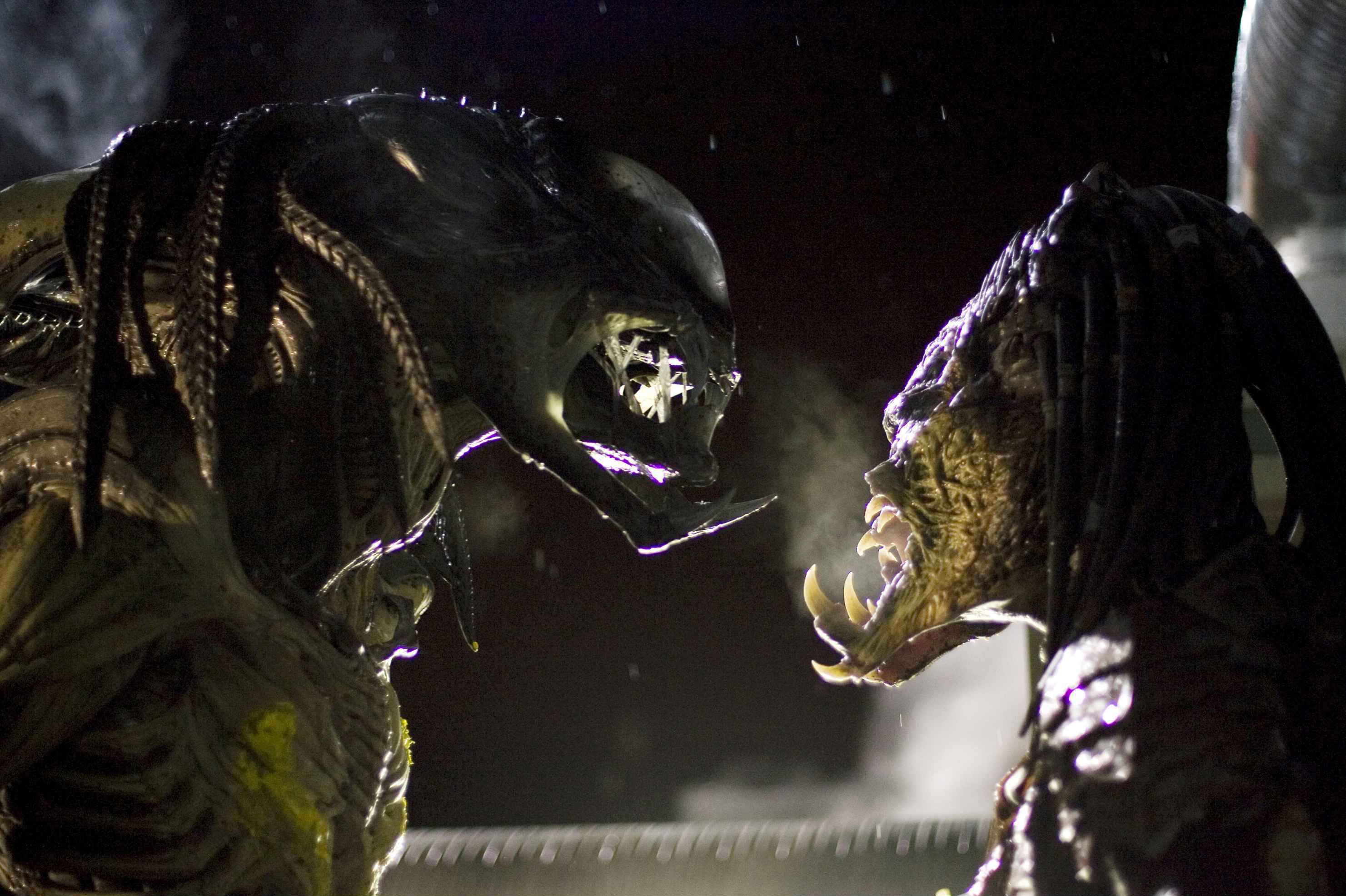
The film is a depressingly tame, bland, fun-free slog.

The film doesn’t make its individual moments coalesce into something more than just a loud, frantic, hollow gimmick.

In Gondry’s estimation, we’re defined by our dreams, our art and our histories.

The film proves that Hollywood doesn’t have a monopoly on ponderous, ersatz-thoughtful war dramas.

Callie Khouri’s film is unbelievable, slapdash, and idiotic in virtually every respect.

Director Nadine Labaki’s fondness for juxtaposing two thematically analogous scenes eventually becomes more wearisome than winsome.