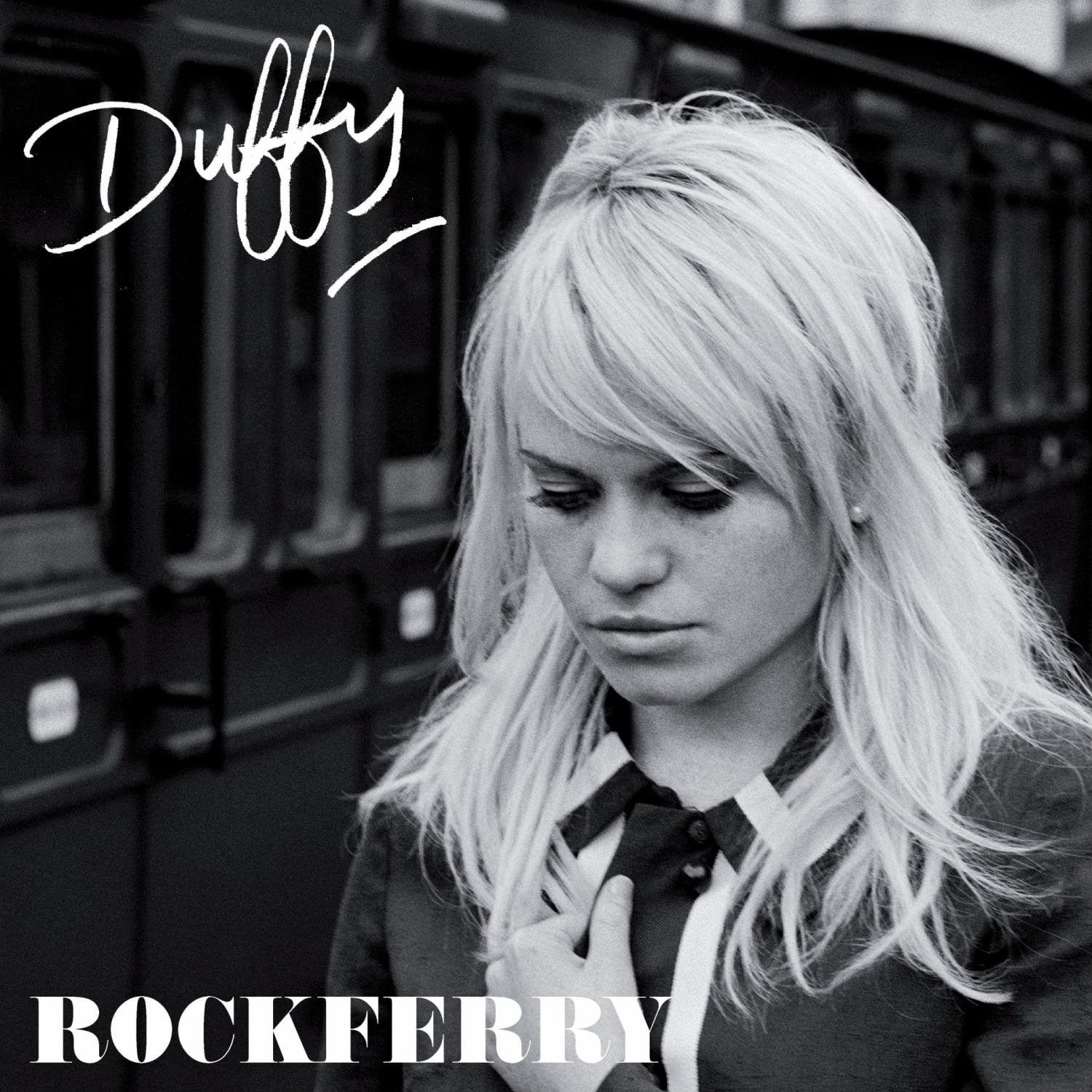
Rockferry is a pretty nifty party trick of a record, but it’s not enough to justify Duffy’s Next Big Thing billing.


Jonathan Keefe's writing has also appeared in Country Universe and In Review Online.
Rockferry is a pretty nifty party trick of a record, but it’s not enough to justify Duffy’s Next Big Thing billing.

“Life in a Northern Town” should give its unique ensemble a real shot at a crossover hit.

The live cuts definitely flesh out the anthology and make it essential for Bentley’s die-hard fans.

Talking Through Tin Cans is one of the most unabashedly fun pop debuts in recent memory.

Flying Upside Down is merely good for what it is without offering anything more challenging or progressive.

Insides Out offers some catchy pop hooks, but it’s an album that, in spite of Zevon’s famous surname, ultimately sounds anonymous.

The Evangelist manages to function as an amalgam of a Forster solo record.
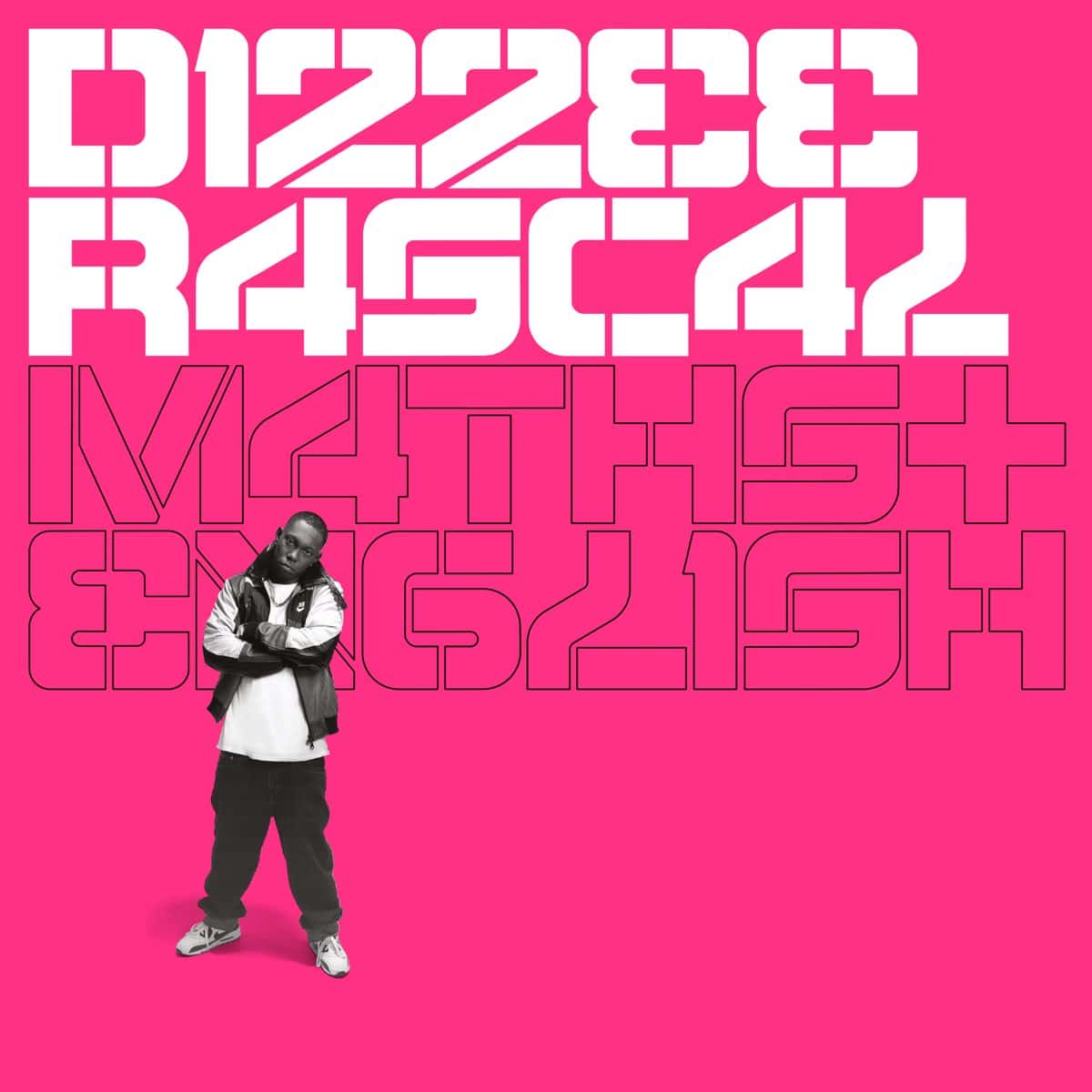
Maths + English derails pretty spectacularly at regular intervals.

The album finds the duo looking far beyond themselves and their single guitar and drum kit for the first time.

The polished arrangements from producers Victoria Shaw and Paul Worley emphasize the group’s pop smarts.
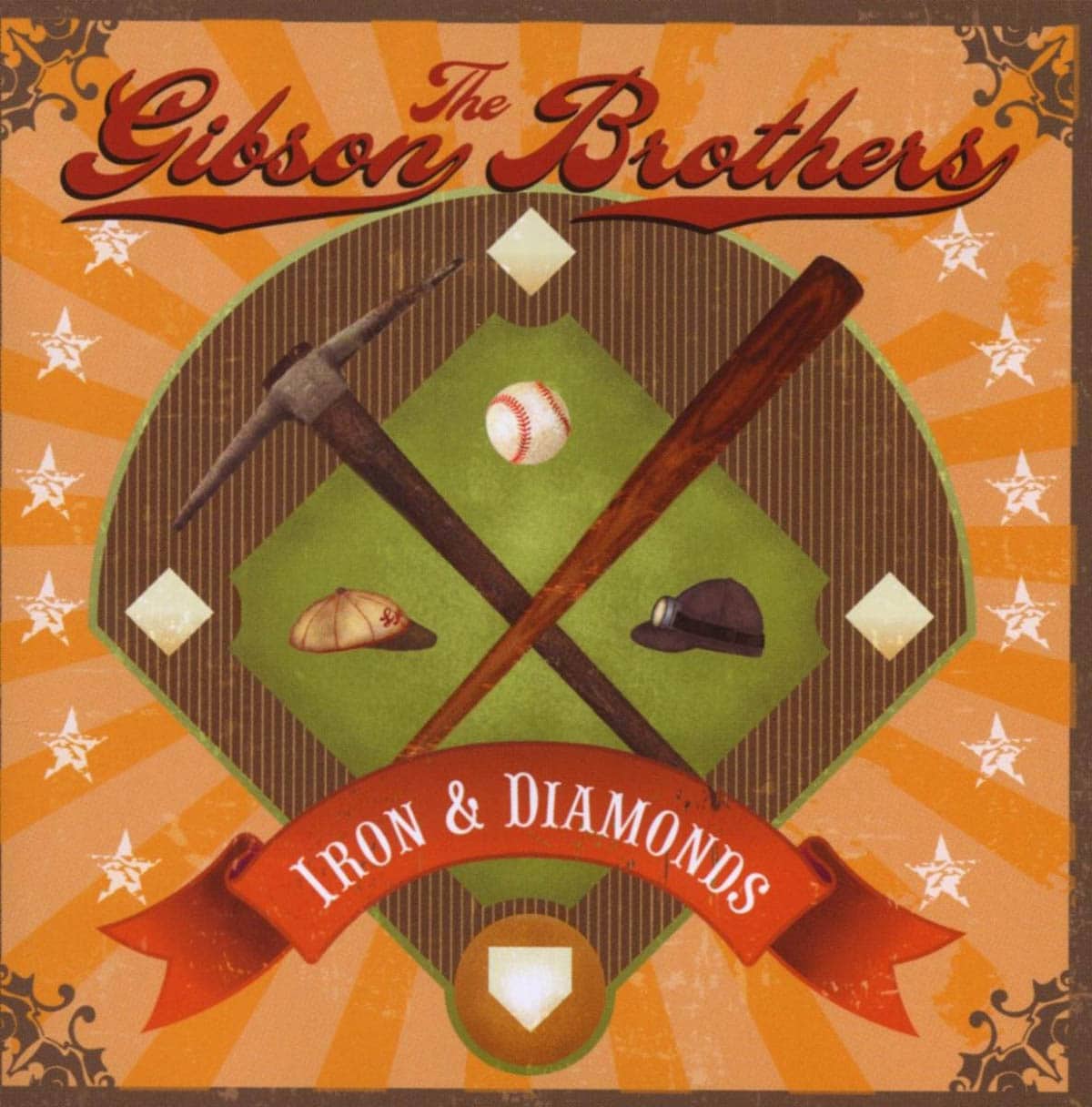
Most frequently compared to the Louvin Brothers, the Gibsons earn such lofty comparisons on their fourth album.
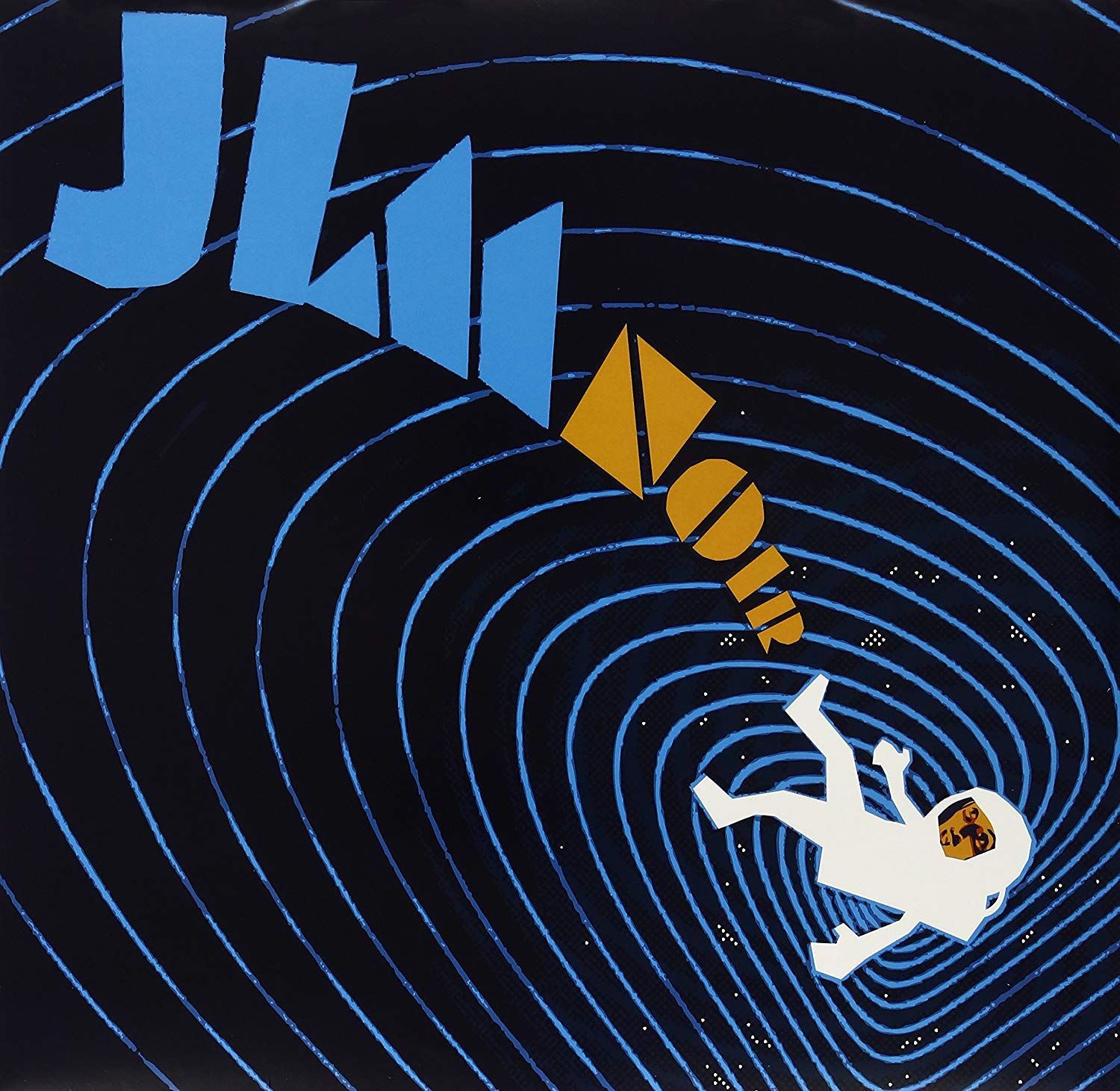
The album is endlessly enjoyable as a music-nerd exercise in spotting precise points of influence and nifty production tricks.
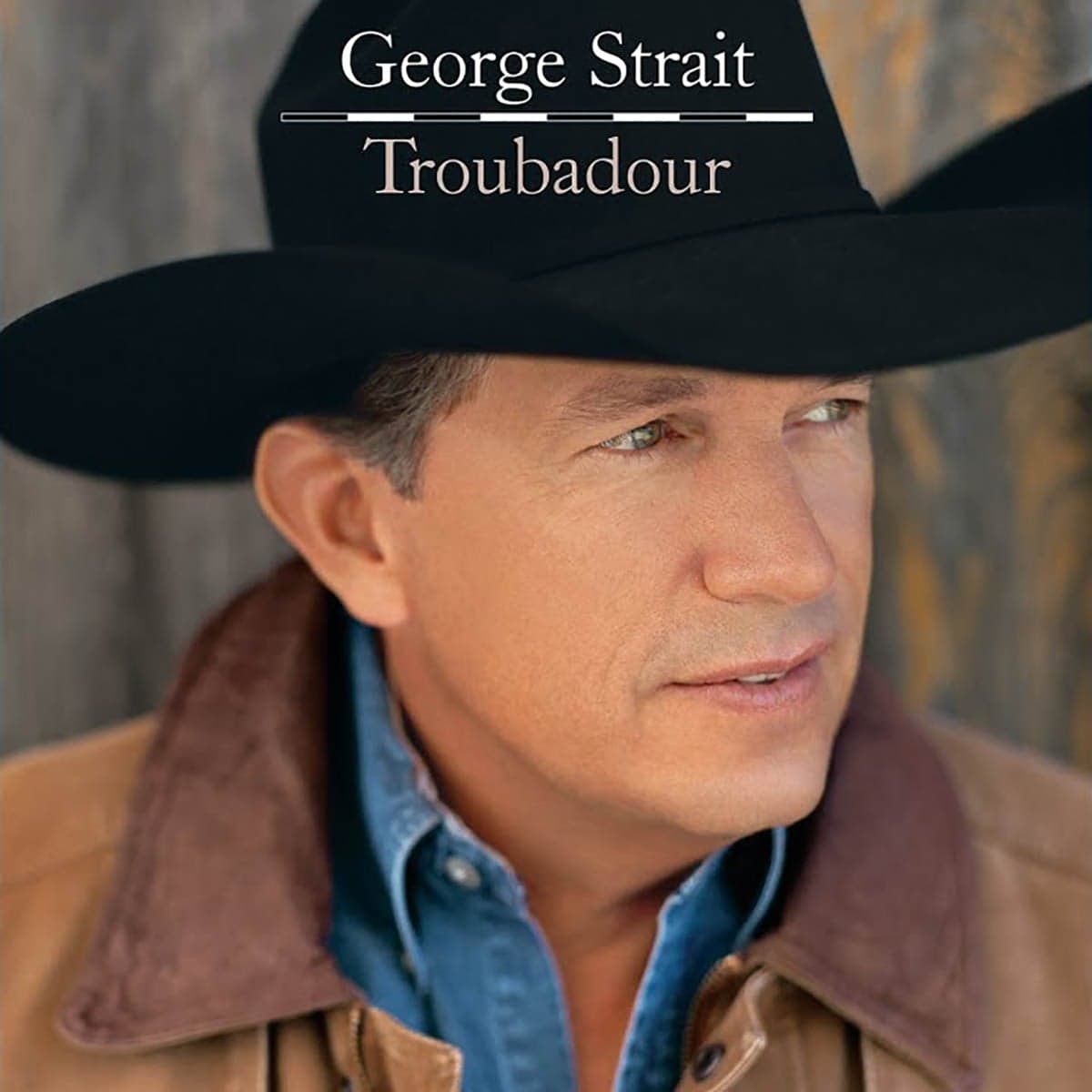
Few artists have capitalized on country music’s conservatism as well as George Strait, regarded by many as the genre’s modern-day king.
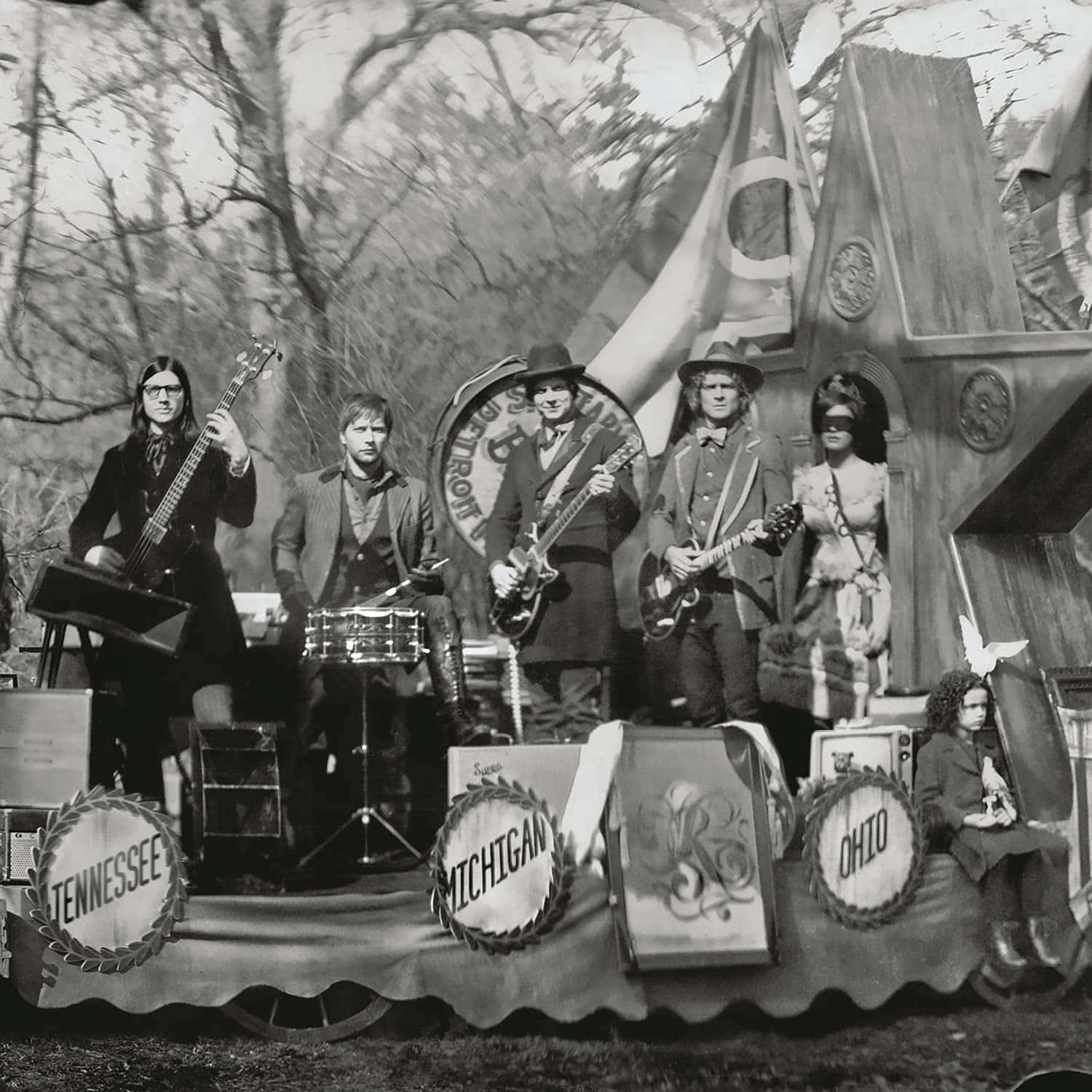
What the situation with the Raconteurs does is expose exactly where the machinery breaks down.

The album certainly sounds like a deliberate attempt at a comeback.

Kathy Mattea approaches dramatic, compelling stories and the real people they represent with respect and even humility.
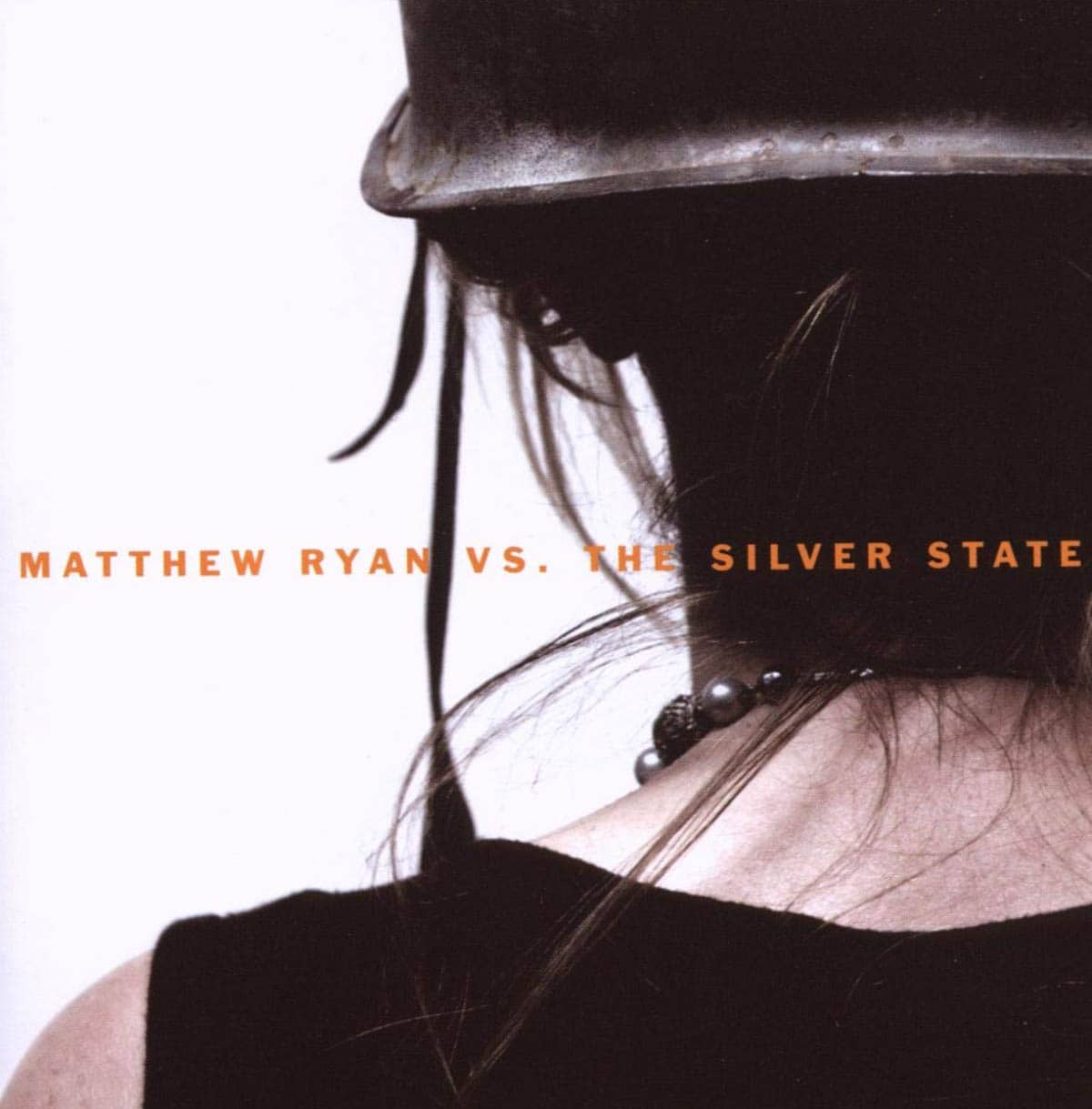
Ryan spins compelling narratives that don’t pull any punches with their details of difficult lives.
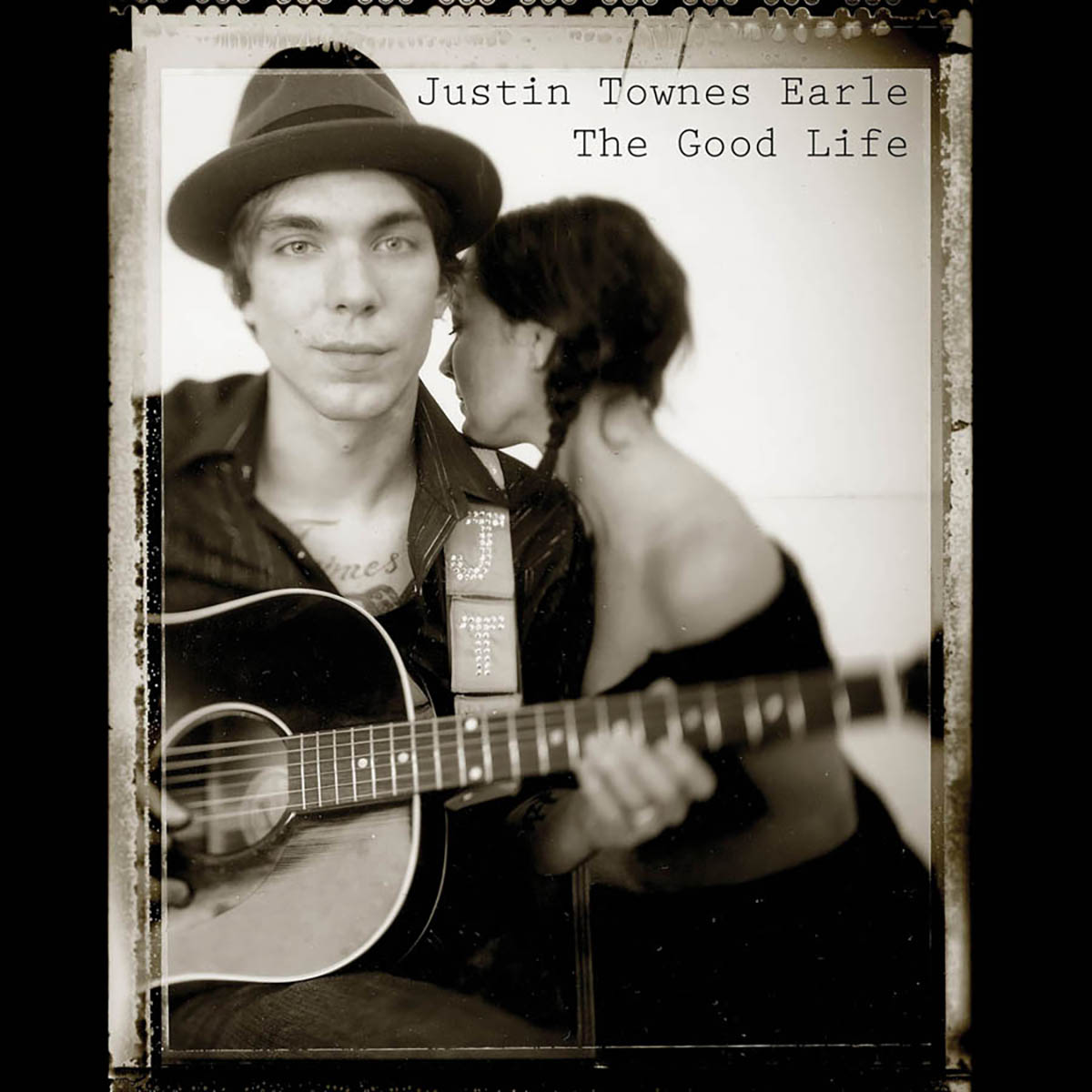
Good Life proves that ustin Townes Earle has far more than just a first-rate pedigree working in his favor.
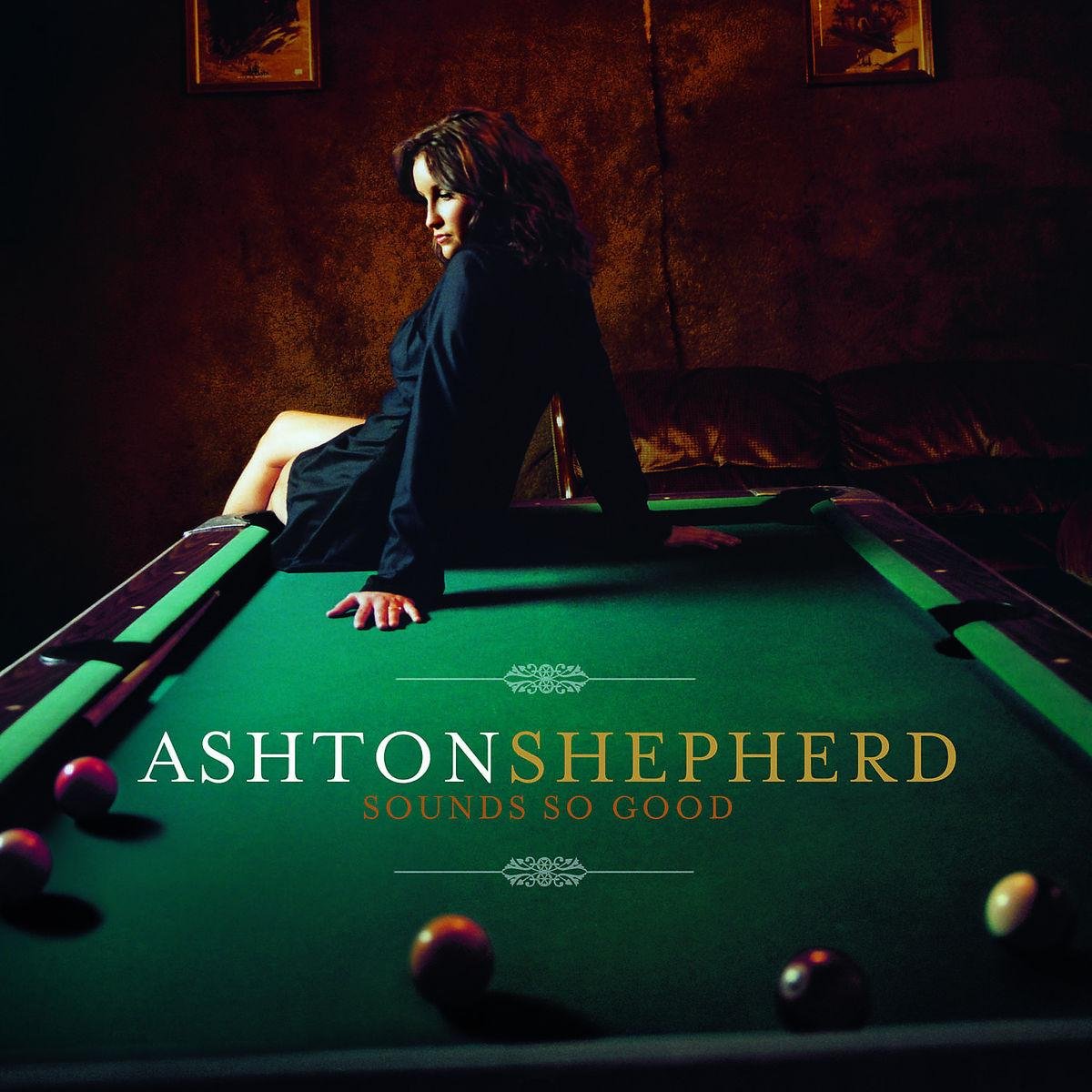
Sounds So Good is an unapologetically country country album.
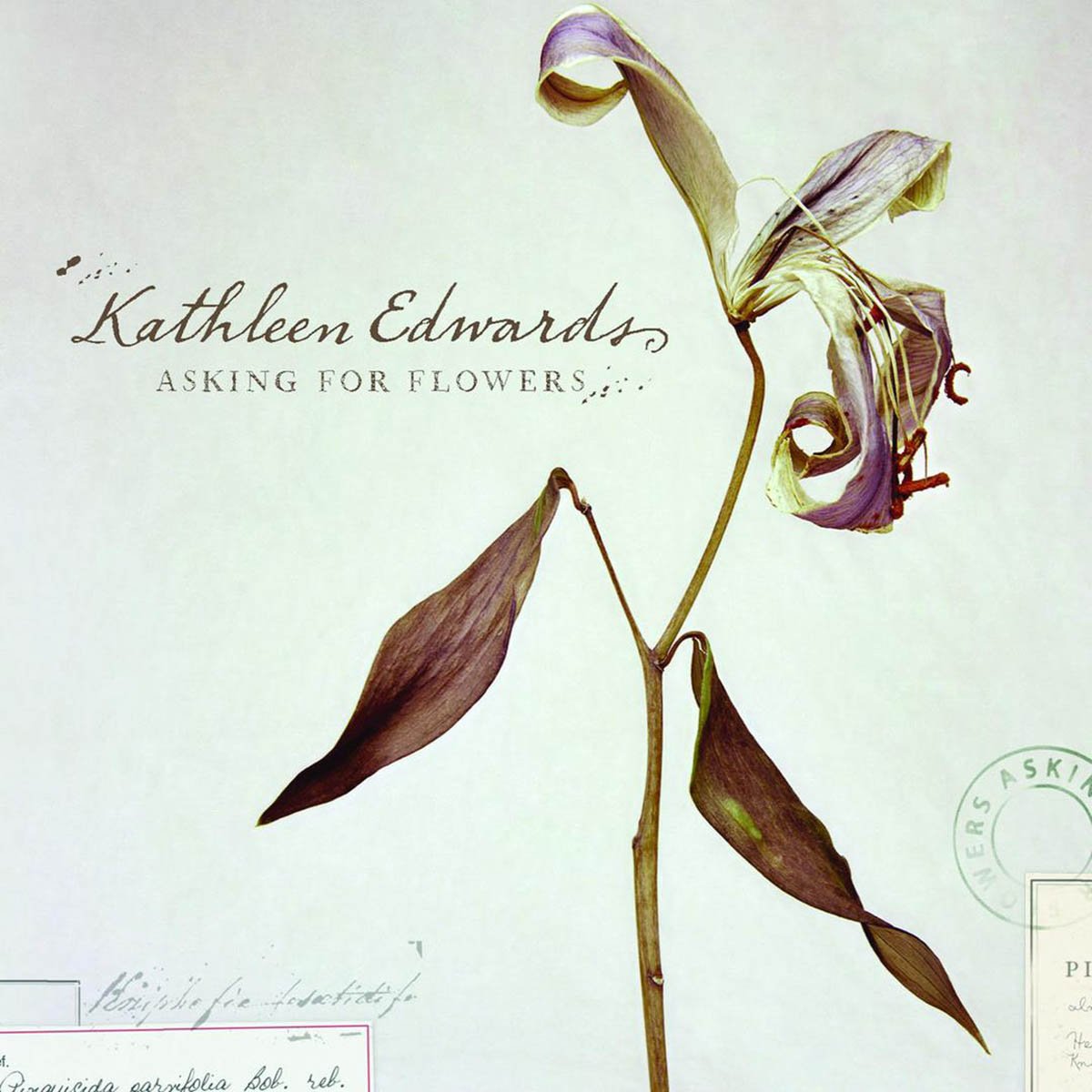
Kathleen Edwards’s pen is at its sharpest on her third album.