Even at its most confrontational, the film maintains a carefully controlled deadpan tone.


David Robb is originally from the north of England. A fiction writer, he recently moved back to London after living in Montreal for three years.
Even at its most confrontational, the film maintains a carefully controlled deadpan tone.

At this year’s BFMAF, the lines between documentary and fiction were blurred in productive and challenging ways.

The interplay between creativity, communication, and control is a key theme of the film.

Rye Lane’s caricatured portrait of London fails to make its central romance truly resonate.

Many of the films at this year’s Doclisboa were meditations on colonial oppression, environmental degradation, and resurgent imperial warmongering.

George Clooney’s and Julia Roberts’s undimmed charisma brings enough grace notes to Ticket to Paradise that you could easily be taken in by its low-stakes frivolity.
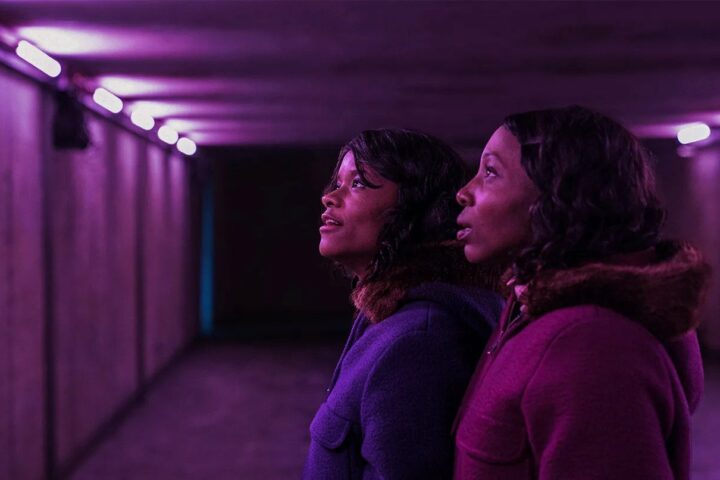
The film mostly struggles to dramatize how fundamentally unknowable its main characters are.

The Wire creator’s We Own This City serves as another closely observed analysis of institutional rot.
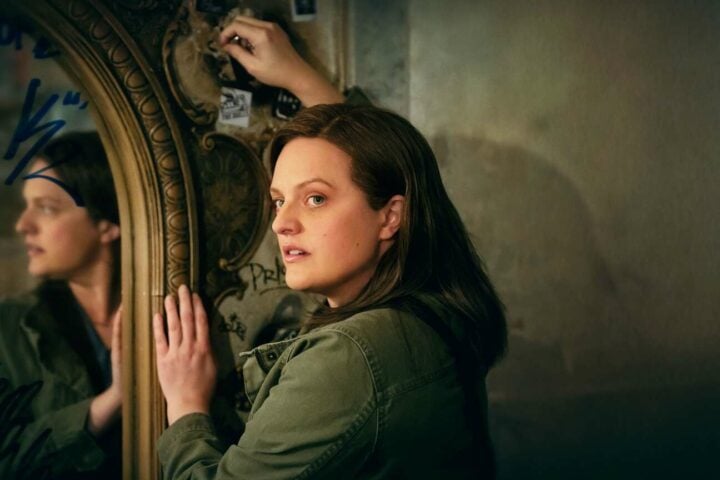
Shining Girls ultimately doesn’t give us much sense of what’s at stake in its byzantine narrative.
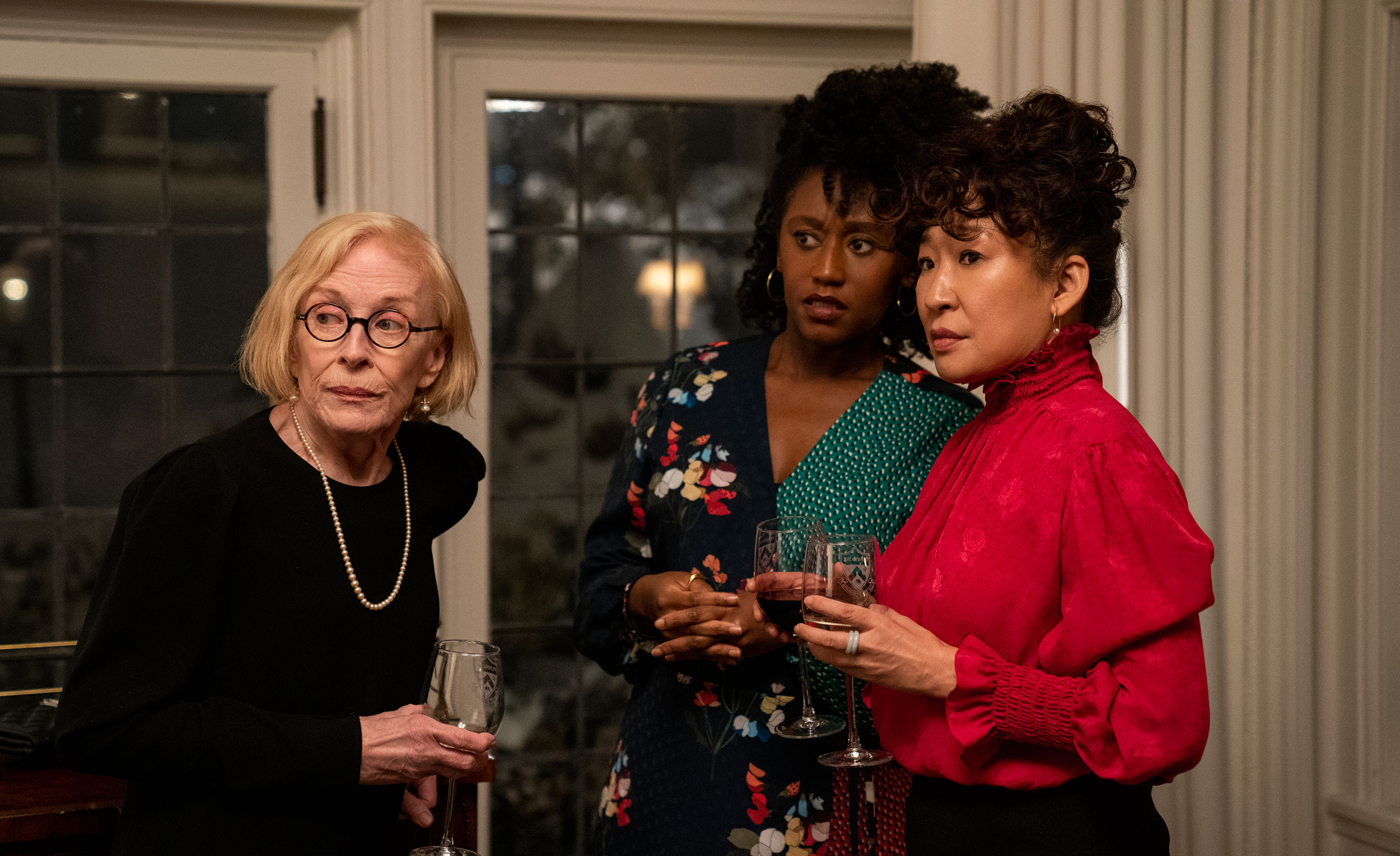
The Chair too often downplays its potentially thorny political subject matter.

The film half-heartedly teeters between a kinetic action thriller and something a little more low-key.
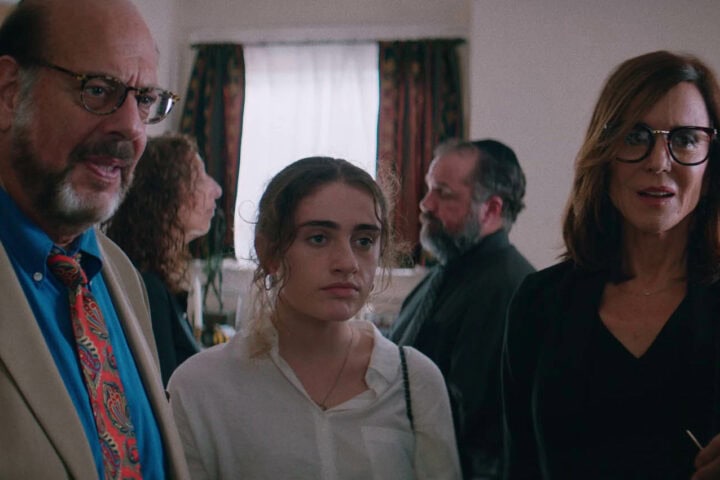
Emma Seligman’s film effectively builds tension from what is a relatively familiar, low-key scenario.

The film lacks for the empathy, curiosity, and sense of humor that are the defining characteristics of the Smiths’s music.

In a way, the film feels like a true heir to the petulant, low-budget horror cinema of the ’70s and ’80s.

Had the film trusted its self-imposed minimalism a little more, it might have been a lot more successful as a character study.
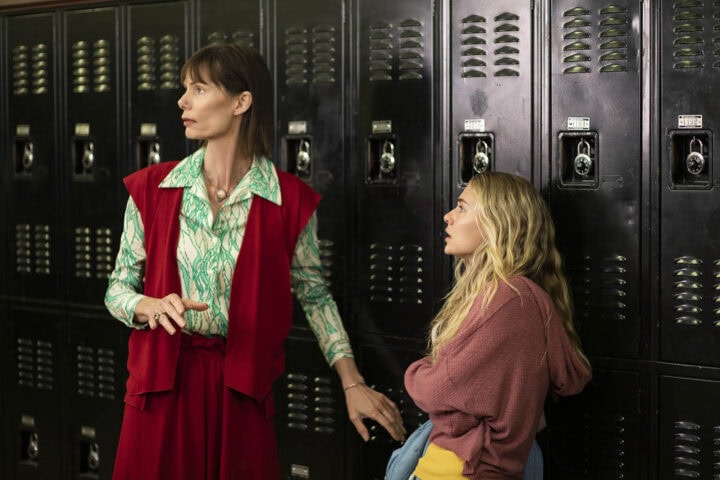
The film portrays mental illness with all the nuance and insight of Jared Leto in Suicide Squad.

Best exemplified by its fixation on culottes, the film never feels like more than a half-formed in-joke between close friends.

The film doesn’t offer the most incisive social commentary, but as a document of our contemporary political moment, its force is undeniable.
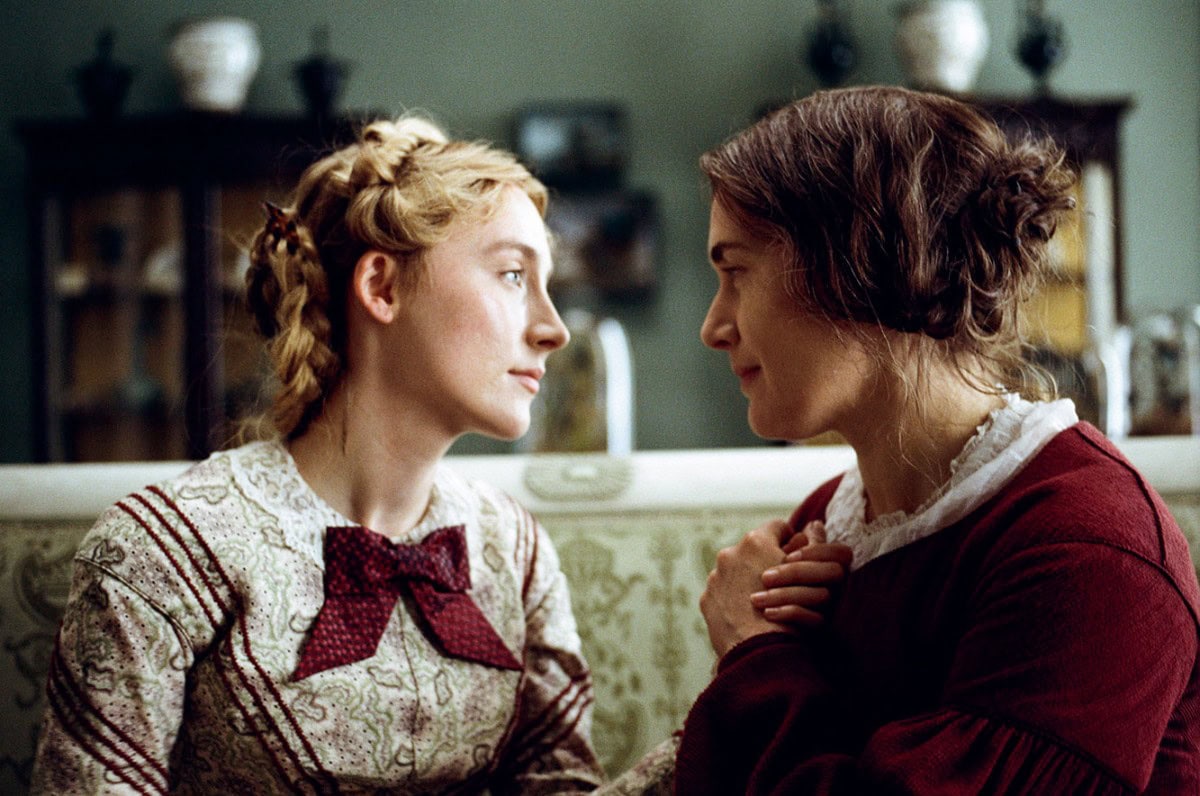
Francis Lee’s compulsion to make Mary Anning stand in for something broader than herself keeps tripping up the film.

The series suggests a more conventional comedy, with jokes that are intended to be taken at face value.