Kazakh cinema’s stalwart auteur Darzhan Omirbaev adapts Crime and Punishment to modern-day Almaty, but with little to say beyond the obvious.



Caroline McKenzie is currently a creative director with the series marketing team at Amazon Studios. Her writing has also appeared in Reverse Shot.
Kazakh cinema’s stalwart auteur Darzhan Omirbaev adapts Crime and Punishment to modern-day Almaty, but with little to say beyond the obvious.
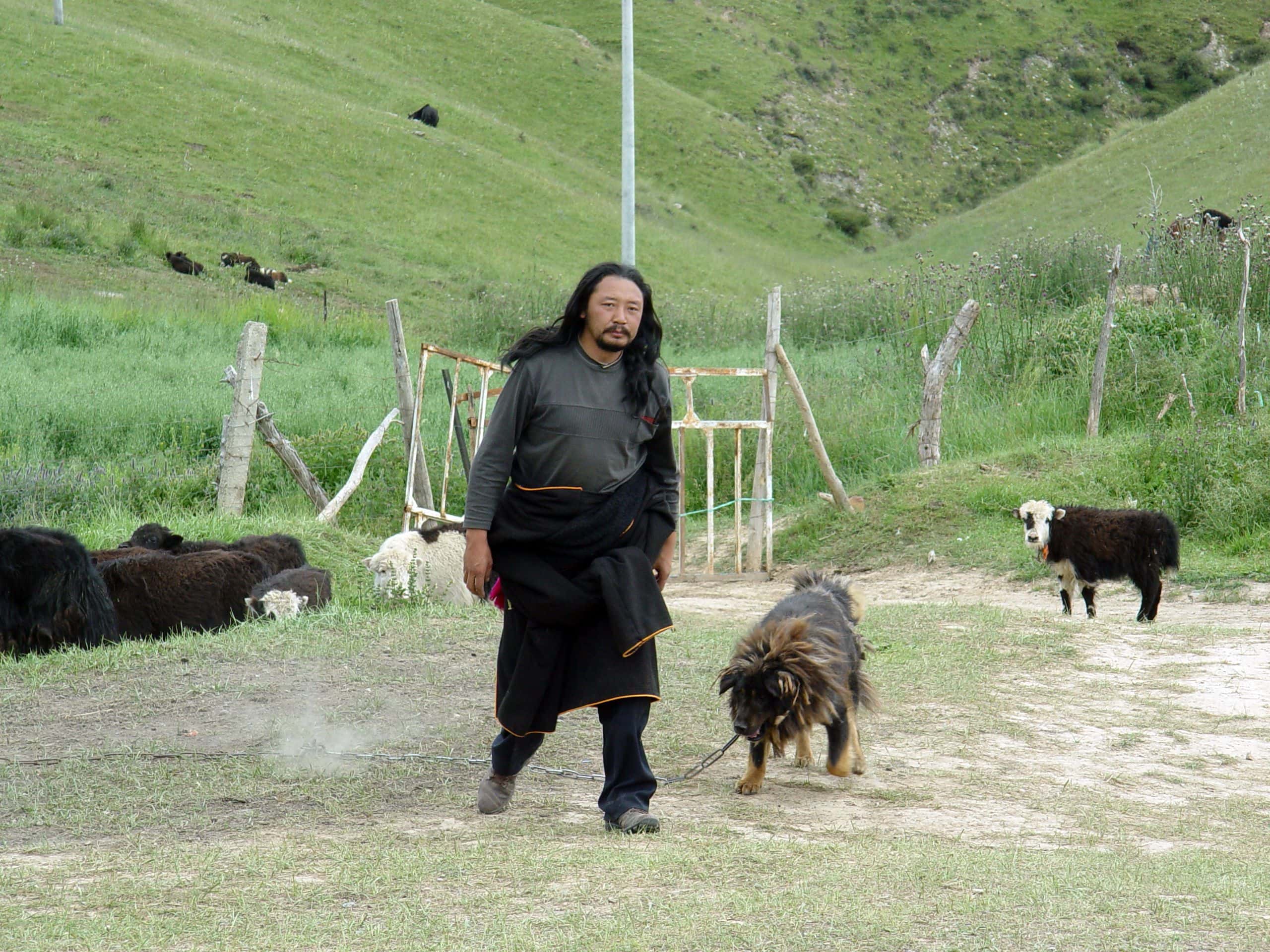
Minimalist in its aesthetics and soundtrack, quiet and deliberate in its plot, but nonetheless familiar—endearing and a vital addition to the small but growing Tibetan cinema.

It employs expressionism, realism, and cubism, but the morality plays are layered on as thickly and haphazardly as a toddler’s finger painting.
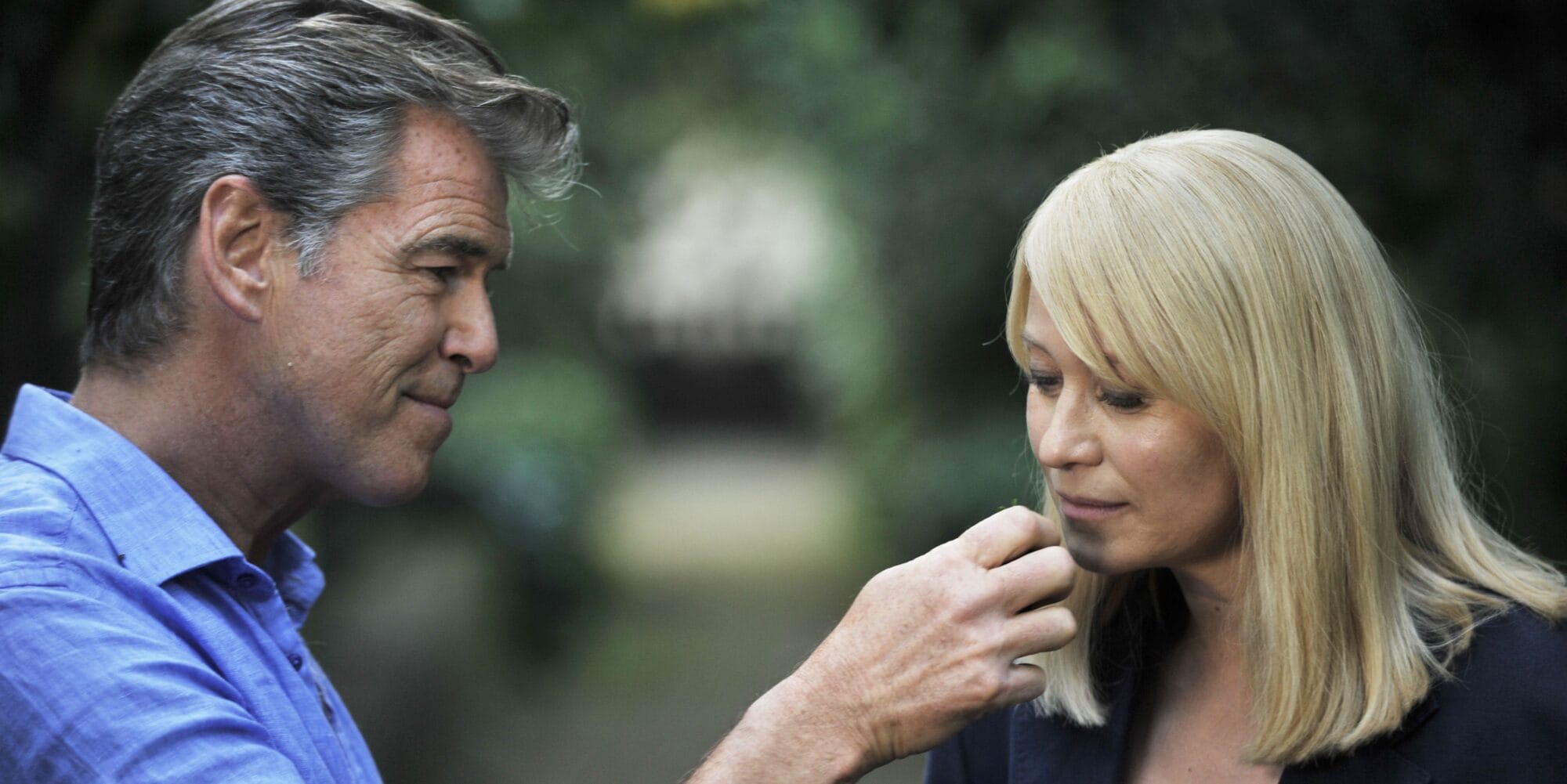
It seems as if Susanne Bier set out to create an absurdist comedy, but lost her nerve somewhere along the way.
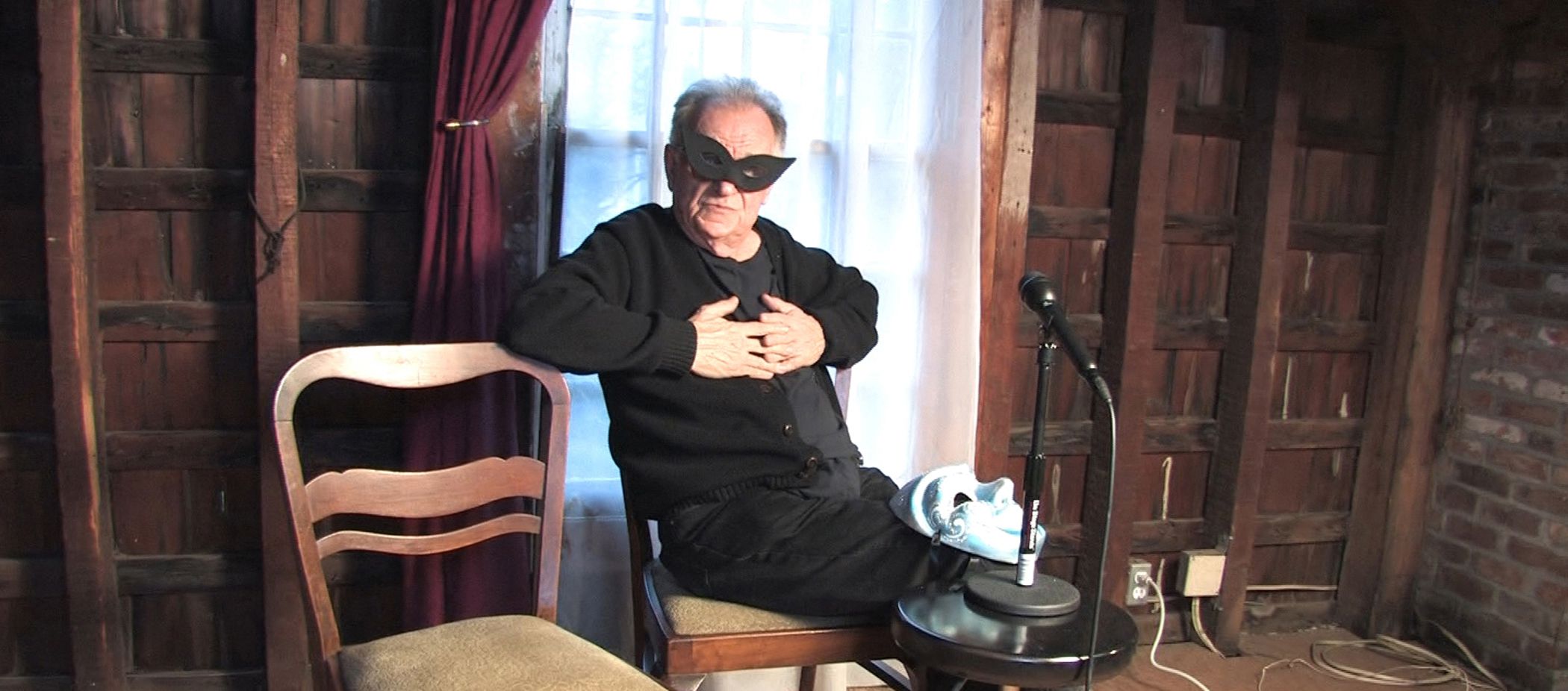
Rote, rushed, and utterly uninterested in Stern’s power as an innovator of image, making it effectively the opposite of the output of the artist it attempts to document.

The story arc is somewhat facile, and its lesson about preserving history instead of demolishing it to make way for new, shiny things is too obvious.

11 Flowers is an utterly universal film that nonetheless stunningly evokes the uniqueness of its own time and place.
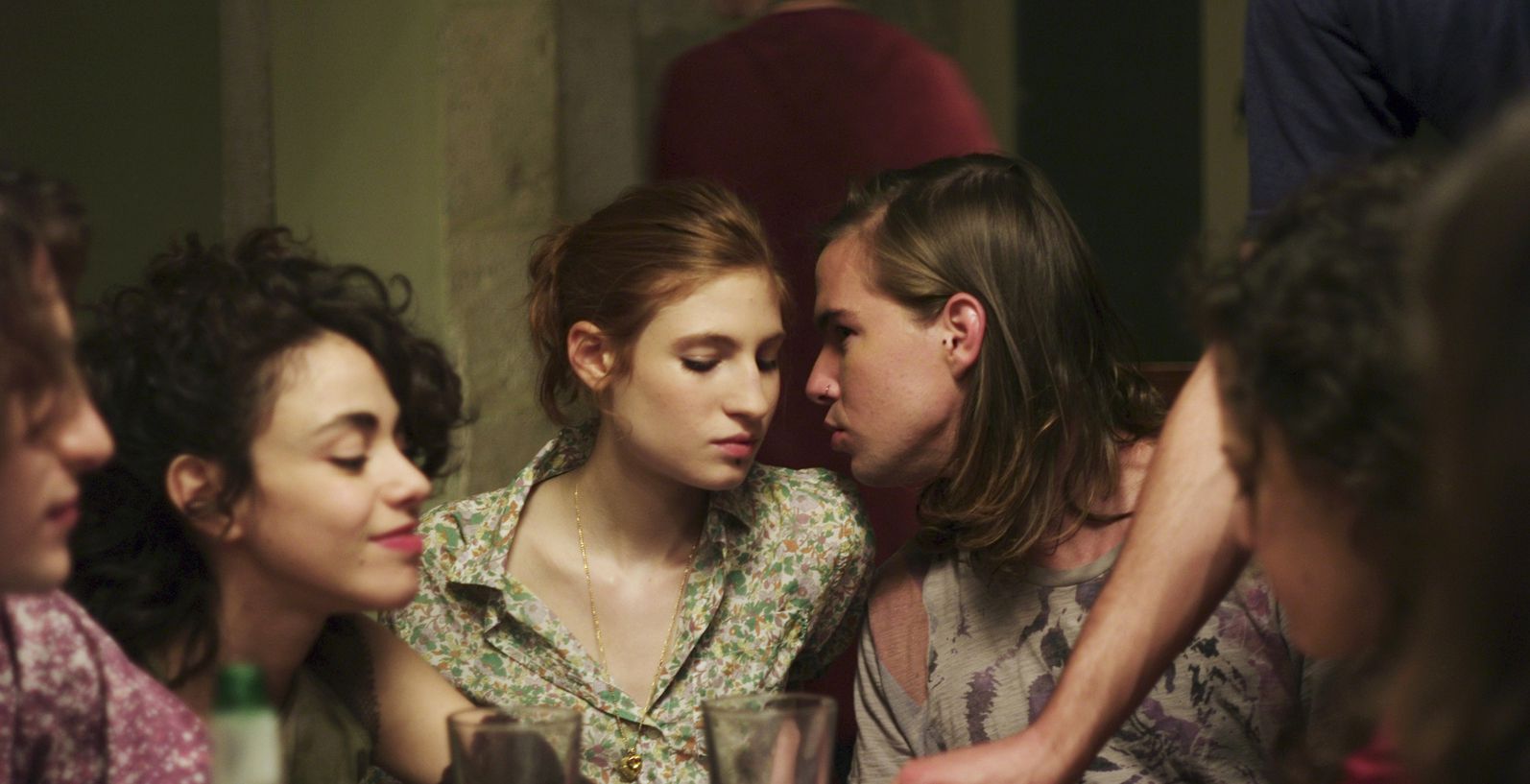
Since the form and the function never coalesce, the purpose of the film is lost at sea.
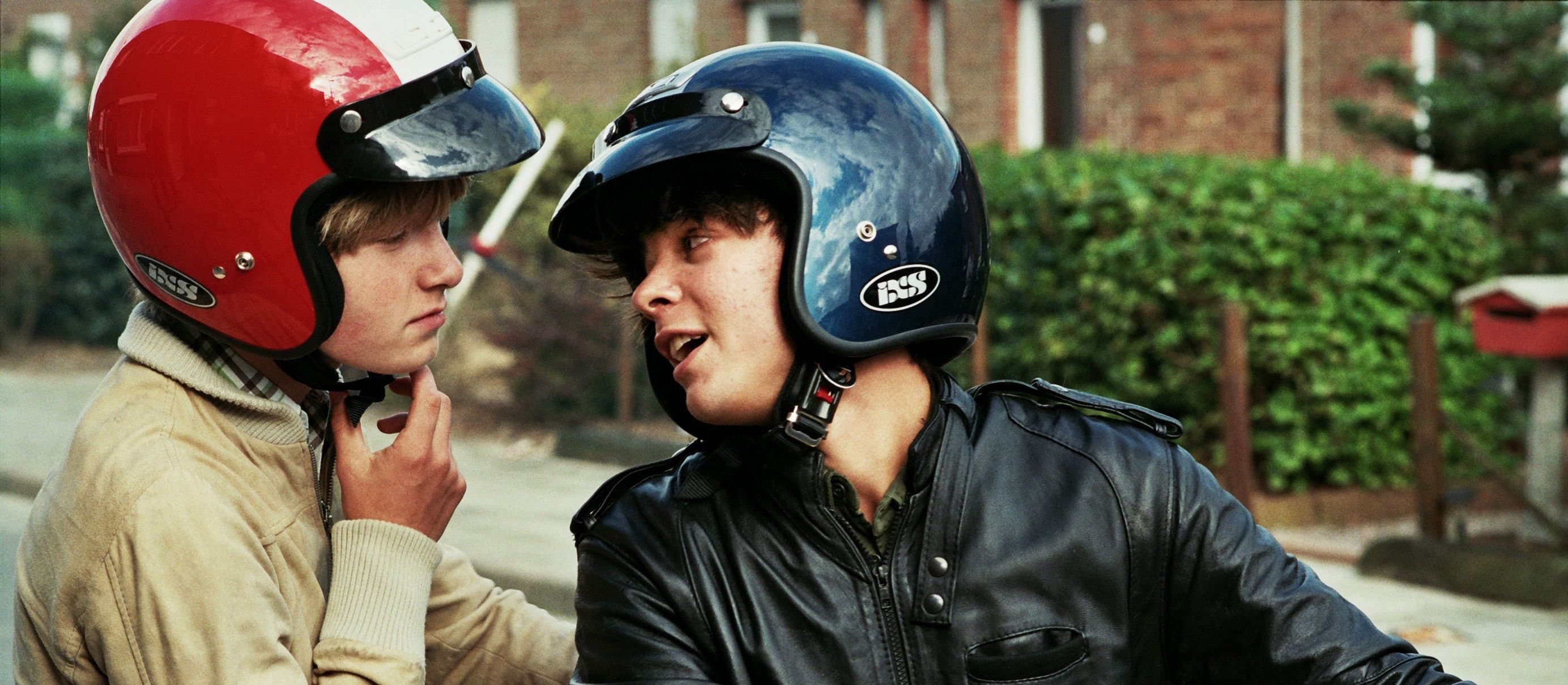
The most radical part about the film may well be its decision to utterly eschew the idea that a queer coming-of-age narrative must hinge on the fear of outing.