If Junebug focused on quieter moments of extended family dynamics, Angus MacLachlan’s film never goes beyond signpost sentiment.



Clayton Dillard is a lecturer in cinema at San Francisco State University.
If Junebug focused on quieter moments of extended family dynamics, Angus MacLachlan’s film never goes beyond signpost sentiment.

There are a healthy dose of extras here to ameliorate the lack of Haynes’s work in any comprehensive home-video format.
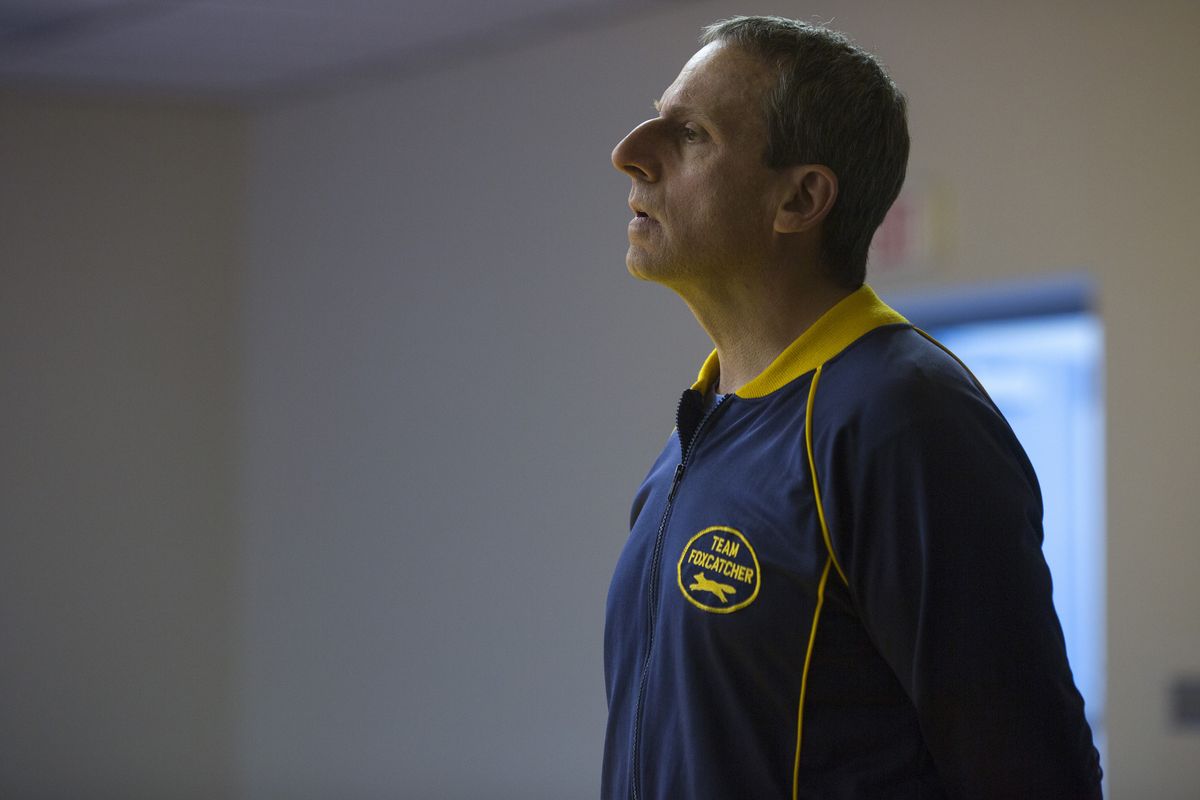
There was no shortage of terrible cinematic experiences in 2014, and often from places one might not so readily expect.

A pristine offering of a film that devastates through its shockingly precise attunement to the lingering traumas of human-borne catastrophe.

Because Kino Lorber has refused to properly supplement the disc, you’ll be just fine hanging onto your 2007 DVD.

Whether colorful or carefully composed, these posters aren’t just suggestions for adorning your home office or home-theater room.

It’s less an incisive activist documentary than an endless barrage of pandering, politically minded statements and quotations.
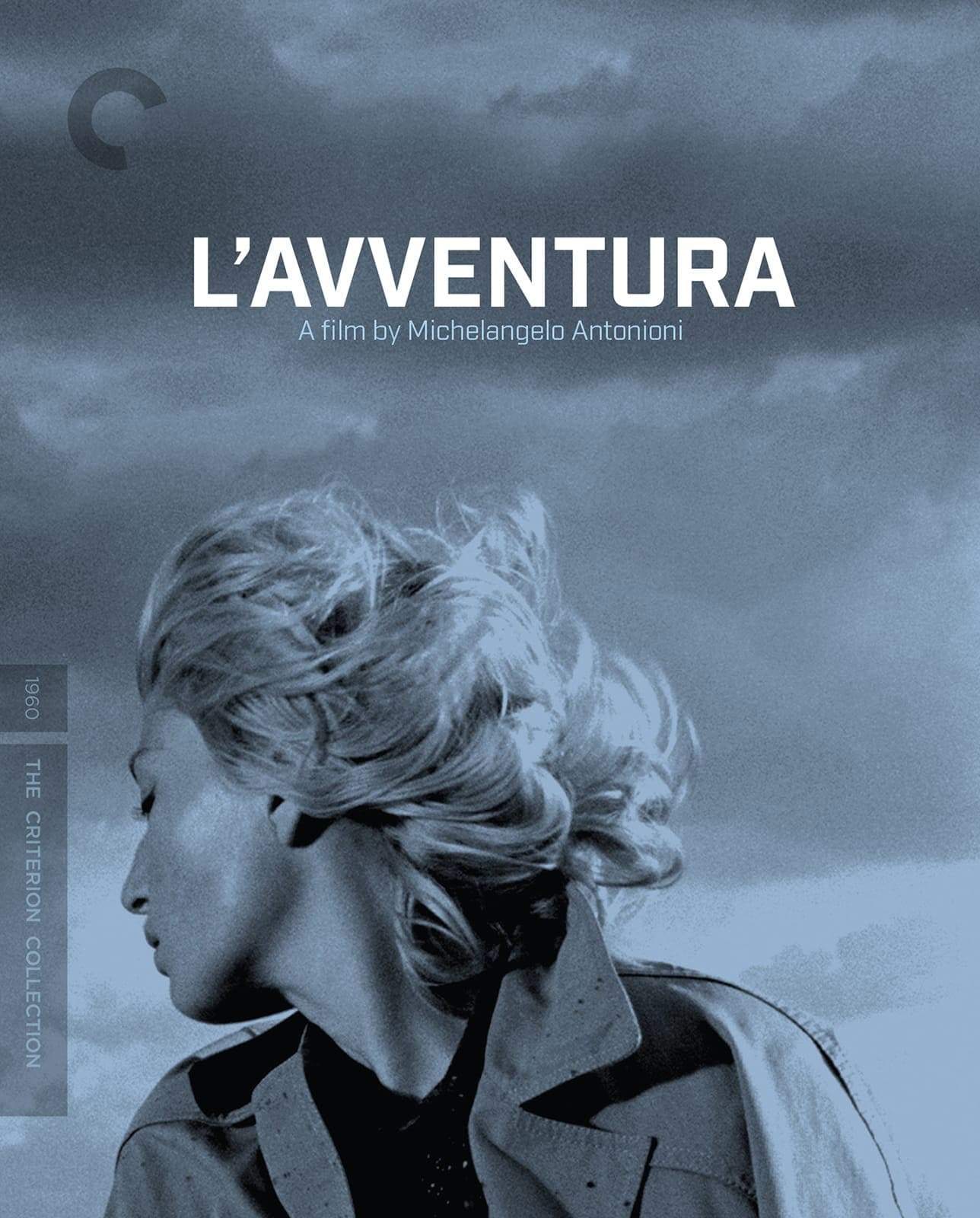
Quench your thirst for metonymic mastery by viewing the entirety of Antonioni’s modernist trilogy in stunning 1080p high-definition.

Powell’s vision as a filmmaker is frustratingly limited to an information-style presentation that doubles as an enthusiastic advert for the transcendental qualities of the terrain.

It’s as if Carlos Saura were calling the bluff of spectacle-oriented narrative cinema that necessitates excusing its excesses with characters and plotting.

Few restorations prove as revitalizing and essential as Kino’s new 4K Blu-ray for Wiene’s classic silent.
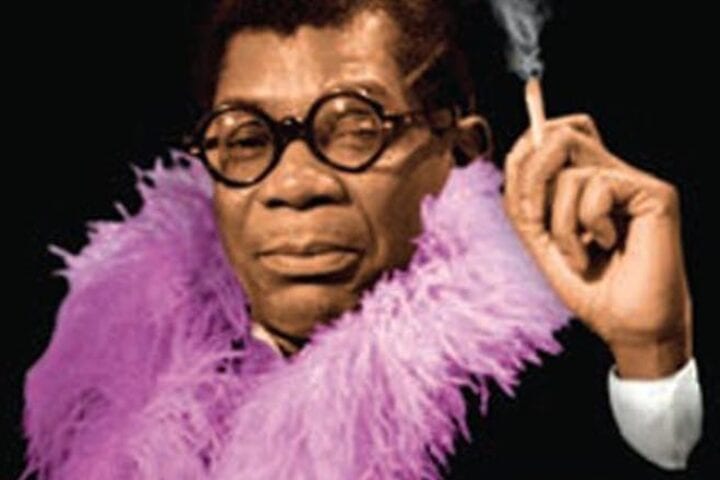
Milestone Films has gone to great lengths to restore and contextualize Portrait of Jason on this superb Blu-ray.

The filmmakers play Catherine’s disgustingly narcissistic sense of entitlement as endemic to the supposedly girl-next-door charms befitting the film’s thoroughly normative gender politics.

Viva Maria deserves rescuing as more than simply a curiosity within Louis Malle’s diverse oeuvre.

Any doubts about Tati’s status as a titan of modernist filmmaking will be obliterated by this treatment of the director’s six feature films.

Disney has given Maleficent a red-carpet audio-visual treatment.

What progressively mounts tension is the film’s understanding of a boy’s gradually realized homosexuality as being inextricable from the central metaphor of compromised vision.

It convincingly reconciles private passion with public desire by suggesting that, for women in particular, the 21st-century limelight is always on, no matter the setting or venue.

In abandoning a more vigorous discussion of class and race-based senses of entitlement, Marshall Curry reveals his goals to be less critical or rigid than passively honorific.
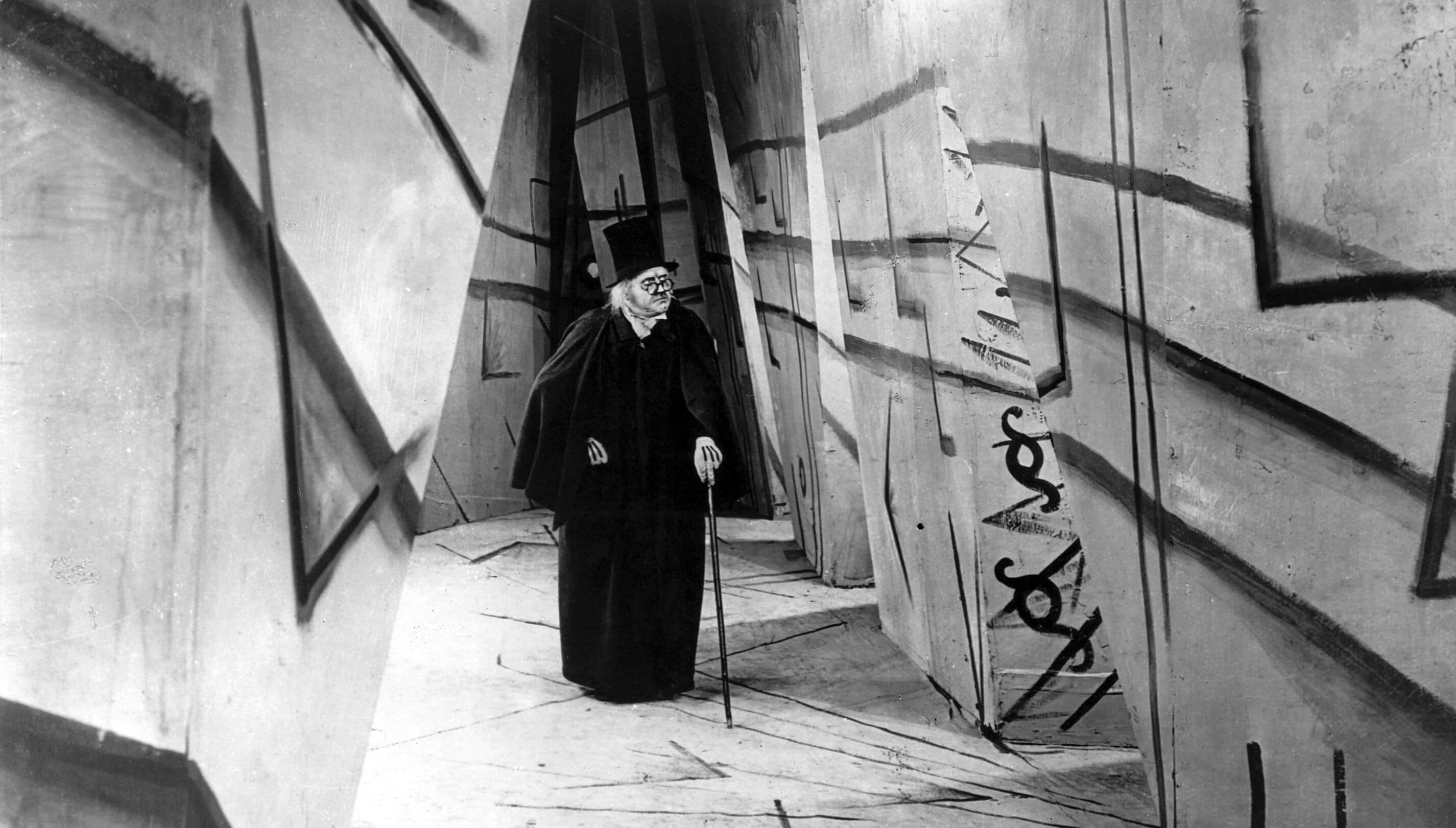
Subjective trauma becomes subaltern desire in The Cabinet of Dr. Caligari.